
Female Starlings, but Not Males, Showed an Early Response to Shifted Song–Wing Timing
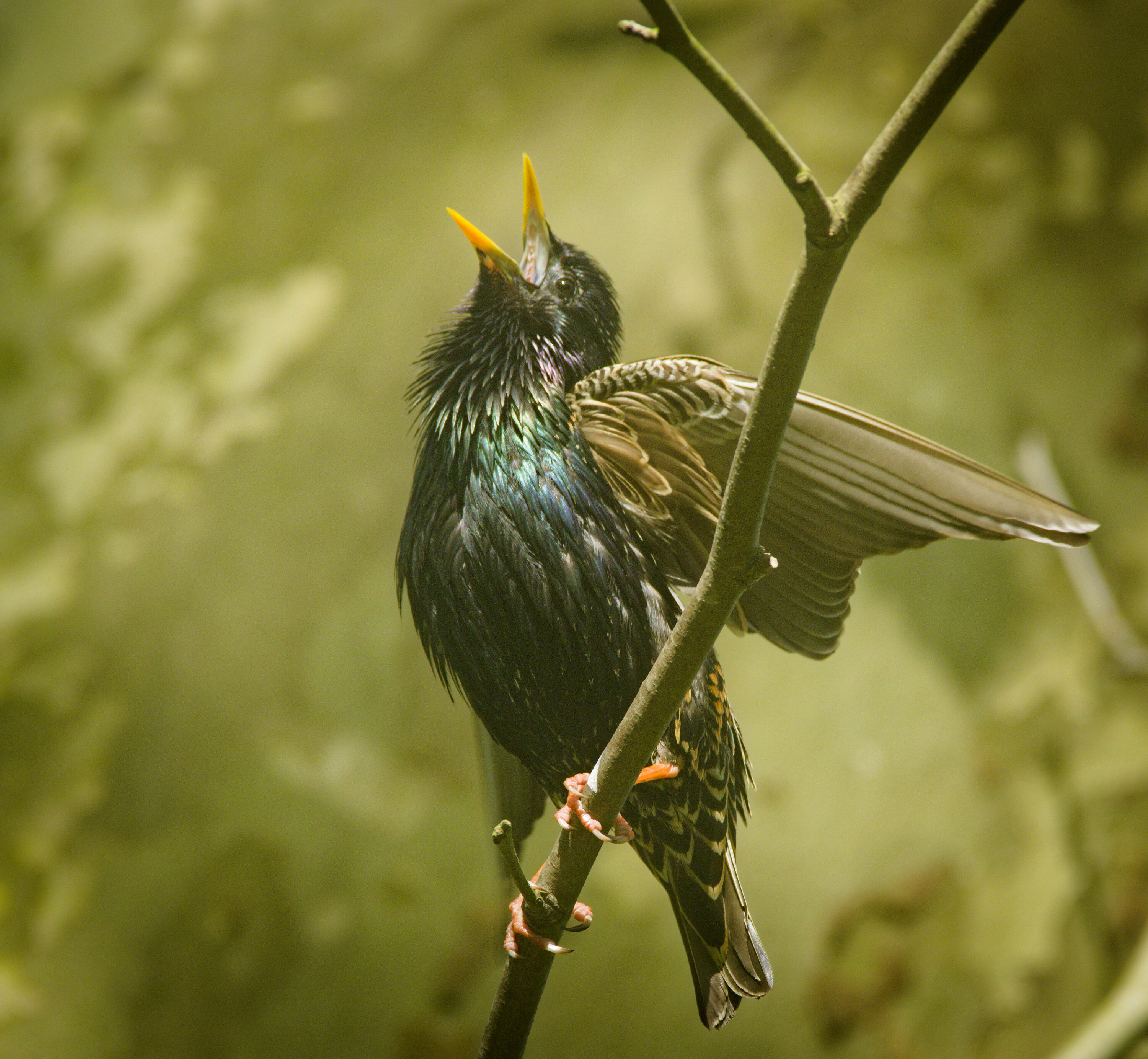
Female common starlings (Sturnus vulgaris) renewed an early response when the timing between familiar song and wing movements changed, whereas males showed no comparable early renewal. The recovery of a response after an animal has habituated to a repeated signal is called dishabituation. The field study, published on 17 July 2026, used a robotic taxidermic male starling to test whether the sexes differed in how they process the temporal structure of audio-visual social displays.
Male starlings combine song with wing movements during social signalling. The movements can overlap song phrases or occur in short pauses between them. The experiment kept the acoustic and visual components themselves unchanged and altered only whether they were presented sequentially or overlapped in time.
Six tests separated signal content from timing
The experiments were conducted in rural breeding habitat near Poznań in western Poland. In total, 240 wild starlings were tested: 120 males and 120 females across six habituation–test transitions, with 20 birds of each sex in each treatment. Birds were repeatedly exposed to one display until their response declined — habituation — after which either a signal component or the temporal relationship between familiar components was changed.
The main early measure was whether the birds briefly stopped withdrawing from the setup after the change. Re-approach and time spent near the robotic model were later responses that could also reflect motivation and behavioural decisions.
Only females renewed their response to a timing-only shift
When a visual wing movement was added to an acoustic signal, both sexes renewed their responses. The clearest sex difference appeared when both song and movement were already familiar and only their timing relationship changed from sequential to overlapping. Females interrupted their withdrawal, approached the model again and stayed nearby longer. Males continued to withdraw without a detectable dishabituation response.
Because the physical song and movement components were identical before and after the timing shift, the result points to a sex difference in sensitivity to how the two modalities were organized in time rather than to the appearance of a new signal element.
The mechanism remains unresolved
The author interprets the result as evidence that sex differences in responses to social displays can arise during early processing, before later motivational and decision-making stages. One possibility discussed in the paper is that females may benefit from stronger sensitivity to the timing that binds a particular song to a particular moving male in socially complex surroundings.
The absence of male dishabituation does not show that males were incapable of distinguishing the timing patterns. The author notes that males may still register such cues without producing the same early amplification of response seen in females. Behaviour alone also cannot determine whether the underlying difference reflects multisensory integration — how information from different senses is combined — attention, the motivational significance assigned to the signal or another process acting before later behavioural decisions.
Behaviour
Related news
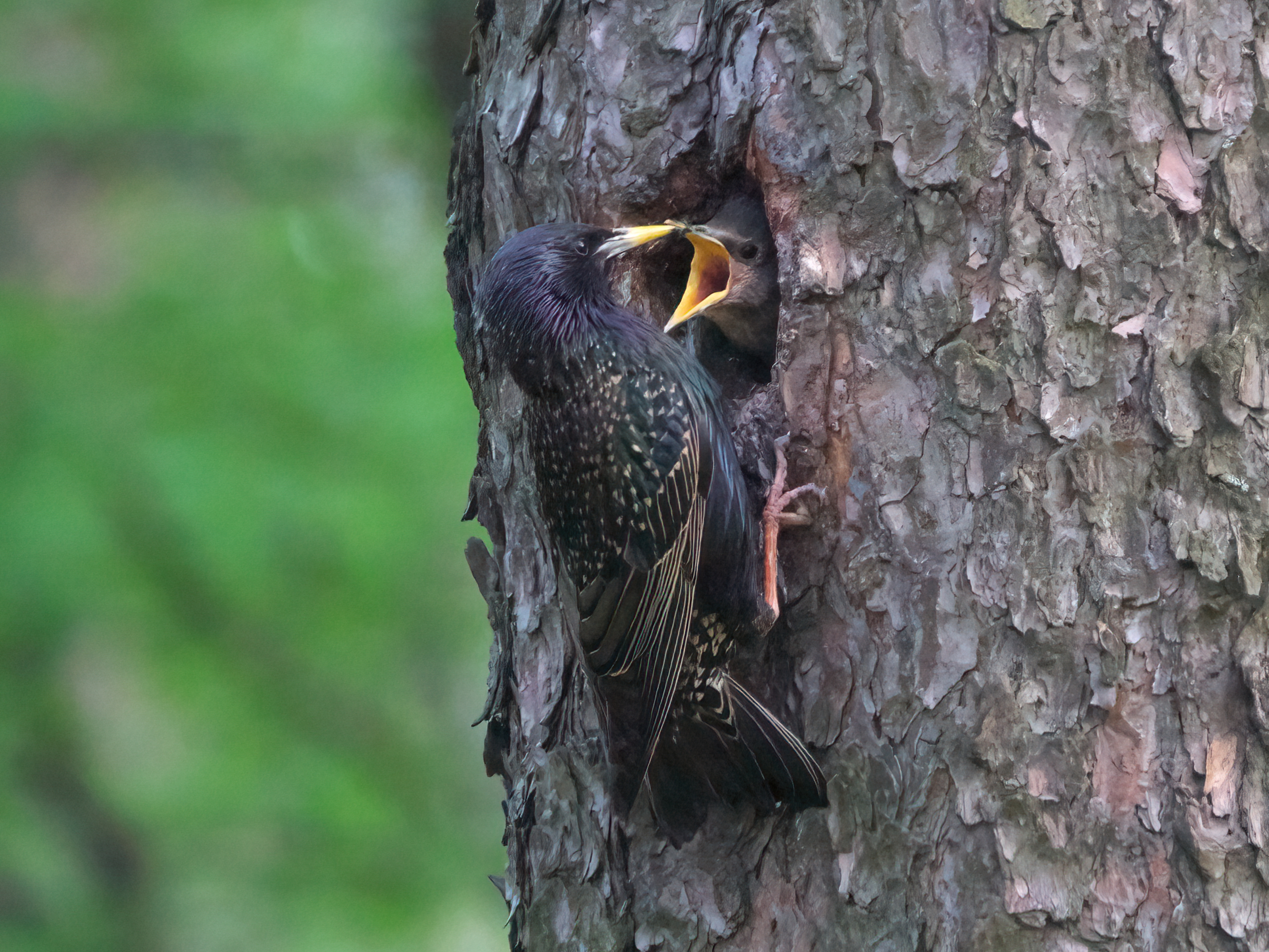
Common Starling Parents Called Less Often as Their Nestlings Grew Older
Common starling parents called on 62% of feeding visits when chicks were two days old but only 4%…
Read story →
Recent Starlings in Western Australia Differed Genetically from the 2000s Population
Starlings detected in Western Australia in 2017–2024 were genetically distinct from birds sampled there in the 2000s, a…
Read story →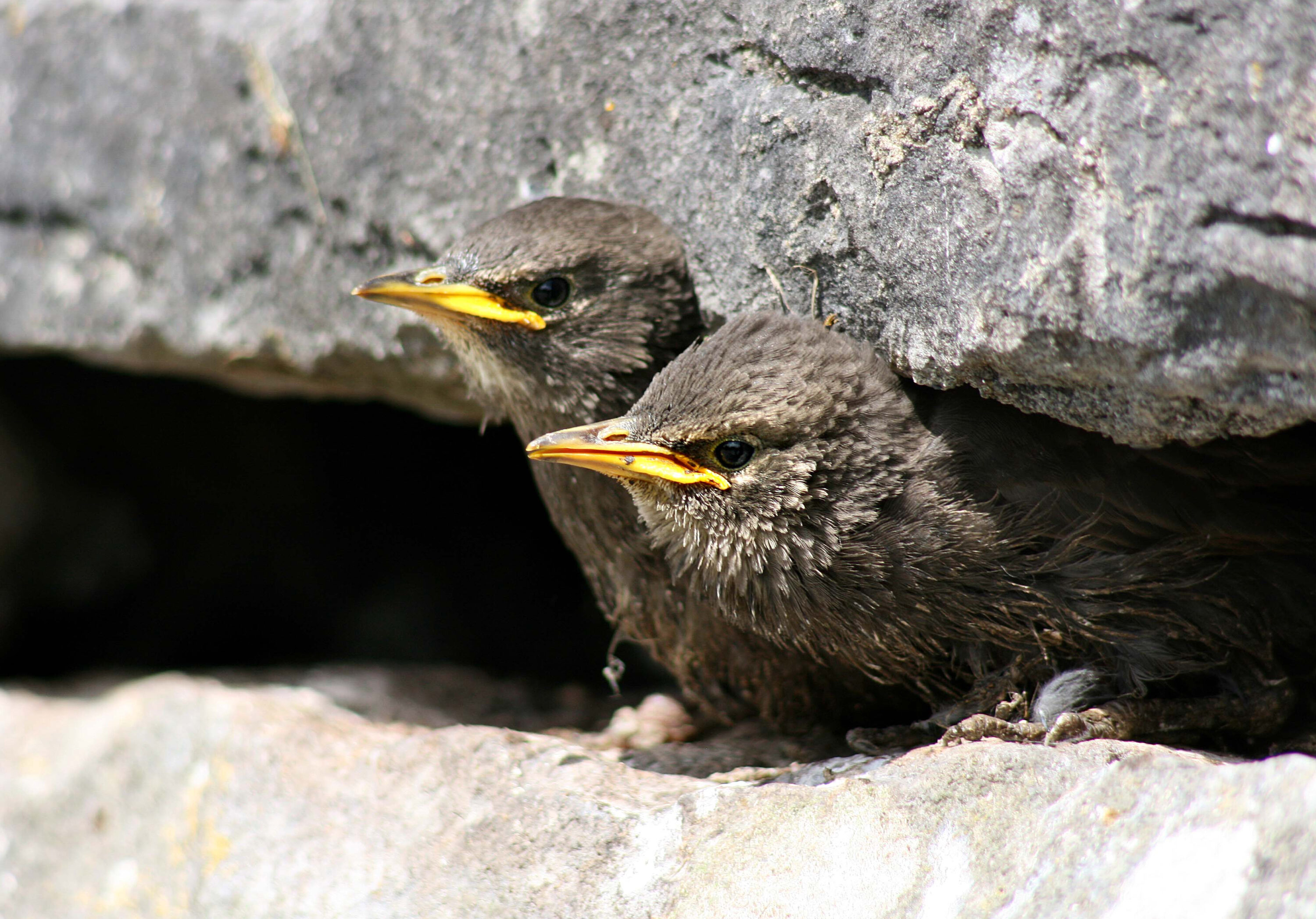
PFAS Exposure Was Linked to Oxidative Stress in Starling Chicks, but Not to Similar Changes in Great Tits
Eggs near an Italian fluoropolymer plant contained up to ten times more PFAS. Starling nestlings showed signs of…
Read story →SPECIES IN THIS STORY
Species in this story
Independent research and conservation news archive
Did you find this information useful?
Wildlife Vagabond is independently built and maintained. Voluntary support helps cover source verification, hosting and continued work on research and conservation news.
Support Wildlife VagabondThe news archive will remain freely available.