
Finland Estimated 88,000 Moose After the 2025 Hunting Season
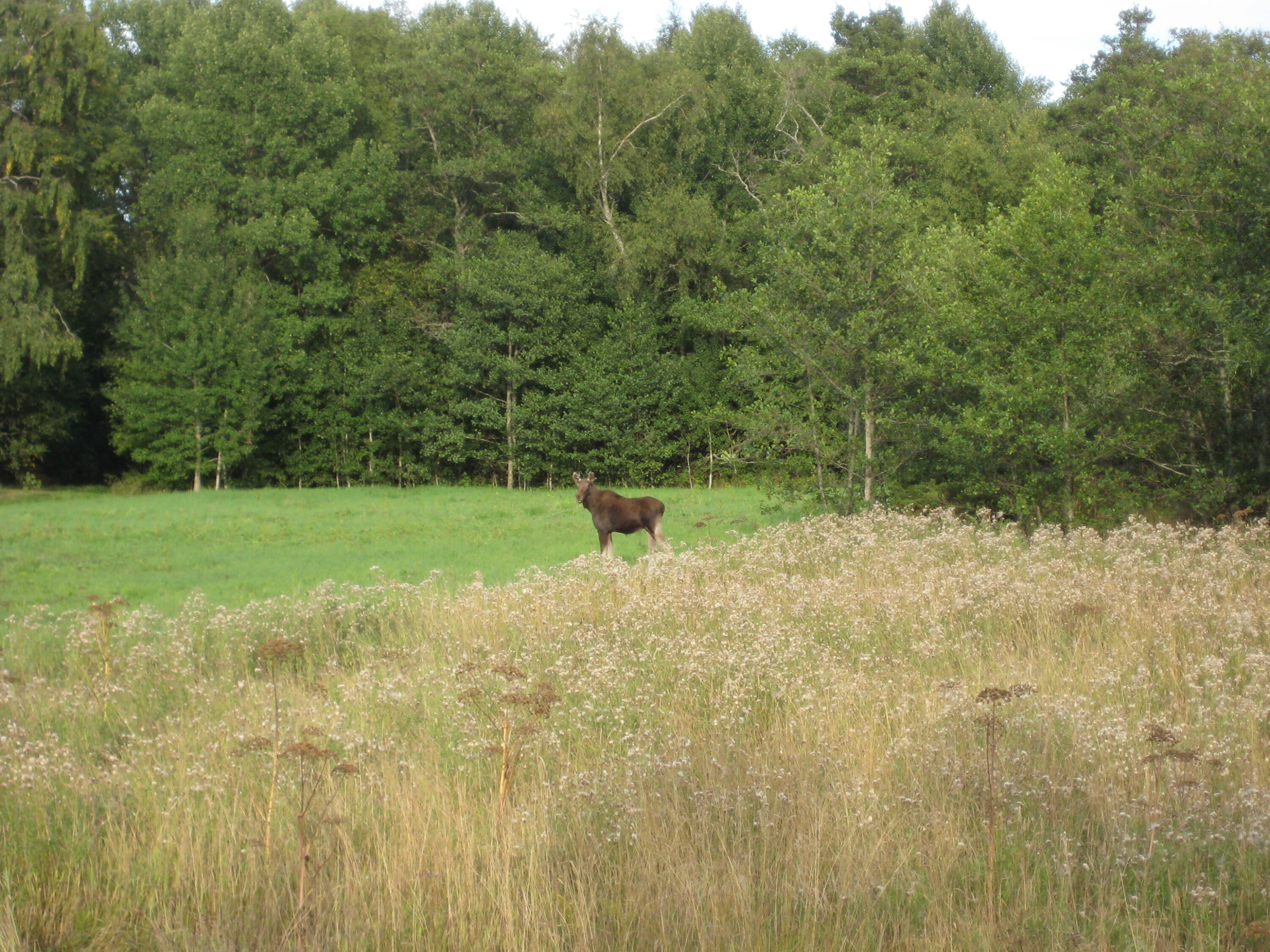
Finland’s post-hunt population of moose (Alces alces) was estimated at approximately 88,000 animals after the 2025 hunting season. The estimate was broadly unchanged from the preceding year, while long-term data showed declining calf production across most of the country’s moose management areas.
The Natural Resources Institute Finland (Luke) published the 2026 assessment on 27 February. Its 95% probability interval placed the remaining population between 79,000 and 100,000 moose. Regional wildlife councils’ density objectives together correspond to a national population of roughly 70,000–90,000 animals.
Large Regional Differences in Density
The highest estimated densities after the hunt—at least 4.2 moose per 1,000 hectares—occurred along the coasts of Uusimaa and Ostrobothnia and in the southwestern archipelago. In northern Finland, the highest reported density was 3.2 per 1,000 hectares in southwestern Lapland. Elsewhere in Lapland and in northeastern parts of the former Oulu province, densities were no more than 2.5 per 1,000 hectares and generally decreased towards the north.
The adult sex ratio also met the management-plan objective in many areas. There were no more than 1.5 adult females per adult male across most of southwestern Finland, western Uusimaa, the Ostrobothnian coast, areas north of Oulu, much of Lapland and parts of eastern Finland.
Calf Production Has Fallen in Most Areas
Calf production varied substantially. The highest figures—at least 90 calves per 100 adult females—were recorded in several areas from the coast south of Oulu through Ostrobothnia and parts of central and eastern Finland. Fewer than 60 calves per 100 females were recorded on the western coast of Uusimaa, in the southwestern archipelago, eastern North Karelia and the northernmost part of Lapland.
The longer time series showed that calf production has declined during this century in much of the country. Luke reported a statistically significant negative trend in 46 of the 59 management areas. The national population can therefore remain relatively stable even while an important component of population productivity changes.
The Estimate Combines Several Monitoring Systems
Luke’s Bayesian assessment model synthesises several kinds of systematically collected information. A central source is the Oma riista service, where hunting teams report daily observations and harvests during the season and estimate how many moose remain in their area afterwards.
For the 2025 hunt, 5,497 teams submitted the legally required harvest report. Of these, 5,254—95.6%—also entered moose observations. The model additionally uses aerial and ground counts, numbers of road collisions and estimates of large-carnivore abundance, producing probability-based estimates for each management area and a national time series extending back to 2000.
Luke states that the information is used by government agencies, regional wildlife councils, local game-management associations and hunters. Finland’s management plan aims to maintain a viable and stable moose population while keeping forest and traffic damage at reasonable levels.
Population & status
Related news
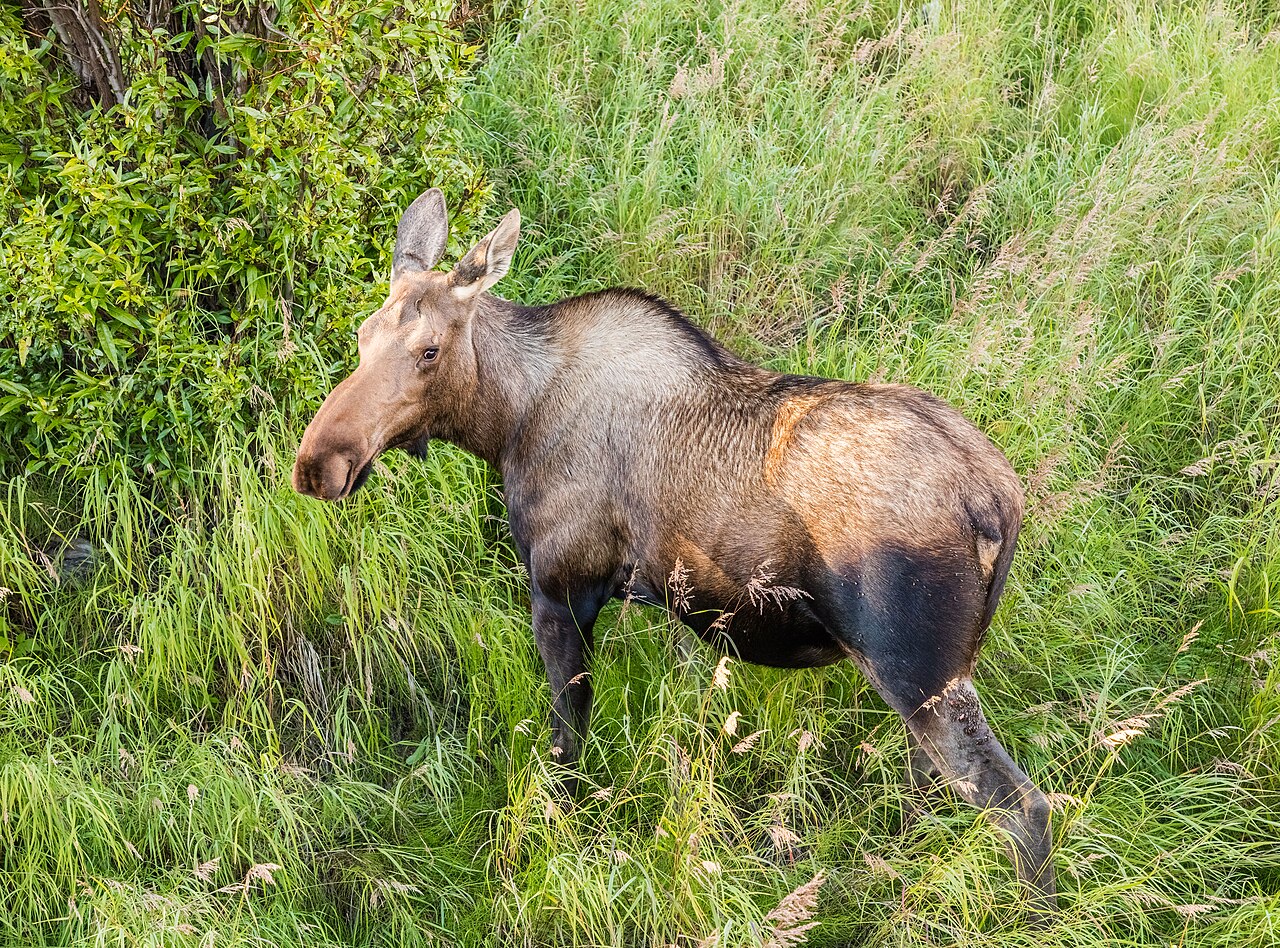
Arctic Moose Follow the River Valleys
GPS tracking in Alaska showed that half of 24 female moose migrated between summer and winter ranges. Migrants…
Read story →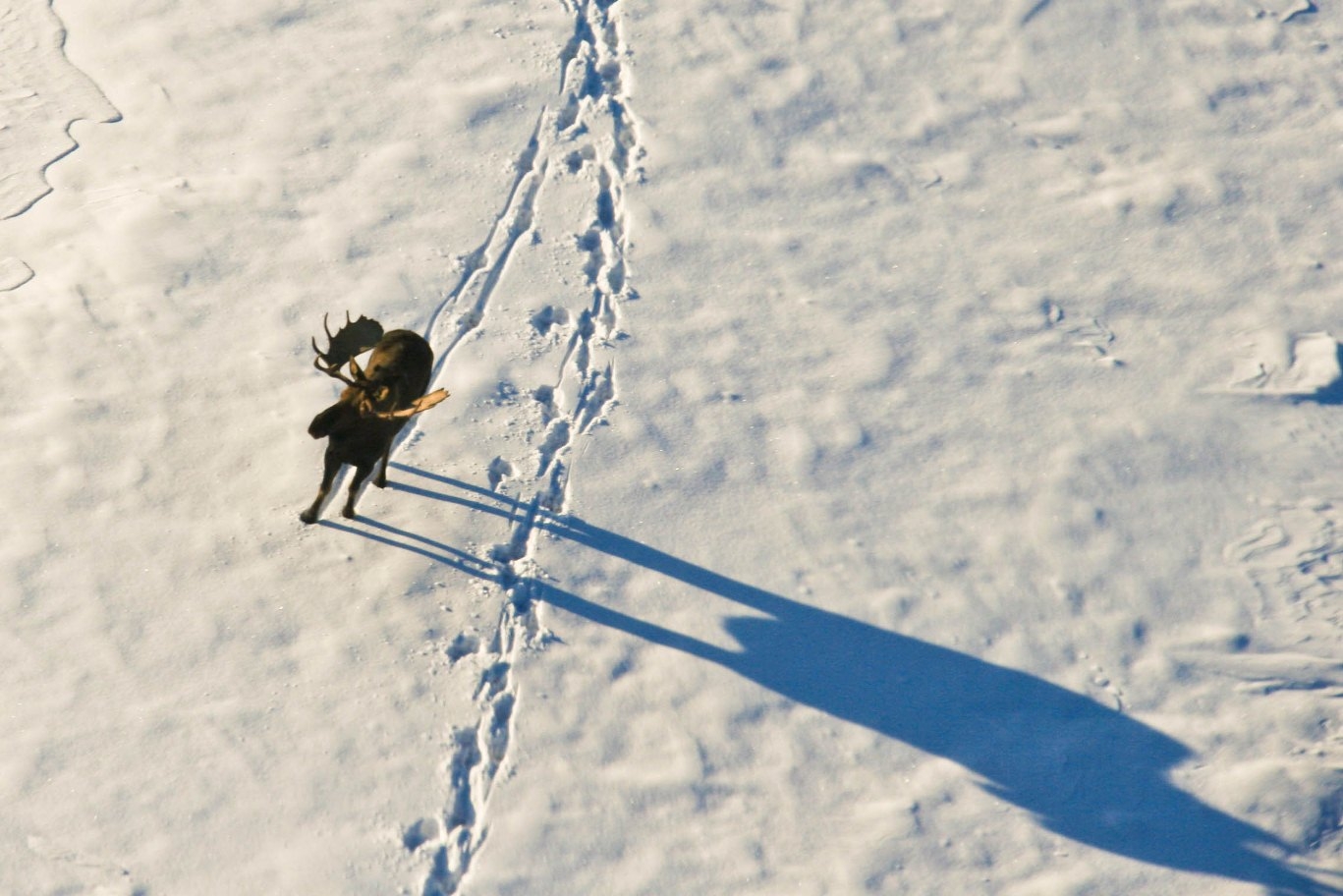
Thermal Drones Found Nearly All Moose in Favourable Winter Weather
Swedish trials found detection close to 100% in cold, overcast winter conditions, but the survey effort needed for…
Read story →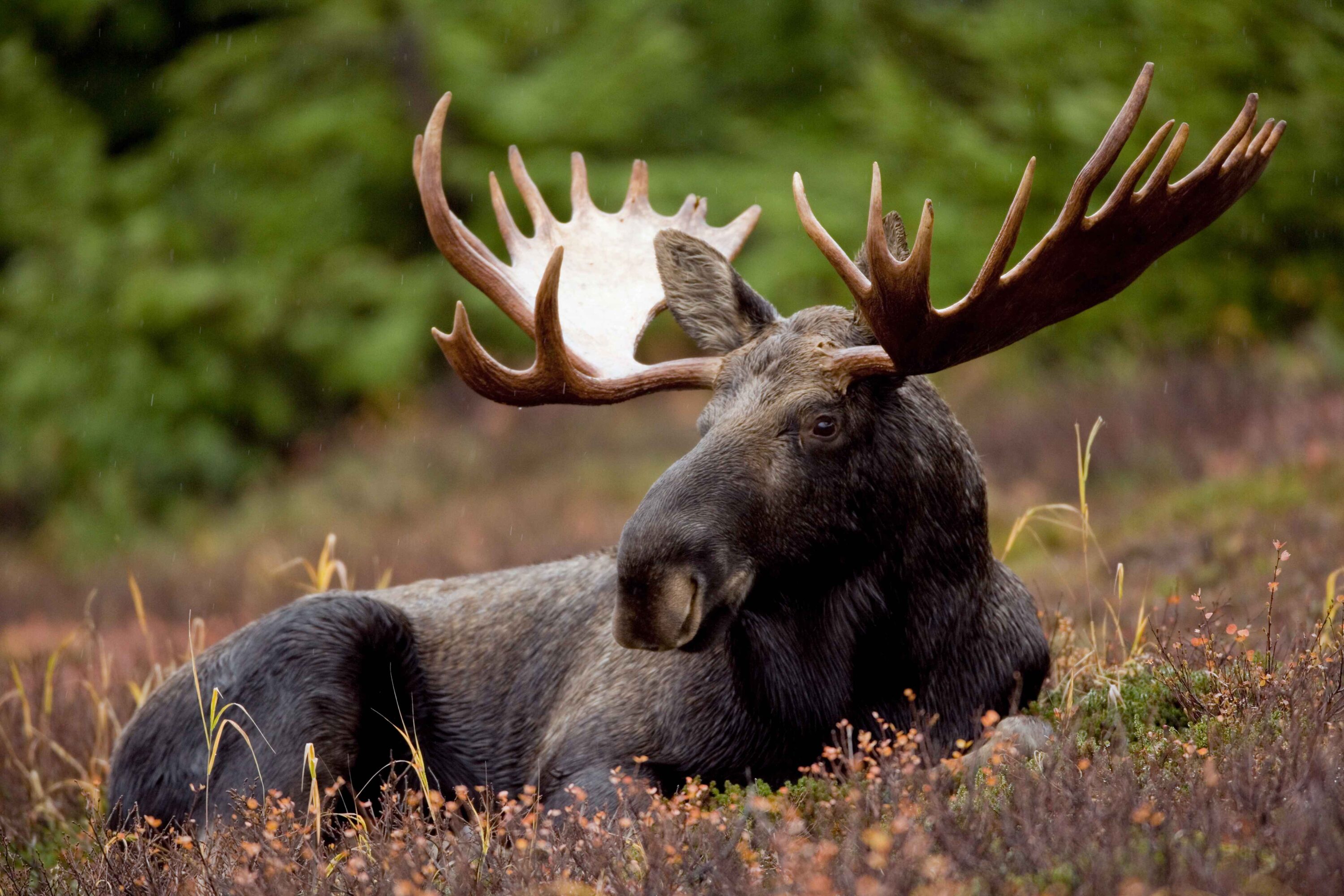
Even Adirondack Park’s Densest Moose Area Was Too Sparse for Precise Aerial Estimates
Helicopter surveys estimated about 92 moose in the Adirondack core in 2024 and 112 in 2025, but broad…
Read story →SPECIES IN THIS STORY
Species in this story
Independent research and conservation news archive
Did you find this information useful?
Wildlife Vagabond is independently built and maintained. Voluntary support helps cover source verification, hosting and continued work on research and conservation news.
Support Wildlife VagabondThe news archive will remain freely available.