
Five Nematodes Were Detected Across Native and Invasive Carnivores in Hungary
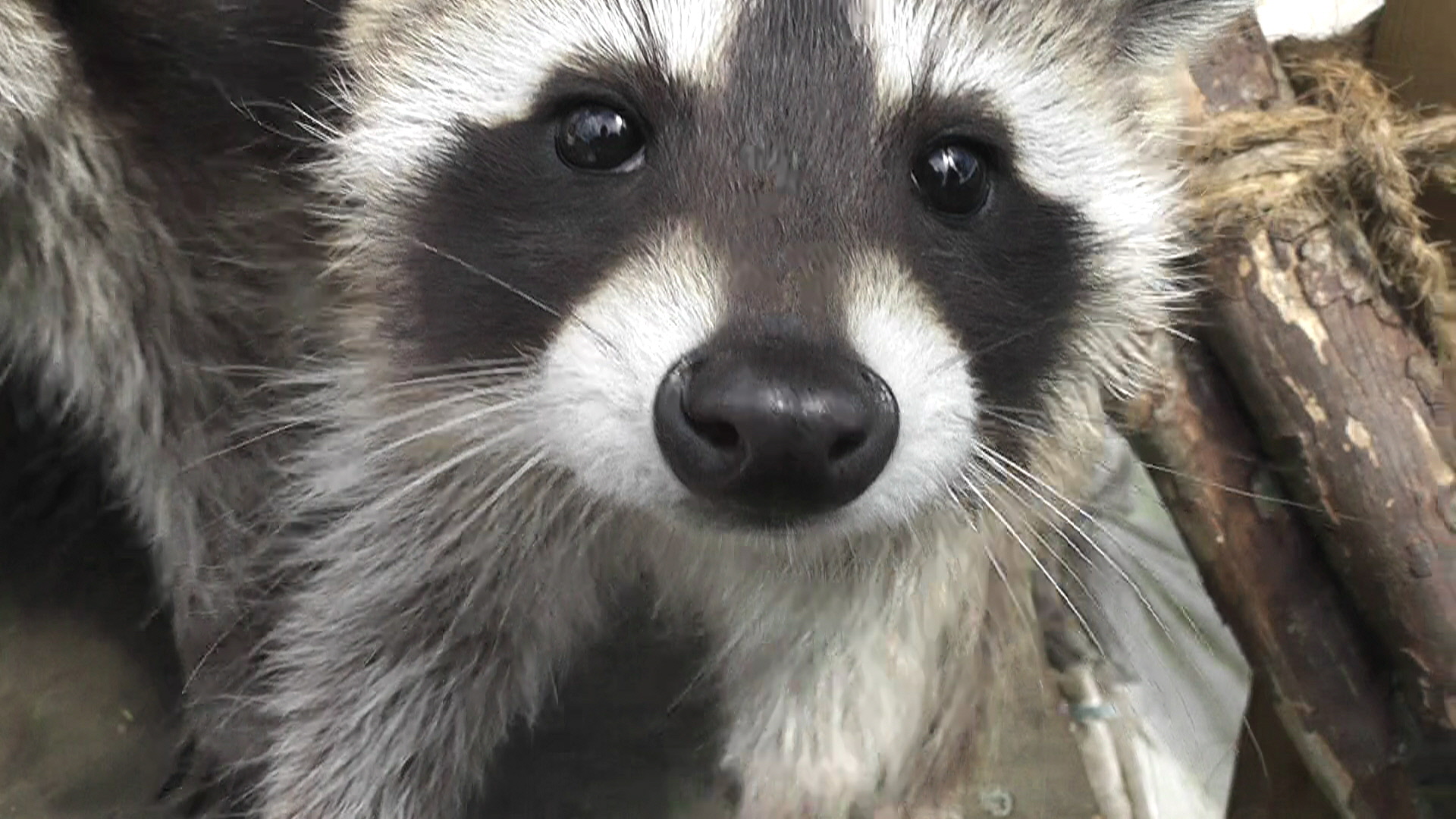
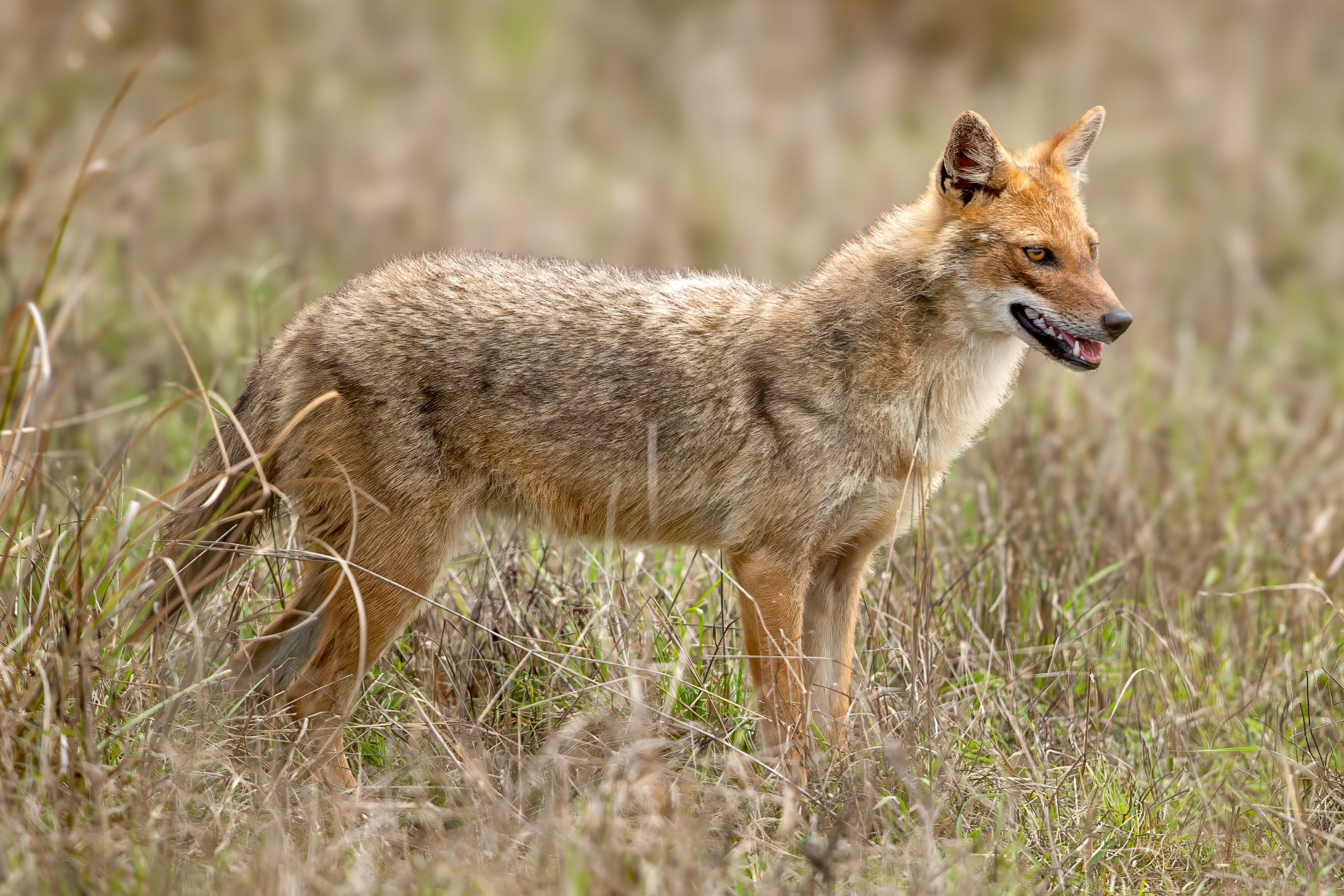
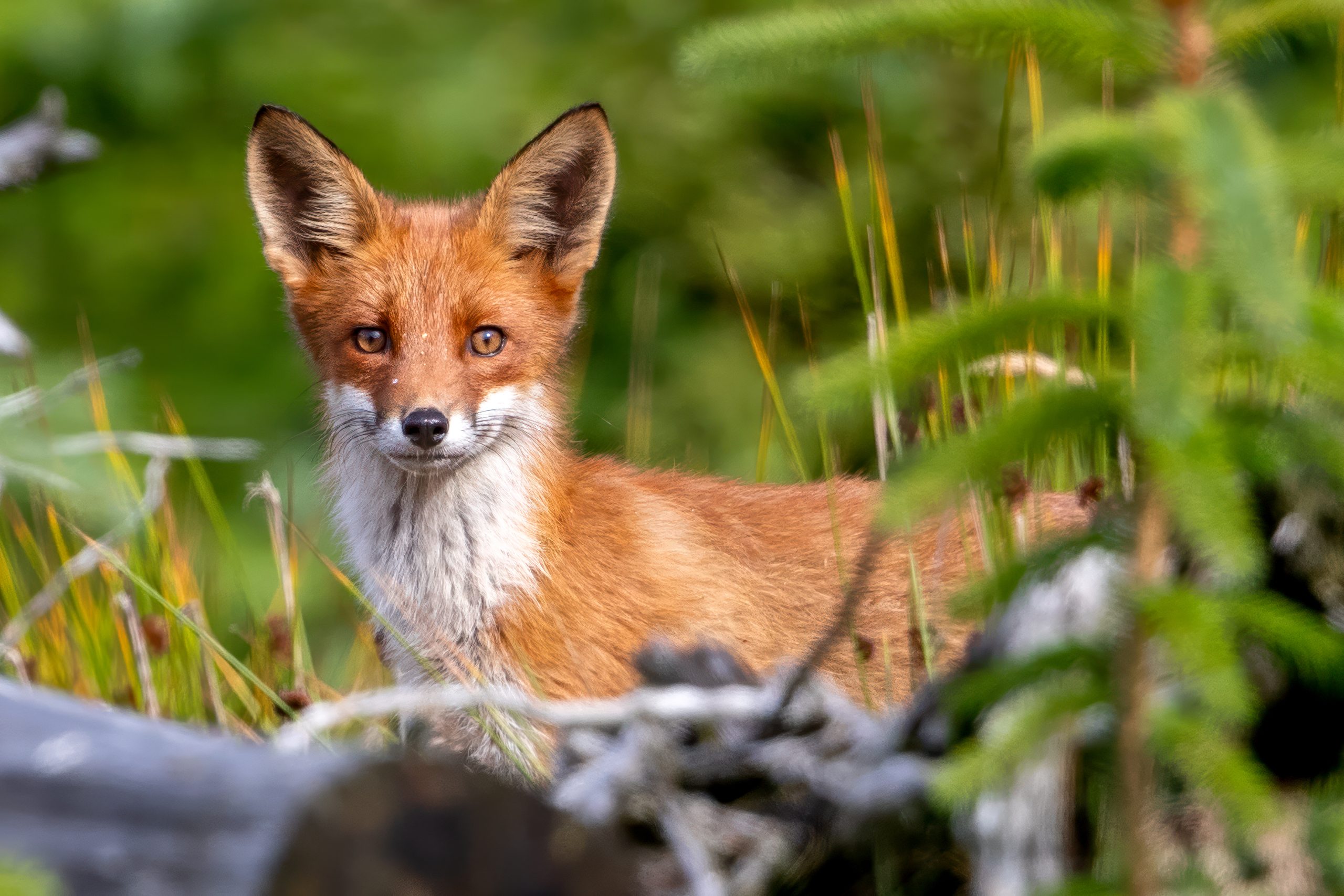
Molecular screening of 371 wild carnivores from six species in Hungary detected five parasitic nematodes of veterinary or zoonotic importance, according to a study published on 16 April 2026. Nematodes are roundworms. Among those detected, the mosquito-borne heartworm Dirofilaria immitis can cause serious cardiopulmonary disease, Angiostrongylus vasorum and Crenosoma vulpis affect the heart-lung or respiratory system of canids, and the eyeworm Thelazia callipaeda is zoonotic and can infect the eyes of mammals, including humans. The survey included red foxes (Vulpes vulpes), European badgers (Meles meles), golden jackals (Canis aureus), raccoons (Procyon lotor), raccoon dogs (Nyctereutes procyonoides) and beech martens (Martes foina).
The researchers used molecular markers to screen blood and tissue samples collected through a nationwide collaboration with hunters. A positive molecular result shows that genetic material from the parasite was present in the sampled host, but does not by itself show how severely the animal was affected. They detected heartworm (Dirofilaria immitis), fox lungworm (Crenosoma vulpis), French heartworm (Angiostrongylus vasorum), the oriental eyeworm (Thelazia callipaeda) and Spirocerca lupi.
Badgers and red foxes had the highest overall prevalence
At least one nematode was detected in 32.0% of the 25 badgers, 15.7% of the 198 red foxes and 13.2% of the 38 raccoons. Among 77 golden jackals, one animal was positive, corresponding to an overall prevalence of 1.3%. One of 27 raccoon dogs was infected, while none of the six beech martens tested positive.
The parasite assemblage differed among hosts. A. vasorum was the most frequently detected nematode and occurred in 15 red foxes. C. vulpis was found in foxes, badgers and raccoons, while S. lupi was detected in one red fox.
Heartworm occurred in four host species
D. immitis was detected in red foxes, badgers, raccoons and one golden jackal. Prevalence was 8.0% in badgers, 5.3% in raccoons, 4.0% in red foxes and 1.3% in golden jackals. The study reports the first confirmed heartworm infections in Hungarian badgers and invasive raccoons. One of the two positive raccoon samples dated from 2002, five years before the first reported autochthonous heartworm infection in a domestic dog in Hungary. Because raccoons were still being imported and kept as pets in Europe at the time, the authors caution that this individual may have been imported rather than infected locally.
The eyeworm T. callipaeda was found in red foxes and one raccoon dog. The authors describe the raccoon-dog finding as the first record of this zoonotic eyeworm in an invasive host in Hungary. They also note that the occurrence of C. vulpis in raccoons shows that introduced carnivores can carry parasites that circulate naturally among European wildlife.
The authors conclude that both native and invasive carnivores can participate in parasite networks of veterinary and public-health relevance. In particular, the relatively high prevalence in invasive raccoons and the low apparent host specificity of heartworm and C. vulpis suggest that introduced species can become additional hosts after entering new ecosystems.
The study therefore calls for continued surveillance across wild carnivore communities rather than monitoring individual host species in isolation.
Disease, parasites & microbiology
Related news
Similar Mammal Diversity, Different Activity Patterns in Grazed and Ungrazed Areas
Camera traps in four northern Israeli reserves found similar numbers of mammal species with and without livestock grazing.…
Read story →
Bartonella Was Detected in 24.9% of Golden Jackals Sampled Across Israel
A survey of 454 golden jackals across Israel detected Bartonella DNA in 113 animals, while four Bartonella species…
Read story →
Common Voles and European Wood Mice Contacted Fox and Jackal Scat Most Often in Autumn and Winter
Camera traps in Hungary recorded six rodent taxa around red fox and golden jackal scat, with common voles…
Read story →SPECIES IN THIS STORY
Species in this story
Independent research and conservation news archive
Did you find this information useful?
Wildlife Vagabond is independently built and maintained. Voluntary support helps cover source verification, hosting and continued work on research and conservation news.
Support Wildlife VagabondThe news archive will remain freely available.