
Thinning Reduced Nestling Performance in Eurasian Blue Tits and Great Tits While Clear-cuts Lowered Willow Tit Recruitment
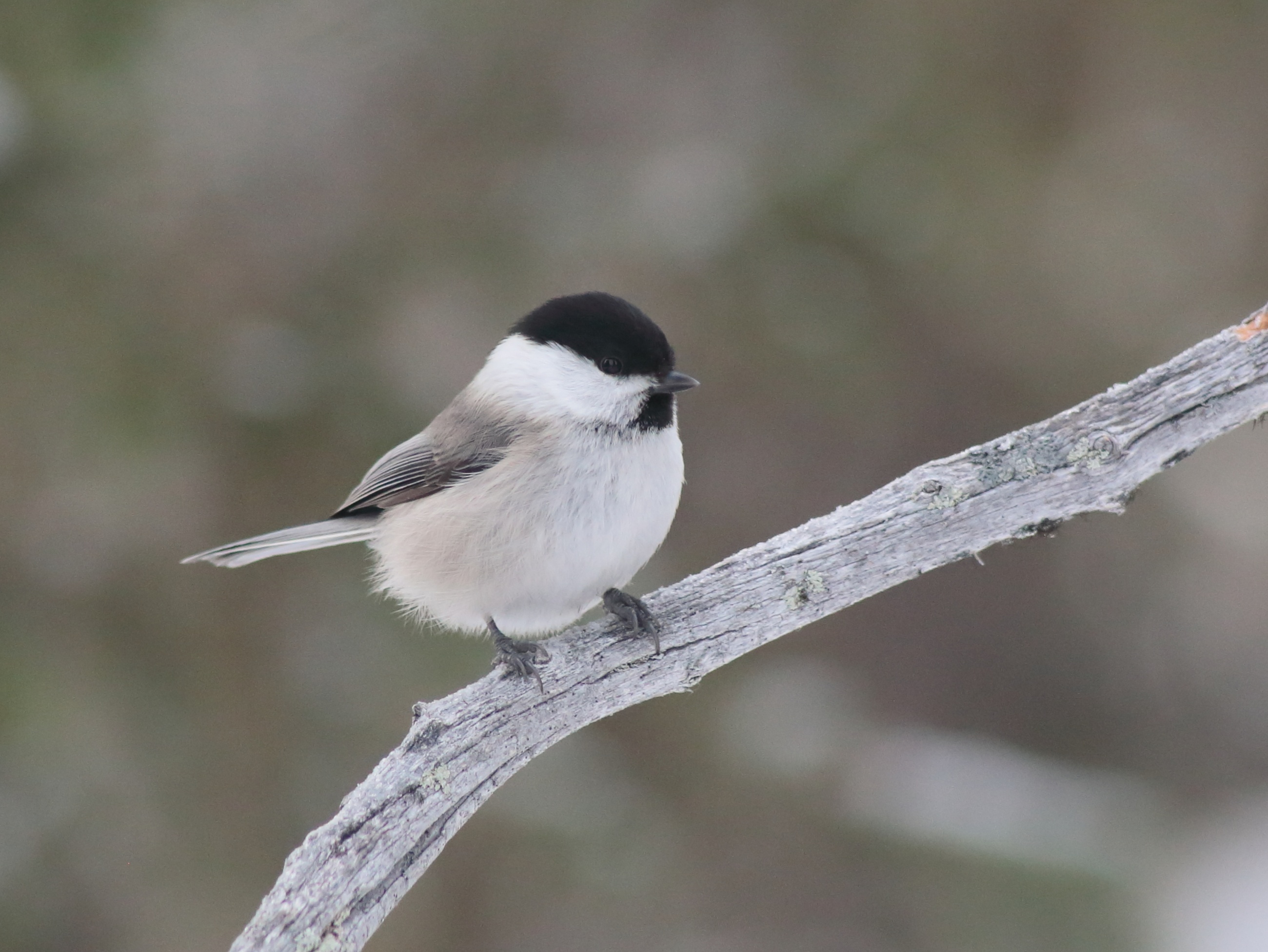
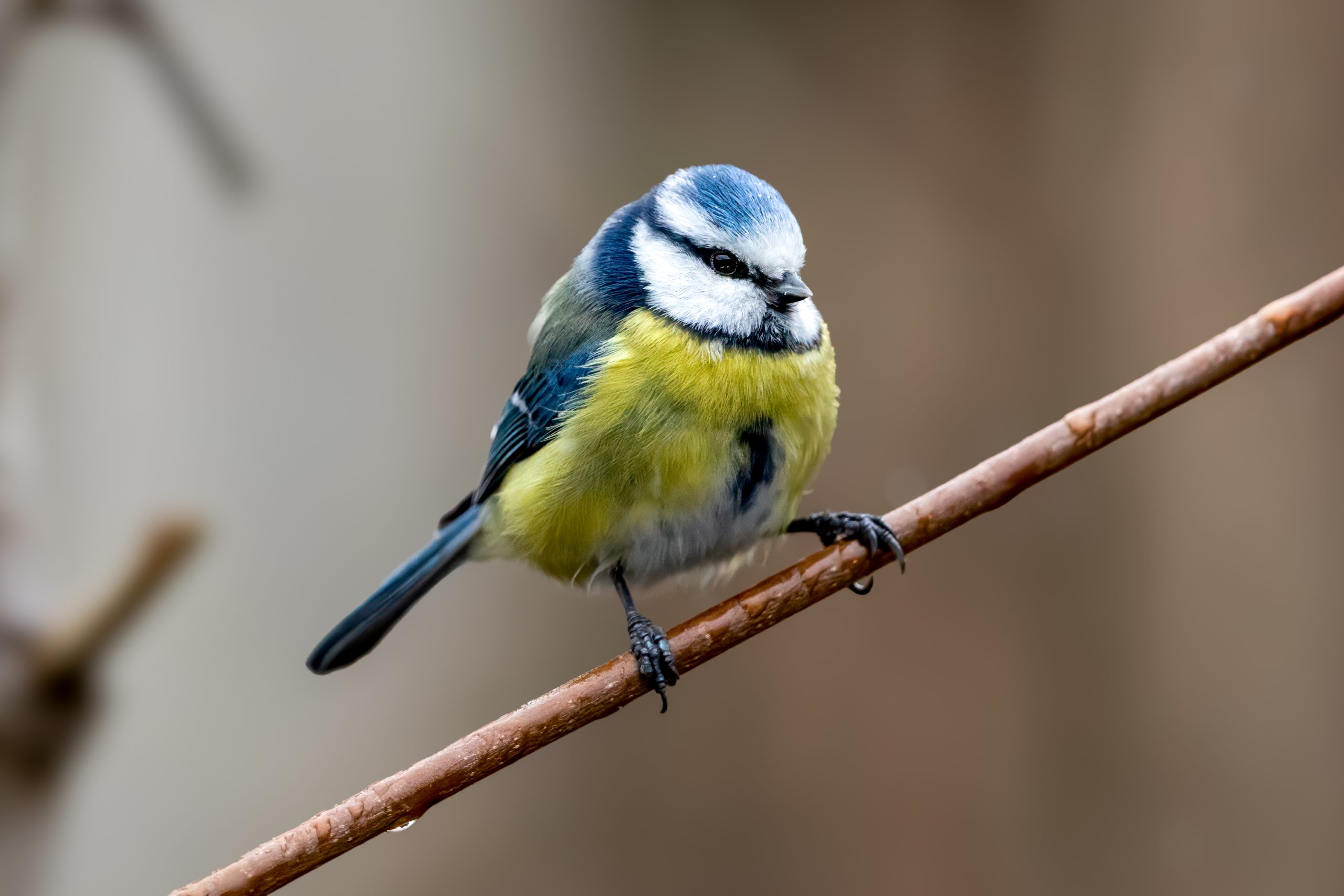
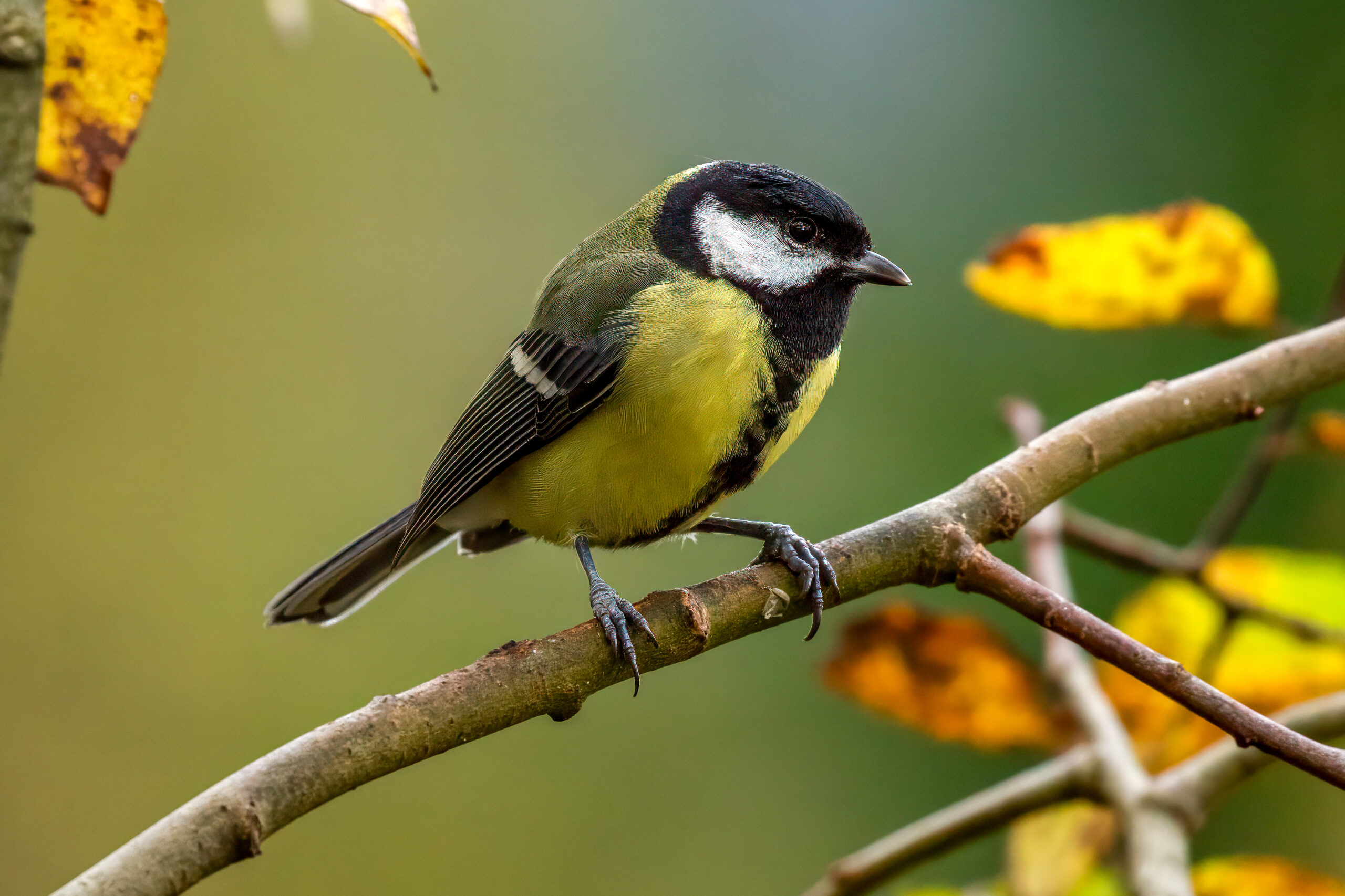
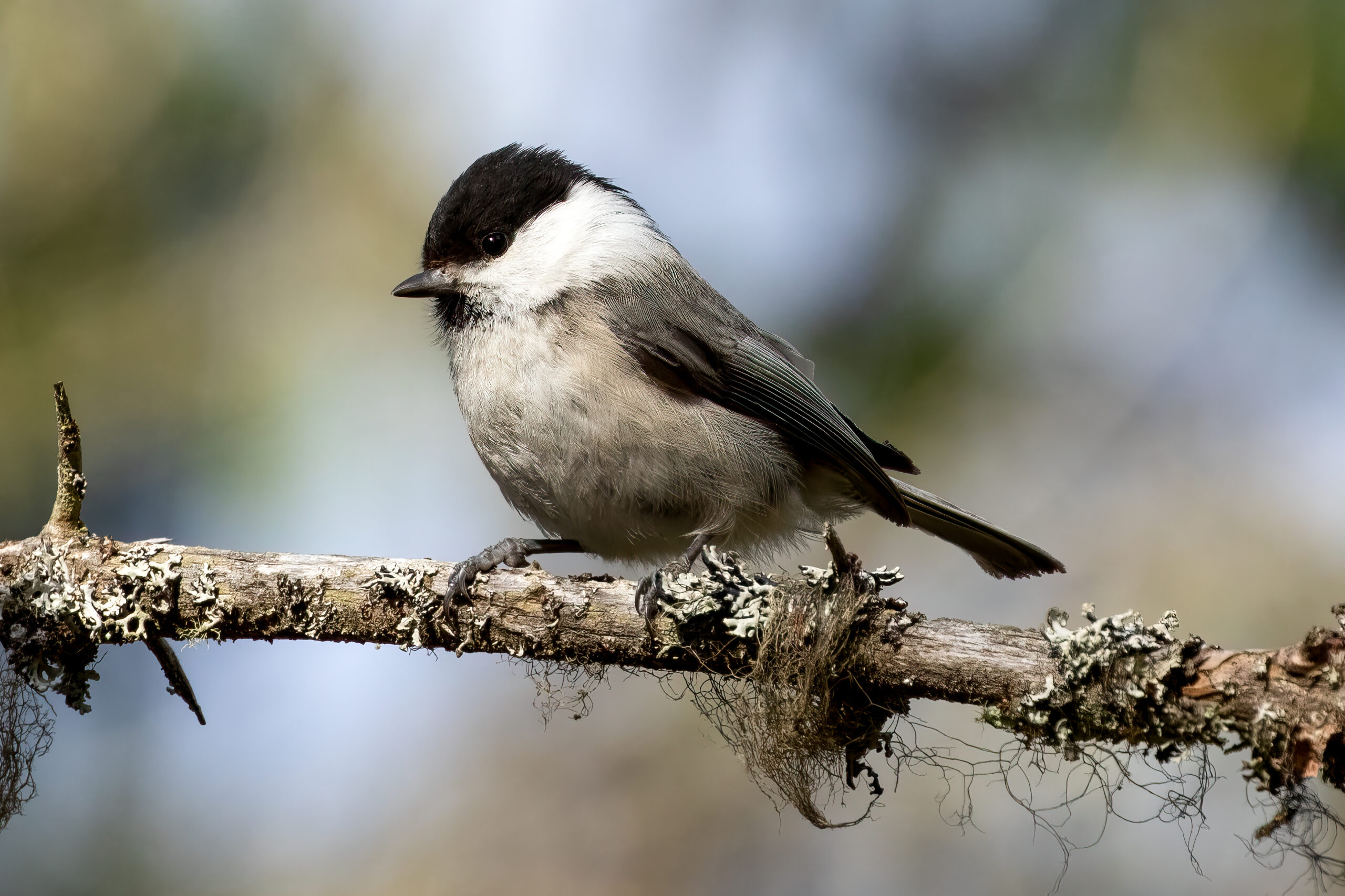
Long-term breeding data from northern Finland show that forest management was associated with different reproductive responses in Eurasian blue tits (Cyanistes caeruleus), great tits (Parus major) and willow tits (Poecile montanus). The study, first published on 24 February 2026, combined breeding records from the Oulu region with spatial data on thinning and clear-cutting.
The researchers analysed several parts of reproduction, including clutch size, nestling body mass and wing length, survival to fledging and whether fledged young later returned to breed locally. The long-term data covered 1990–2020 for willow tits and 1998–2020 for great and Eurasian blue tits. Forest management showed no significant effect on clutch size, but several later stages of reproduction were associated with forestry.
Thinning was negative for Eurasian blue tit and great tit nestlings
Greater exposure to thinning was associated with lower nestling survival and poorer growth in both Eurasian blue tits and great tits. Clear-cutting was also negatively related to Eurasian blue tit nestling growth. The authors suggest that these patterns may reflect changes in food availability because thinning removes deciduous trees and undergrowth that support foliage-eating caterpillars used as nestling food.
The picture for young Eurasian blue tits after fledging was more mixed. Local recruitment was higher where the proportion of clear-cuts up to ten years old increased around the nest, but lower where recently thinned forest was more extensive.
Clear-cuts brought short-term benefits but lower recruitment for willow tits
Willow tit nestlings showed higher survival and growth in relation to some recent clear-cuts. The researchers suggest that early successional vegetation developing after cutting can temporarily increase food resources for nestlings.
However, this did not translate into a positive overall effect for the species. A greater proportion of clear-cut forest within 500 metres of the nest was associated with lower probability that fledged willow tits later recruited into the local breeding population. The authors note that forestry also reduces old and decaying trees needed for nest sites and alters winter habitat, both of which are important for this declining boreal species.
The three closely related species did not respond to forestry in the same way, and even within one species the effects differed between nestling growth, survival and later recruitment. The authors conclude that some short-term benefits after cutting are not enough to offset the established loss of suitable breeding and wintering habitat for willow tits. They point to longer forest rotations, continuous-cover forestry and mixed-species forests as approaches that could increase suitable habitat.
Reproduction & development
Related news
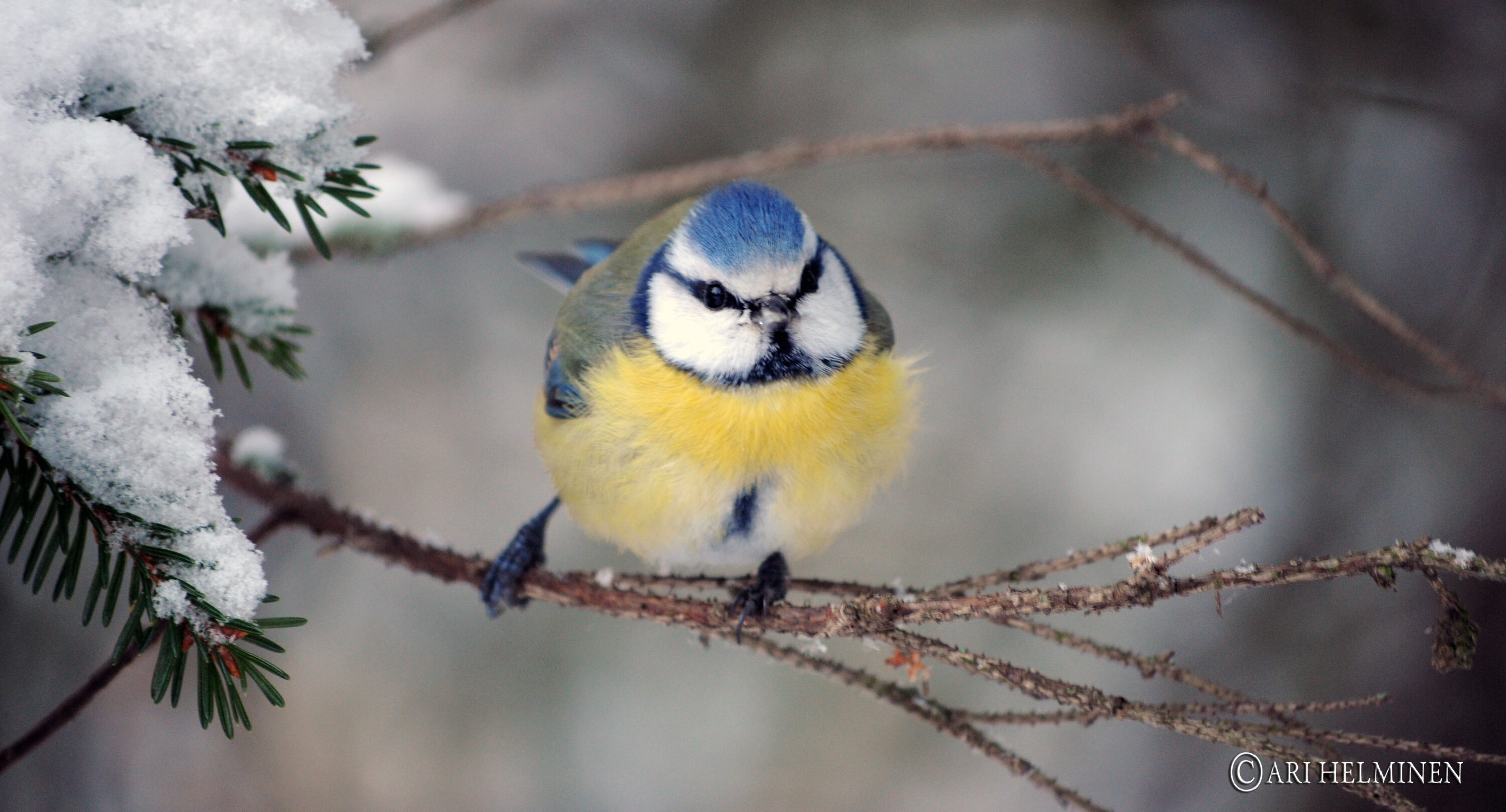
Mean Eurasian Blue Tit Winter Count Rose Fourfold in Finnish Urban Survey Plots
Across 31 Finnish settlements, mean Eurasian blue tit counts rose from 2.8 birds per standardised urban plot in…
Read story →
Urban Bird Diversity Was More Strongly Linked to Forest Structure Than the Surrounding City
Across 12 urban forests in three Italian cities, researchers recorded 2,035 birds from 52 species. Local forest structure…
Read story →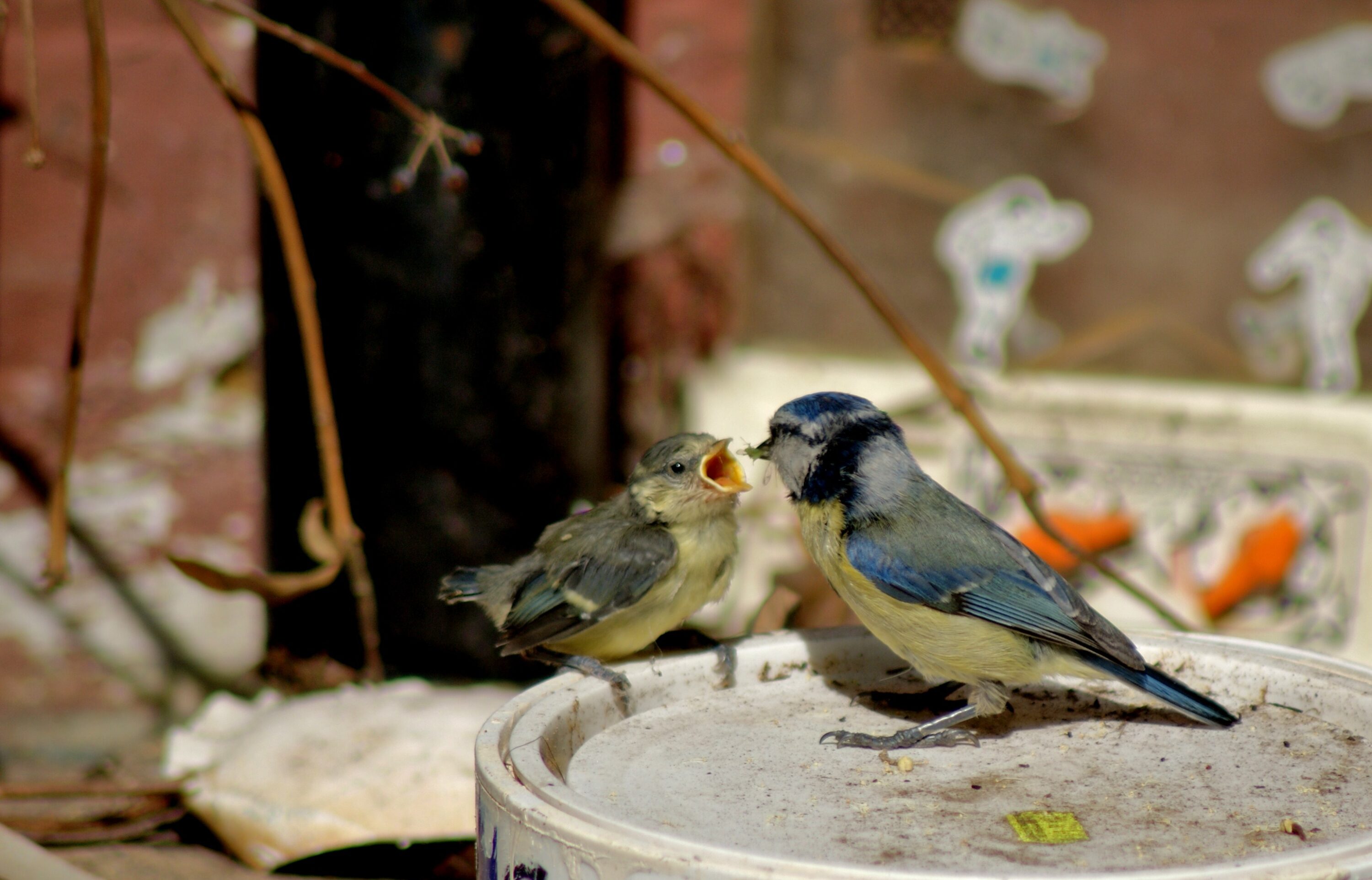
Record May Heatwave Reduced Breeding Success and Nestling Mass in Great Tits and Eurasian Blue Tits
Compared with equivalent parts of the breeding season in 1978–2025, fledgling number declined by 4.5 nestlings in 2026…
Read story →SPECIES IN THIS STORY
Species in this story
Independent research and conservation news archive
Did you find this information useful?
Wildlife Vagabond is independently built and maintained. Voluntary support helps cover source verification, hosting and continued work on research and conservation news.
Support Wildlife VagabondThe news archive will remain freely available.