
Giraffes Responded More Strongly to Lion Calls Than Oxpecker Alarms
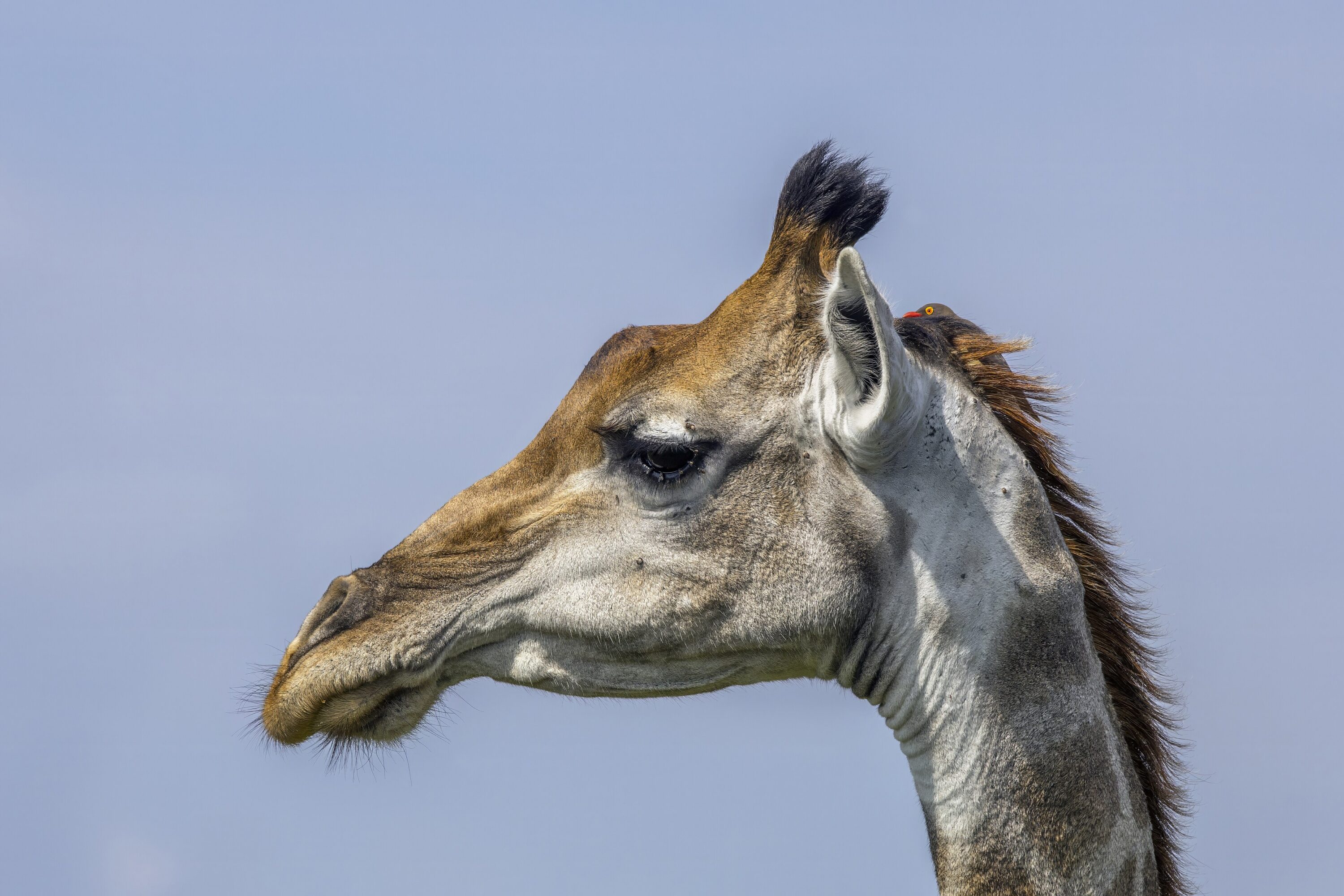
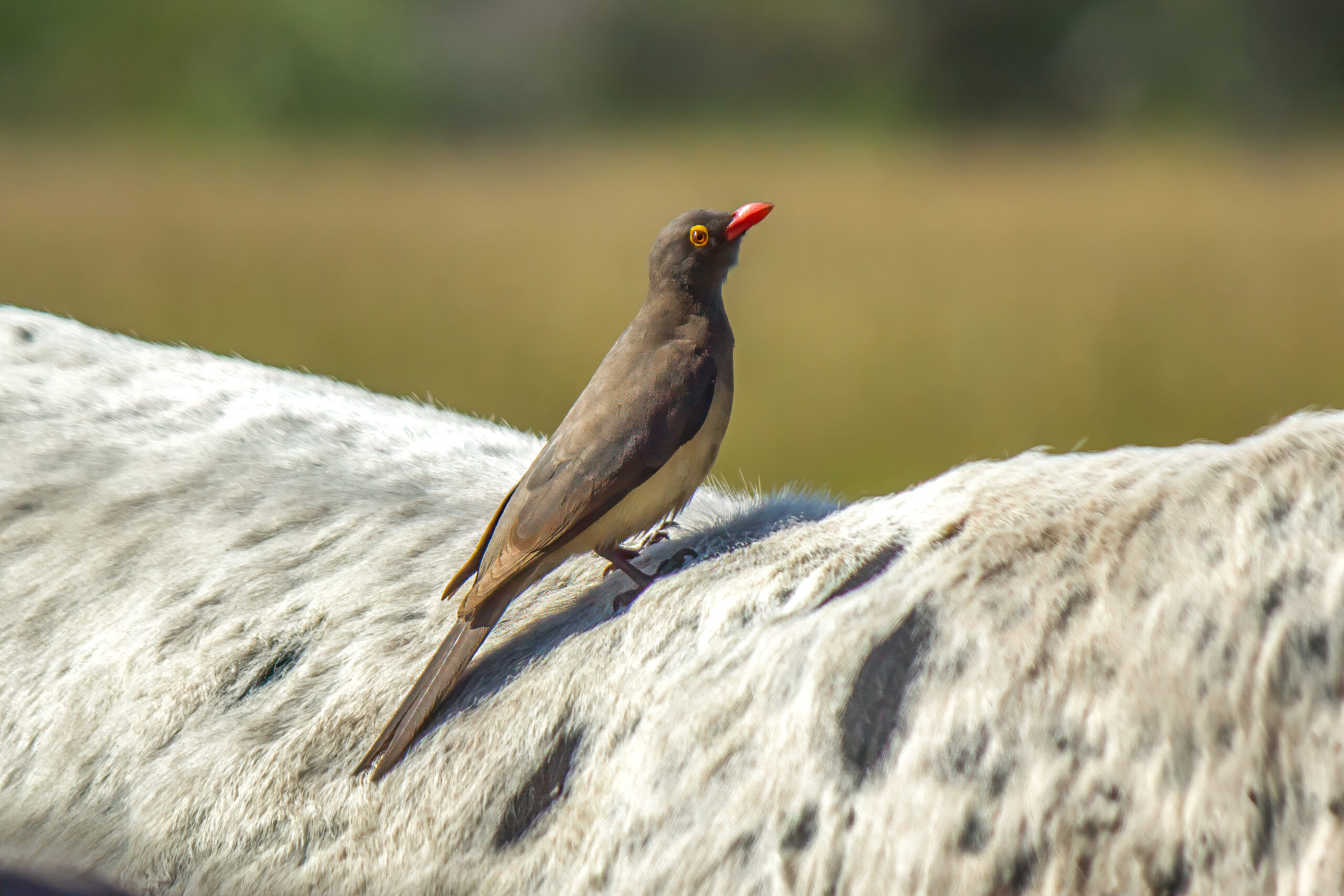
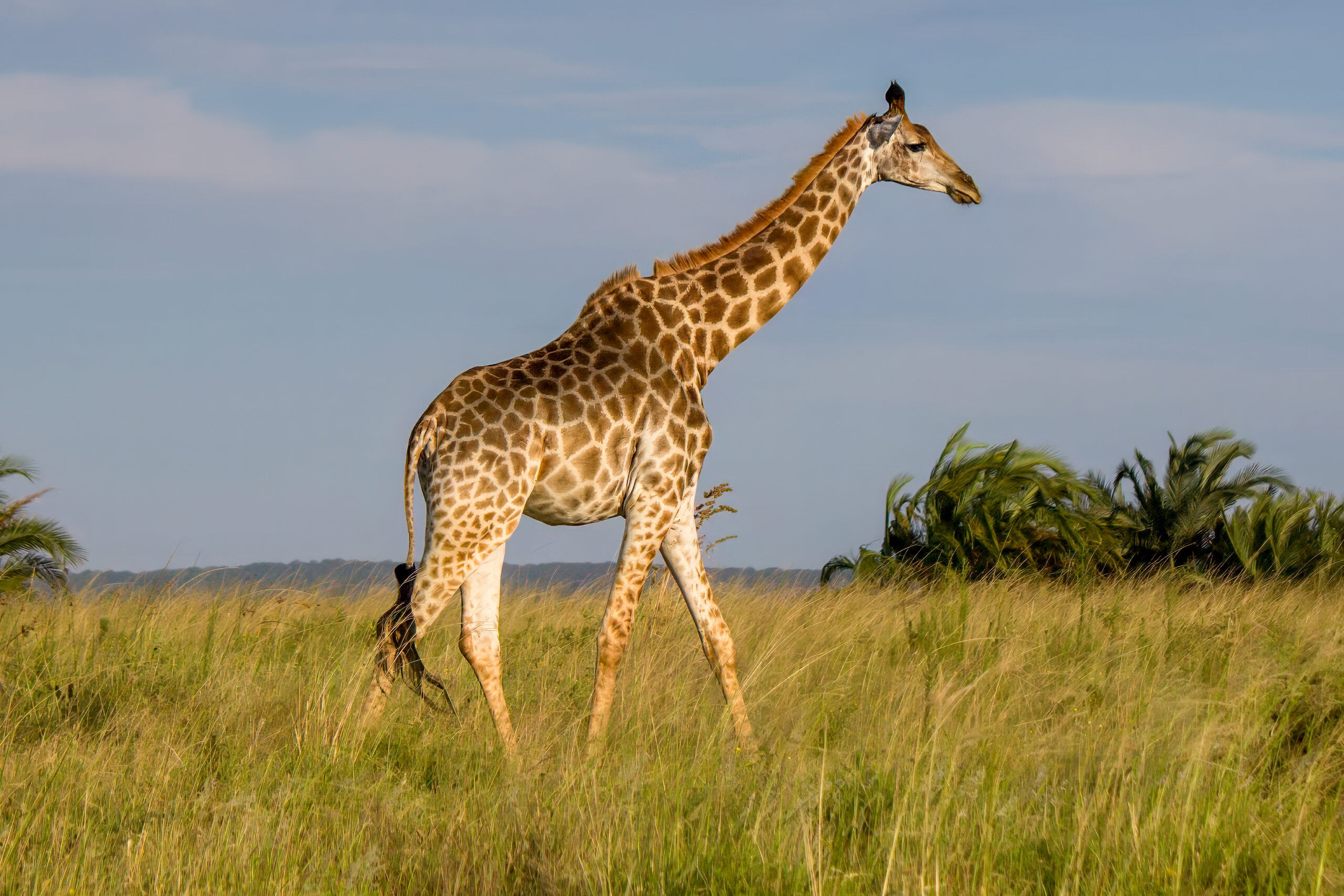
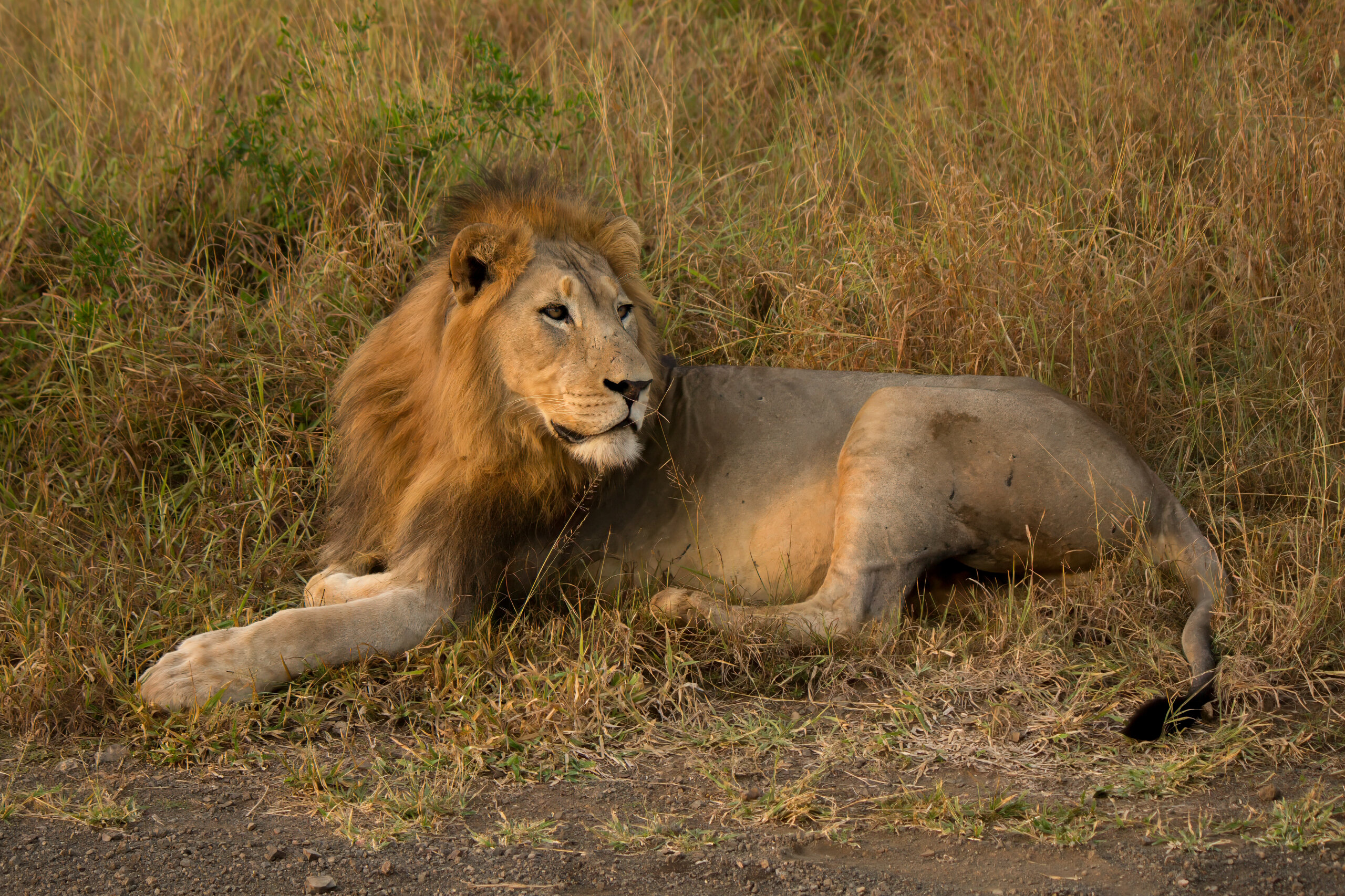
Playback experiments with 35 free-ranging adult southern giraffes (Giraffa giraffa) showed that the animals responded to both lion (Panthera leo) vocalisations and alarm calls from red-billed oxpeckers (Buphagus erythrorhynchus), but lion calls consistently produced stronger vigilance. The study was published on 20 August 2026 in Behavioral Ecology.
Fieldwork took place from July to September 2024 at Lapalala Wilderness in Limpopo, South Africa. The researchers tested 19 males and 16 females to examine how giraffes weigh different sources of information about danger. Lion vocalisations represented a direct predator-associated cue, while oxpecker alarm calls provided an indirect warning from another species. The two sounds were presented in different orders within sequential playback trials, with ring-necked dove calls used as a non-alarm control.
Lion Calls Triggered the Strongest Response
Giraffes showed clearly stronger vigilance responses to both lion and oxpecker calls than to the control calls. Lion vocalisations nevertheless produced the strongest response regardless of whether they were played first or later in a sequence. Giraffes also rapidly interrupted feeding after both lion and oxpecker playbacks, but the oxpecker responses were generally weaker and more variable.
The order of the sounds had comparatively little influence on the overall pattern. Previous exposure to one playback did not erase the distinction between the two risk cues: giraffes continued to respond more strongly to lion vocalisations than to oxpecker alarms. The author interprets this as evidence that giraffes give greater behavioural weight to direct predator-associated information than to indirect alarm information from another species.
Females Were More Vigilant Overall
Females generally showed stronger vigilance than males across the playback conditions. However, the study found no support for males and females ranking the different sounds differently: both sexes showed the same broad pattern, even though females tended to respond more strongly overall.
The results build on earlier work showing that giraffes can use oxpecker alarm calls as information about danger. The new experiments show that these warnings are not treated as equivalent to direct predator-associated vocalisations: giraffes respond to both sources of information but distinguish between them when deciding how strongly to react.
Behaviour
Related news
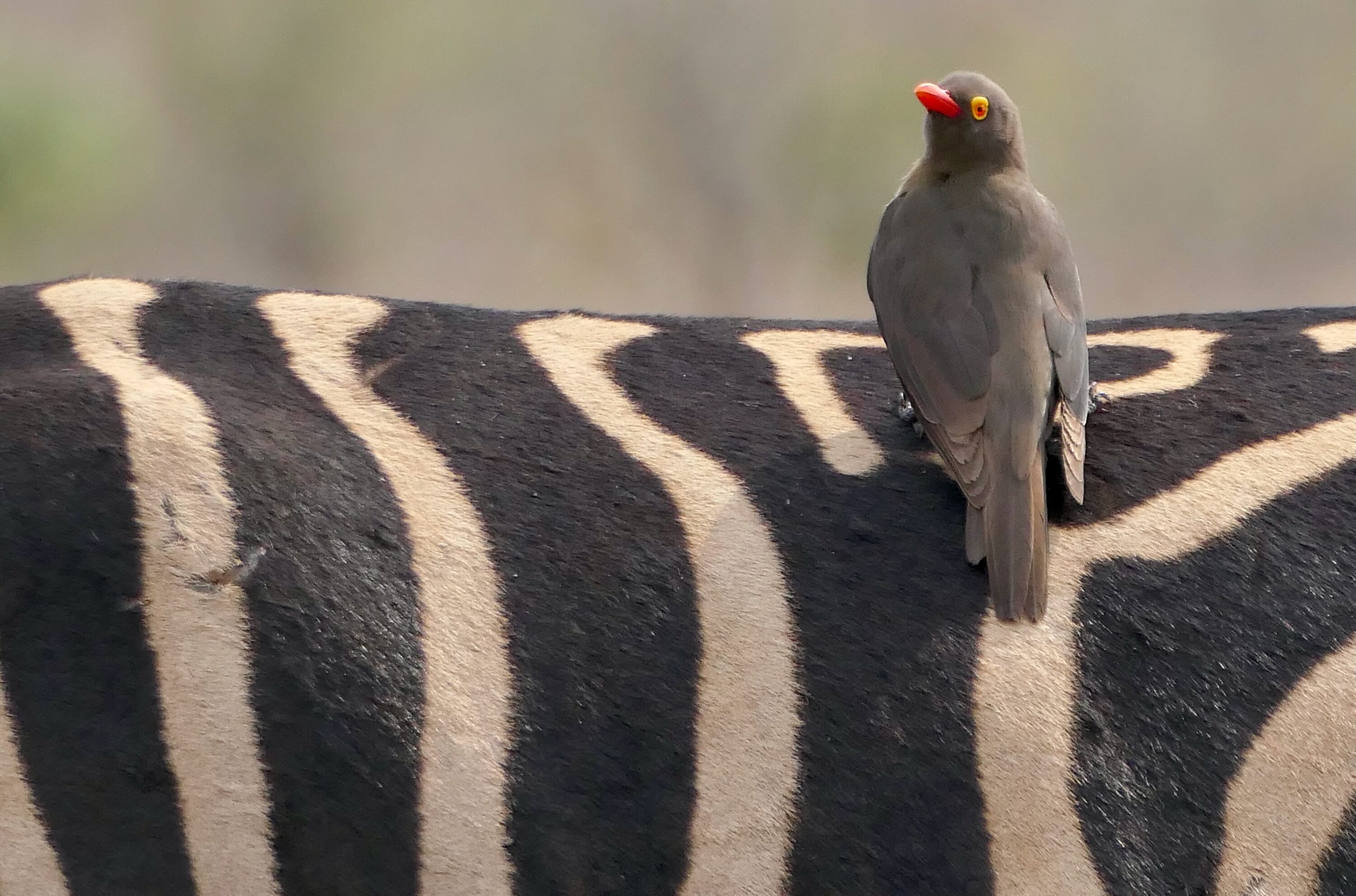
Oxpecker Foraging and Host Responses Varied Across Mammals in Salambala
At Salambala Conservancy in Namibia, red- and yellow-billed oxpeckers changed their feeding behaviour and body-site use among African…
Read story →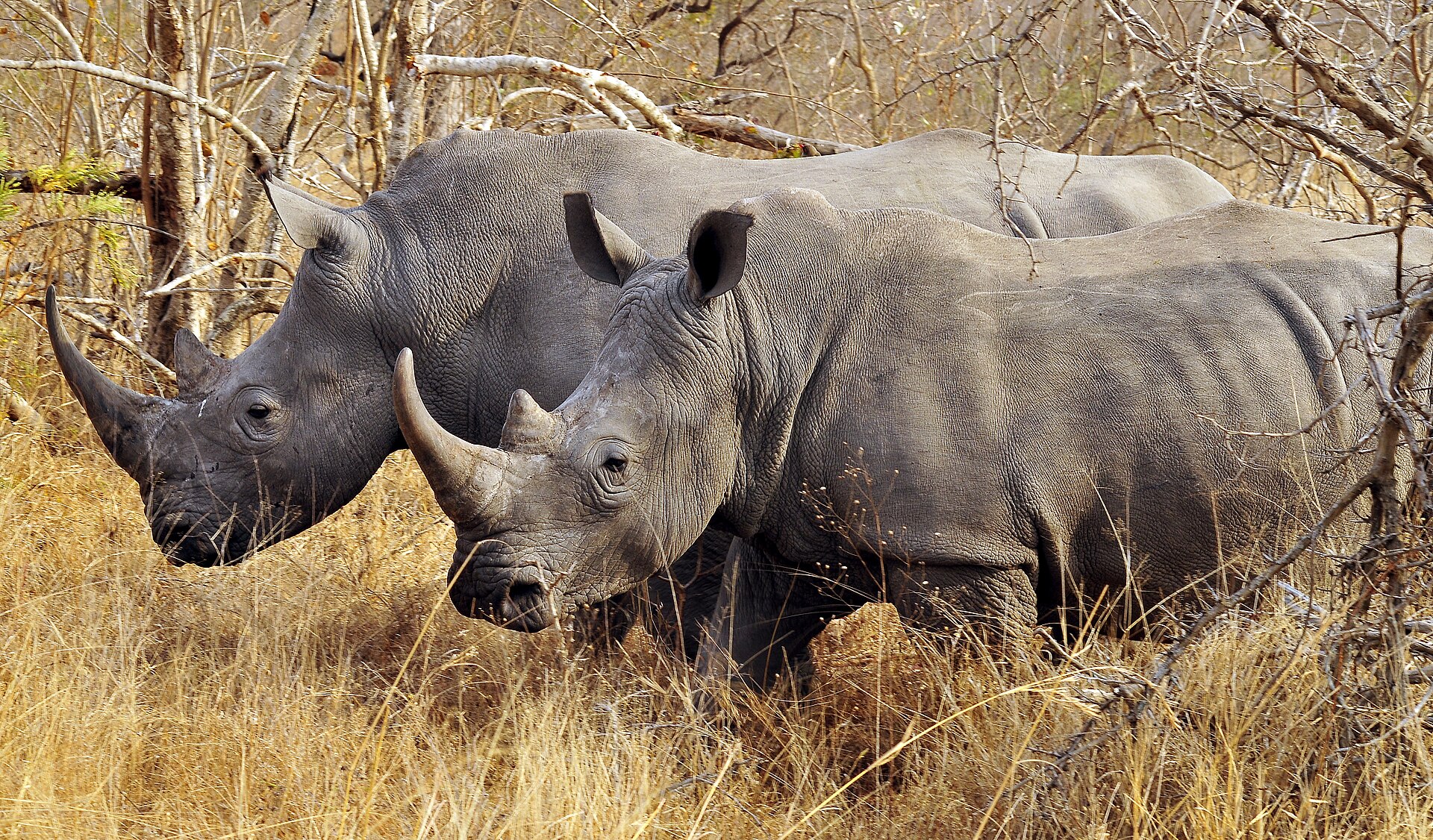
Giraffe and White Rhino Blood Samples Differed in 28 Metabolites
Blood samples from southern giraffes and white rhinoceroses differed in 28 metabolites across repeated statistical checks. Branched-chain amino…
Read story →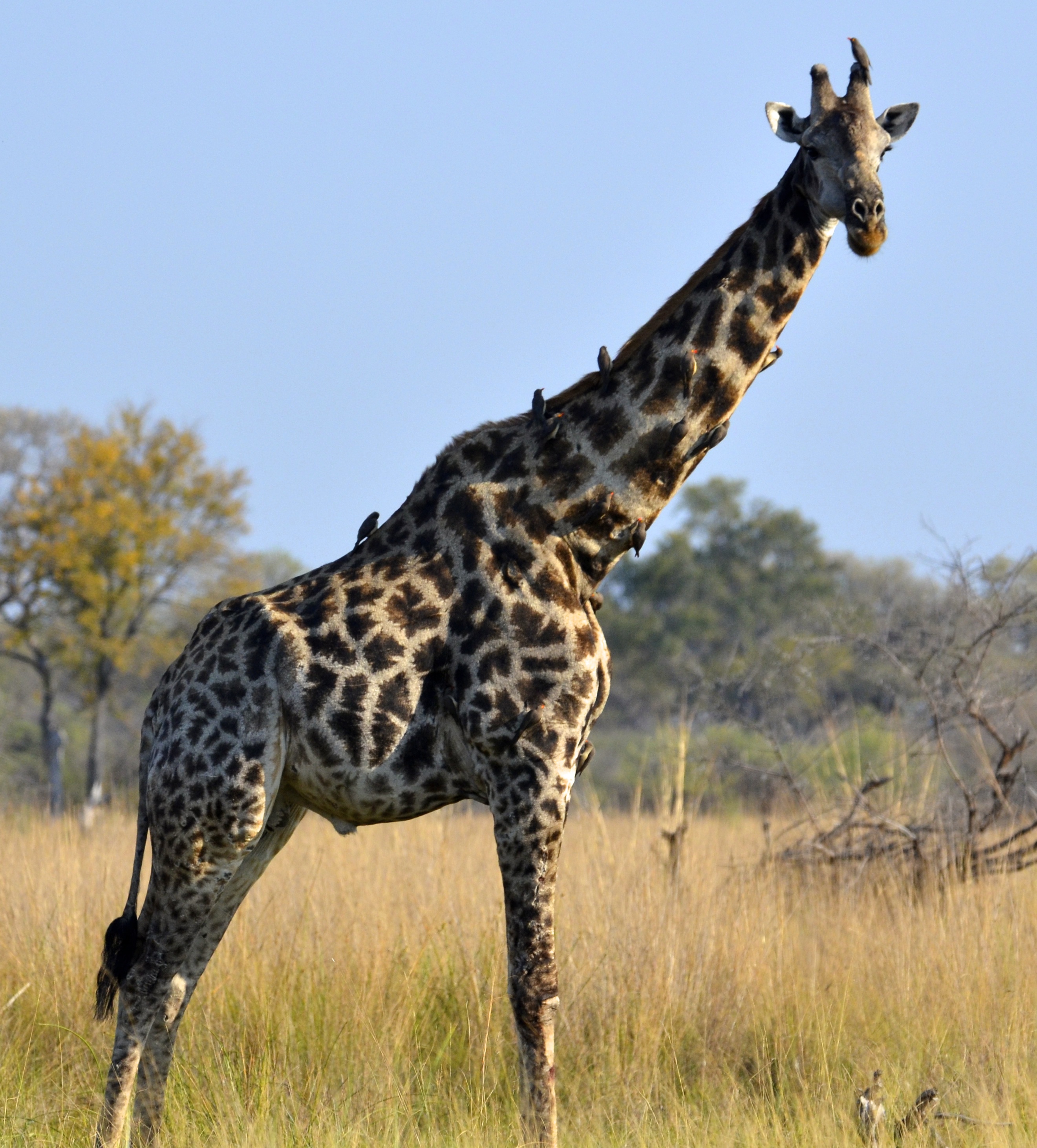
Organic Acids Fell as Amino Acids Rose in Giraffe Milk Late in Lactation
Milk from five giraffes in South Africa shifted chemically between about 9.4 and 15.1 months of lactation: Krebs-cycle…
Read story →SPECIES IN THIS STORY
Species in this story
Independent research and conservation news archive
Did you find this information useful?
Wildlife Vagabond is independently built and maintained. Voluntary support helps cover source verification, hosting and continued work on research and conservation news.
Support Wildlife VagabondThe news archive will remain freely available.