
Oxpecker Foraging and Host Responses Varied Across Mammals in Salambala
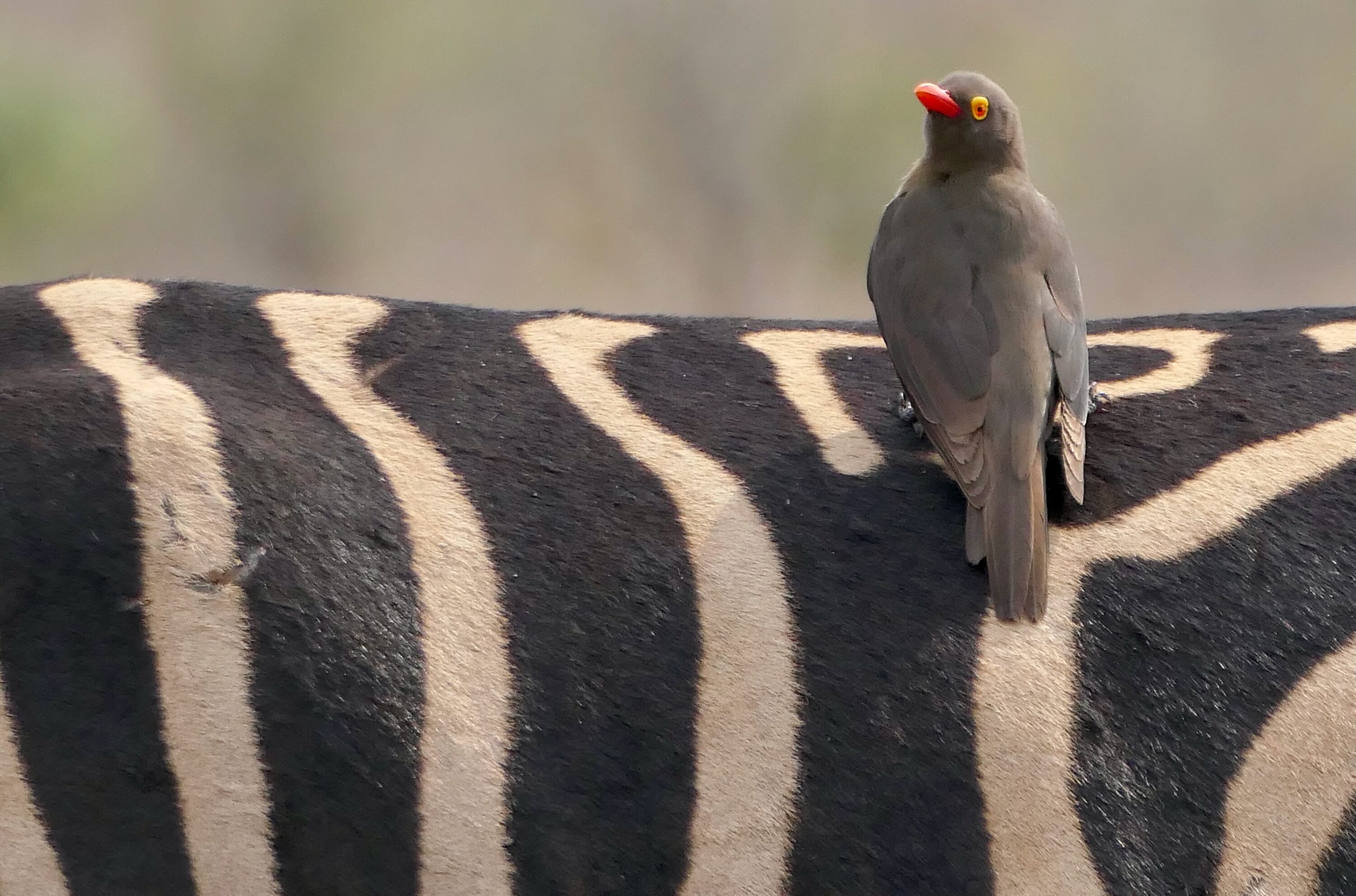
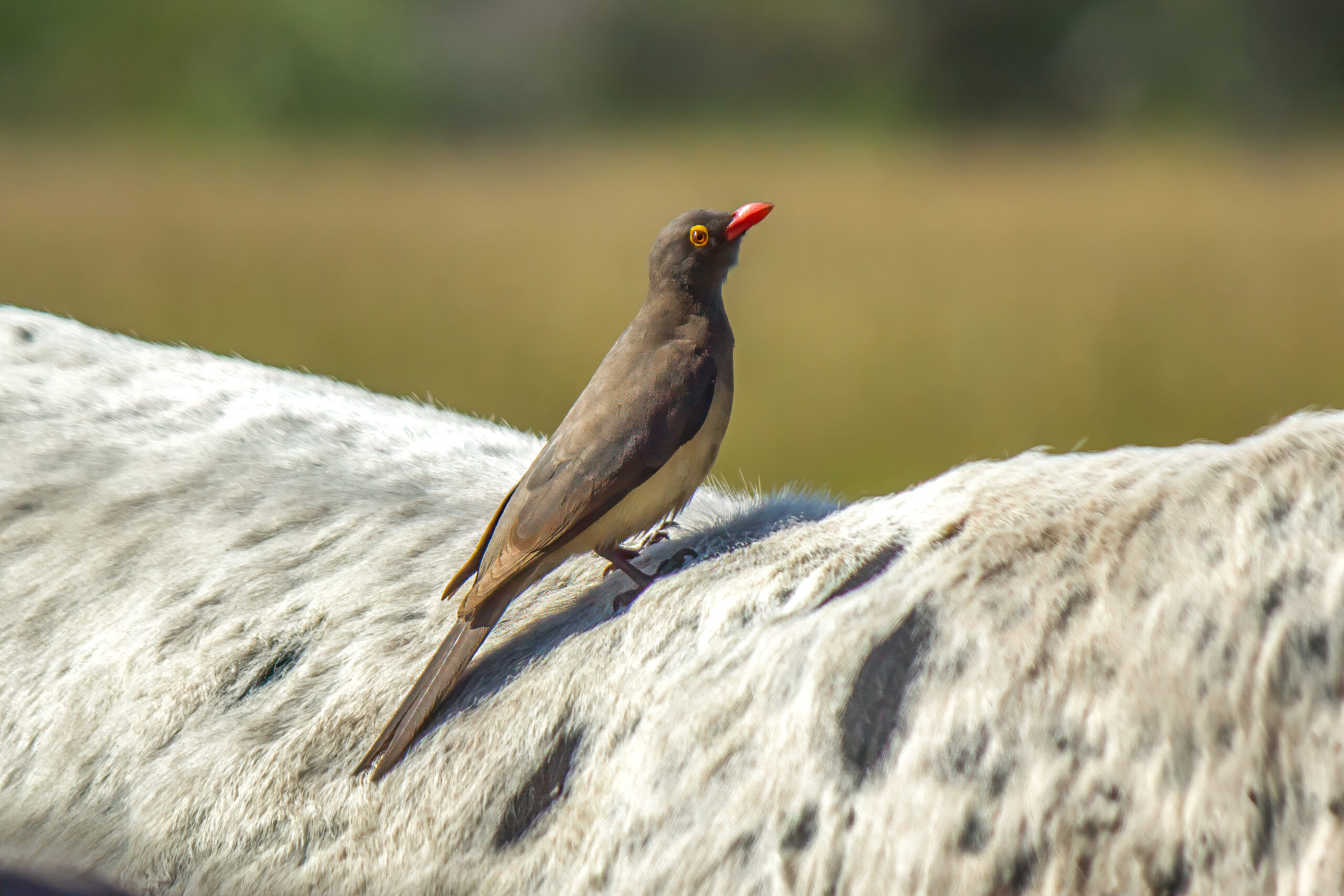
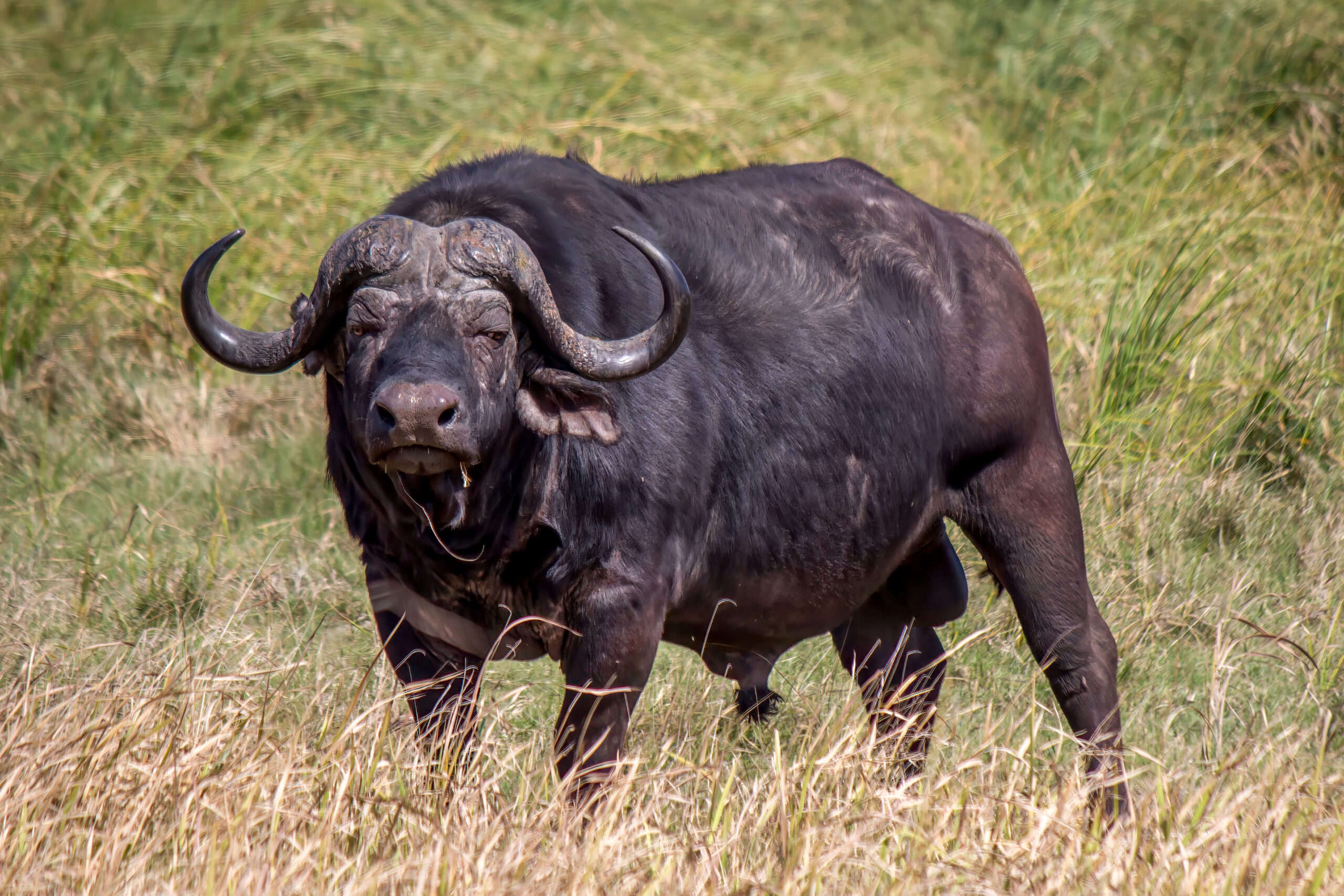
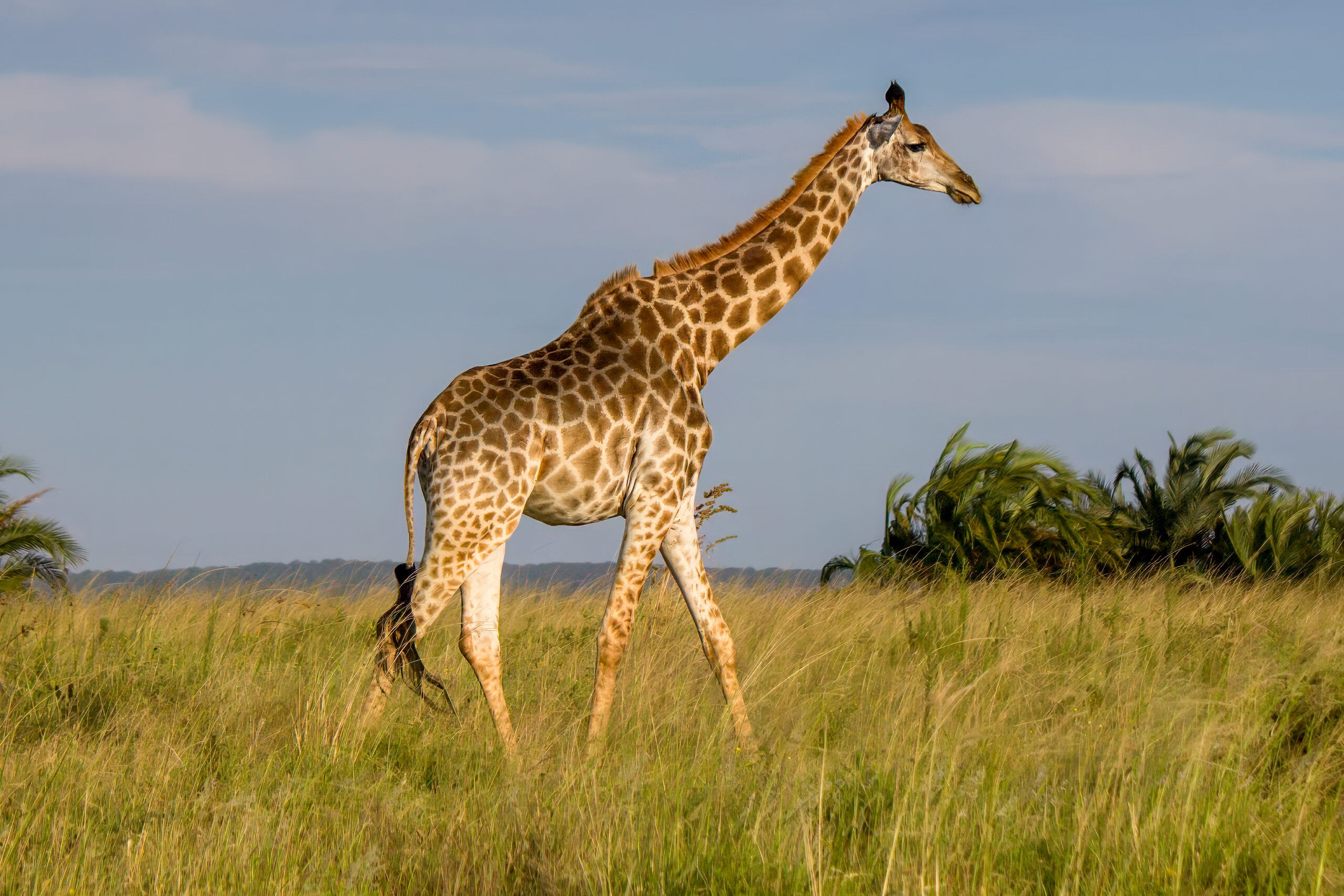
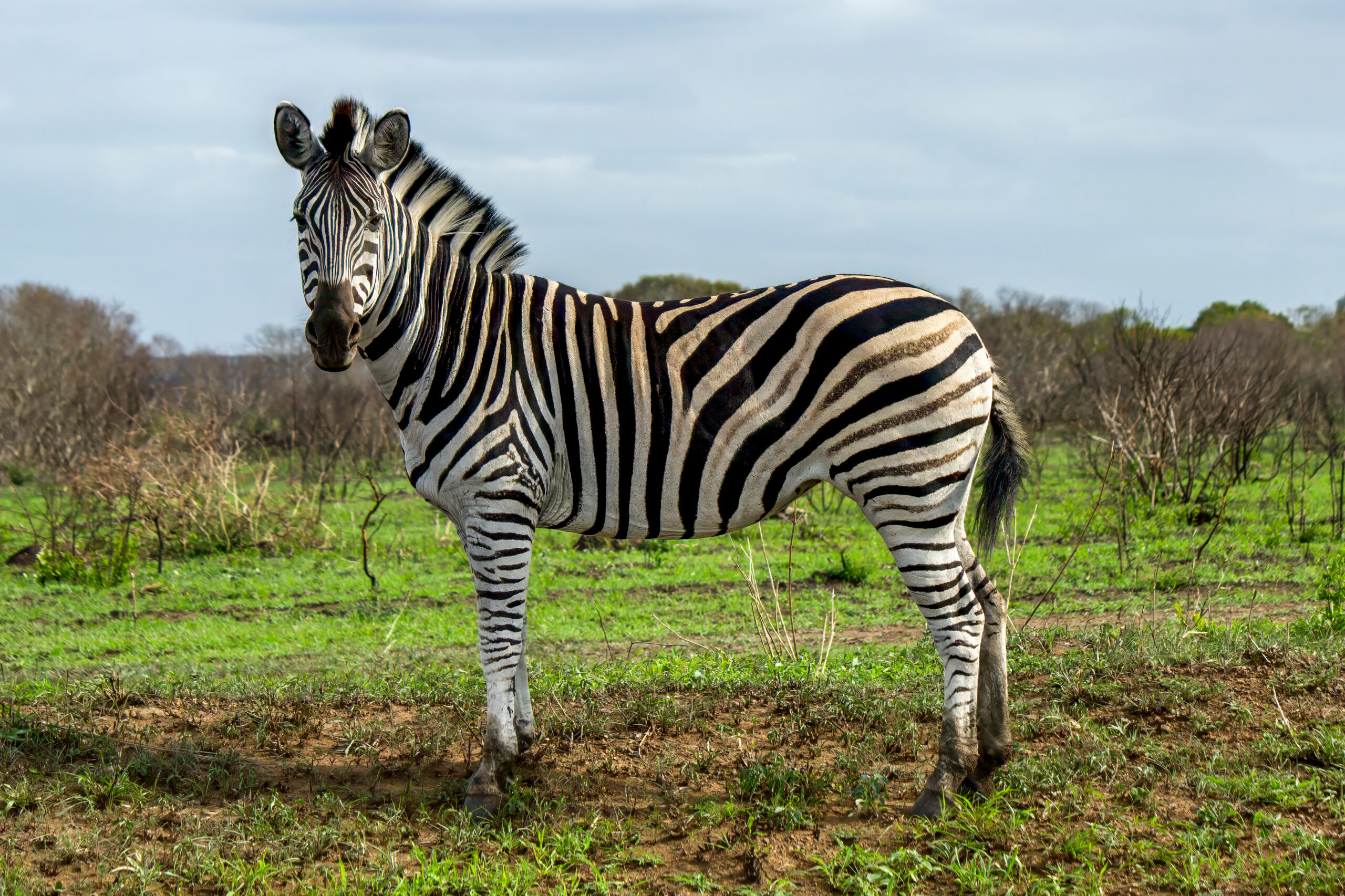
A dry-season field study at Salambala Conservancy in north-eastern Namibia examined how red-billed oxpeckers (Buphagus erythroryncha) and yellow-billed oxpeckers (Buphagus africanus) behaved on domestic and wild mammal hosts. The main comparisons involved African buffalo (Syncerus caffer), cattle (Bos taurus), southern giraffe (Giraffa giraffa) and plains zebra (Equus quagga).
Researchers observed more than 1,200 potential host animals from May to September 2023 and recorded what the birds were doing, how the hosts reacted and which parts of the body the oxpeckers used. Red-billed oxpeckers were recorded much more often than yellow-billed oxpeckers, so comparisons for the latter were necessarily more tentative.
Foraging behaviour changed with host species
Red-billed oxpeckers showed the most tick feeding on African buffalo and also fed on ticks on cattle. Giraffes supported more feeding on other resources, including earwax, mucus and saliva. On plains zebra, the birds were mostly recorded perching or preening rather than feeding.
Yellow-billed oxpeckers also varied their behaviour among hosts and relied strongly on buffalo for tick feeding, but the small and uneven sample makes these patterns less secure than those for red-billed oxpeckers.
Hosts differed in how much they tolerated the birds
Buffalo and giraffes were among the most tolerant hosts in the red-billed oxpecker observations, whereas cattle rejected the birds more often and zebra showed an intermediate pattern. Rejection included behaviours such as head shaking, skin or tail twitching and movements that displaced the bird.
Where oxpeckers positioned themselves also depended on the host. The back and head were commonly used on several mammals, while giraffes and buffalo also offered access to body regions that are difficult for the host to groom. The authors interpret these differences as the combined result of host morphology, accessibility of food resources and host tolerance.
The observations do not by themselves measure host preference
The study provides a dry-season baseline for oxpecker–host interactions in a landscape where livestock and wildlife occur together. Tick abundance, host health and wound preference were not measured systematically, so the observed patterns cannot by themselves show which hosts provide the greatest net benefit or whether the birds preferred particular mammals because of parasite loads.
The authors also caution that yellow-billed oxpecker observations were sparse and that the study covered only the dry season. The main result is therefore behavioural flexibility: oxpecker feeding, host reactions and body-site use all changed with the mammal species involved.
Behaviour
Related news
Giraffes Responded More Strongly to Lion Calls Than Oxpecker Alarms
Playback experiments with 35 free-ranging southern giraffes in South Africa found that lion vocalisations triggered stronger vigilance than…
Read story →
First Reported Giardia Detections in Four Wild Herbivore Species in Kenya
Molecular screening of wildlife and livestock in Laikipia produced the first reported Giardia detections in African buffalo, plains…
Read story →
Impala fGCM Levels Were 57% Higher on Dry-Season Weekends in Four-Species Tourism Study
At Somabula, impala fGCM levels were about 57% higher over dry-season weekends than weekdays, while the other three…
Read story →SPECIES IN THIS STORY
Species in this story
Independent research and conservation news archive
Did you find this information useful?
Wildlife Vagabond is independently built and maintained. Voluntary support helps cover source verification, hosting and continued work on research and conservation news.
Support Wildlife VagabondThe news archive will remain freely available.