
Previous H5 Exposure Was Far More Common in Arctic Eider Females in 2023–24 Than in 2019
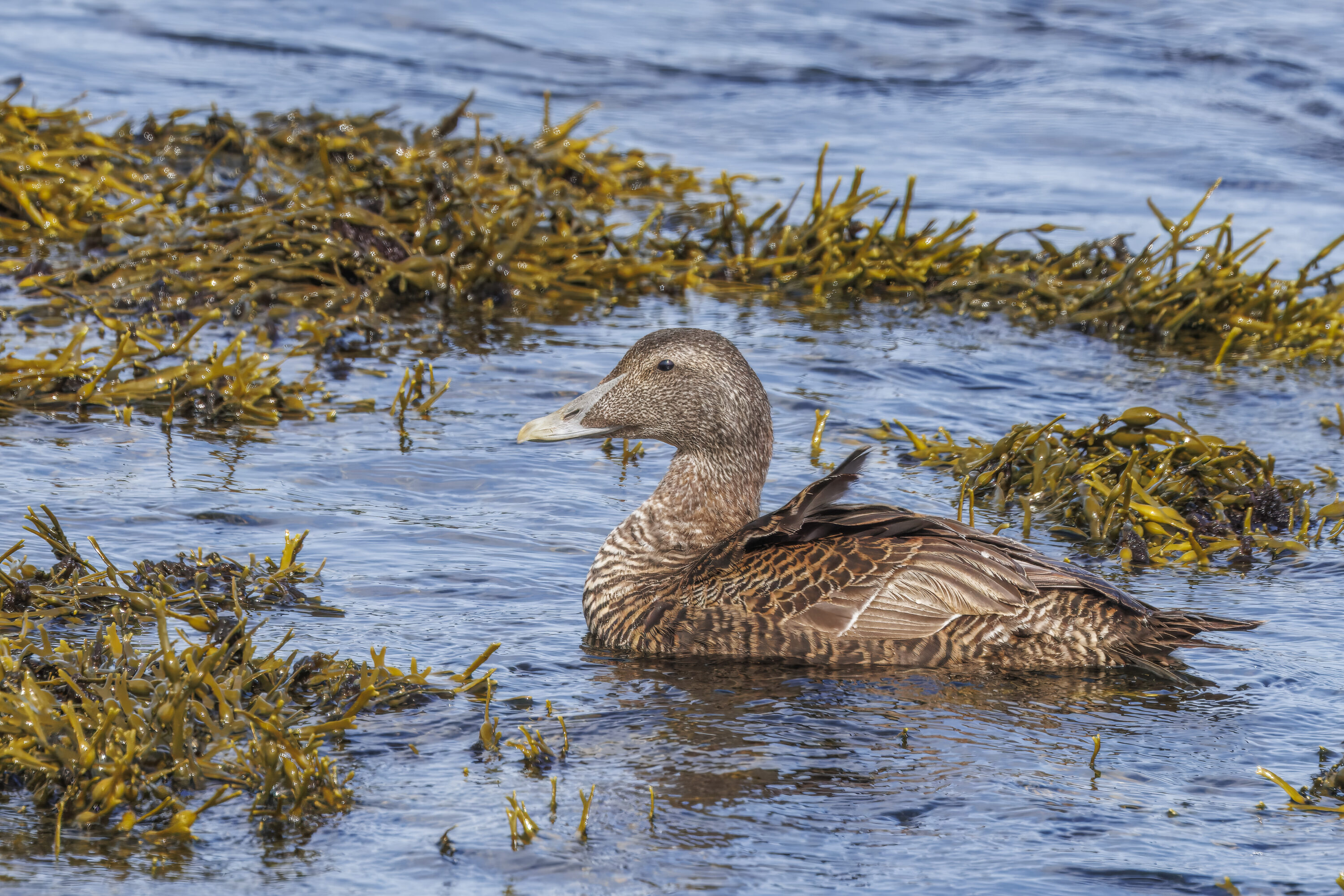
Breeding female common eiders of the Arctic subspecies Somateria mollissima borealis showed significantly more frequent antibodies against H5 avian influenza viruses in 2023 and 2024 than in 2019, according to a Canadian study published on 9 May 2026. Researchers analysed archived blood plasma from Mittivik Island in Nunavut, one of Canada’s largest common eider breeding colonies, to examine how previous exposure to avian influenza viruses changed before and after the major H5 incursions into North America that began in late 2021.
The study used 55 archived samples from adult females collected in 2018, 2019, 2022, 2023 and 2024. Antibodies indicate that a bird was infected previously and survived long enough to develop an immune response; they do not show that the bird was actively infected when the sample was taken.
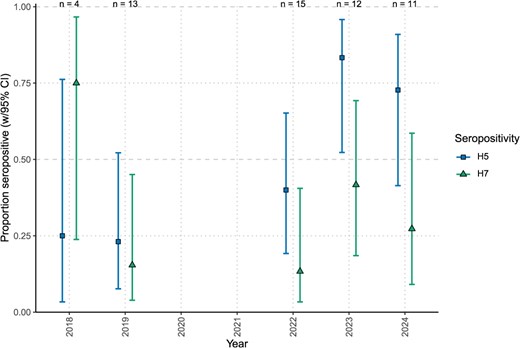
H5 antibody detections rose strongly in the most recent years
H5 antibodies were detected in 3 of 13 females in 2019, compared with 10 of 12 in 2023 and 8 of 11 in 2024. After correction for multiple comparisons, the differences between 2019 and both 2023 and 2024 were statistically significant. The corresponding observed proportions were 23.1%, 83.3% and 72.7%.
The authors link this pattern to the increased circulation of H5 viruses following the arrival of highly pathogenic H5 viruses in North America in late 2021. They stress, however, that the antibody tests cannot determine which specific H5 virus caused each immune response. Several H5 viruses, including H5N1 and H5N5, have circulated in Canada since the initial incursion. In influenza names, H and N refer to the surface proteins haemagglutinin (HA) and neuraminidase (NA): H5N1 and H5N5 therefore share the H5 form of haemagglutinin but have different neuraminidase types.
Antibodies to avian influenza more generally were already common
Antibodies against the influenza nucleoprotein were common in all five newly analysed years. The nucleoprotein is an internal viral protein shared more broadly across influenza A viruses, so anti-NP antibodies act as a general marker of previous avian-influenza exposure rather than pointing to one H or N subtype. The observed proportion of positive females ranged from 76.9% in 2019 to 100% in 2018, 2023 and 2024.
When the new results were combined with earlier data from the same colony, the researchers found that these broader anti-NP antibody levels had generally been higher since 2011. This increase therefore began about a decade before the recent H5 highly pathogenic avian influenza incursion and should not be interpreted as a response to that event alone. Annual variation in H7 antibody positivity was not supported by the statistical model.
The authors also note that no active avian influenza virus was detected in swabs from 86 eiders sampled at Mittivik Island in 2022, even though antibodies indicated previous exposure. They therefore highlight antibody surveillance as a useful complement to direct virus testing when reconstructing past infection in migratory birds.
Disease, parasites & microbiology
Related news
Colour-Banded Eider Linked Nunavut and Iceland More Than 2,800 Kilometres Apart
A male northern common eider banded on East Bay Island, Nunavut, in 2023 was filmed in western Iceland…
Read story →
Only About Half of American Common Eider Females Were Estimated to Breed in a Given Year
Satellite tracking of 123 females across Maine and eastern Canada estimated overall breeding propensity at 53%, while regional…
Read story →
Higher PFOS Was Linked to Lower Egg Temperatures in Finnish Common Eiders
Researchers studied 18 female common goldeneyes and 37 female common eiders in Finland. Higher PFOS was linked to…
Read story →SPECIES IN THIS STORY
Species in this story
Independent research and conservation news archive
Did you find this information useful?
Wildlife Vagabond is independently built and maintained. Voluntary support helps cover source verification, hosting and continued work on research and conservation news.
Support Wildlife VagabondThe news archive will remain freely available.