
Head size was linked to nest-site choices and fledgling numbers in barn swallows

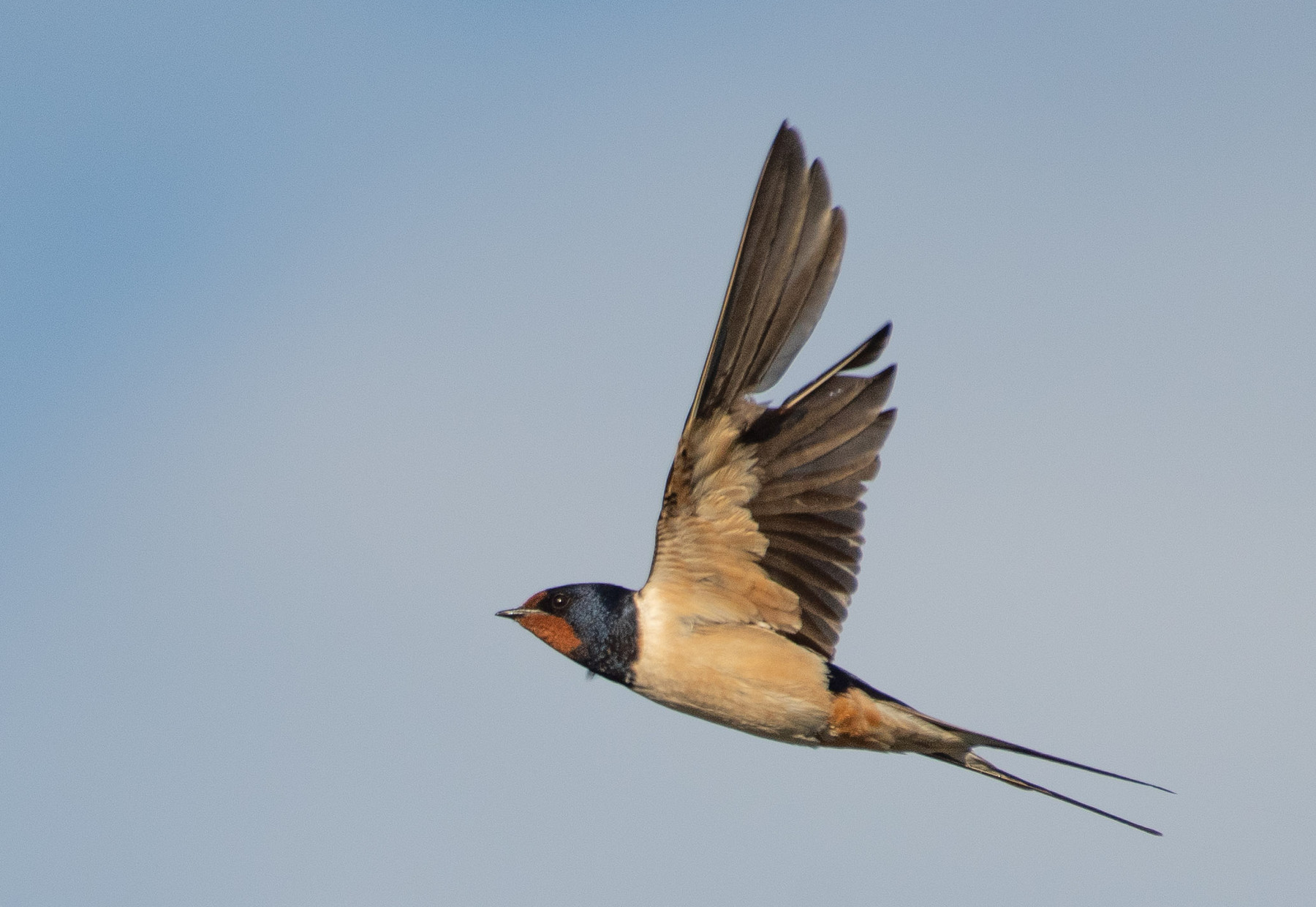
Barn swallows (Hirundo rustica) with larger heads tended to select more enclosed nest sites, and one of these sheltering features was associated with a higher number of fledglings. The study suggests an indirect link between a morphological proxy for brain size and reproductive performance, but it does not establish that a larger head caused better decisions or greater breeding success.
Researchers studied 109 nests in southern China. They measured the head and structural body size of the breeding birds, recorded fine-scale features of each nest site and counted the young that fledged. The nest measurements included the distance to structures above the nest and to the nearest shelter on the opposite side.
Larger-headed birds chose more enclosed nest sites
Head size varied independently of structural body-size measurements such as tarsus length. In both sexes, birds with larger heads tended to use sites closer to overhead structures and opposing shelter. Males had slightly larger heads than females, but the associations between head size and nest-site characteristics were broadly similar in the two sexes.
Opposing shelter was linked to more fledglings
Nests closer to an opposing shelter produced more fledglings. The relationship with distance to the structure above the nest pointed in the same direction, but the evidence was too weak to distinguish it clearly from little or no effect. The analysis supported an indirect association between head size and fledgling number through the distance to opposing shelter, while head size itself did not directly predict fledgling output.
The authors propose three non-exclusive reasons why greater enclosure could be advantageous. Nearby shelter can restrict the approach routes available to aerial predators, overhead structures can buffer nests against temperature extremes, and surrounding structures can act as windbreaks during the strong winds and typhoons that occur in the breeding season in southern China. These mechanisms were not tested directly in the study, but provide biologically plausible explanations for the association between nest-site structure and fledgling output.
Head size was a proxy, not proof of cognitive ability
The authors used head size as a proxy for brain size, not a direct measurement of brain volume or neural structures involved in spatial memory. They also state that the observational analysis cannot demonstrate a causal chain from head size through nest choice to reproductive success, and that replication among populations was limited. Experimental studies would therefore be needed to test whether the association reflects differences in decision-making.
Behaviour
Related news
Usutu Virus RNA Was Found Nearly Three Times as Often as West Nile Virus RNA in Southern France
Among 2,533 wild birds from 69 species in southern France, Usutu virus RNA was detected in 12.0% and…
Read story →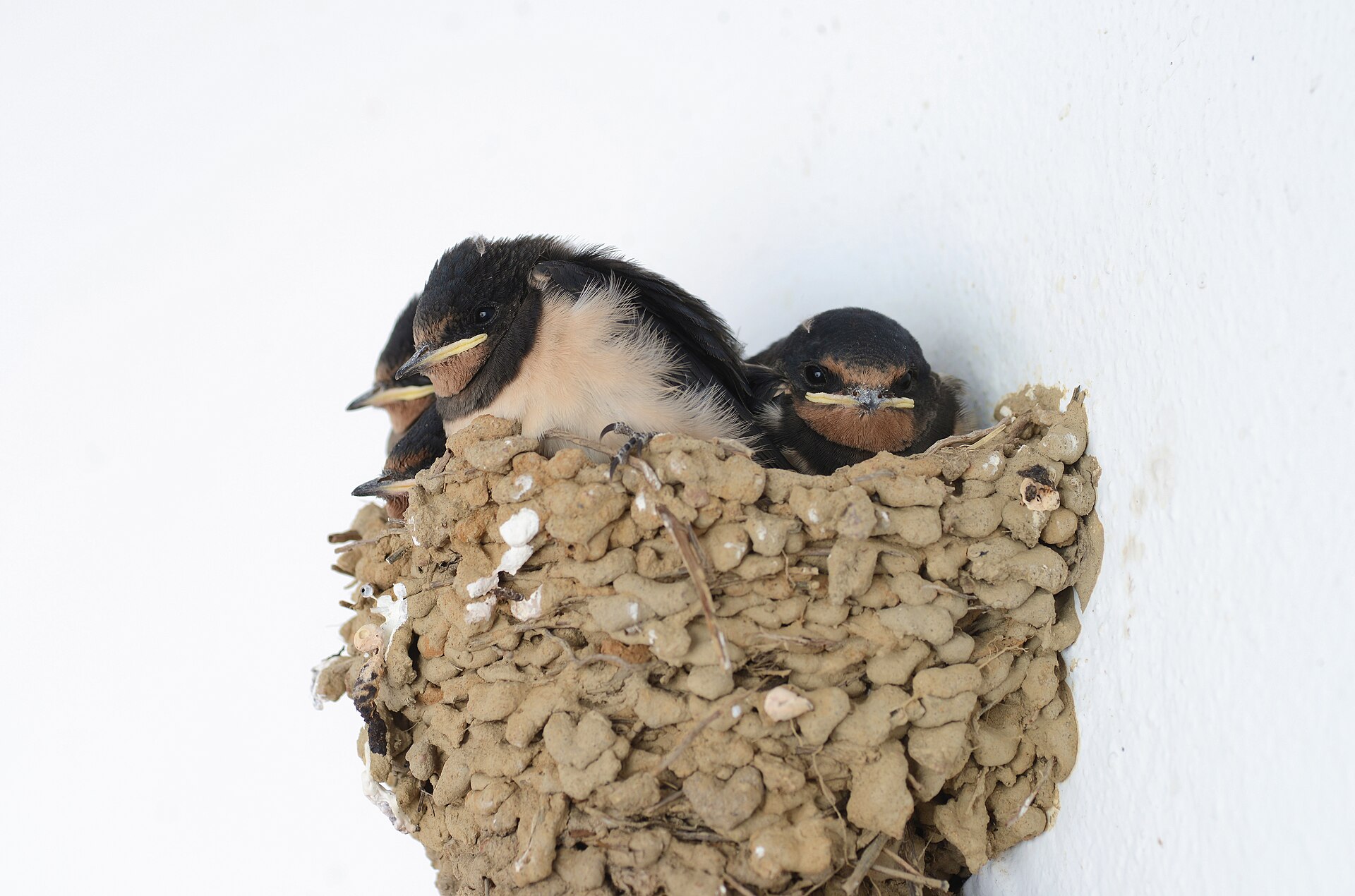
Larger Broods and Older Social Fathers Were Linked to Shorter Telomeres in Male Barn Swallow Nestlings
A long-term study near Milan found shorter telomeres in male barn swallow nestlings from larger broods or with…
Read story →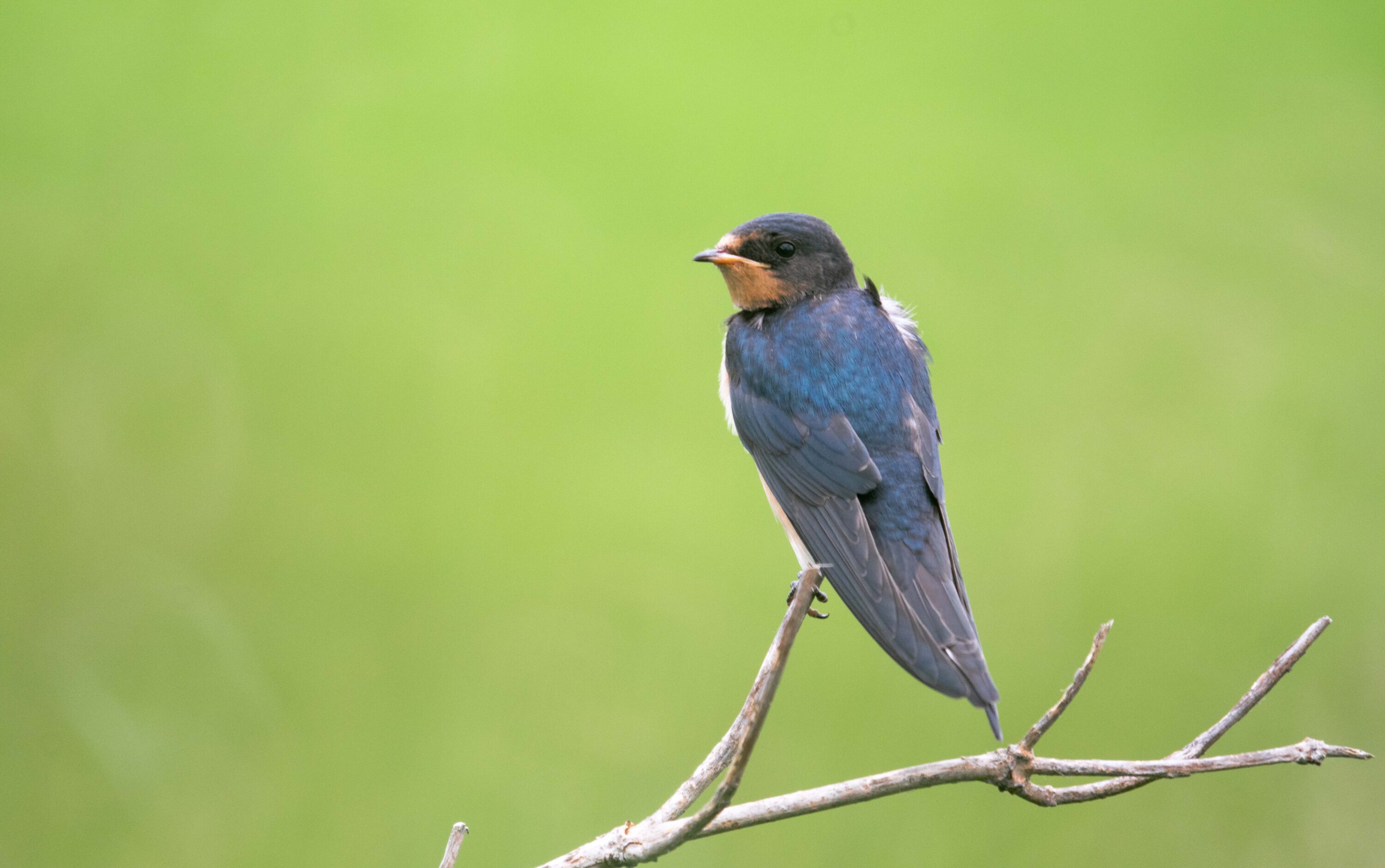
Mitochondrial DNA Reveals a More Complex Evolutionary History of Barn Swallows
A study of 580 complete barn swallow mitochondrial genomes found five major maternal lineages, including a newly recognised…
Read story →SPECIES IN THIS STORY
Species in this story
Independent research and conservation news archive
Did you find this information useful?
Wildlife Vagabond is independently built and maintained. Voluntary support helps cover source verification, hosting and continued work on research and conservation news.
Support Wildlife VagabondThe news archive will remain freely available.