
Under High Predation Risk, Large-Headed Eider Females Bred Later Than Small-Headed Females
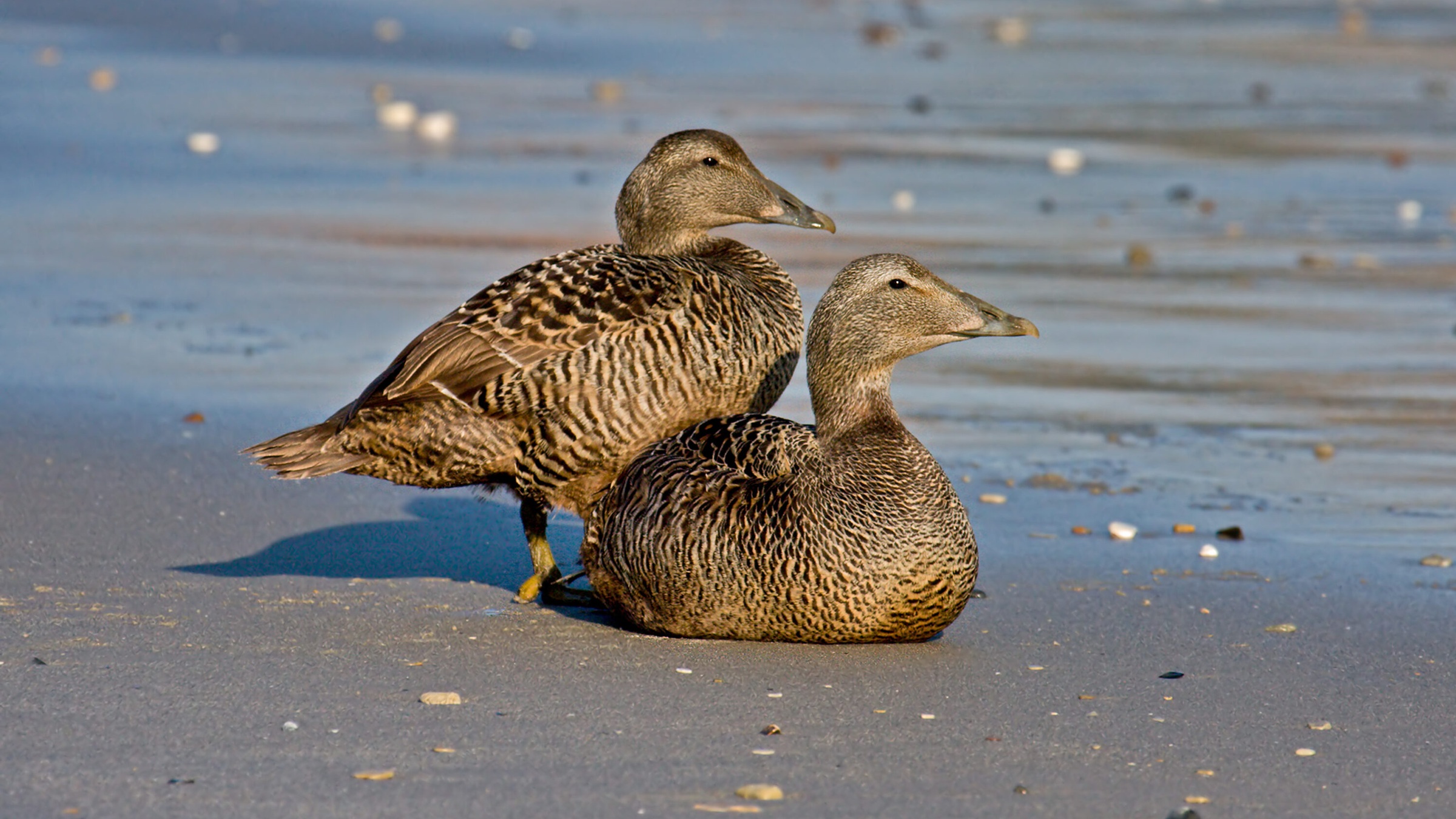
Female common eiders (Somateria mollissima) differed more strongly in breeding timing when predation pressure was high, and the pattern depended on relative head size, according to a long-term Finnish study published on 24 April 2026. Researchers analysed 1,461 breeding attempts by 475 females monitored on 21 islands around Tvärminne in the western Gulf of Finland between 2008 and 2022.
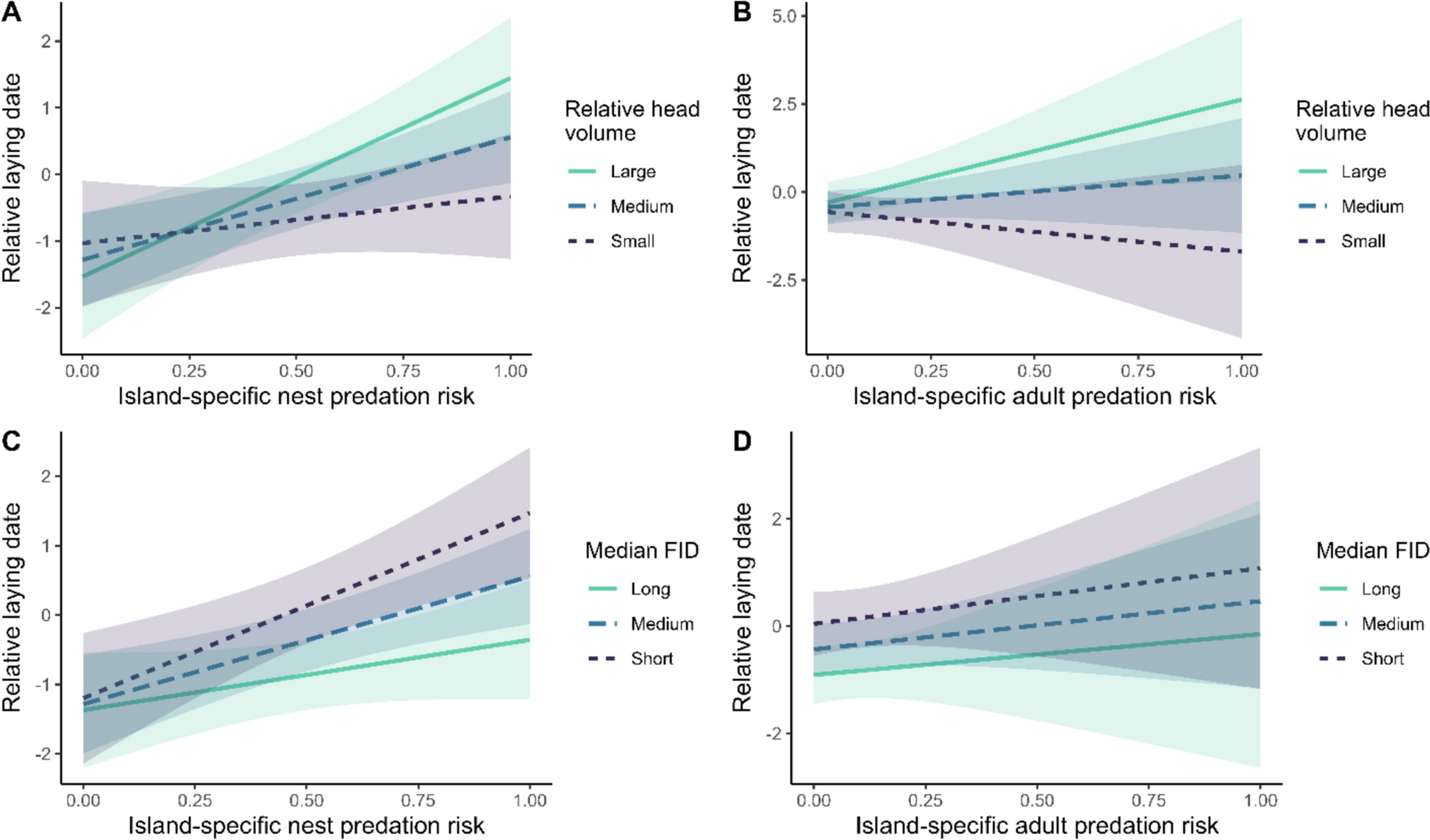
The study used head volume adjusted for body size as an indirect measure of relative brain size; in female eiders, head volume is tightly correlated with brain mass. The researchers used relative head size as a cognitive proxy for risk sensitivity, while recognising that brain size is an imperfect proxy for cognition. Flight initiation distance—the distance at which a female left her nest as a researcher approached—served as a behavioural measure of risk sensitivity. Laying dates were expressed relative to the population’s median date each year. The researchers compared these individual traits with laying dates and with island-specific predation on both nests and adult females in the preceding year.
Head size and breeding timing
When nest or adult predation had been high, females with relatively larger heads initiated breeding later than females with relatively smaller heads. Under high adult predation, the contrast became particularly clear: larger-headed females delayed breeding while smaller-headed females advanced it. The result produced greater variation in laying dates among females with different relative head sizes.
The authors interpret the later timing of larger-headed females as plausibly reflecting more extensive sampling of nesting conditions under risk. They stress, however, that relative head size is a proxy and that the study did not directly measure cognitive decision-making during nest establishment.
Flight distance showed a different pattern
Females that allowed a closer approach before leaving the nest bred later than females with longer flight initiation distances. Unlike head size, however, flight initiation distance did not interact significantly with nest or adult predation risk. The researchers suggest that this behaviour, measured late in incubation, may partly reflect current parental investment rather than the same risk sensitivity involved when the nest site was first chosen.
Breeding experience also mattered. Previously recorded females began laying earlier than females encountered as first-time breeders, while body condition was not significantly associated with relative laying date.
Reproduction & development
Related news
Colour-Banded Eider Linked Nunavut and Iceland More Than 2,800 Kilometres Apart
A male northern common eider banded on East Bay Island, Nunavut, in 2023 was filmed in western Iceland…
Read story →
Only About Half of American Common Eider Females Were Estimated to Breed in a Given Year
Satellite tracking of 123 females across Maine and eastern Canada estimated overall breeding propensity at 53%, while regional…
Read story →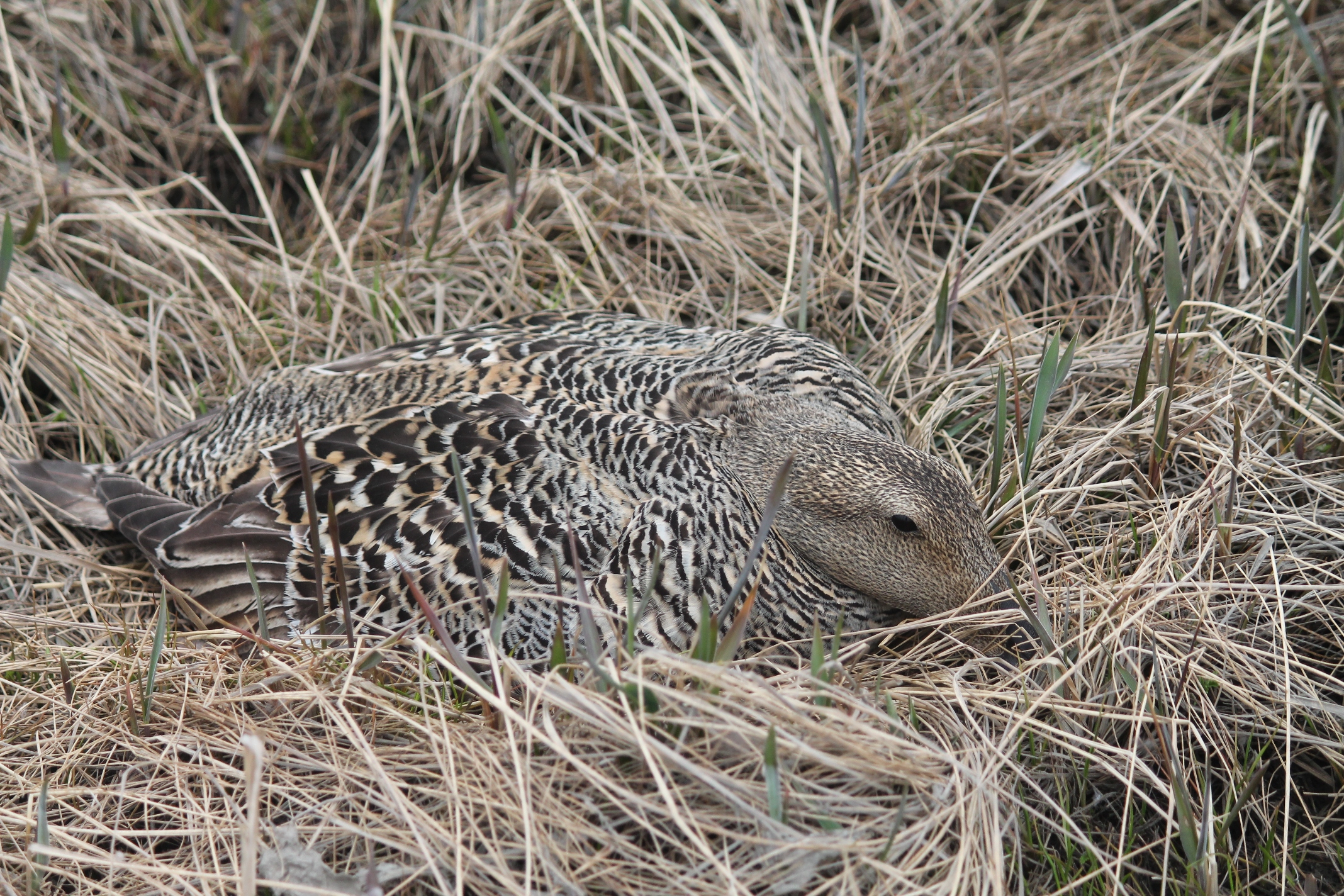
Higher PFOS Was Linked to Lower Egg Temperatures in Finnish Common Eiders
Researchers studied 18 female common goldeneyes and 37 female common eiders in Finland. Higher PFOS was linked to…
Read story →SPECIES IN THIS STORY
Species in this story
Independent research and conservation news archive
Did you find this information useful?
Wildlife Vagabond is independently built and maintained. Voluntary support helps cover source verification, hosting and continued work on research and conservation news.
Support Wildlife VagabondThe news archive will remain freely available.