
Higher Parasite Mortality Could Rule Out a New York Moose Hunt
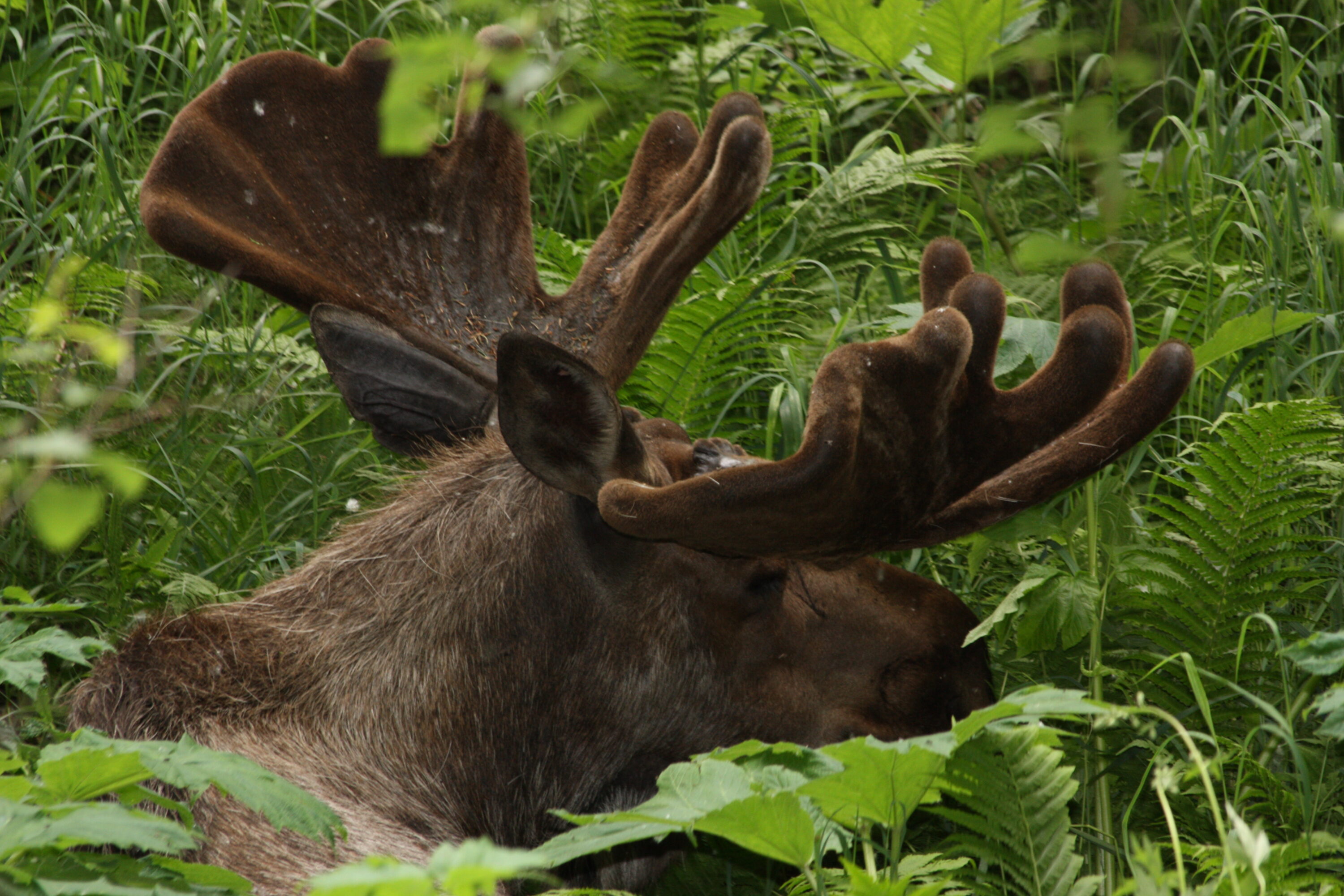
A population model for moose (Alces alces) at the southern edge of their range in New York, USA found that a limited harvest could be compatible with population stability under current disease conditions. When the researchers modelled higher mortality from internal parasites, however, every harvest scenario led to a declining population.
Hunting and disease tested together
Jennifer A. Grauer and colleagues built a stage-structured simulation using local demographic rates. The model followed males and females as neonates, calves, yearlings and adults through alternating winter–spring and summer–rut periods. It projected population change over ten years.
Five hypothetical harvest levels were tested: no harvest; five bulls per year; 25 bulls; ten bulls and five cows; or five bulls and ten cows. Each was combined with three disease settings. The first represented current conditions. The second approximately doubled observed mortality from meningeal worm and giant liver fluke. The third was an intentionally unrealistic, disease-free scenario used to show the possible effect of eliminating parasite exposure associated with white-tailed deer.
The baseline model without an added harvest projected an increasing population, with a growth rate of 1.22. In this measure, a value of 1 represents population replacement, values above 1 indicate growth and values below 1 decline. Under current disease conditions, removing five bulls produced a rate of 1.18. Removing 25 bulls or ten bulls and five cows brought the mean close to replacement, while the scenario with five bulls and ten cows produced decline.
Higher disease changed every result
When disease mortality was raised, the no-hunt scenario itself fell below replacement, to a modelled growth rate of 0.75. All four harvest alternatives pushed the growth rate lower. Additional analyses varying adult fecundity and calf survival reached the same broad conclusion: none of the tested harvest levels was supported when disease mortality was elevated.
The principal parasites in the model were meningeal worm and giant liver fluke. White-tailed deer can maintain these parasites with little apparent harm, while infections can be serious or fatal in moose. The transmission cycles also involve gastropods, so moose abundance alone does not determine exposure.
A scenario study, not a hunting forecast
The authors stress important uncertainty. The model depends on estimated survival, reproduction and disease rates, and the disease-free scenario generated unrealistically rapid growth because it did not include all limits such as forage and heat. Results therefore compare possible management choices; they do not predict exactly what New York’s population will do.
The authors identify reducing overlap between white-tailed deer and moose as a potential way to lower parasite exposure, and emphasize continued monitoring of moose abundance, population growth and disease prevalence before sustainable harvest levels are set. The paper was published in Ecological Solutions and Evidence on 1 April 2026.
Management
Related news
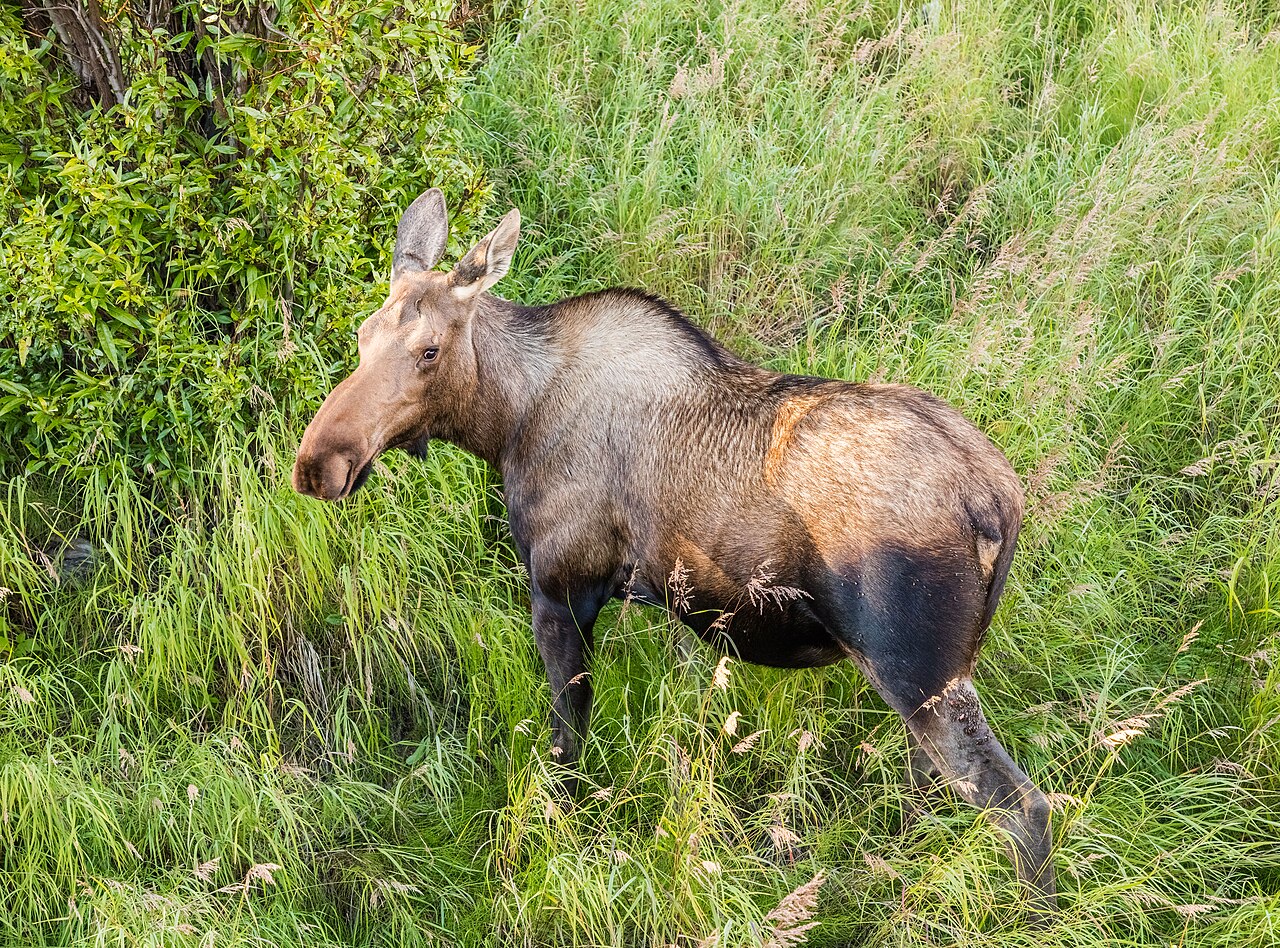
Arctic Moose Follow the River Valleys
GPS tracking in Alaska showed that half of 24 female moose migrated between summer and winter ranges. Migrants…
Read story →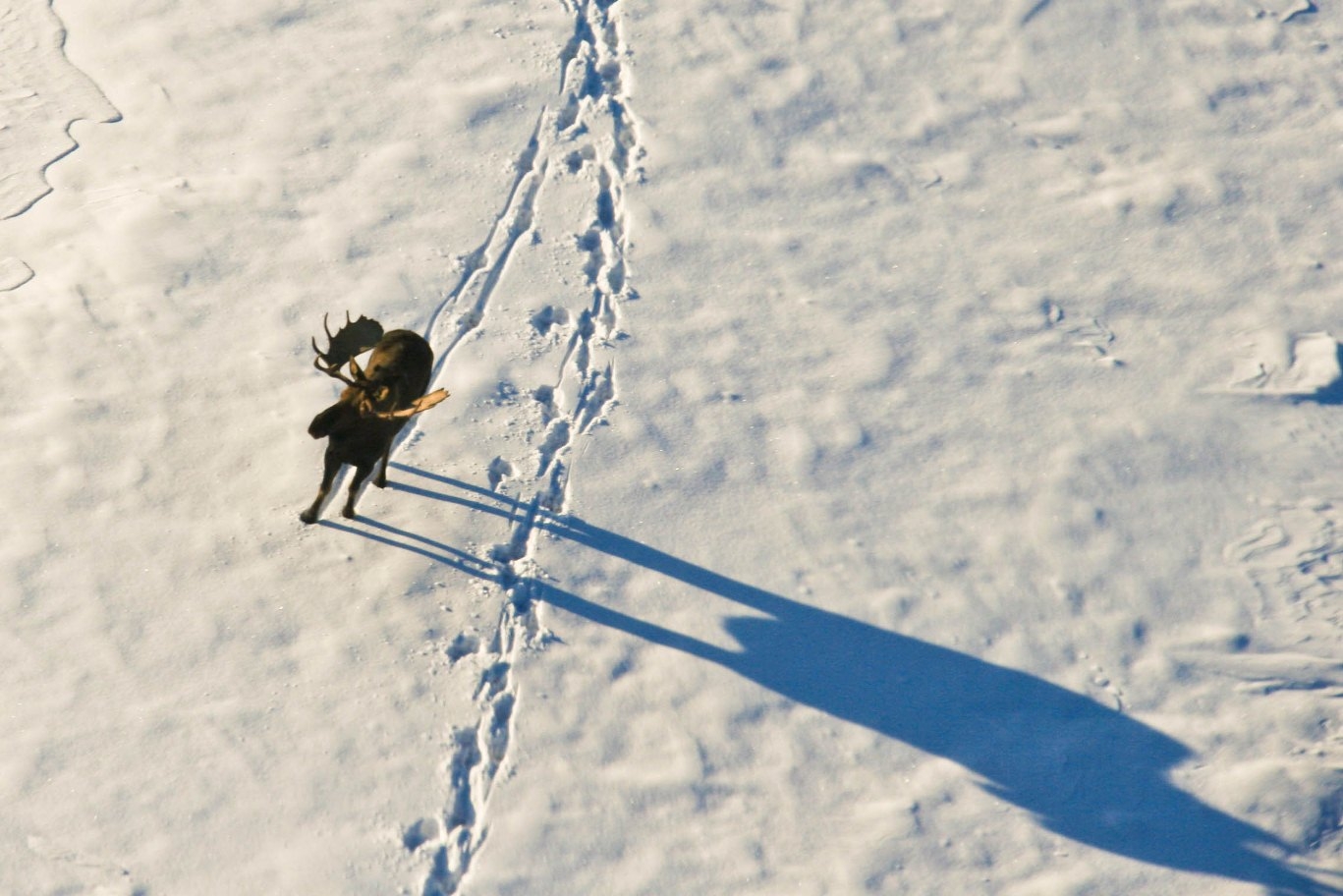
Thermal Drones Found Nearly All Moose in Favourable Winter Weather
Swedish trials found detection close to 100% in cold, overcast winter conditions, but the survey effort needed for…
Read story →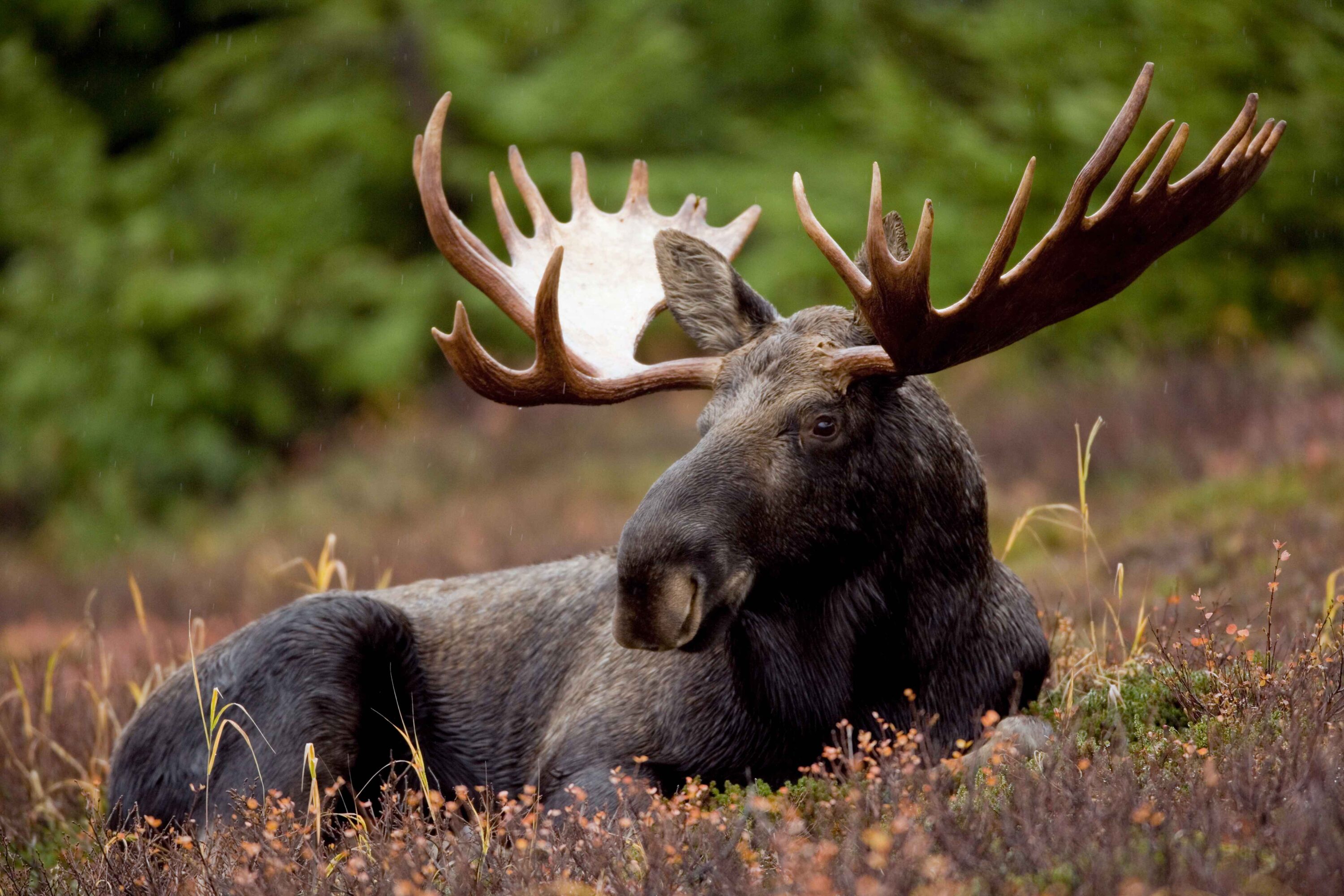
Even Adirondack Park’s Densest Moose Area Was Too Sparse for Precise Aerial Estimates
Helicopter surveys estimated about 92 moose in the Adirondack core in 2024 and 112 in 2025, but broad…
Read story →SPECIES IN THIS STORY
Species in this story
Independent research and conservation news archive
Did you find this information useful?
Wildlife Vagabond is independently built and maintained. Voluntary support helps cover source verification, hosting and continued work on research and conservation news.
Support Wildlife VagabondThe news archive will remain freely available.