
Eight Diving Waterfowl Shared Genomic Signatures Linked to Underwater Foraging
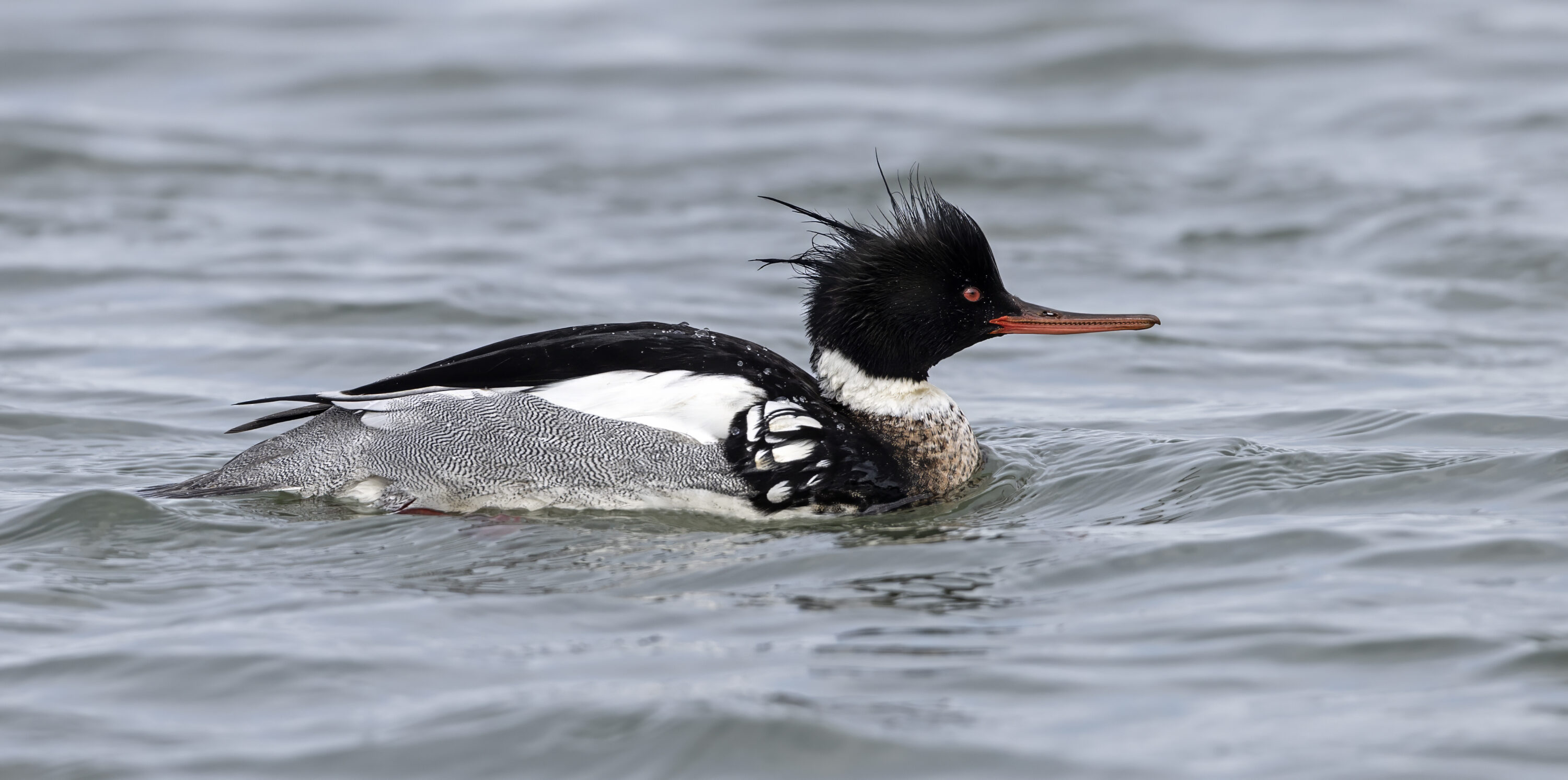
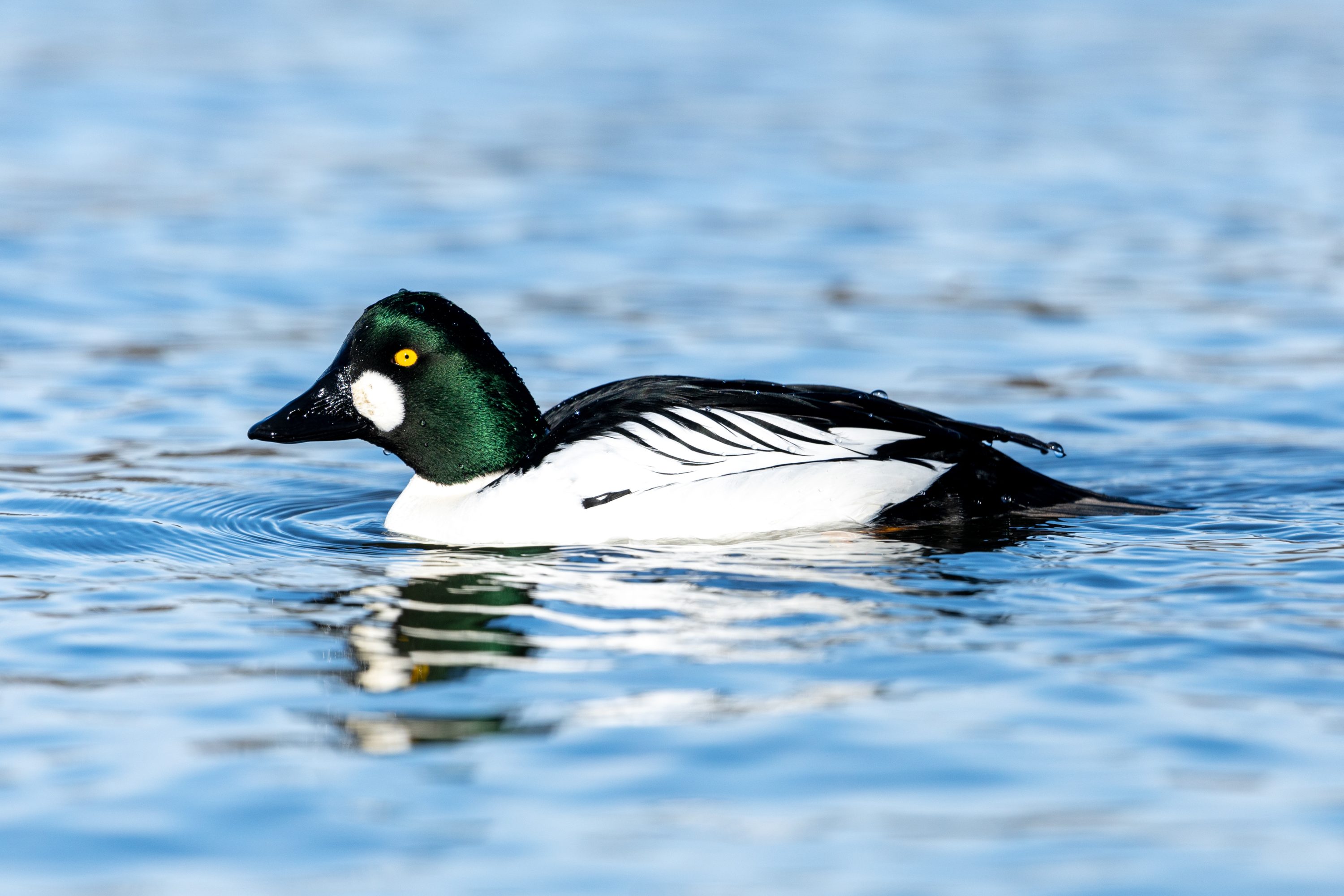
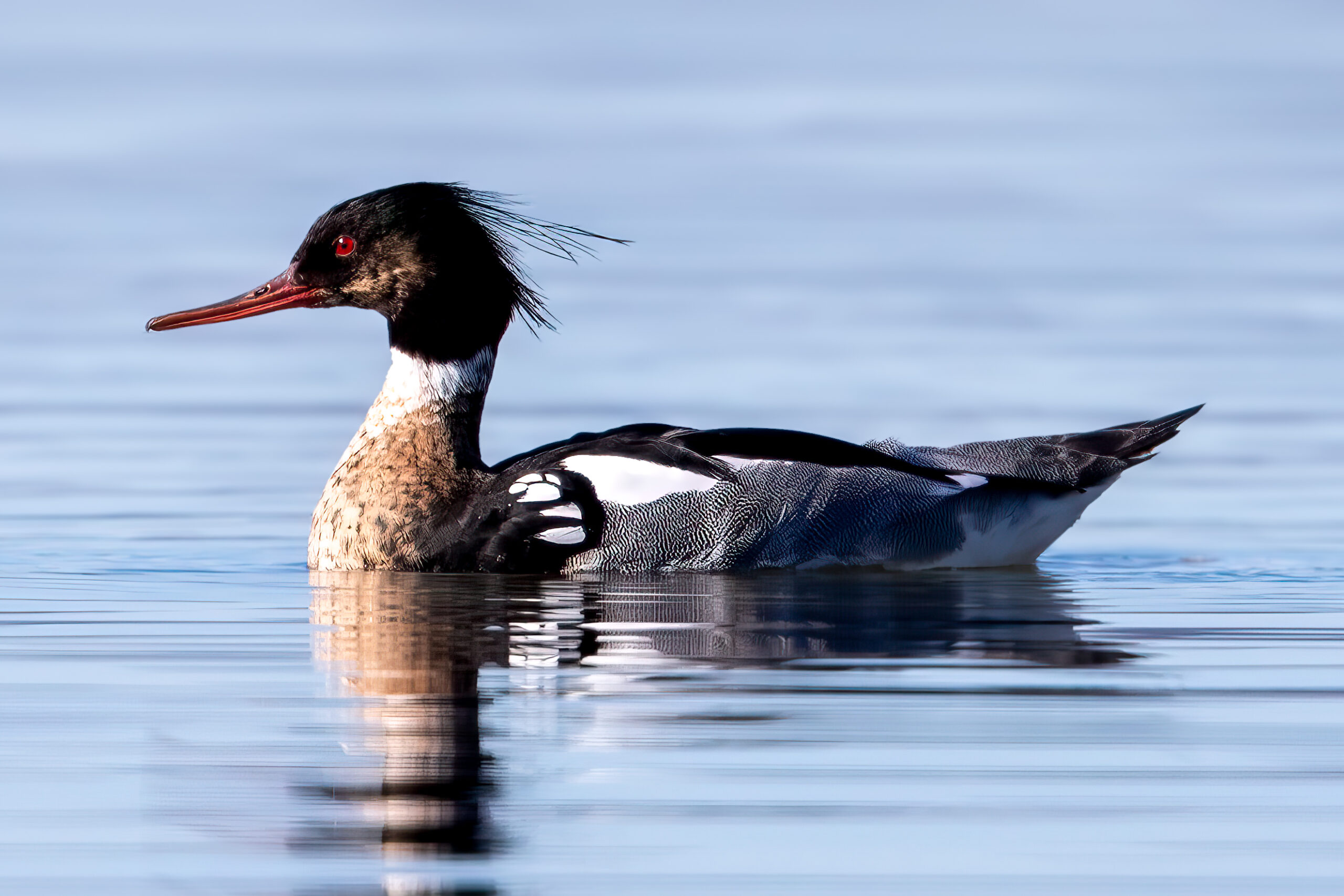
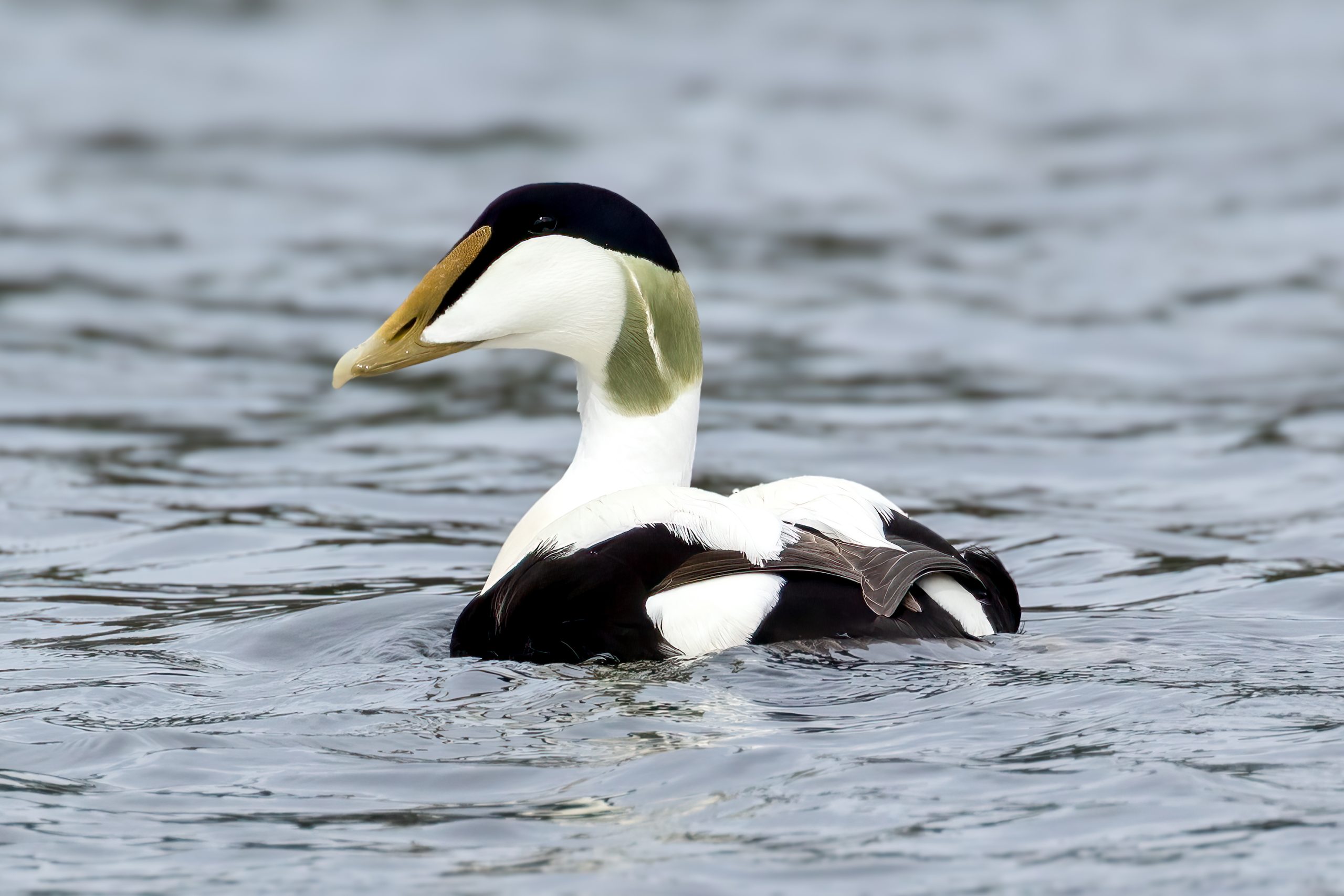
A comparative study of 25 waterfowl genomes found widespread evolutionary signals associated with diving-based foraging. The eight diving species designated as the focal diving lineages were common goldeneye (Bucephala clangula), long-tailed duck (Clangula hyemalis), surf scoter (Melanitta perspicillata), red-breasted merganser (Mergus serrator), African pygmy goose (Nettapus auritus), common eider (Somateria mollissima), black-headed duck (Heteronetta atricapilla) and ruddy duck (Oxyura jamaicensis).
The study, first published on 20 April 2026, compared diving species with non-diving relatives within Anseriformes. Because diving species occurred on several separate branches of the family tree, the researchers could look for evolutionary changes that appeared repeatedly in lineages that had independently adopted underwater foraging.
Selection signals involved several physiological systems
Genes showing signals of positive selection were especially common in functions related to metabolic and endocrine regulation, ion and solute transport, neural signalling, immune responses and cardiovascular regulation. Positive selection means that patterns of evolutionary DNA change are consistent with some gene variants having been favoured because they improved survival or reproduction. The authors interpret the repeated signals in diving lineages as molecular changes consistent with the demands of underwater foraging, including reduced oxygen availability and rising water pressure with depth.
The analyses also identified shared amino-acid substitutions across the diving lineages in genes including PKD1, PLB1 and GPR34. An amino-acid substitution changes one of the building blocks in a protein; finding the same change in separate diving lineages is a form of molecular convergence. PKD1 is involved in sensing mechanical forces and pressure, PLB1 in membrane and lipid processes, and GPR34 in immune regulation. Structural modelling suggested that some of the substitutions could alter how the proteins work, but this has not yet been tested experimentally.
Diving evolved in several parts of the waterfowl family tree
The eight diving species were distributed across multiple branches of the phylogenetic tree rather than forming a single diving lineage. The researchers therefore used non-diving relatives within the same order as comparisons when looking for repeated evolutionary patterns associated with underwater feeding.
The authors caution against treating the signals as proof of causation
The researchers stress that positive-selection signals do not by themselves prove that particular genes cause diving behaviour. Some patterns could instead reflect related traits such as cold tolerance, aquatic habitat use or aquatic foraging, and apparent convergence can also be influenced by shared ancestry. They also note that the predicted effects of amino-acid substitutions require experimental validation and that some diving lineages remain underrepresented in available genomic data.
The study provides a broad genomic comparison of diving and non-diving waterfowl within the same bird order. By finding repeated evolutionary signals across independently distributed diving lineages, it identifies candidate biological systems for future work on how species such as red-breasted merganser, common goldeneye and common eider cope with the energetic and physiological demands of feeding underwater.
Genetics & genomics
Related news
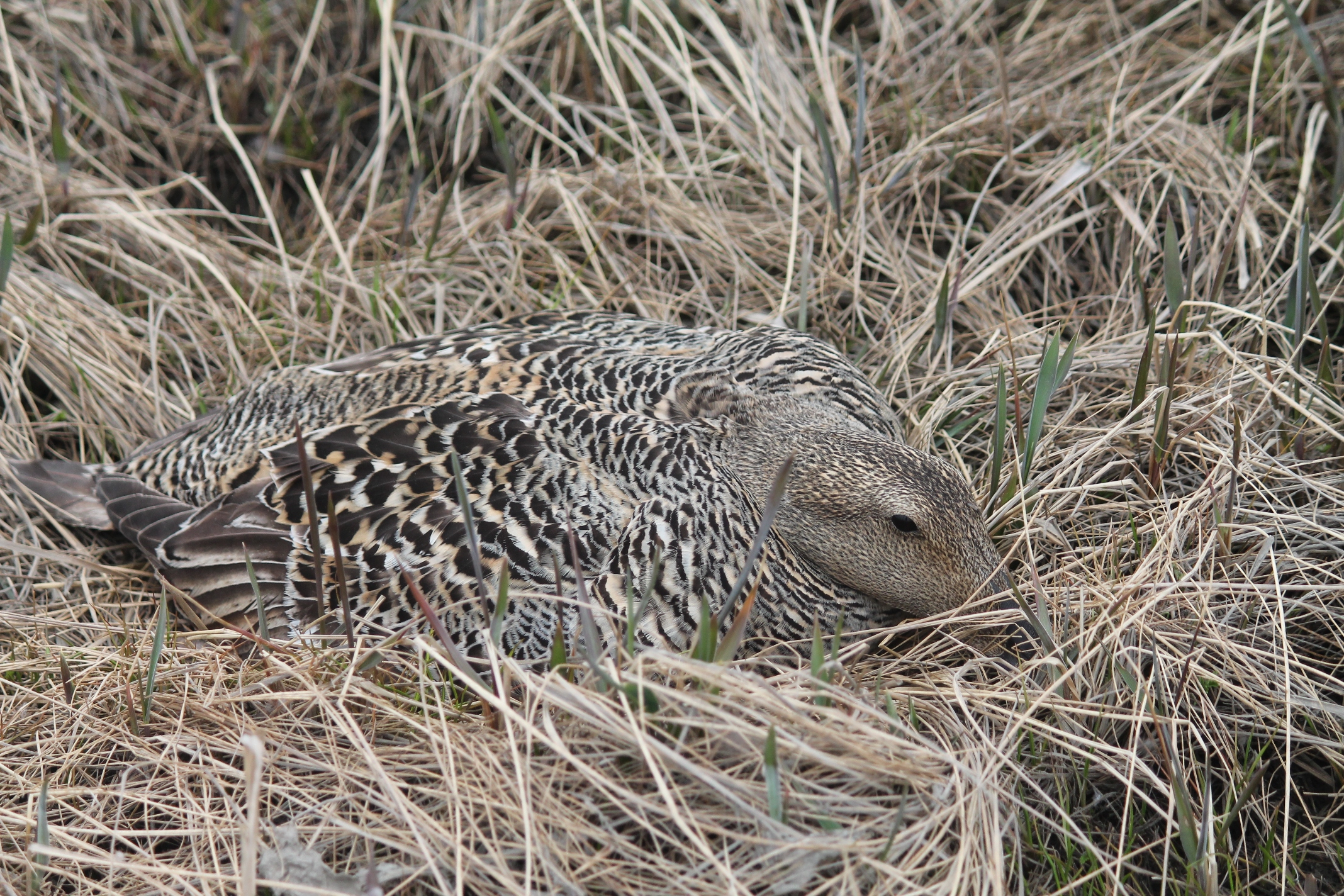
Higher PFOS Was Linked to Lower Egg Temperatures in Finnish Common Eiders
Researchers studied 18 female common goldeneyes and 37 female common eiders in Finland. Higher PFOS was linked to…
Read story →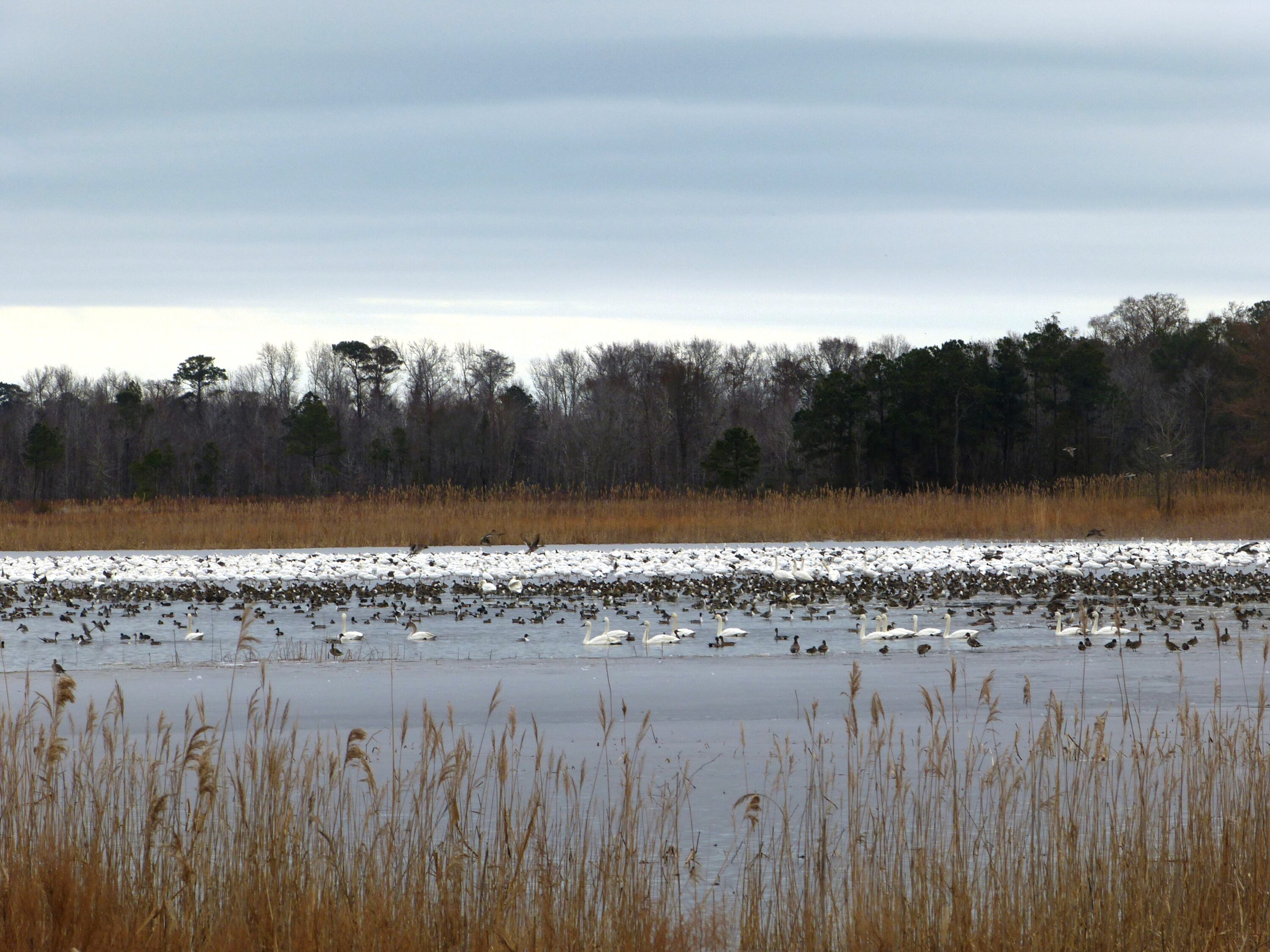
Genome Assemblies Released for 73 Anseriformes Species
A 2026 data paper released whole-genome assemblies for 73 species of ducks, geese, swans and other Anseriformes. Each…
Read story →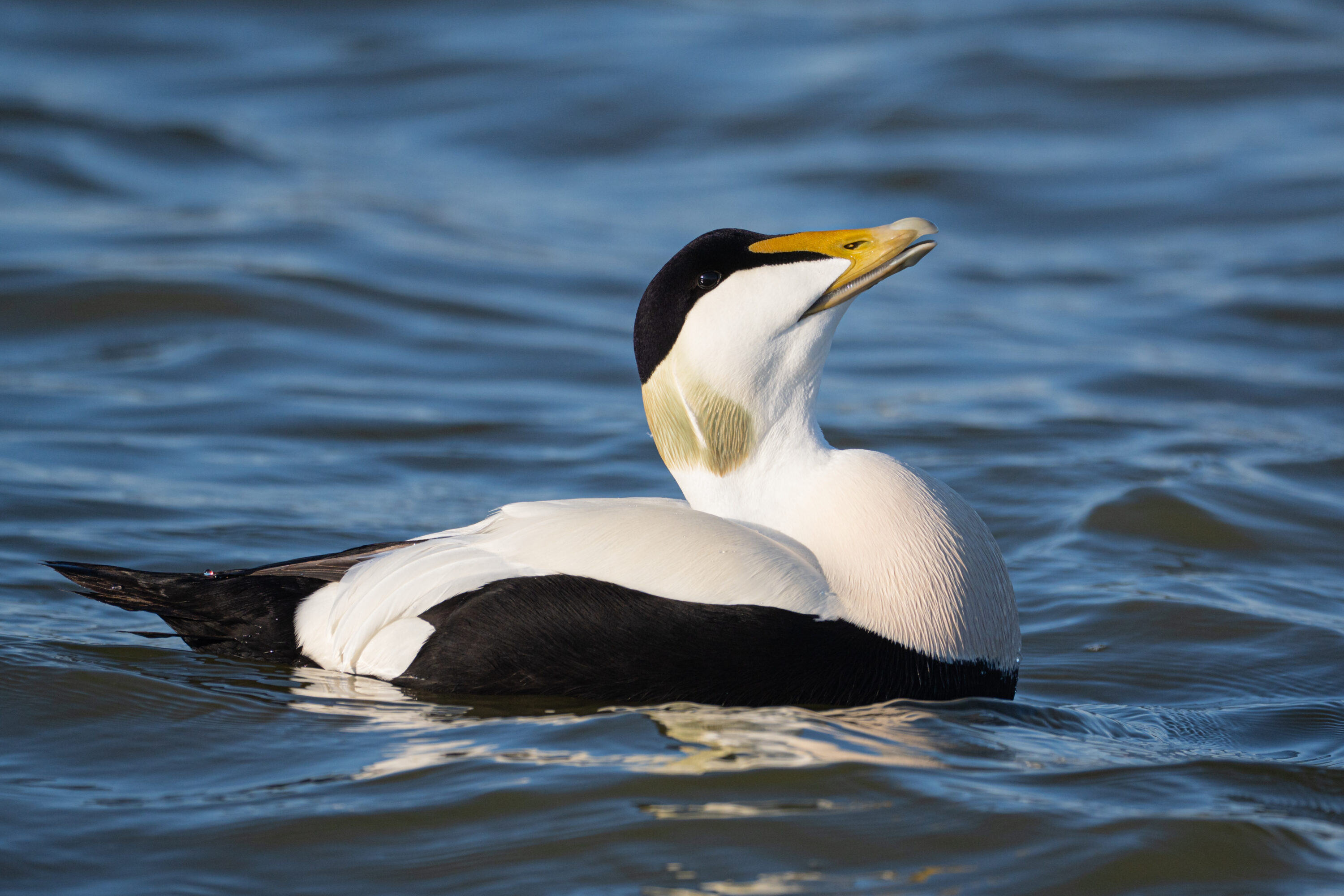
Colour-Banded Eider Linked Nunavut and Iceland More Than 2,800 Kilometres Apart
A male northern common eider banded on East Bay Island, Nunavut, in 2023 was filmed in western Iceland…
Read story →SPECIES IN THIS STORY
Species in this story
Independent research and conservation news archive
Did you find this information useful?
Wildlife Vagabond is independently built and maintained. Voluntary support helps cover source verification, hosting and continued work on research and conservation news.
Support Wildlife VagabondThe news archive will remain freely available.