
Historic DNA Revealed Growing Isolation Among Catalan House Sparrows
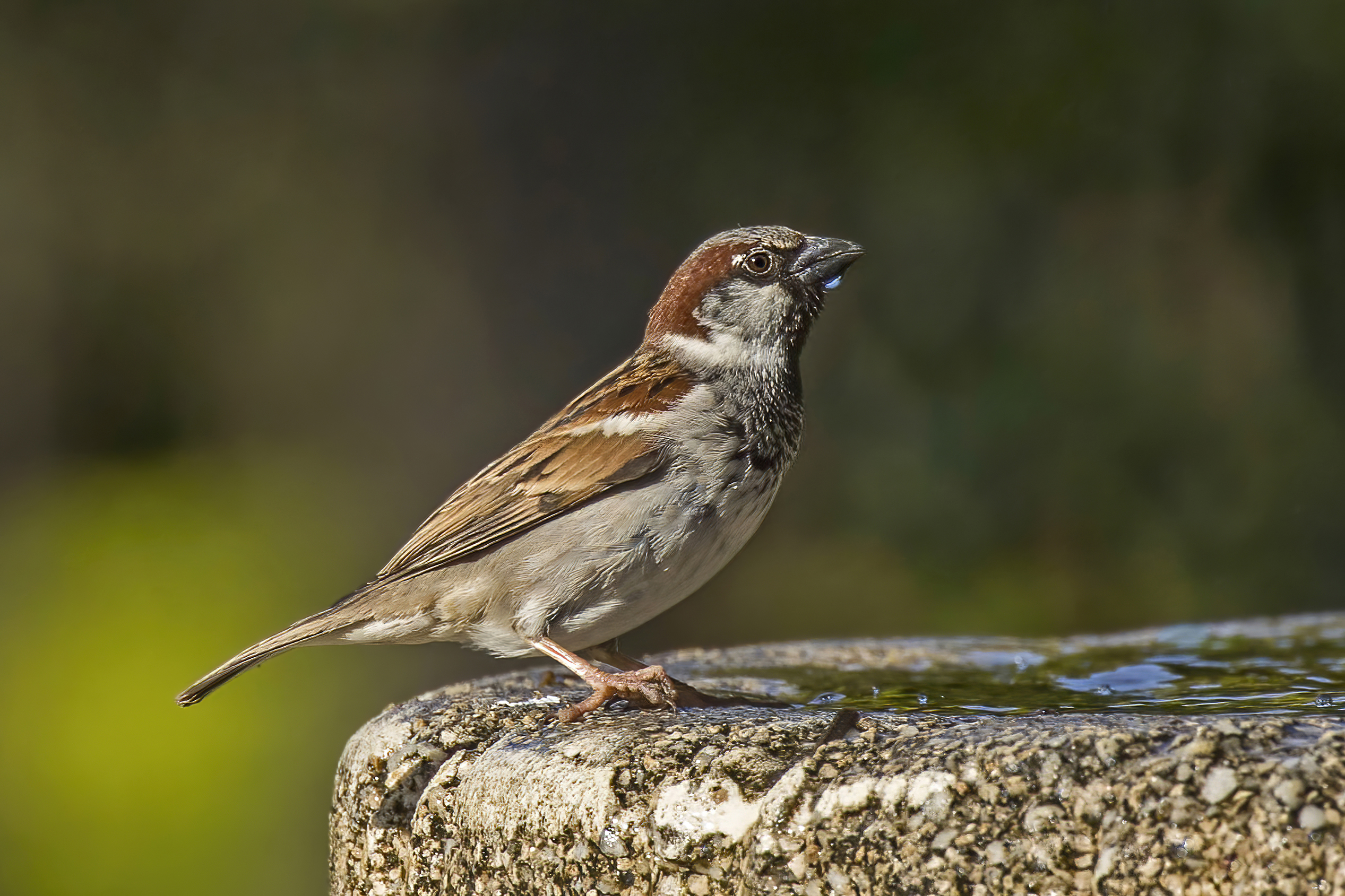
House sparrow populations in Catalonia are more genetically separated than they were a century ago, even though the species has not yet lost its overall neutral genetic diversity in the region. Here, neutral diversity refers to variation at markers not chosen because they are linked to particular traits, but used to trace relatedness and population structure. The contrast suggests that connections among local populations are weakening before a broad loss of genetic variation becomes visible.
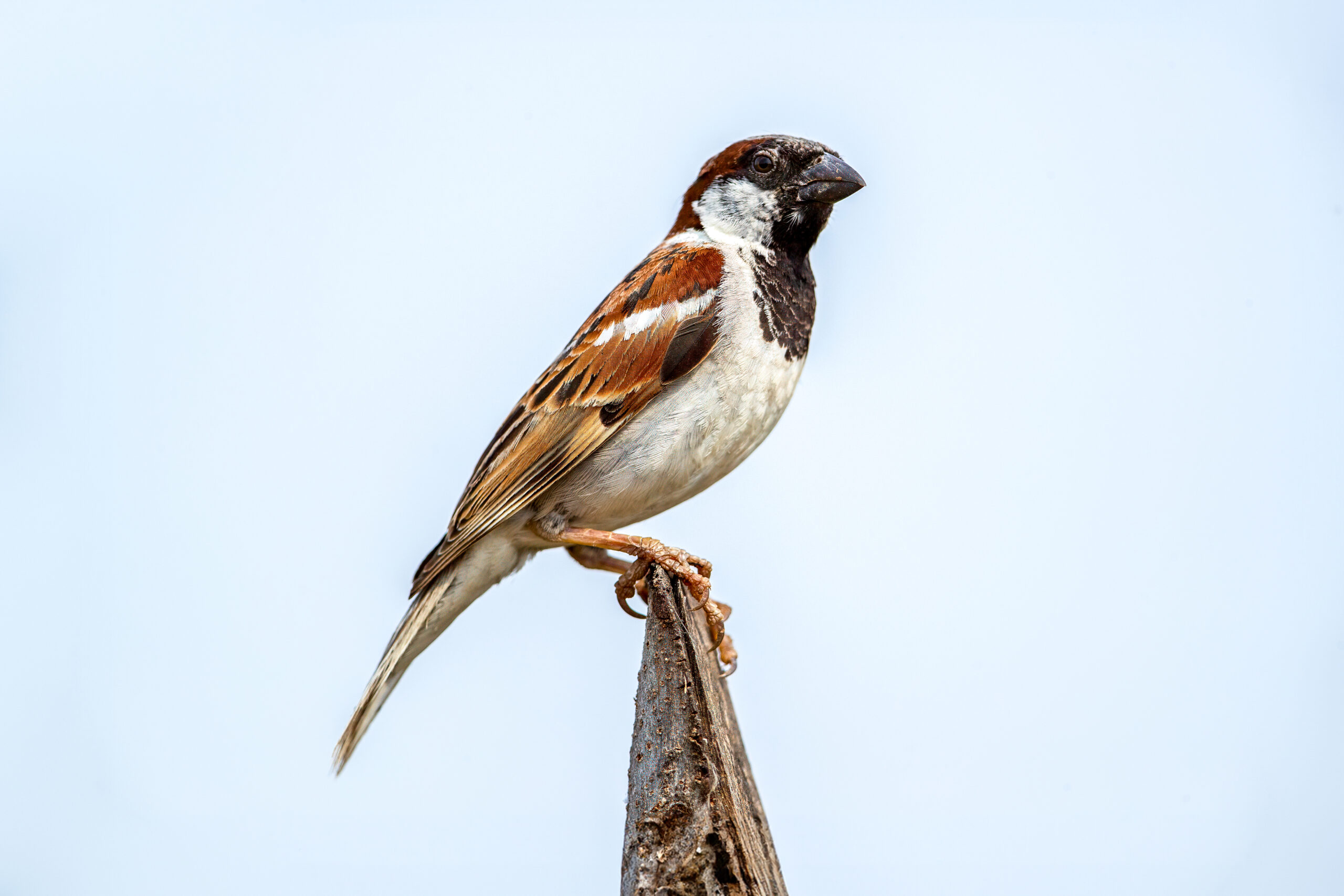
The house sparrow (Passer domesticus) has declined across much of Europe, including Mediterranean cities and farmland. Because the species is common and still retains substantial genetic variation, fragmentation among its remaining colonies can be difficult to detect from present-day samples alone.
In a study published in Conservation Genetics on 5 June 2026, Javier Quesada and colleagues combined contemporary samples from 13 Catalan populations with specimens collected between 1919 and 1950. The modern populations covered an agricultural-to-urban gradient in north-eastern Spain. Tiny tissue samples were taken from the legs of preserved museum birds, whose old and degraded DNA required adapted laboratory procedures.
The researchers analysed twelve microsatellite loci: short, repeated sections of DNA that can be used to compare genetic variation and population structure. This allowed them to examine whether genetic diversity, relatedness and signs of past population contractions differed between the historical and contemporary samples.
Modern populations are more genetically fragmented
The museum specimens were genetically homogeneous across the region, a pattern consistent with high connectivity among house sparrow populations in the early twentieth century. Modern samples, by contrast, formed several more distinct genetic clusters. Genetic differentiation was higher, and the researchers also found weak signs of increased inbreeding and a deficit of heterozygous individuals — birds carrying two different variants at the markers examined.
Distance also mattered in the present-day data. The contemporary populations showed a clear isolation-by-distance pattern: geographic separation explained 11.1% of the variation in genetic differentiation among populations. The genetic clusters did not simply match the study’s broad urban and agricultural habitat categories, indicating that the emerging structure was more complex than a direct division between city and countryside.
Signs of recent demographic bottlenecks — periods of sharp population contraction that can reduce genetic breadth — were found mainly in urban areas, including the Barcelona metropolitan region, but also in one agricultural population. The authors interpret the combined pattern as recent population fragmentation linked to landscape intensification. House sparrows are relatively sedentary, so the disappearance of small colonies between larger ones can remove stepping stones and reduce gene flow even when occupied sites remain.
Diversity remains, but connectivity is weakening
Crucially, the study did not find a century-scale loss of overall neutral genetic diversity, and present diversity was not associated with recent population trends. The authors propose a lag effect: modern sparrows may still retain genetic variation inherited from a formerly more connected population, while the consequences of today’s isolation have not yet produced pervasive genetic erosion.
This creates both a warning and an opportunity for conservation. Increasing isolation and early signs of inbreeding can make populations more vulnerable to future environmental change even while overall genetic diversity remains high. Preserving or restoring connections among populations — including peri-urban habitat and smaller stepping-stone populations between larger colonies — could help maintain gene flow.
Museum specimens revealed the change
The work also shows why historical collections matter. Without the museum specimens, the modern populations might have appeared genetically diverse but their loss of regional connectivity would have been much harder to recognize. Historical DNA supplied a baseline from before the recent declines, revealing a change in population structure that contemporary diversity alone could conceal.
Genetics & genomics
Related news
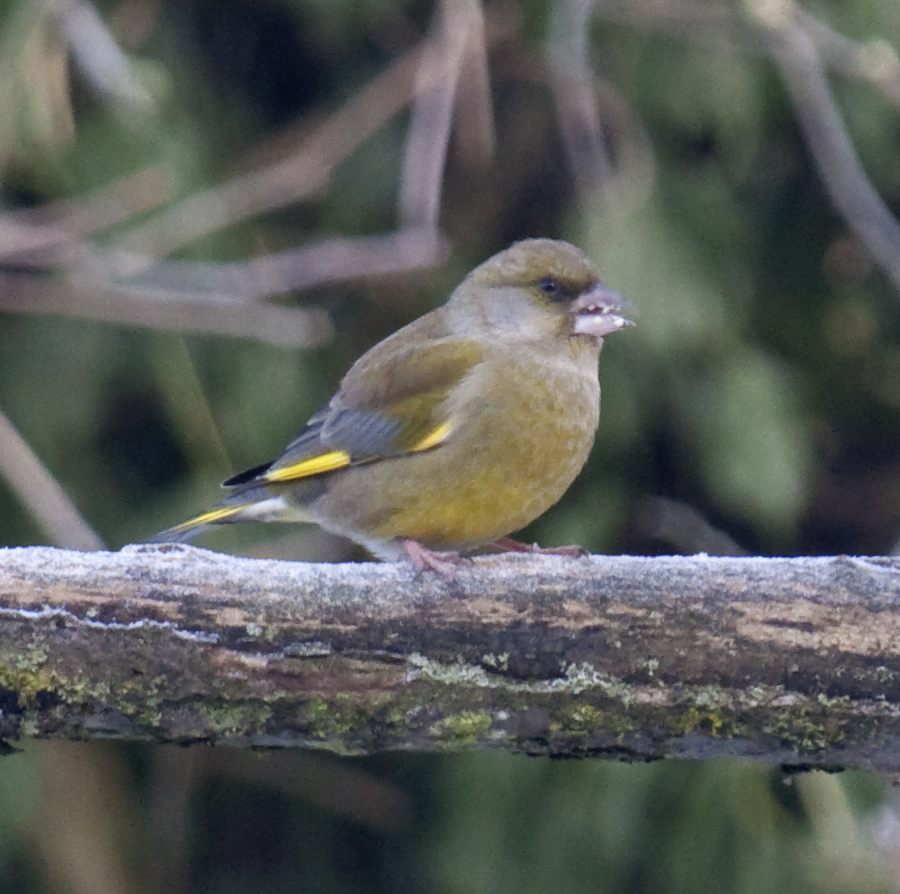
Type A Trichomonas Was More Than Twice as Prevalent in British Birds at Supplementary-fed Sites
Type A of the bird parasite Trichomonas gallinae was more than twice as prevalent in British birds at…
Read story →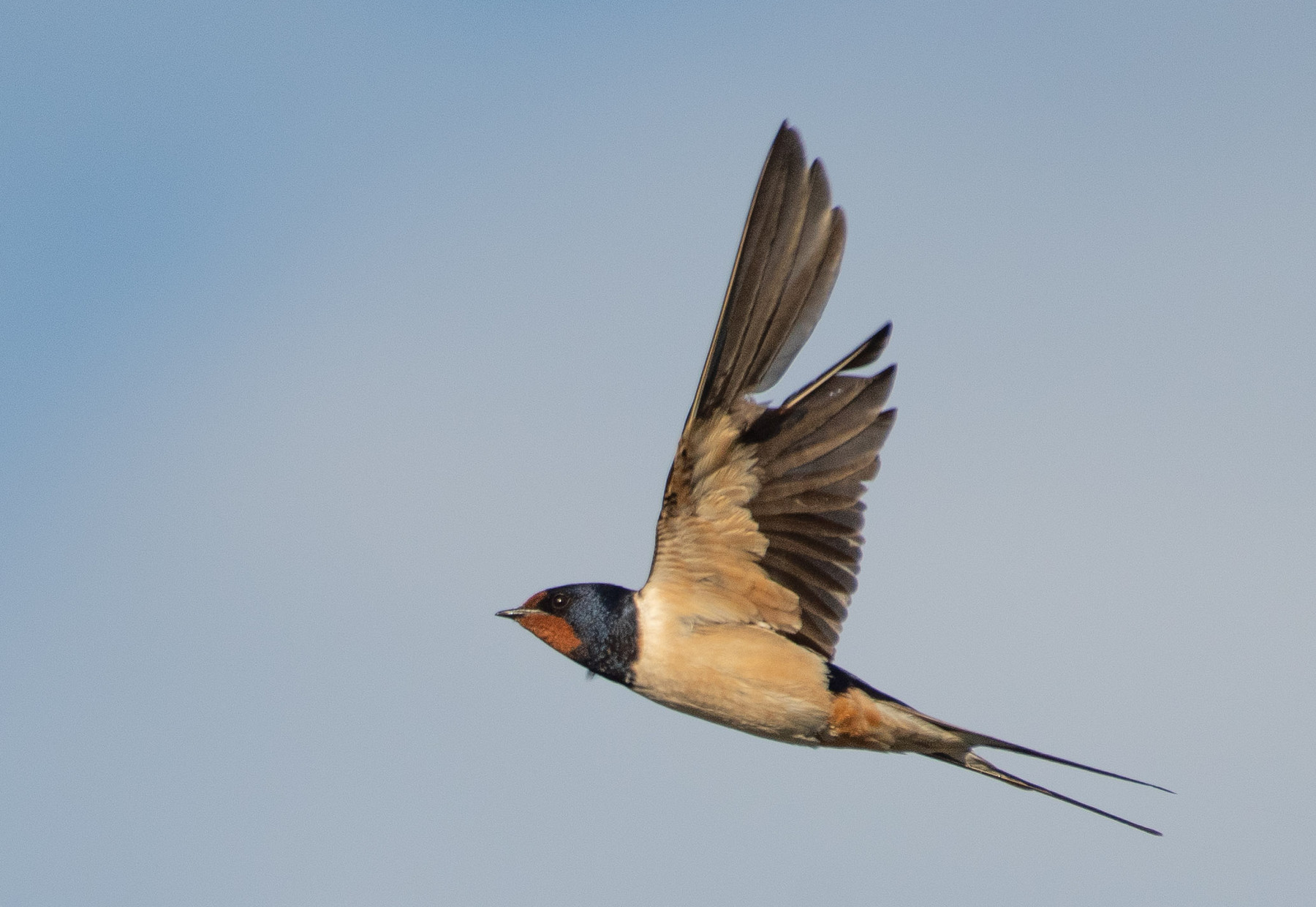
Usutu Virus RNA Was Found Nearly Three Times as Often as West Nile Virus RNA in Southern France
Among 2,533 wild birds from 69 species in southern France, Usutu virus RNA was detected in 12.0% and…
Read story →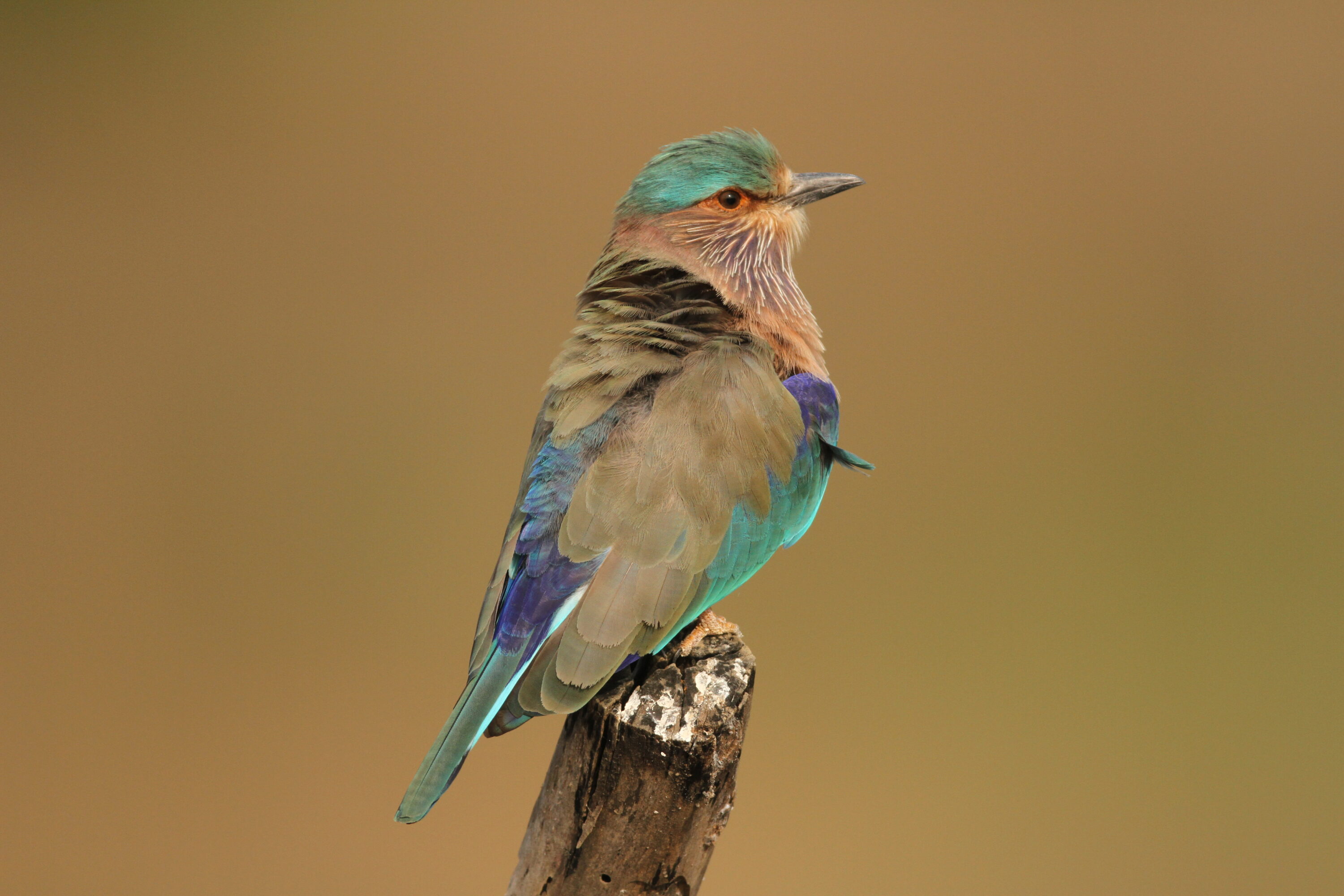
Six Cavity-Nesting Bird Species Bred Successfully in Artificial Nests in Punjab
Punjab Agricultural University reported successful breeding in artificial nests by six cavity-nesting species, including Indian roller, spotted owlet…
Read story →SPECIES IN THIS STORY
Species in this story
Independent research and conservation news archive
Did you find this information useful?
Wildlife Vagabond is independently built and maintained. Voluntary support helps cover source verification, hosting and continued work on research and conservation news.
Support Wildlife VagabondThe news archive will remain freely available.