
Hooded Crows Used Urban Habitats Differently In and Outside the Breeding Season
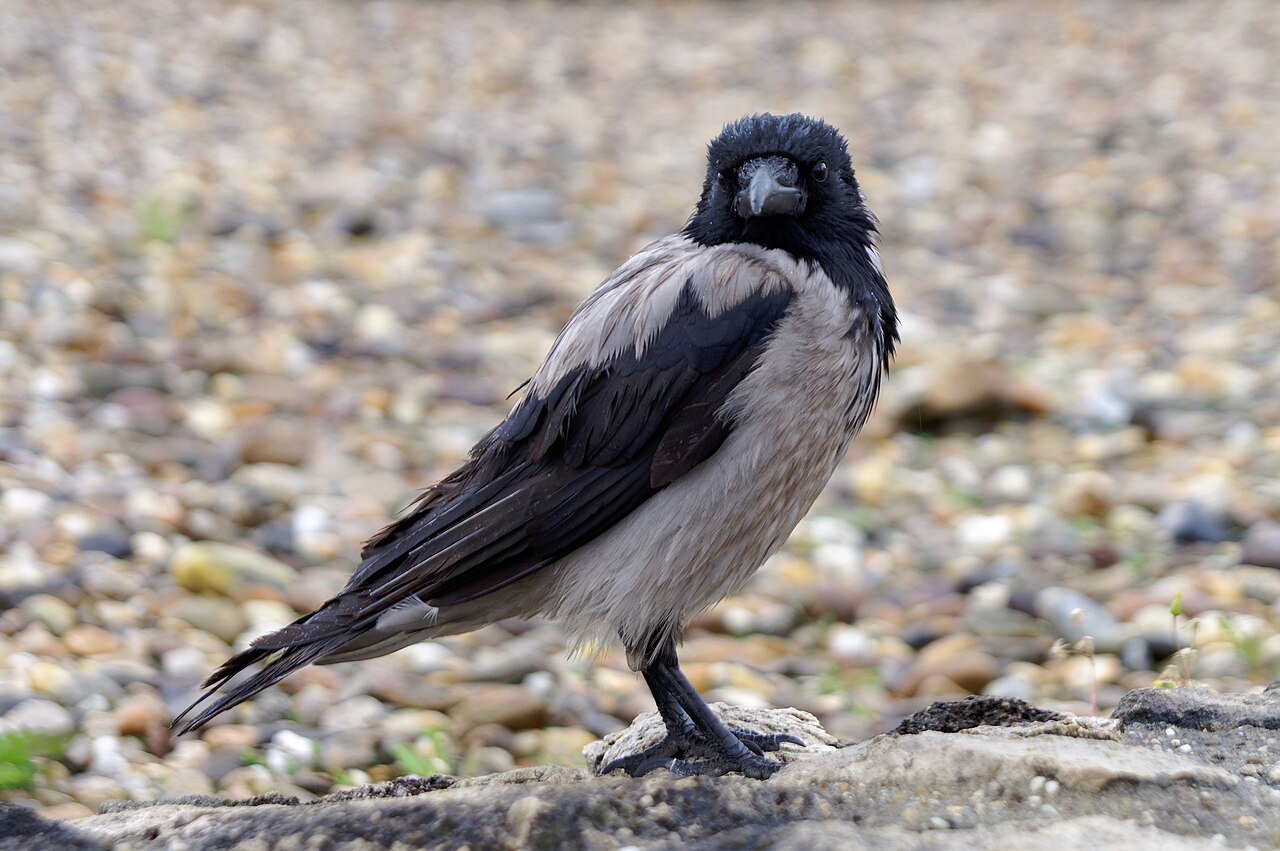
Hooded crows (Corvus corone cornix) used different parts of the city depending on season in a three-year study from Debrecen in eastern Hungary. The study, published on 19 February 2026, found that nesting birds were associated mainly with nest-site availability, while non-breeding flocks increasingly concentrated where anthropogenic food was abundant.
A transect is a predefined line or route used to survey an area systematically, with observations, signs or sampling points recorded along it.
Researchers surveyed 16 urban sections along a roughly 10-km transect in northern Debrecen between December 2016 and December 2019. The sections included parks, residential areas and sports complexes and differed in their area, number of nests, restaurants and public trashbins. In total, 241 surveys were completed across breeding and non-breeding periods.
Nesting crows favoured quieter urban settings
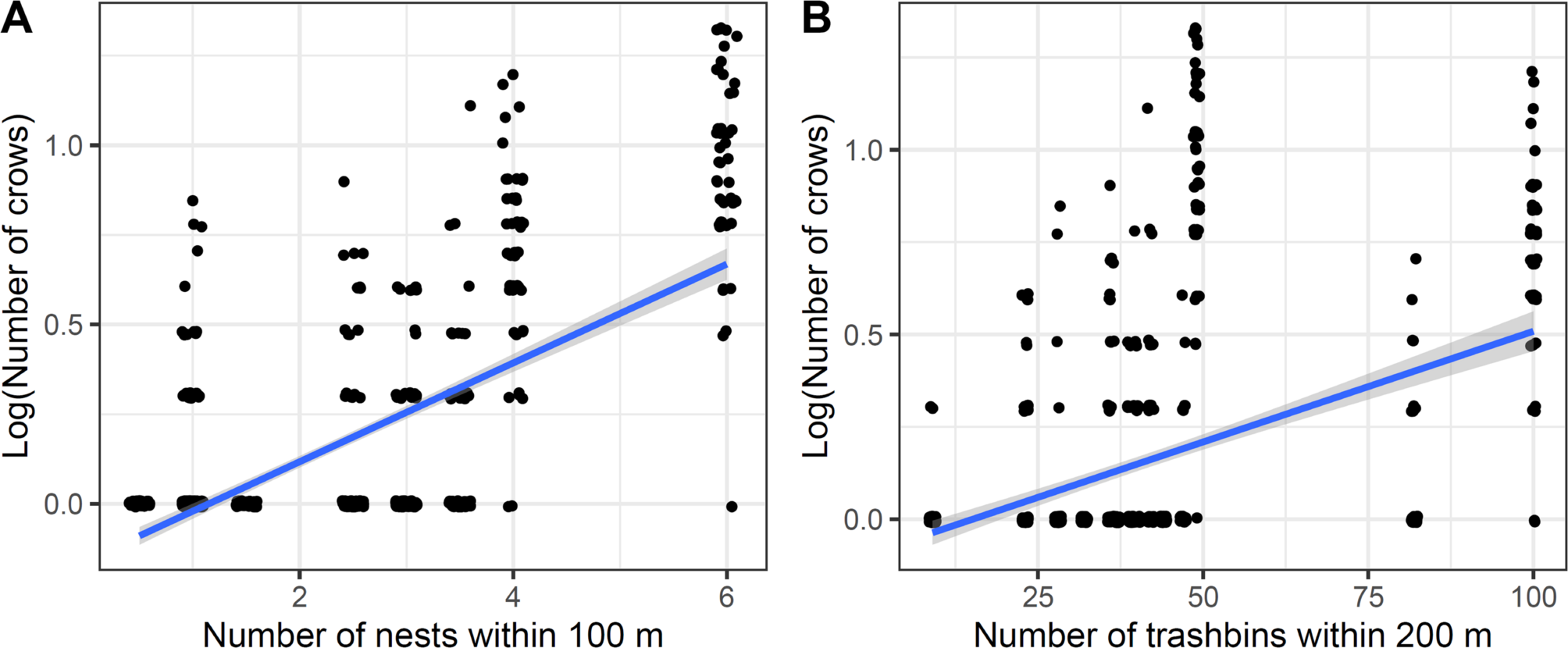
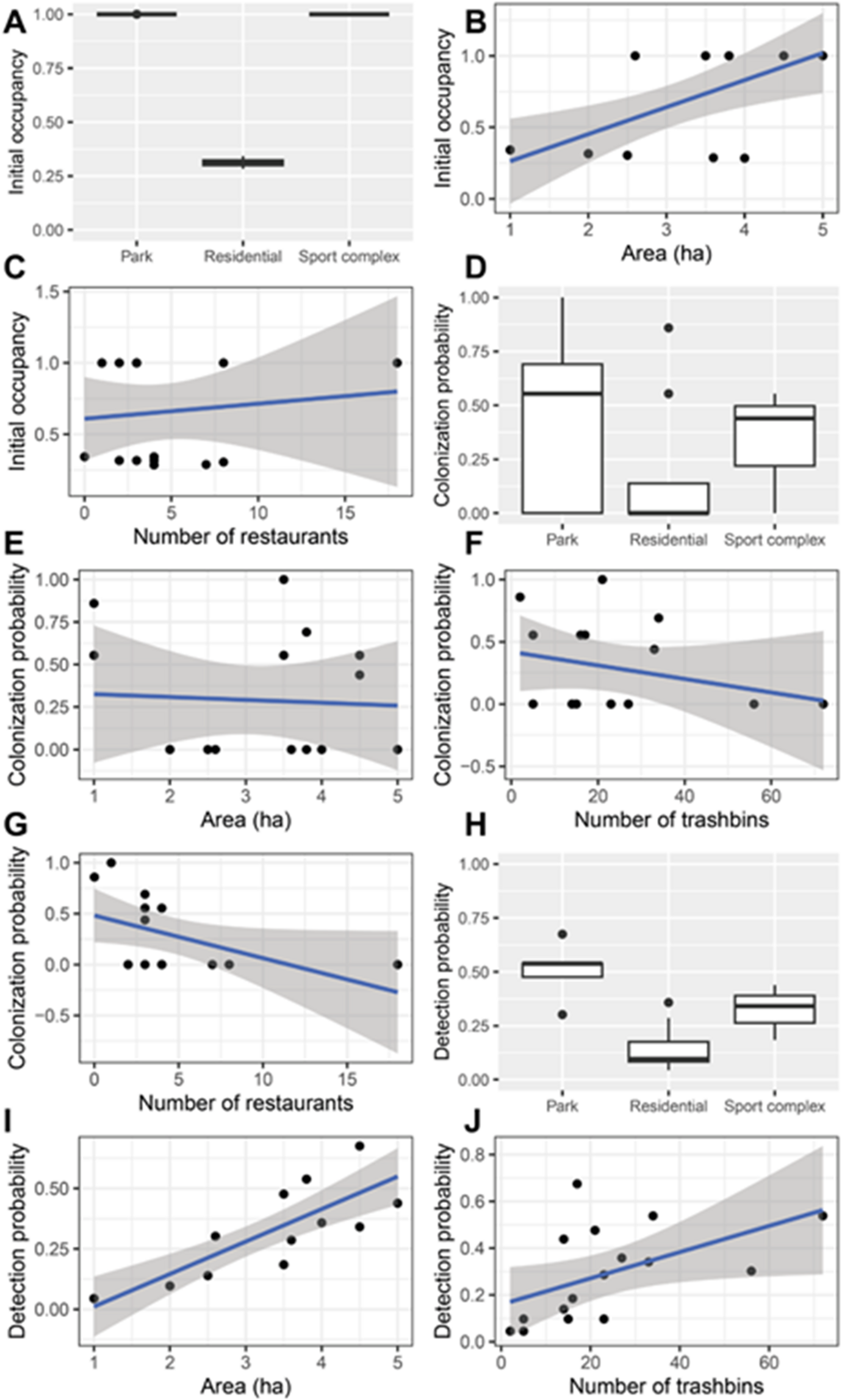
During the breeding season, when pairs defend territories, the number of crows increased with the availability of nesting sites and with the number of trashbins. Habitat type itself did not explain the number of birds recorded. However, the probability that crows colonised a section between breeding seasons showed a different pattern: it was high in parks, sports complexes and quieter residential areas, and low in residential areas with heavy traffic.
Colonisation probability also declined as the number of trashbins and restaurants increased. The authors interpret this contrast as evidence that anthropogenic food can attract crows for feeding without necessarily making the same places favourable for establishing nesting territories, particularly where human disturbance is high.
Non-breeding flocks concentrated around food
Outside the breeding season, the spatial pattern changed. Hooded crows form larger mobile groups after breeding, and in the surveyed sections their numbers increased over time in the area with the highest number of trashbins. Numbers declined in residential areas and remained comparatively stable in parks and sports complexes.
The study therefore separates two important parts of urban habitat use. Nesting requires suitable sites in areas where disturbance is tolerable, while non-breeding flocks can move widely and exploit concentrated food resources. Debrecen is a useful setting for examining this process because hooded crows colonised the city relatively recently; the local breeding population grew from around 10 pairs in 2006 to more than 75 by 2012 and to about 150 pairs by 2019.
The results show that urban crow abundance cannot be explained by food availability alone. The importance of nesting sites, disturbance and food changes with the season and with whether birds are territorial or moving in flocks. The authors suggest that reducing access to anthropogenic food, for example through closed-top trashbins or covered waste areas, could reduce the attraction of some urban sites to crows, while management of breeding birds needs to account for the places where territories and nests are actually established.
Ecology
Related news
Hooded Crows Were Linked to 87 Reported West Nile Virus Bird Outbreaks in Europe
The September ECDC–EFSA report linked hooded crows to 87 reported West Nile virus bird outbreaks, Eurasian magpies to…
Read story →
Hooded Crow Nestlings Had Low Levels of Cadmium, Lead and Arsenic in a Polish Wetland
Blood and feather samples from 29 hooded crow nestlings in Warta Mouth National Park showed low concentrations of…
Read story →
ESBL-Producing Bacteria Found in 61% of Sampled Urban Hooded Crows in Hungary
A Hungarian study found ESBL-producing bacteria in 61% of 212 urban hooded crows but only 7.7% of 52…
Read story →SPECIES IN THIS STORY
Species in this story
Independent research and conservation news archive
Did you find this information useful?
Wildlife Vagabond is independently built and maintained. Voluntary support helps cover source verification, hosting and continued work on research and conservation news.
Support Wildlife VagabondThe news archive will remain freely available.