
Wild Boar in Northern Hungary Had Fewer Alleles After Years of ASF-Related Population Decline
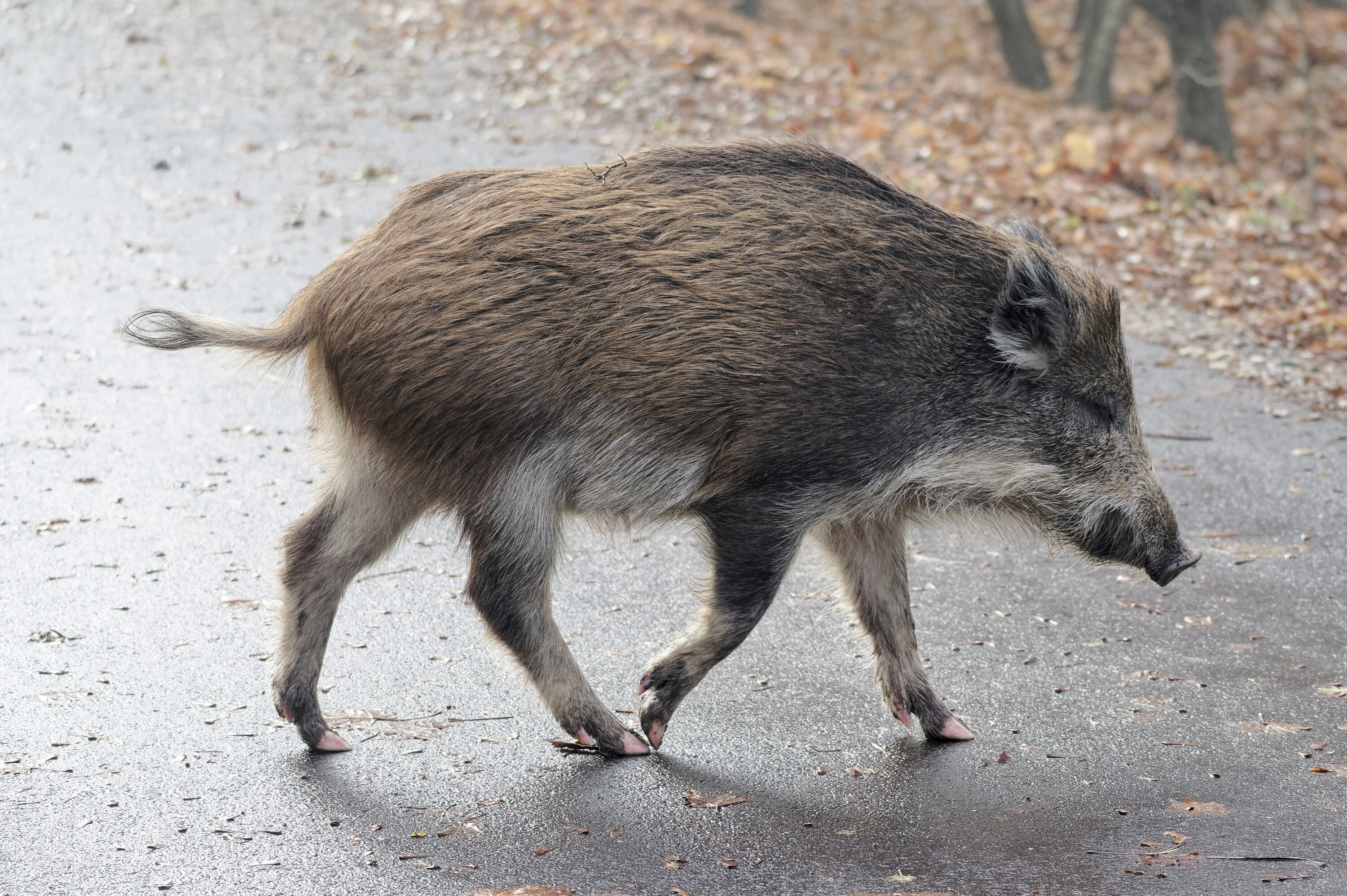
A temporal genetic comparison of wild boar (Sus scrofa) from Nógrád County in northern Hungary found fewer alleles and measurable genetic differentiation after several years of African swine fever (ASF)-related mortality and population reduction. The mean number of observed alleles per microsatellite locus fell from 4.15 in the pre-ASF sample to 3.54 in the 2025 sample.
The analysis was first posted as a preprint on 14 July 2026 and was later peer-reviewed in Genes, where the main conclusions were retained. The study does not show that ASF or management alone caused the genetic change. There was no contemporary unaffected comparison population, so genetic drift, natural turnover and gene flow from neighbouring areas could also have contributed. The authors describe the pattern as consistent with sustained demographic disturbance rather than as a genetic effect that can be assigned to one cause.
The same region was compared before and after ASF
The researchers analysed 132 wild boar at 13 microsatellite loci. Microsatellites are short, repeated DNA regions whose variable versions can be used as genetic markers for comparing individuals and populations. The pre-ASF group consisted of 67 animals from Nógrád County and its immediate surroundings selected from an earlier nationwide genetic survey. The post-ASF group consisted of 65 animals hunted in the same study area in 2025 and submitted through ASF surveillance.
The comparison followed a period of heavy demographic pressure. Official game-management data show that 44,684 wild boar were removed from Nógrád County between 2019 and 2024 through hunting, diagnostic culling or recorded mortality. Those figures describe the broader population context; they do not identify which mechanism produced the genetic differences.
Allele number clearly declined
The clearest diversity result was the decline in allele number. Mean observed alleles per locus fell from 4.15 to 3.54. Allelic richness — the number of alleles standardised so samples of different size can be compared fairly — also fell from 3.92 to 3.30. The proportion of loci that remained polymorphic, meaning that more than one allele was still present, declined from 100% to 92.3%.
Heterozygosity — variation within individuals, reflected by whether the two inherited copies at a marker carry different alleles — moved in the same direction, but the analysis did not clearly support a temporal change. This distinction matters: the study supports a loss of alleles more clearly than a reduction in heterozygosity.
The two time periods were genetically differentiated
Several analyses showed that allele frequencies had shifted between the two sampling periods. FST, a measure of genetic differentiation between samples, indicated a small but clearly detectable temporal difference. Other population-structure analyses supported the same overall pattern.
The separation was therefore detectable without forming two completely discrete populations. That is consistent with a population whose allele frequencies changed over time while movement and gene flow within the wider landscape continued.
No robust signal of a recent genetic bottleneck
The researchers also tested whether the post-ASF sample carried the characteristic genetic pattern expected after a recent population bottleneck — a sharp reduction in population size that can remove genetic variation. One test gave weak evidence of the expected heterozygosity excess, while two others did not. Taken together, the authors conclude that there was no robust recent bottleneck signal.
The estimated effective population size — roughly the size of an idealised breeding population that would show the same amount of genetic drift — was lower after ASF, but uncertainty around both estimates was extremely large. The authors therefore do not use this as firm evidence that effective population size actually declined. Continuing dispersal and gene flow from neighbouring populations could also buffer some genetic effects of local population reduction.
Forensic identification still worked
The study also tested whether the genetic shift weakened the 13-marker panel used for wildlife forensic identification. Its discriminatory power declined modestly because some alleles had become less variable, but the panel still distinguished individuals sufficiently well for forensic use.
The authors also point out that microsatellites provide much lower genomic resolution than genome-wide SNP data, which sample variation at far more positions across the genome. Larger samples and comparisons with both affected and unaffected populations would be needed to separate the effects of ASF mortality, management, drift and gene flow more clearly.
The result is therefore more specific than a general claim that ASF “reduced genetic diversity”: in this northern Hungarian population, allele number clearly declined and allele frequencies shifted over time, while the analysis did not clearly support a heterozygosity decline and no robust recent bottleneck was detected.
Genetics & genomics
Related news
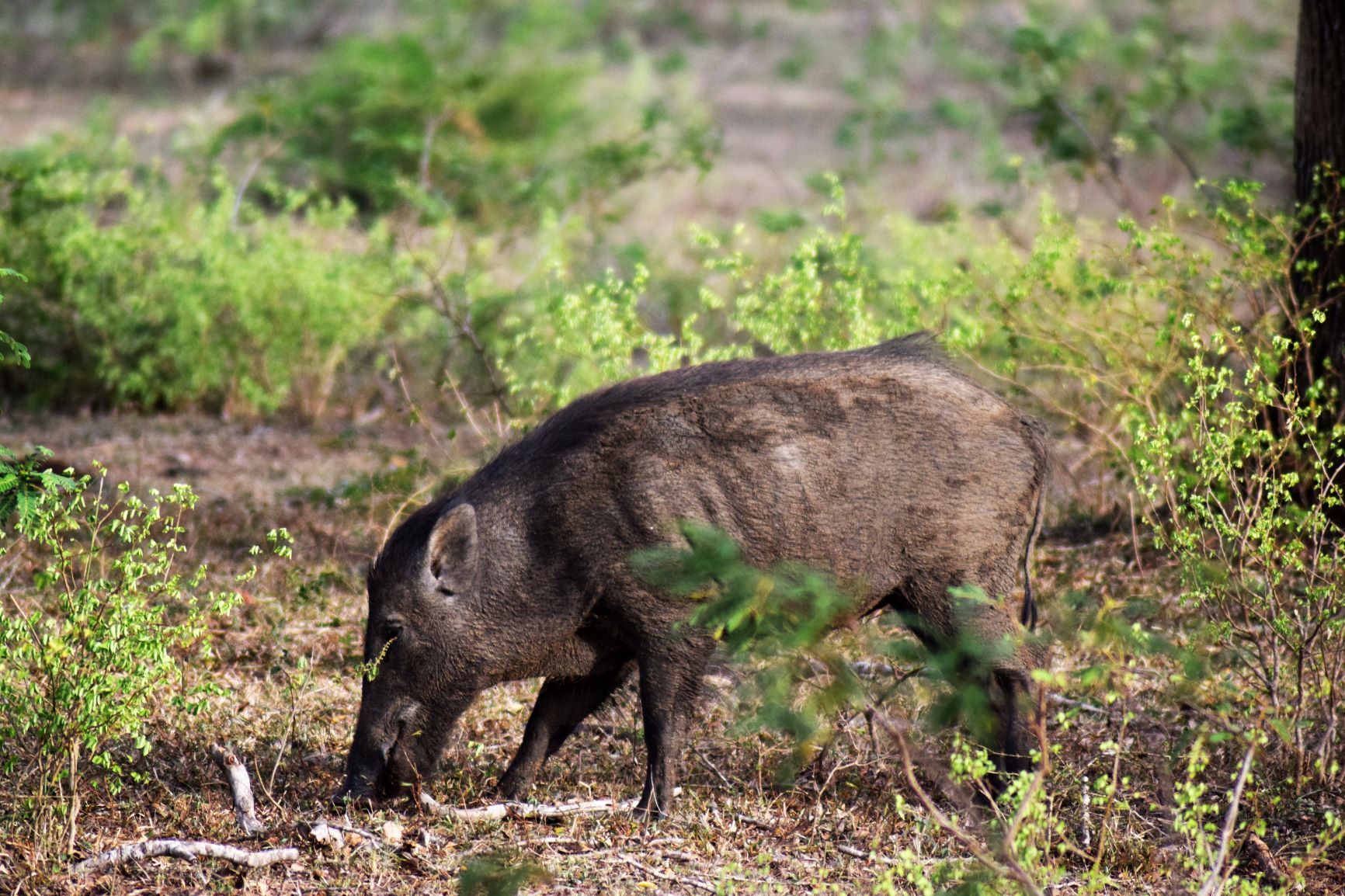
Maps Show Where Wild Boar Could Thrive and Spread on Jeju Island
Researchers mapped potentially suitable wild-boar habitat across roughly 36% of Jeju Island and identified eight possible corridors linking…
Read story →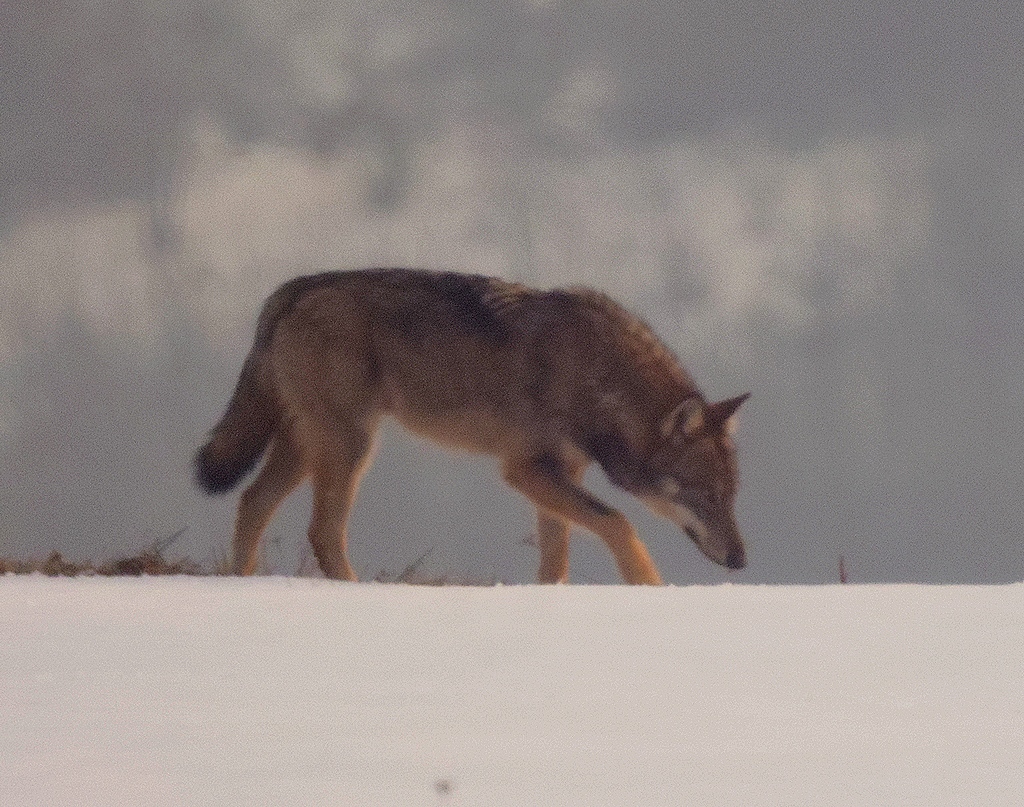
Roe Deer and Wild Boar Remained Key Wolf Prey as Diet Shifted Across North-western Italy
From 2021 to 2025, wolves in north-western Italy continued to feed mainly on wild prey. In the Po…
Read story →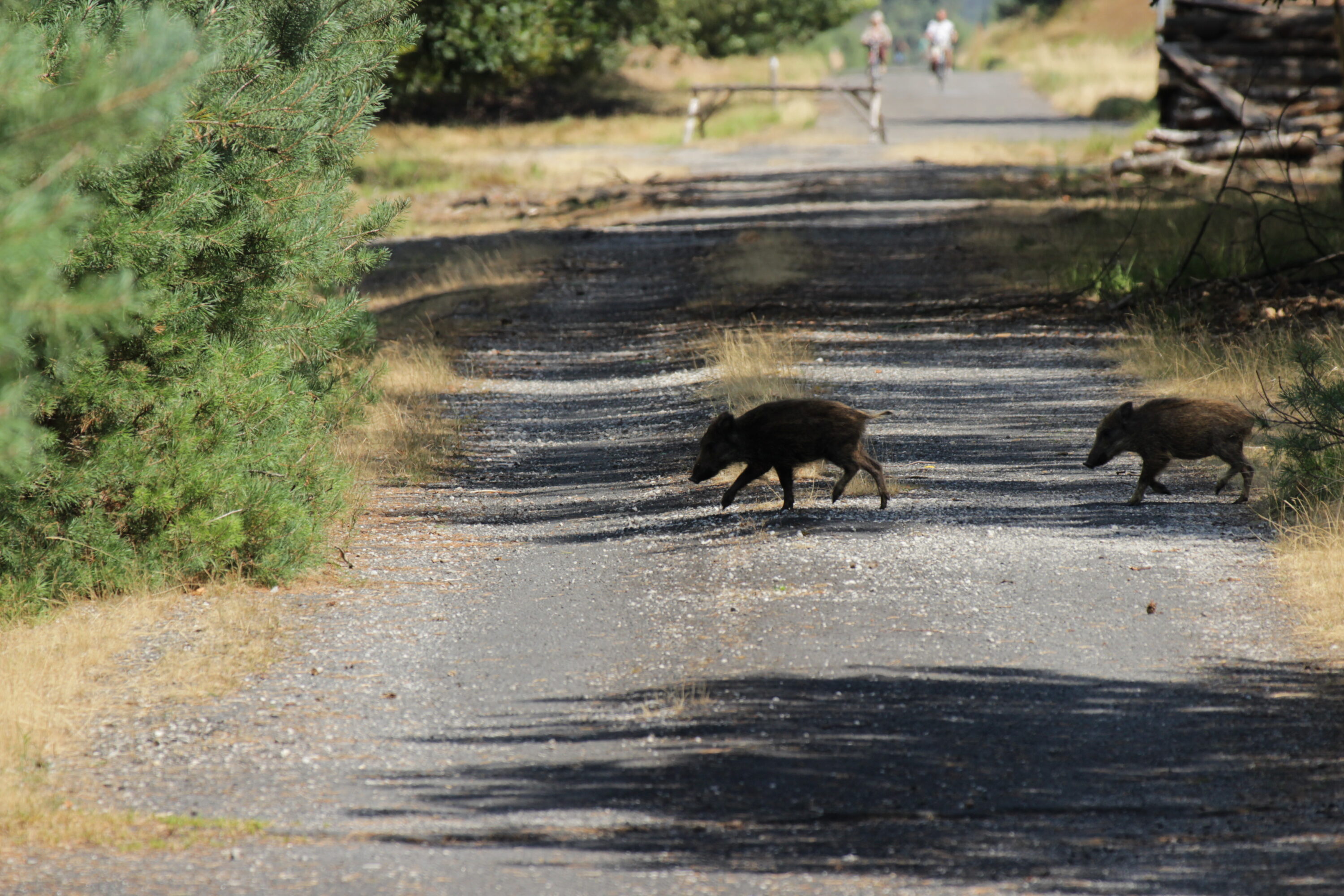
Copper levels in wild boar differed across Slovak districts
An analysis of kidney, liver and muscle from 147 wild boar in four districts found that iron and…
Read story →SPECIES IN THIS STORY
Species in this story
Independent research and conservation news archive
Did you find this information useful?
Wildlife Vagabond is independently built and maintained. Voluntary support helps cover source verification, hosting and continued work on research and conservation news.
Support Wildlife VagabondThe news archive will remain freely available.