
Road Counts Indicated a Roughly 76% Decline in Jackal Buzzards in Central South Africa
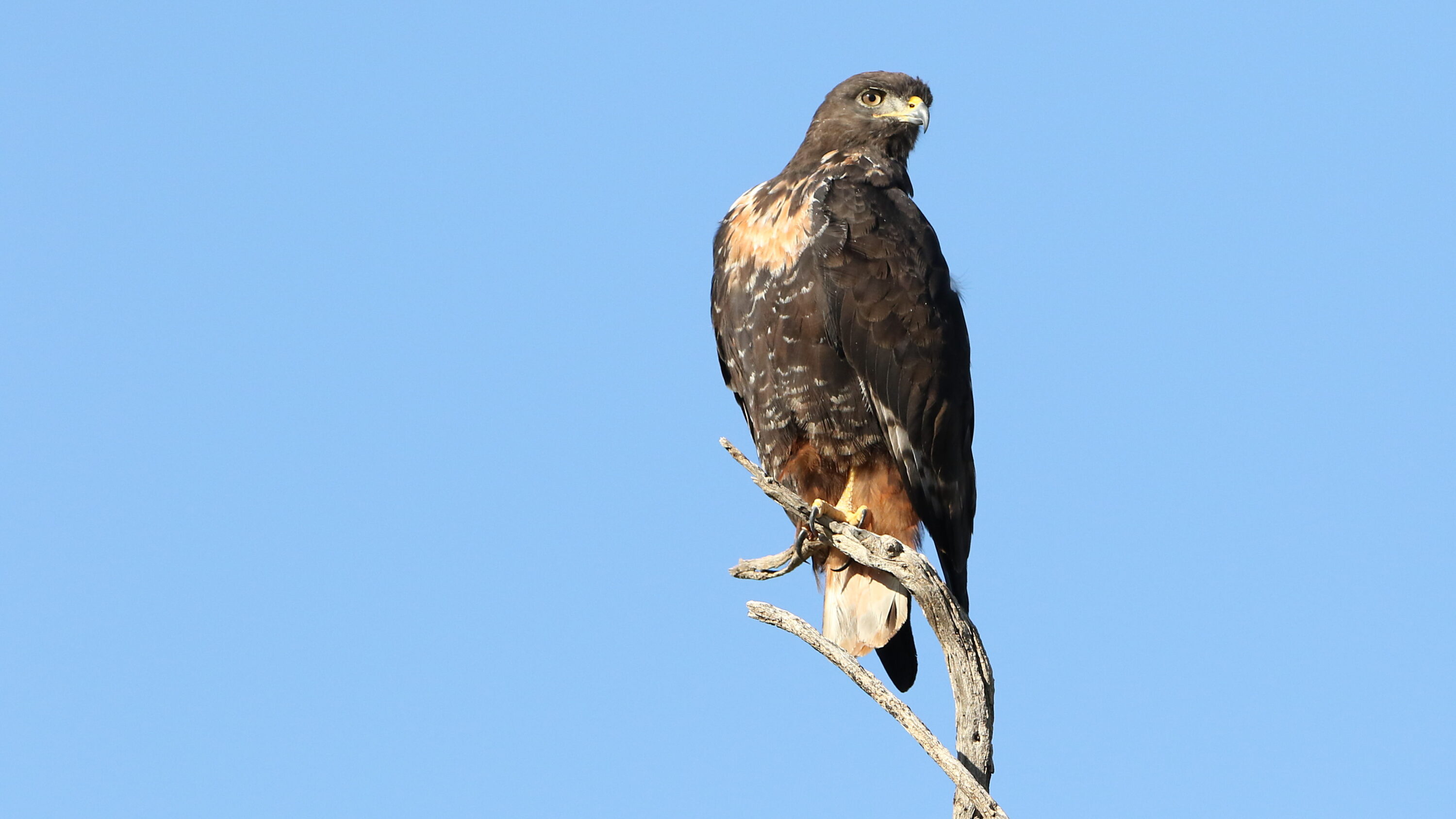
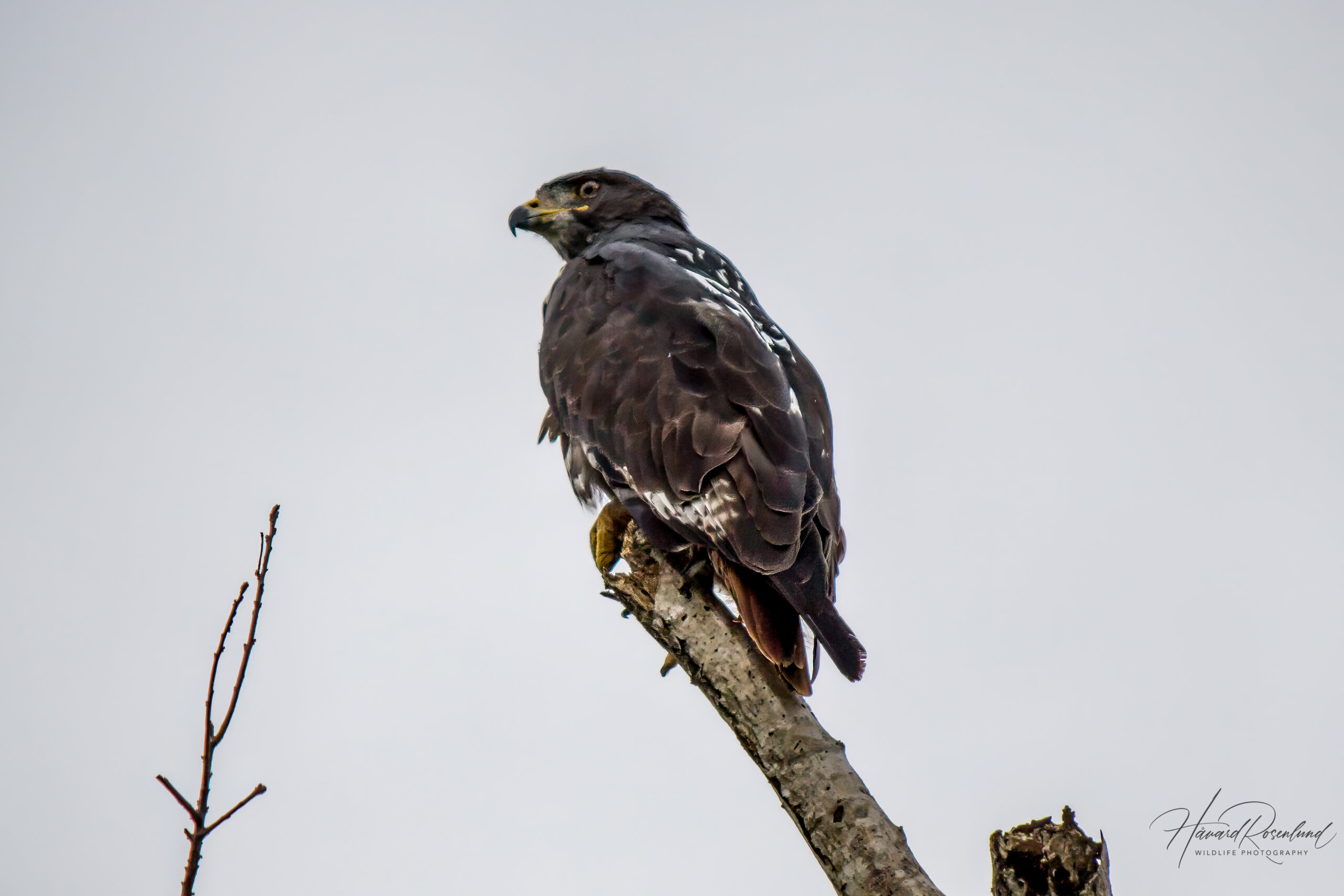
Long-term road counts across central South Africa produced a steep downward trend for the jackal buzzard (Buteo rufofuscus). The model indicated a decline of about 76% over the 16-year study period, even though the species is currently classified as Least Concern both globally and regionally.
A transect is a predefined line or route used to survey an area systematically, with observations, signs or sampling points recorded along it.
Researchers analysed more than 750 road-count transects covering almost 392,000 km between 2009 and 2025, mainly through Nama-Karoo, savanna and grassland. For resident species such as the jackal buzzard, they modelled how counts changed from 2009 to the end of 2024. Jackal buzzards were widespread enough to be recorded on hundreds of transects, but their counts declined strongly through time.
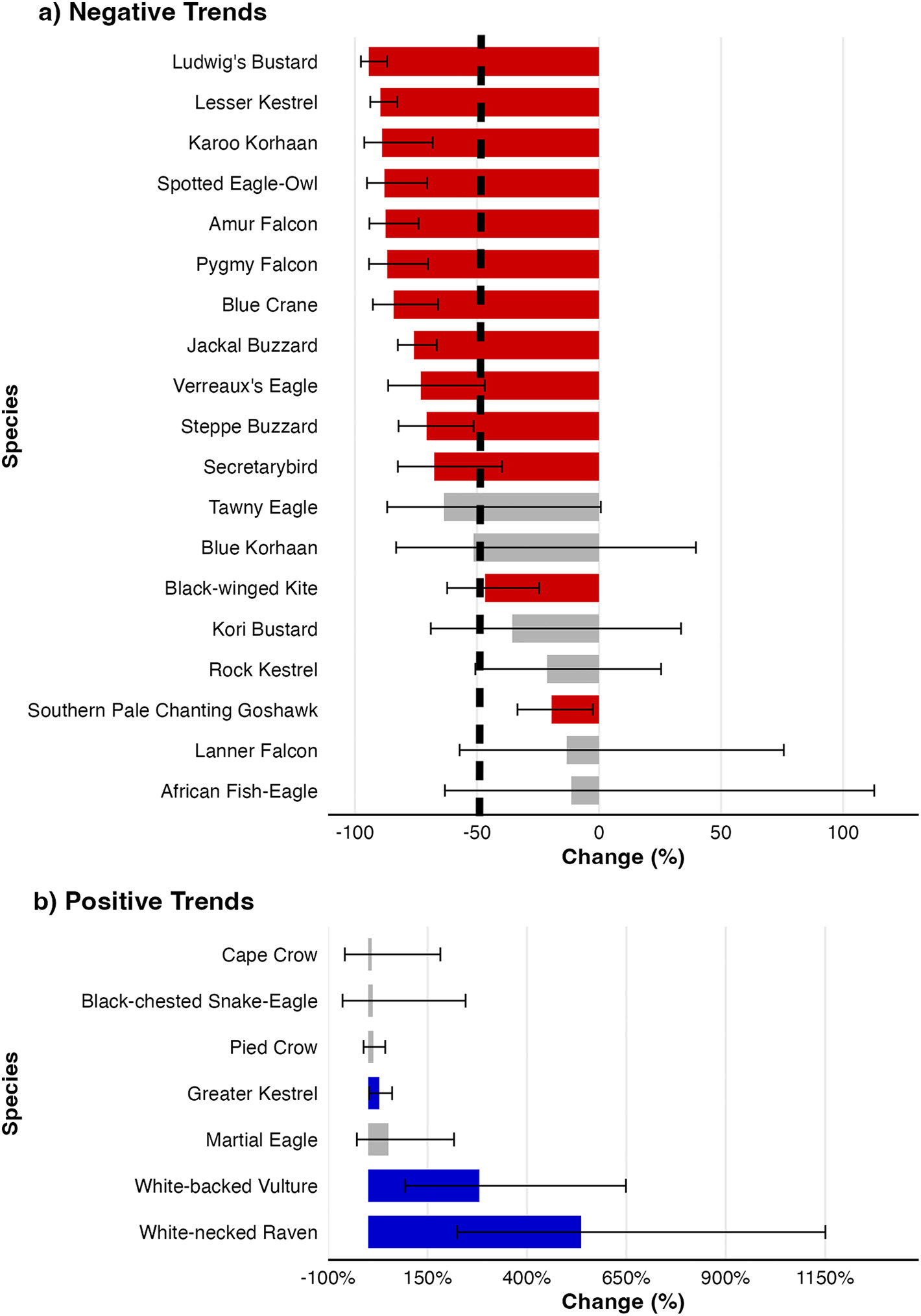
Ten raptor species showed clear declines
The result was part of a broader pattern. Thirteen of the 26 bird species included in the road-count analysis showed clear declines, including ten raptors. Eight of those raptor species declined by more than half. Spotted eagle-owl (Bubo africanus) showed one of the steepest estimated declines, at about 88%, while the migratory steppe buzzard (Buteo buteo vulpinus) declined by about 71%. Like the jackal buzzard, both are classified as Least Concern in the conservation assessments used by the study.
Only three of the 26 assessed species showed clear increases. White-necked raven (Corvus albicollis) was the strongest example in the road counts, but the atlas reporting-rate analysis did not show a comparable clear increase, illustrating again that the two monitoring approaches could produce very different trend signals.
Road counts and atlas reporting often disagreed
The researchers also compared their road-count results with reporting-rate trends from the Southern African Bird Atlas Project 2 (SABAP2) over the same broad area and period. Reporting rate is the proportion of submitted bird lists on which a species is recorded; it reflects how often observers report a species, not how many individuals they count. Only half of the 24 comparable species showed trends in the same direction. In 11 of the 12 cases where the directions differed, road counts indicated a decline while SABAP2 reporting rates increased. For jackal buzzard, the road-count trend was strongly negative whereas its SABAP2 reporting rate increased.
The authors argue that changes in checklist reporting rates may therefore fail to reveal some changes in abundance across large areas. They stress that this matters for species such as the jackal buzzard because substantial declines can occur without being reflected in their current threat category. Based on the road-count results, they recommend reassessing the conservation status of several species that remain classified as non-threatened.
The study did not identify a single cause for the declines
The study did not identify a single cause behind the raptor declines. The declining species ranged from large specialists to medium-sized generalists such as the jackal buzzard and small migratory insect-eaters, making one common explanation difficult to identify from their life histories. The authors also note that their road-count analysis did not explicitly account for imperfect detection, which could influence estimated counts and trends if detectability changed systematically through time.
The study was published in Biological Conservation in March 2026.
Population & status
Related news
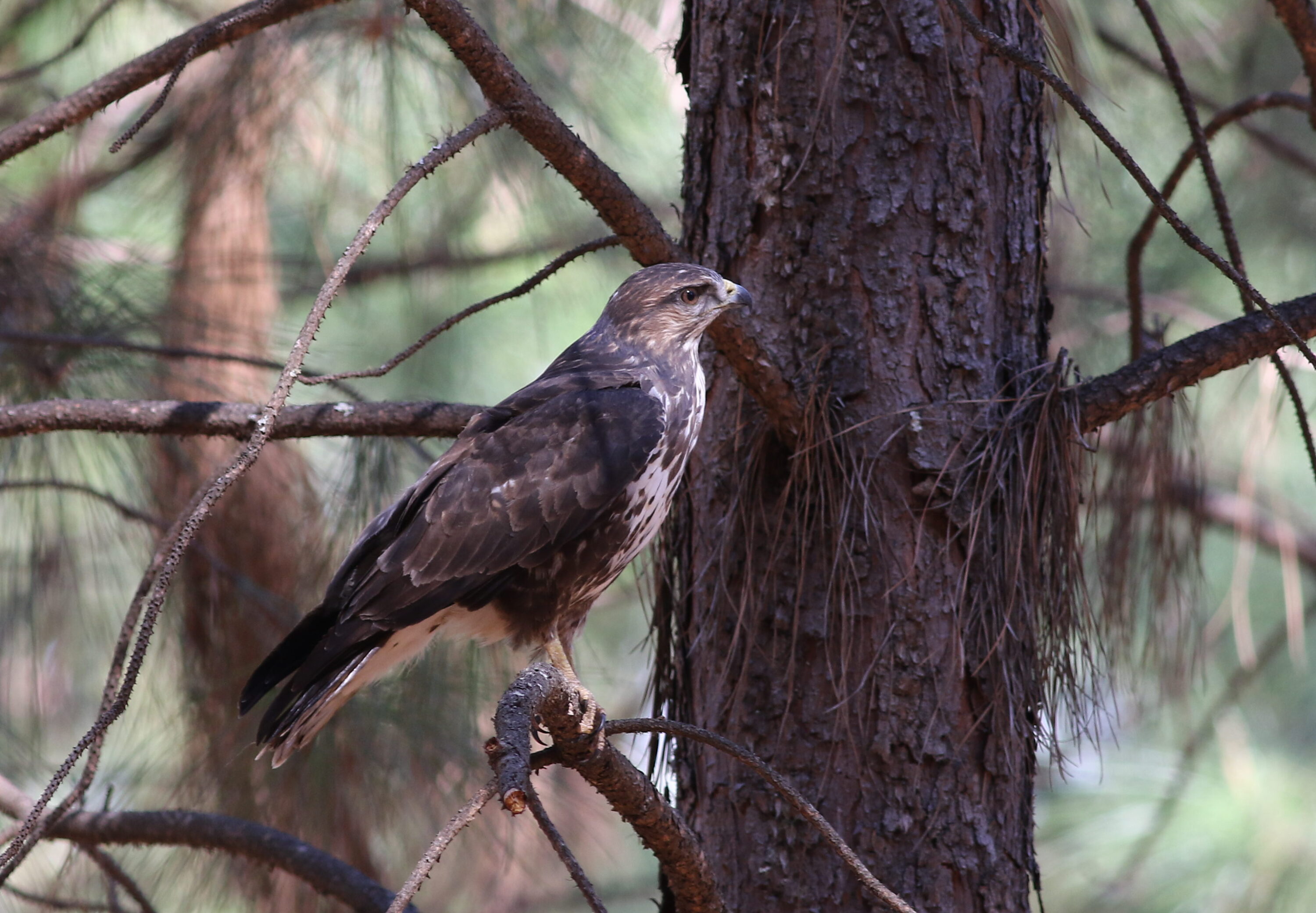
Garden Route Project Asks Public to Report Colour-ringed Buzzards
A new public reporting campaign asks people across South Africa’s Garden Route to report white colour rings on…
Read story →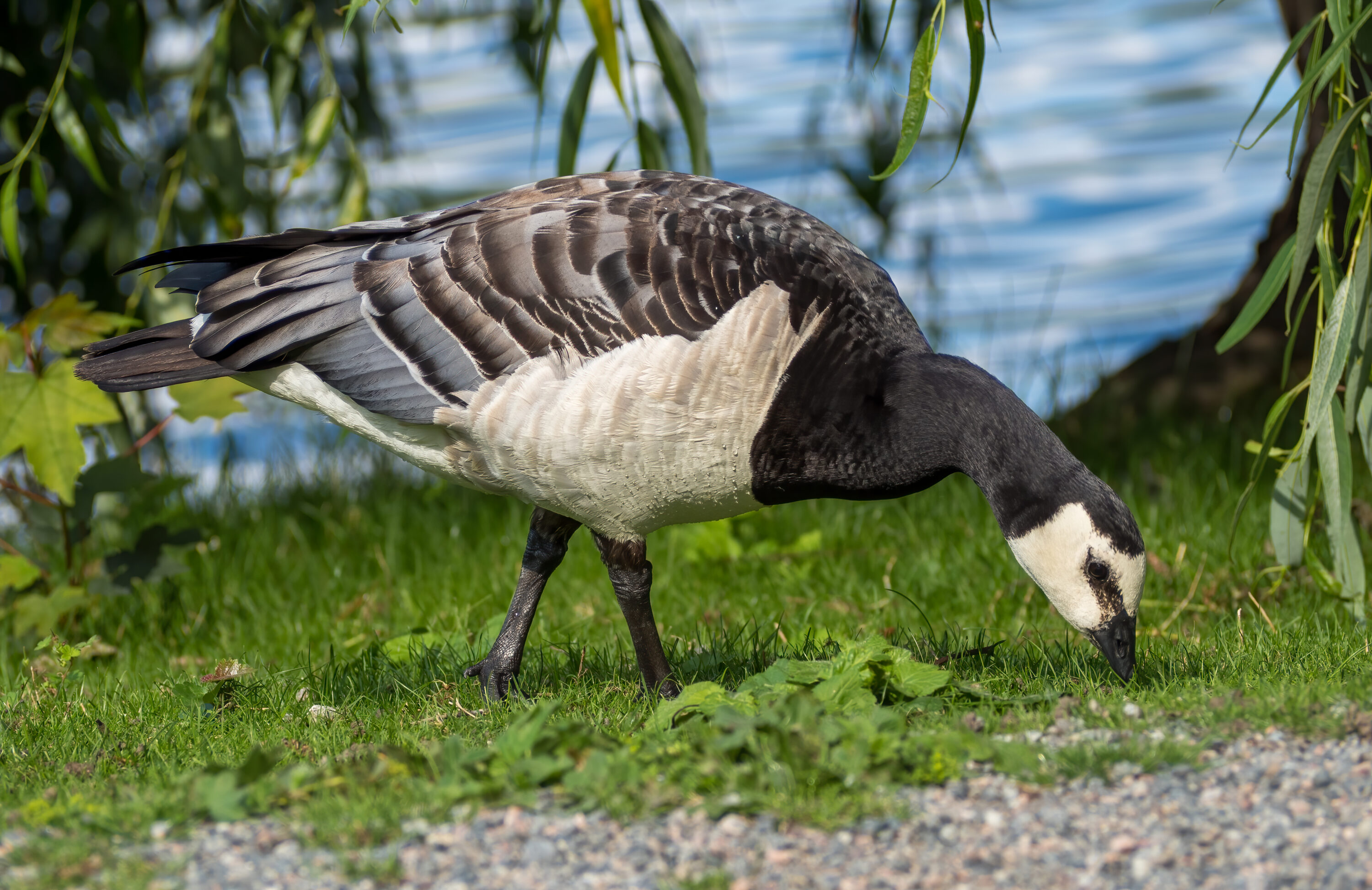
Barnacle Goose Breeding Population Fell 98% on Gotland and Öland – Eagle Predation a Likely Factor
Breeding pairs of Barnacle Geese on Gotland and Öland fell from about 5,290 in 2002 to roughly 100…
Read story →
51 Years of Bullfinch Monitoring Revealed Decline, Male Bias and Age-Matched Pairs
A 51-year study in Treswell Wood, England, recorded a strong Eurasian Bullfinch decline. Among 2,065 ringed birds, males…
Read story →SPECIES IN THIS STORY
Species in this story
Independent research and conservation news archive
Did you find this information useful?
Wildlife Vagabond is independently built and maintained. Voluntary support helps cover source verification, hosting and continued work on research and conservation news.
Support Wildlife VagabondThe news archive will remain freely available.