
Nine Migratory Shorebirds Concentrated on a Prey-Rich Kerala Beach Despite High Predator Numbers
A nine-year study in Kadalundi–Vallikkunnu Community Reserve on the west coast of Kerala, India found that nine migratory shorebird species continued to concentrate most strongly on the reserve’s sand beach, where prey, shorebird and human-disturbance densities were highest. Predator density was also high there, although predator attack rates were lower on the beach than in the mangroves and mudflats.
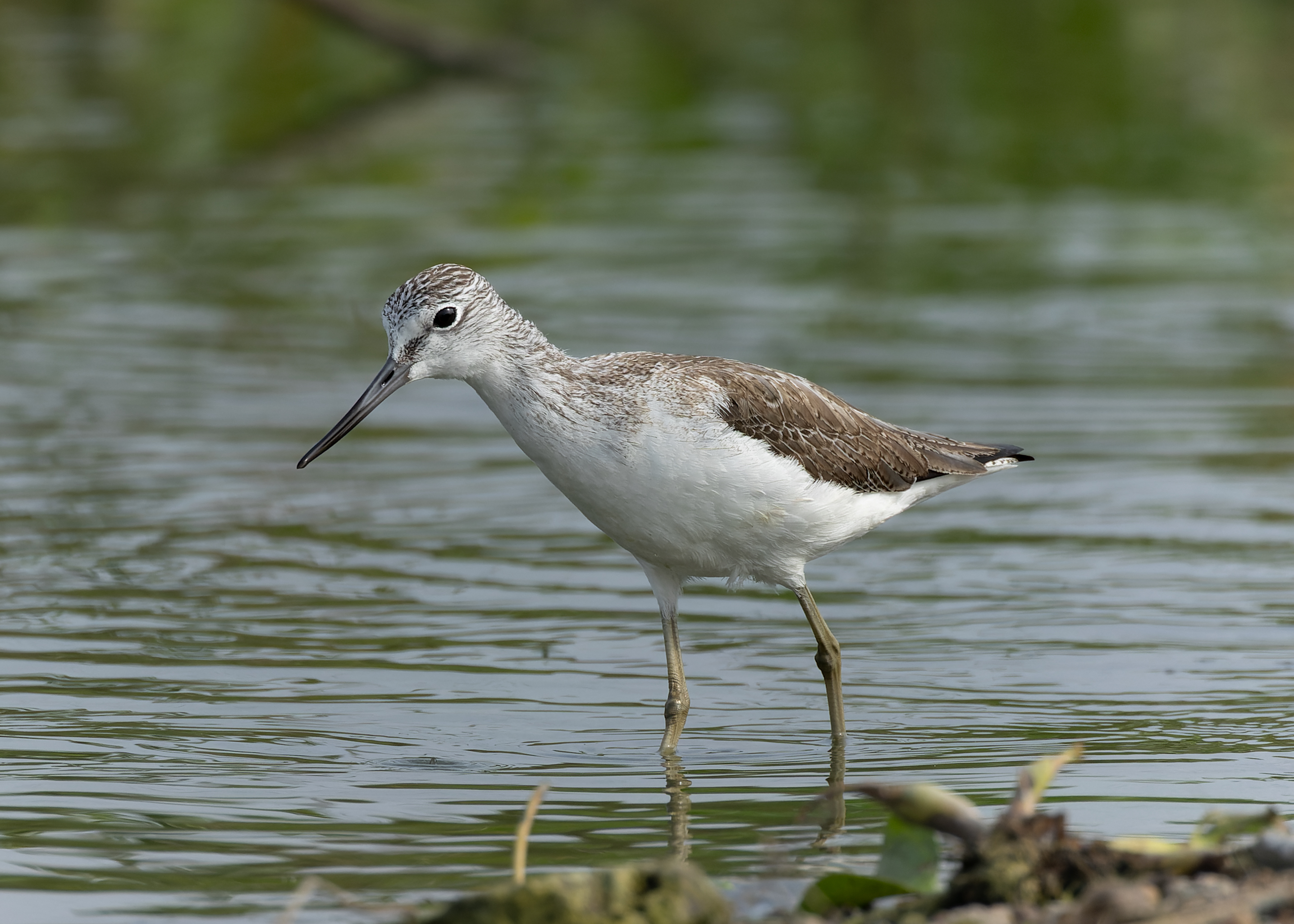
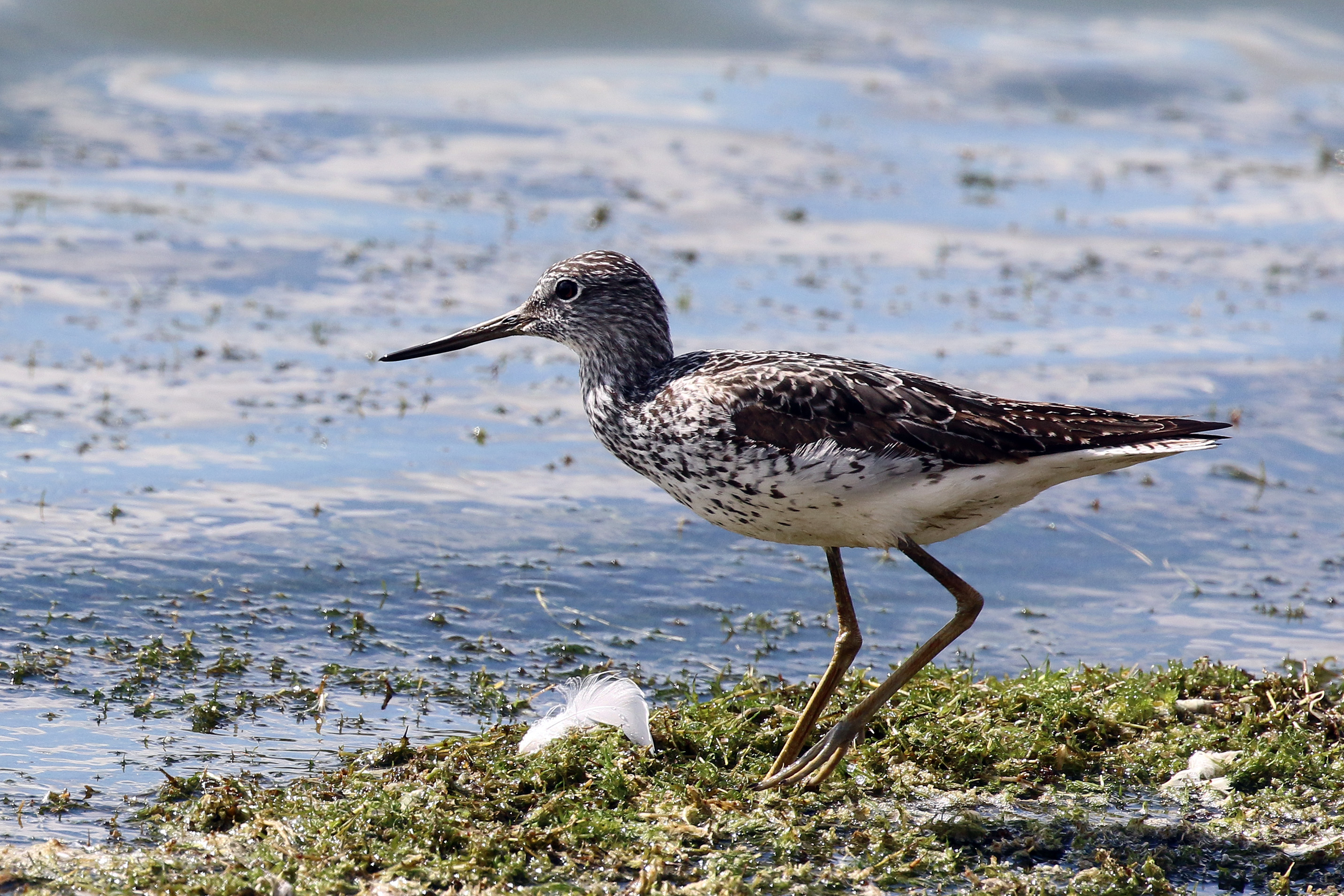
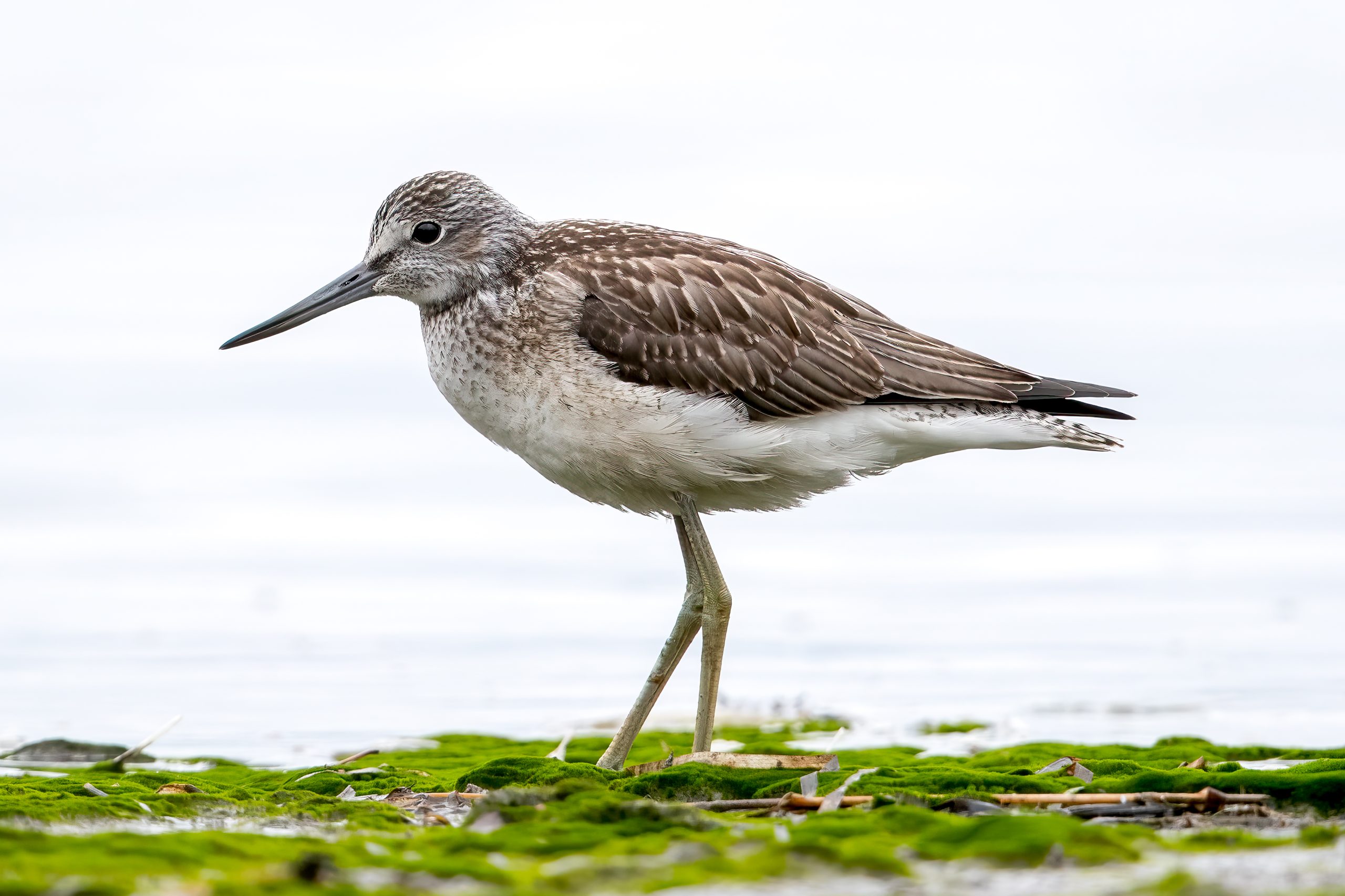
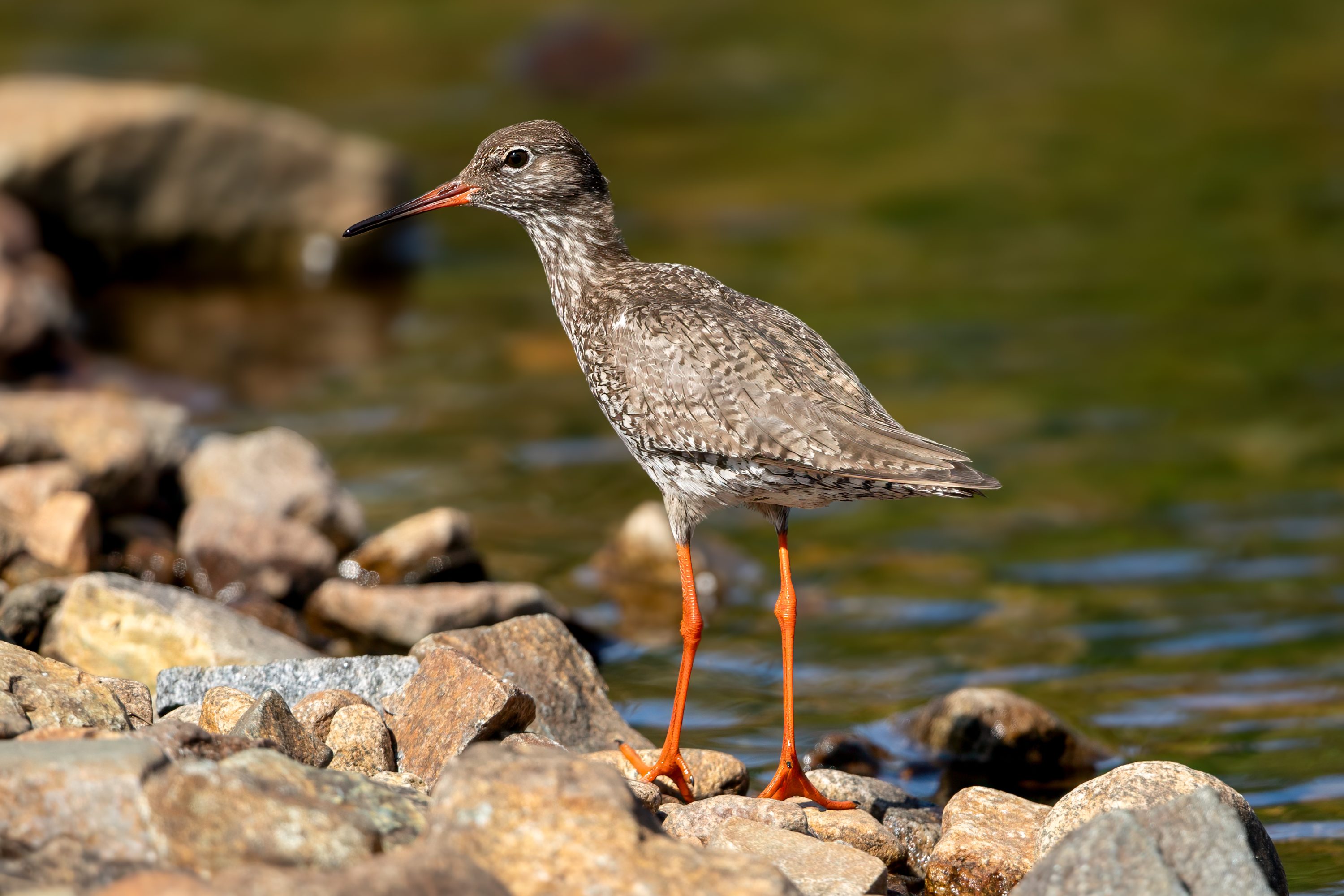
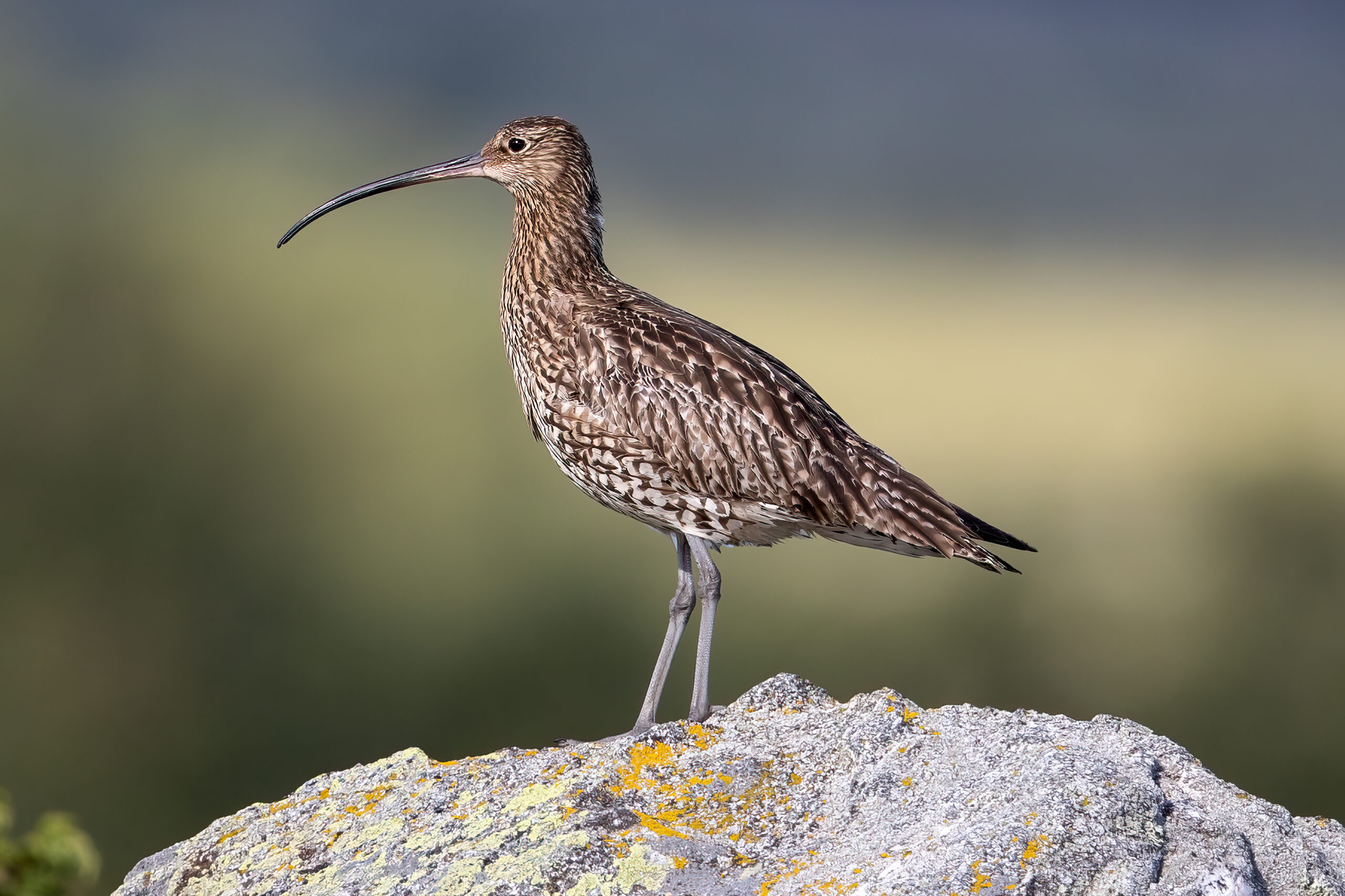
The researchers compared mudflats, mangroves and sand beach habitat and examined how shorebird density and food intake responded to prey, predators, other shorebirds and disturbance. The nine focal species were Tibetan Sand Plover (Anarhynchus atrifrons), Greater Sand Plover (Charadrius leschenaultii), Pacific Golden Plover (Pluvialis fulva), Common Redshank (Tringa totanus), Common Greenshank (Tringa nebularia), Whimbrel (Numenius phaeopus), Eurasian Curlew (Numenius arquata), Terek Sandpiper (Xenus cinereus) and Sanderling (Calidris alba). Across all nine species, density increased with prey density and with the density of other shorebirds.
Predator effects varied among species
Predator effects varied among species. Common Greenshank, Eurasian Curlew, Greater Sand Plover and Pacific Golden Plover occurred at lower densities as predator density increased, while Whimbrel and Pacific Golden Plover also declined where predator attack rates were higher. Feeding responses were similarly species-specific: greater prey density increased intake rate in Common Greenshank and Sanderling, whereas higher predator density reduced intake in Eurasian Curlew, Greater Sand Plover and Whimbrel. The nine species therefore shared a strong attraction to prey-rich feeding grounds without responding uniformly to the risks present there.
Human disturbance also reshaped the food web
Human activities shaped the system indirectly as well as through disturbance. Disposal of poultry waste provided a persistent food subsidy for predators, contributing to exceptionally high predator densities and attack rates across the reserve. Even so, the sand beach remained the principal feeding area because it also offered abundant prey. The study did not measure direct lethal predation, but it documented non-lethal effects through reduced food intake in several species. The authors describe the system as one in which attractive feeding cues could create an ecological trap. They recommend eliminating or substantially reducing poultry-waste disposal, preferably beginning from May to August when migratory shorebirds are absent or scarce, because an abrupt reduction in subsidised food could initially shift predators toward natural prey.
Ecology
Related news
Coastal Stopover Dependence Best Predicted Which Shorebirds Declined in Bangladesh Counts
Fourteen years of counts on Sonadia Island found downward trends in 12 of 20 migratory shorebirds. Seven of…
Read story →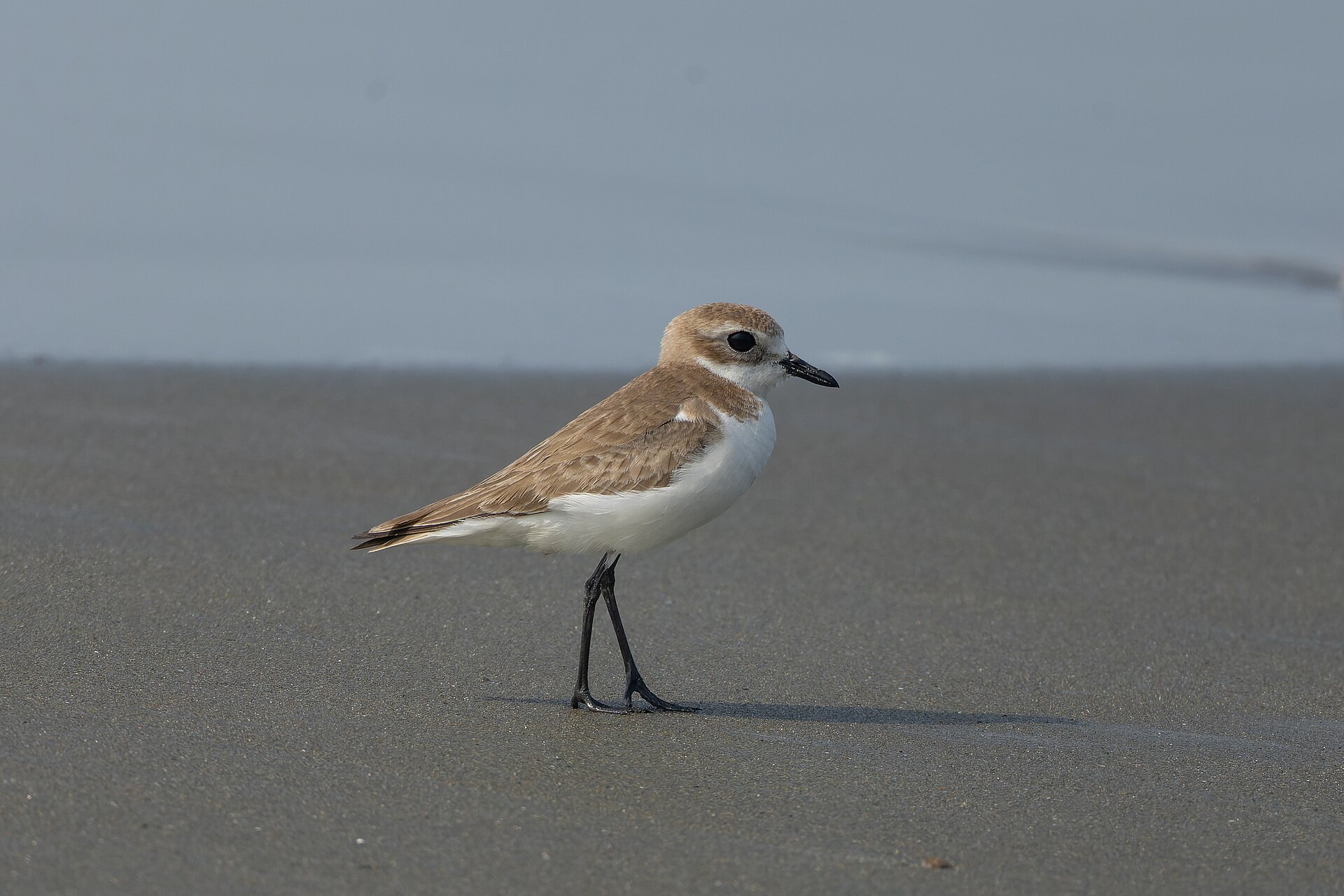
Six Migratory Shorebirds Were Linked to Habitat Complexes Beyond Tidal Flats
Across the East Asian–Australasian Flyway, six shorebirds were associated not only with tidal flats but also with nearby…
Read story →
Scotland Proposed 14 Wader Recovery Areas From Shetland to the Central Belt
NatureScot and Working for Waders began consultation on 14 proposed recovery landscapes in May 2026, aiming to concentrate…
Read story →SPECIES IN THIS STORY
Species in this story
Independent research and conservation news archive
Did you find this information useful?
Wildlife Vagabond is independently built and maintained. Voluntary support helps cover source verification, hosting and continued work on research and conservation news.
Support Wildlife VagabondThe news archive will remain freely available.