
Lansdowne Records Included 539 Rhesus Macaque Bite Incidents Across Three Years

Records from the Lansdowne Forest Division in Uttarakhand, India documented 539 reported rhesus macaque (Macaca mulatta) bite incidents across three annual periods from 2015 to 2018. The number increased from 168 in 2015–2016 to 180 the following year and 191 in 2017–2018.
The bite dataset was built from self-reported incidents collected with access to the Government Base Hospital in Kotdwar and Primary Health Center in Dugadda, then checked against village-council and municipal records where possible. A structured Hindi questionnaire was also used in rural and peri-urban communities. The 539 figure therefore represents reported bite incidents, not a population-adjusted bite rate, and the study did not classify the severity of the injuries. Men accounted for 283 incidents and women for 256, with no clear overall sex difference. People aged 16–35 made up the largest age group among recorded bite recipients, at about 39%.
Crop-damage figures came from farmers’ reports, not field plots
Farmers also described substantial crop raiding. In some localities, respondent-based estimates suggested that around 70% of agricultural land had been affected by rhesus macaque foraging. Farmers also attributed roughly 25–30% damage in legumes and vegetables and 20–25% of annual mango losses to macaques. These figures describe reported local experience, not measured crop loss: the study did not validate them with direct field plots or yield measurements.
Field observations identified several circumstances that could increase contact between people and macaques. Human settlements offered orchards, crops and other edible plants, while poorly managed household and agricultural waste provided additional food; the authors also describe forest disturbance around some ranges. These observations make food attractants and habitat change plausible contributors to conflict, but the study was descriptive and did not quantify the causal effect of each factor on bite incidents or crop damage. The authors therefore recommend reducing accessible waste and other food attractants alongside broader habitat measures.
Human–wildlife conflict
Related news
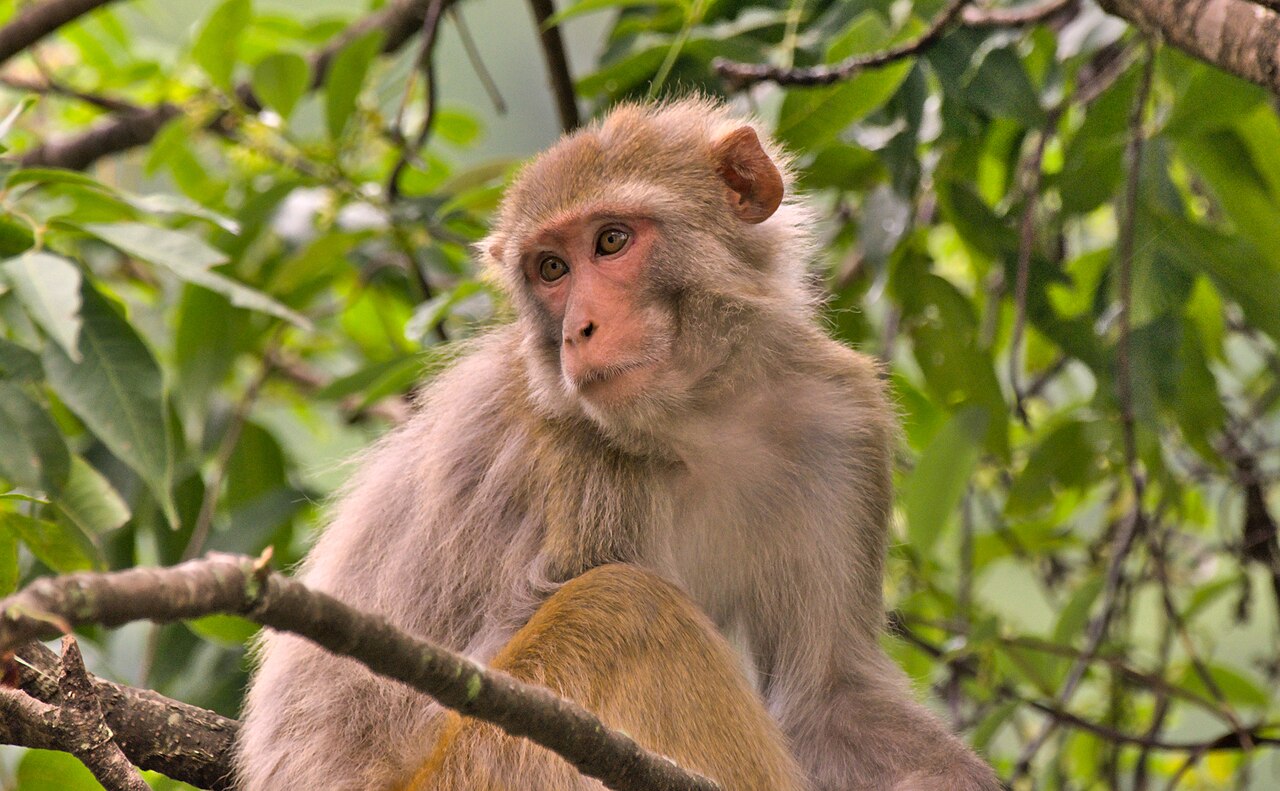
Female Rhesus Macaques That Watched Unfamiliar Female Faces Longer Were More Likely to Have Offspring the Following Year
At a semi-free-ranging population in Puerto Rico, females that spent longer looking at an unfamiliar female’s neutral face…
Read story →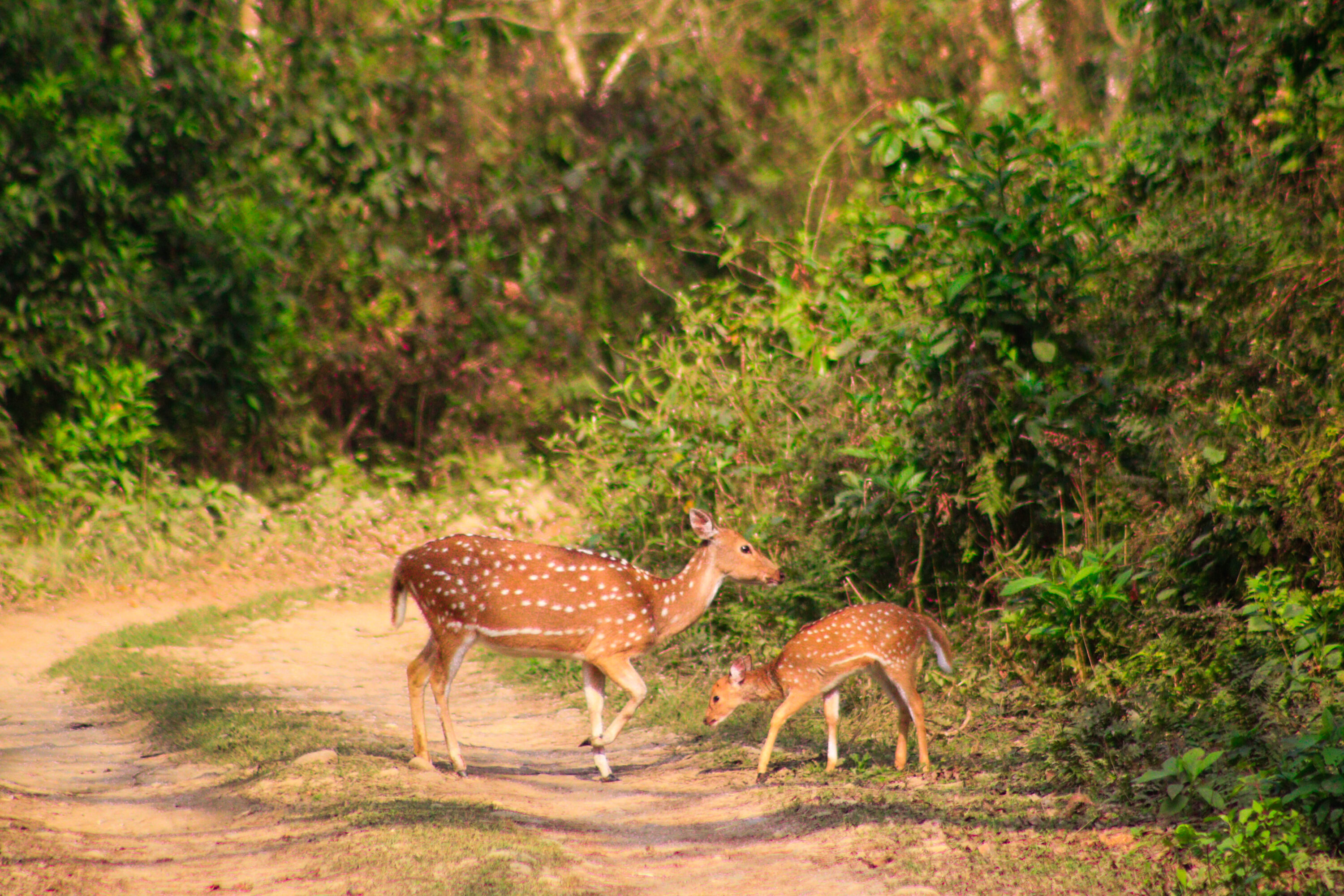
Human Activity and Large Wildlife Overlapped Most in Chitwan’s Buffer Zone
Camera traps across Chitwan National Park and surrounding forests showed the greatest overlap of human activity with large…
Read story →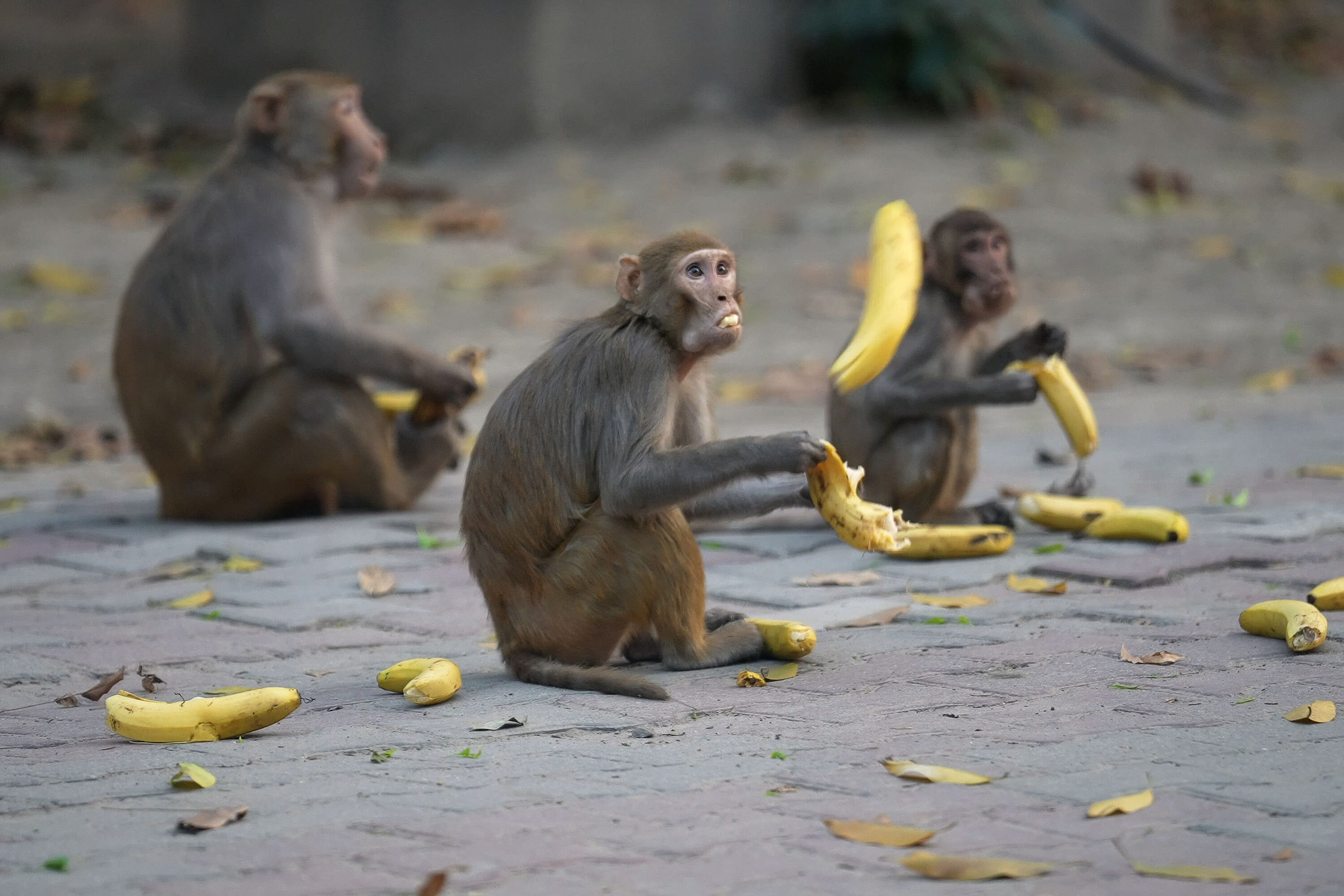
Aging rhesus macaques show broader protein changes in blood than in brain fluid
A study of 66 rhesus macaques found age-related differences in many more measured proteins in plasma than in…
Read story →SPECIES IN THIS STORY
Species in this story
Independent research and conservation news archive
Did you find this information useful?
Wildlife Vagabond is independently built and maintained. Voluntary support helps cover source verification, hosting and continued work on research and conservation news.
Support Wildlife VagabondThe news archive will remain freely available.