
Lough Neagh Lesser Black-backed Gulls Tracked to an Abattoir and as Far as Mauritania
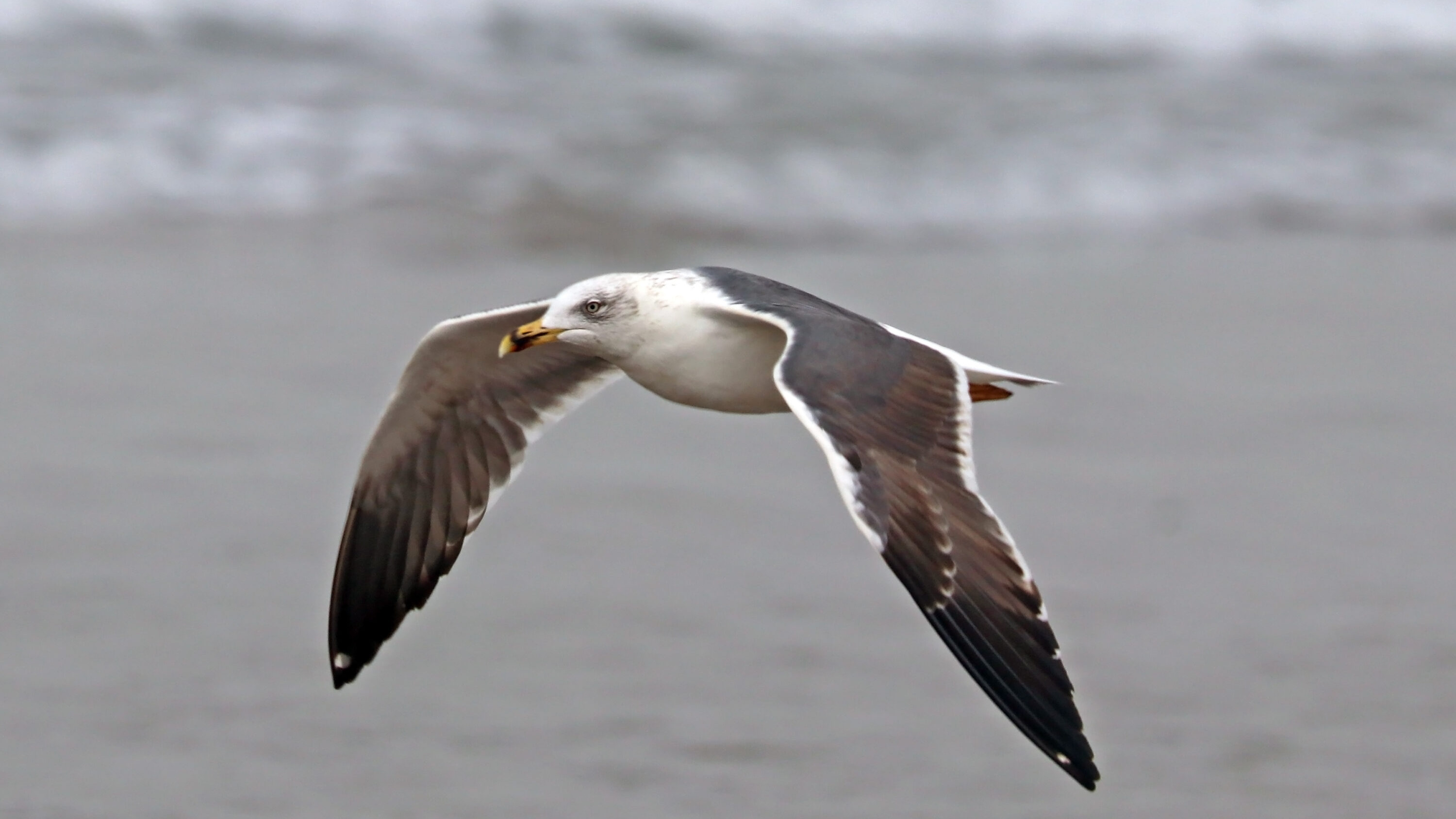
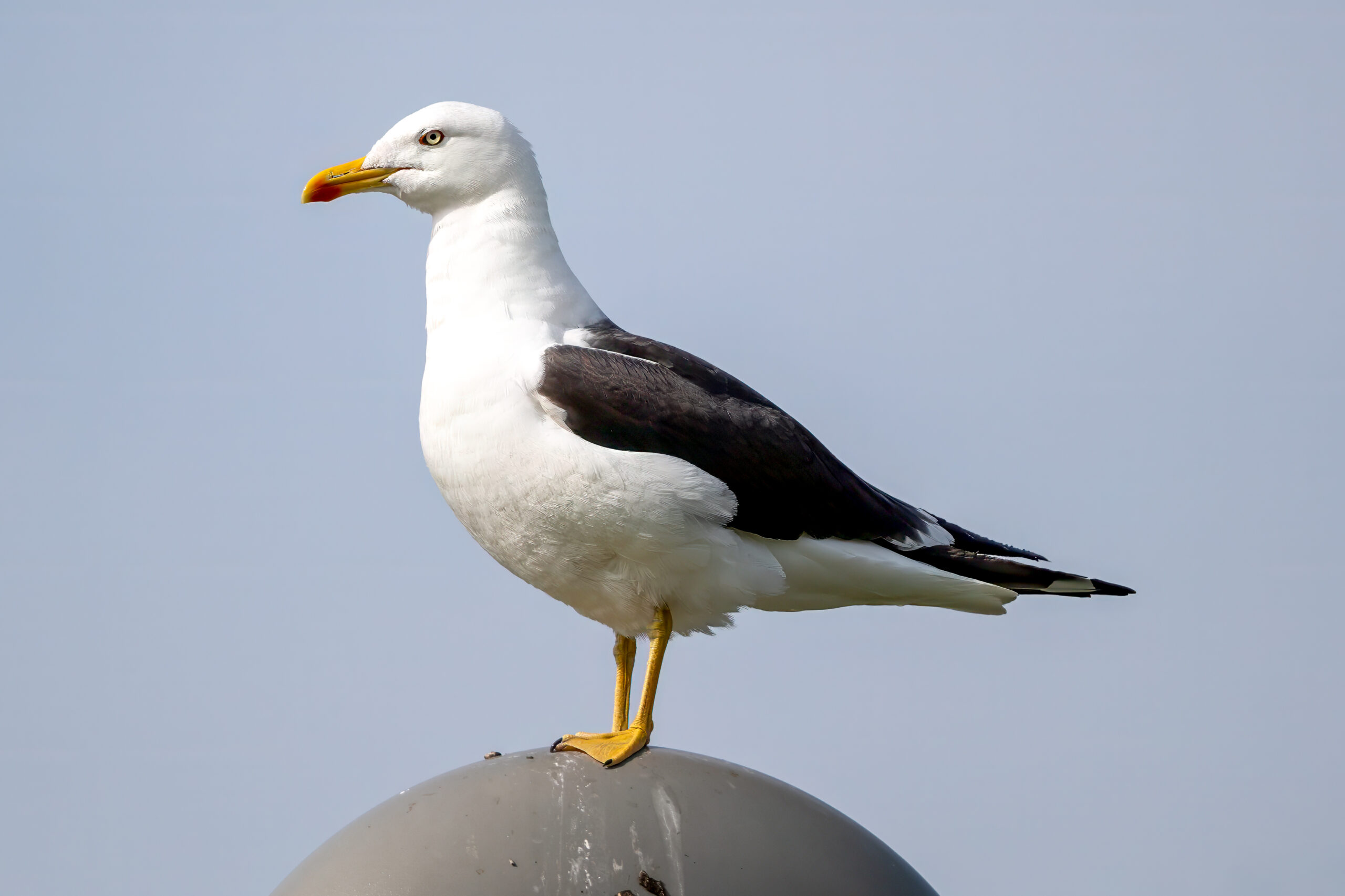
GPS tracking of lesser black-backed gulls (Larus fuscus) breeding on Scaddy Island in Lough Neagh showed that most of the tagged birds repeatedly travelled to an abattoir near Cookstown for food during the 2025 breeding season. The first results from the project were published by the British Trust for Ornithology on 26 March 2026.
Researchers fitted breeding adults with solar-powered GPS-GSM tags during incubation in May 2025. Initial movement results were available from 13 tagged gulls.
Human-related food dominated the tracked foraging trips
The tracked birds made repeated journeys from Scaddy Island to the same abattoir several kilometres west of Lough Neagh. For most individuals it became the main foraging destination throughout the breeding season.
The gulls also used ploughed agricultural fields, where machinery can expose invertebrates, and visited towns and urban greenspaces such as playing fields. The researchers concluded that the initial tracks were strongly associated with human activity and that human-related food resources appeared more important to these breeding birds than resources within Lough Neagh itself.
The authors suggest that access to predictable food sources outside the lough may help buffer the colony from environmental deterioration within Lough Neagh. They also stress that more work is needed to identify the specific characteristics of the places the gulls use.
Migration strategies differed widely
The same GPS tags continued to follow the birds after breeding. By December 2025, two individuals had remained in the Republic of Ireland, while others had moved to Portugal, Spain, Morocco or Mauritania. The longest reported journey reached about 3,900 kilometres.
Departure timing also varied substantially. Some birds crossed from Ireland towards continental Europe in mid to late August, others in late September or October, and the latest did not make the crossing until mid to late November.
The researchers interpret this spread as evidence that the Scaddy Island colony contains individuals with a range of foraging and migration strategies. The presence of birds remaining in Ireland through winter suggests that sufficient food can be available for year-round residence, although the authors note that longer monitoring is needed to determine how consistent this behaviour is and what conditions drive it.
Further GPS deployments were planned for 2026 to expand the study of habitat use, overwinter survival and return rates to the colony.
Ecology
Related news
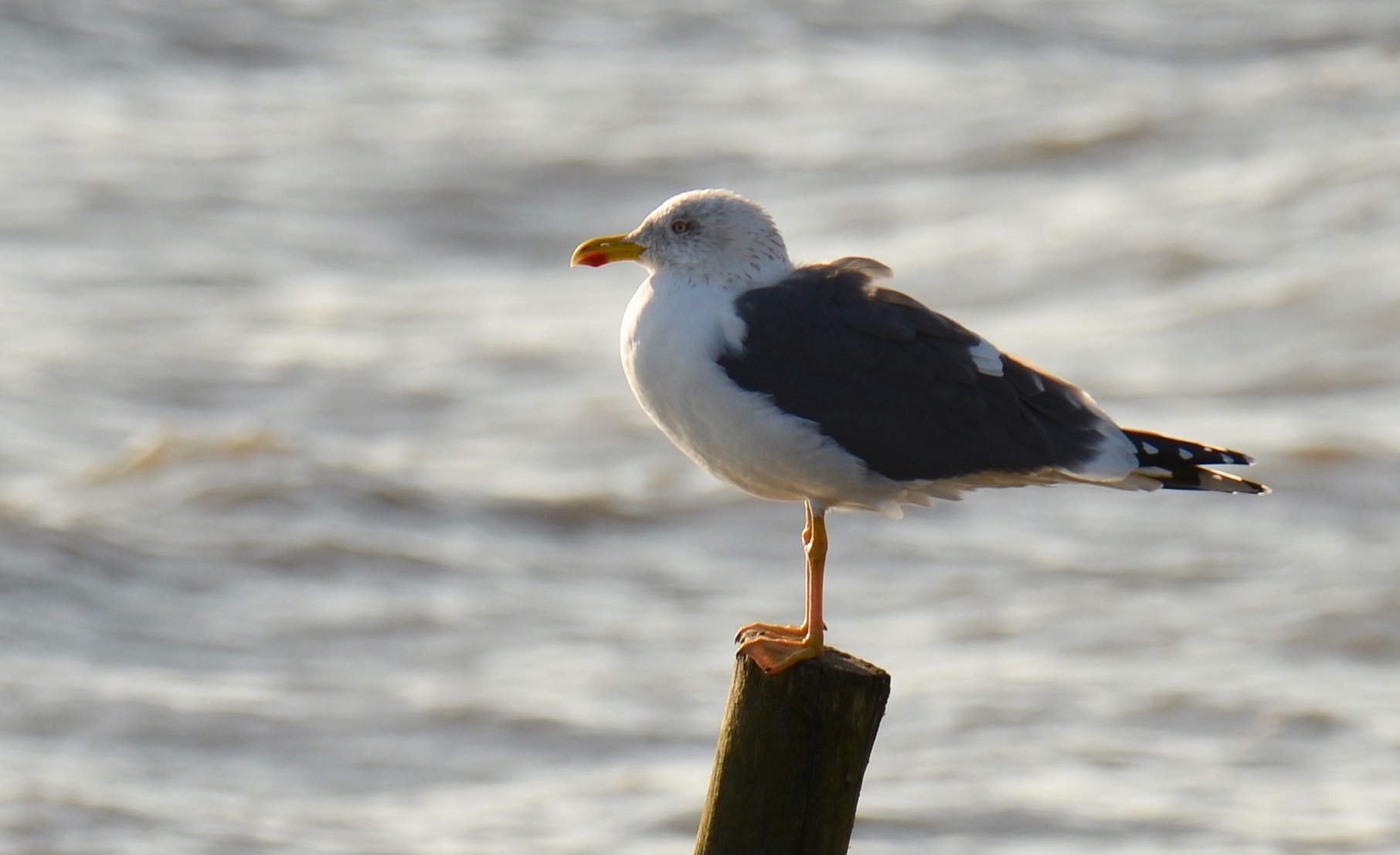
Lesser Black-backed Gulls Made Up 73% of Paresis Cases in Lisbon
A ten-year review of gull admissions from Lisbon and Setúbal found that lesser black-backed gulls dominated paresis cases,…
Read story →
Norwegian Surveillance Found HPAI H5N5 and H5Nx in Common Gulls and Other Influenza A in Lesser Black-backed Gulls
Three common gulls had HPAI H5N5 and one had HPAI H5Nx, while active surveillance separately detected non-H5 influenza…
Read story →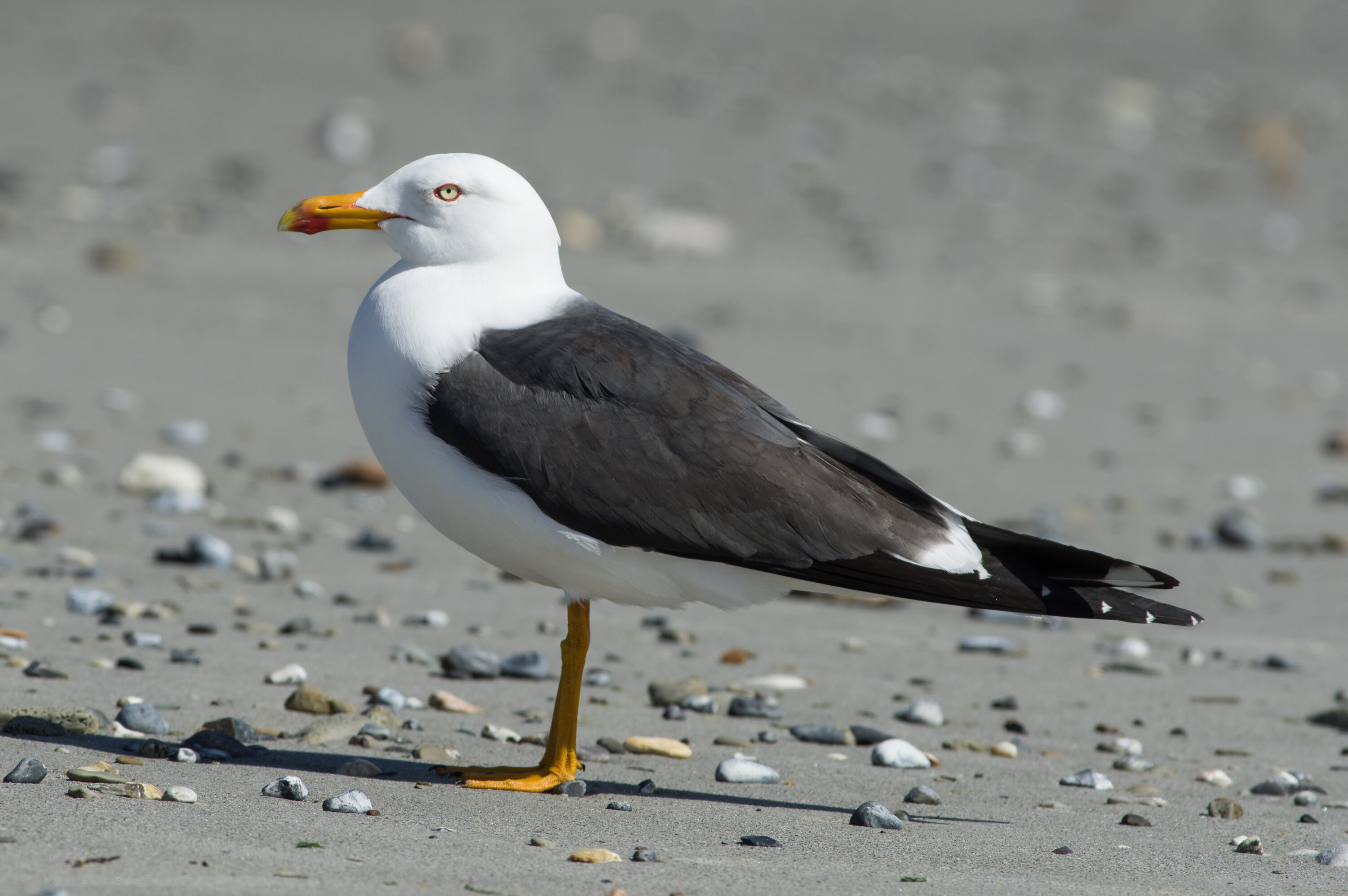
DNA Analysis Found Traces of 71 Species in Lesser Black-backed Gull Diet Samples
A 2026 bioRxiv preprint found DNA traces from 71 species across 61 genera in lesser black-backed gull diet…
Read story →SPECIES IN THIS STORY
Species in this story
Independent research and conservation news archive
Did you find this information useful?
Wildlife Vagabond is independently built and maintained. Voluntary support helps cover source verification, hosting and continued work on research and conservation news.
Support Wildlife VagabondThe news archive will remain freely available.