
Mating and Calving Shifted Earlier in Wild Caspian Red Deer
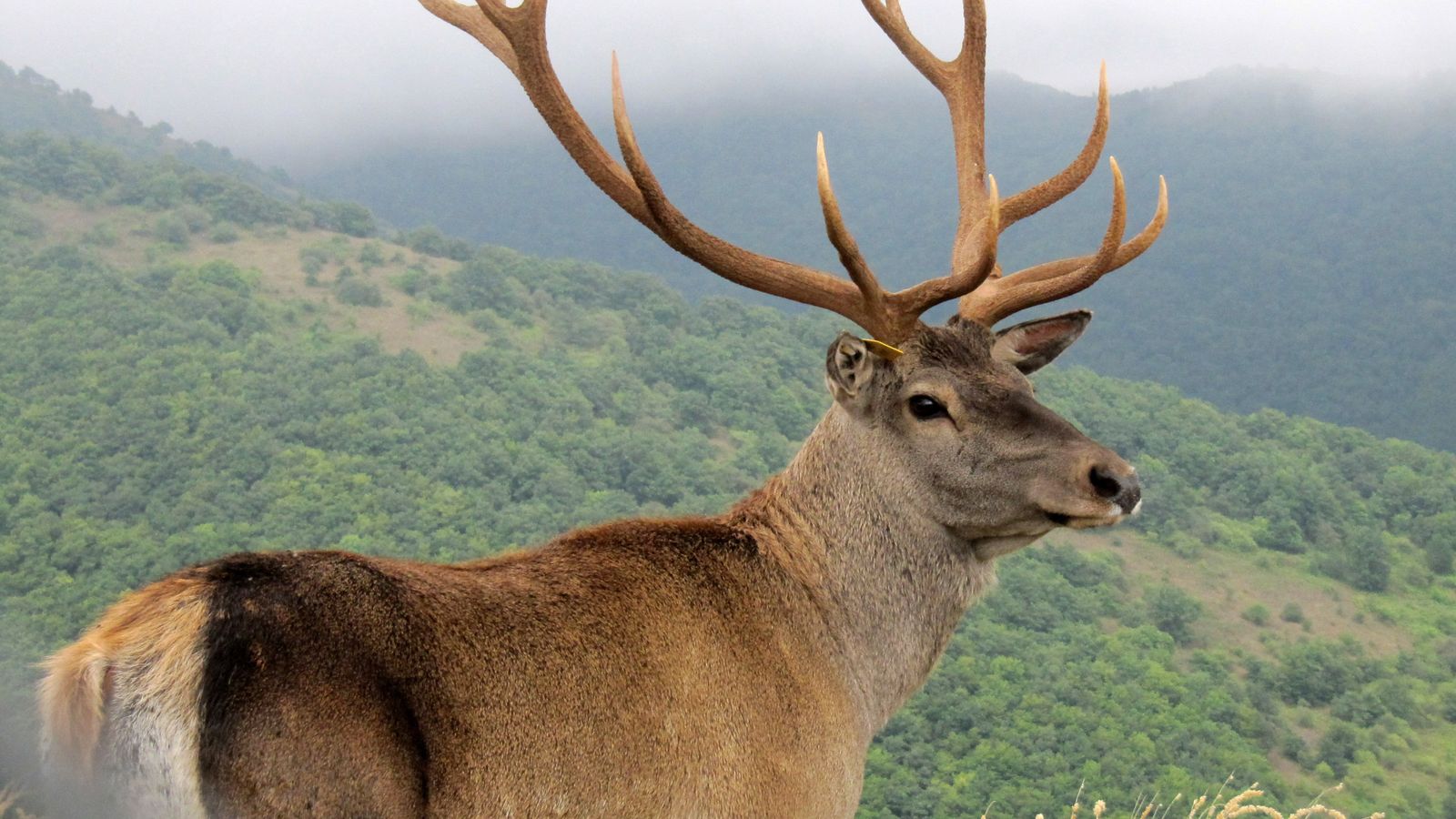
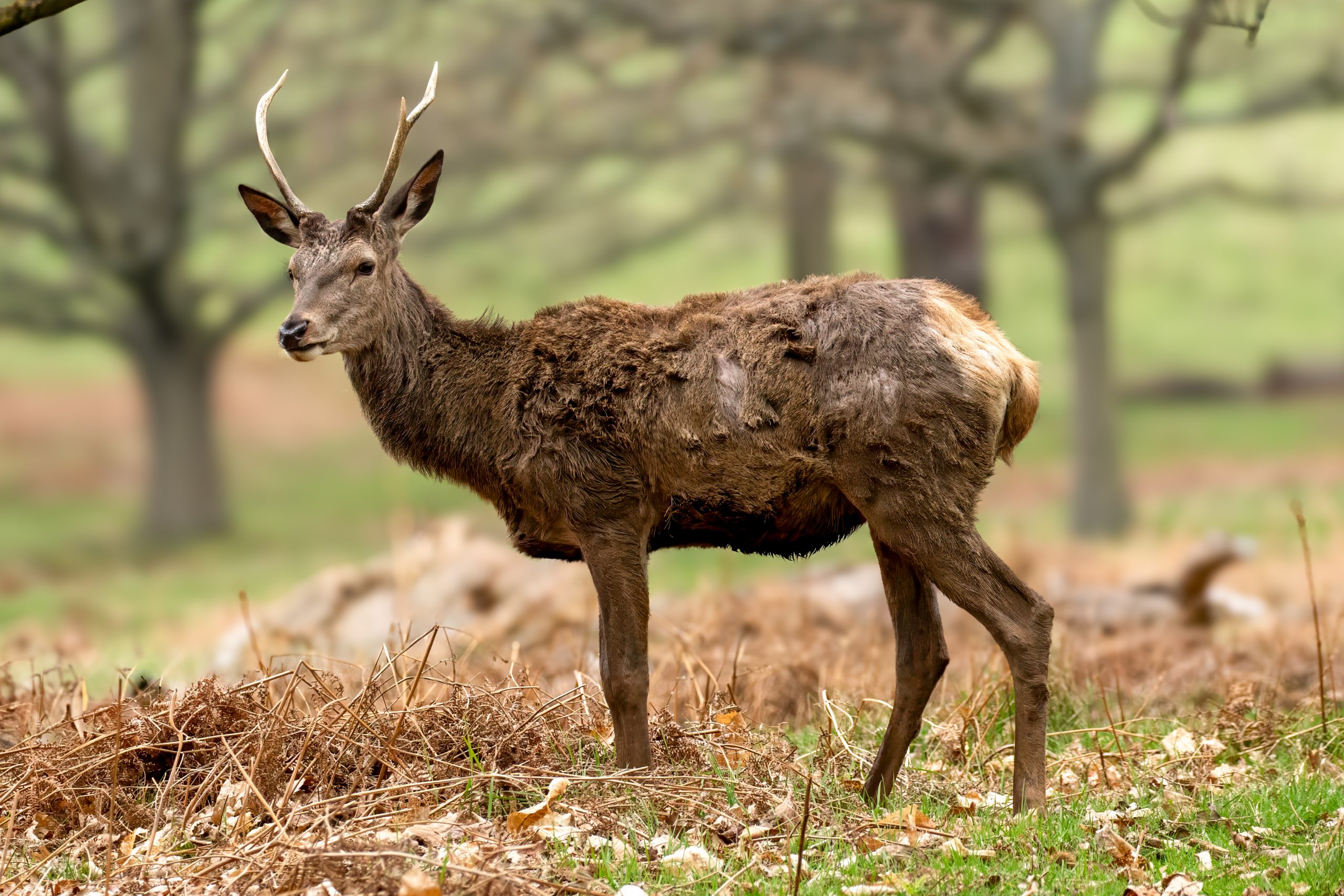
Long-term records from Iran show that mating and calving have shifted earlier in wild Caspian red deer (Cervus elaphus maral), a subspecies of red deer (Cervus elaphus), along the southern Caspian Sea. The study compared four wild habitats and three semi-captive populations, using reproductive records that extended back as far as 1998 at some sites, to examine how timing changed with temperature, precipitation, snow and humidity.
Warmer conditions were linked to earlier calving in wild deer
The researchers combined recorded mating and calving dates with daily weather data from nearby meteorological stations. For calving in wild populations, the best-supported model included several climate variables, but mean temperature from 1 September to 31 May was the only significant predictor: warmer conditions were associated with earlier calving.
Mating timing in wild populations was also linked to summer conditions. In the best-supported model for the period from 1 June to 31 August, higher relative humidity was significantly associated with later mating, while total precipitation was not significant. The authors report that mating and calving advanced over nearly two decades and interpret part of this shift as being linked to rising temperatures and, in some areas, declining humidity. For calving, the advance was about 0.2–0.25 days per year at Golestanak and 0.3–0.35 days per year at Roodbarak.
Semi-captive populations did not show the same significant shift
Semi-captive populations did not show comparable long-term advances in reproductive timing with calendar year. Their dates were nevertheless sensitive to climate from year to year: higher mean summer temperature was associated with earlier mating, and higher mean temperature from September to May with earlier calving. The researchers suggest that supplemental feeding and other forms of environmental buffering may help explain why these climate associations did not translate into the same sustained temporal trend seen in the wild populations.
The authors note that weather-station measurements may not fully reflect the microclimates experienced by deer in rugged, high-elevation terrain. They interpret earlier reproduction as a possible adjustment that can help keep calving aligned with climate-driven changes in vegetation and forage availability. However, habitat fragmentation and barriers to seasonal movement may limit access to high-elevation summer forage and increase the risk that calving no longer coincides well with peak food availability, with potential consequences for calf survival. They therefore identify habitat protection and connectivity as priorities for the subspecies.
Reproduction & development
Related news
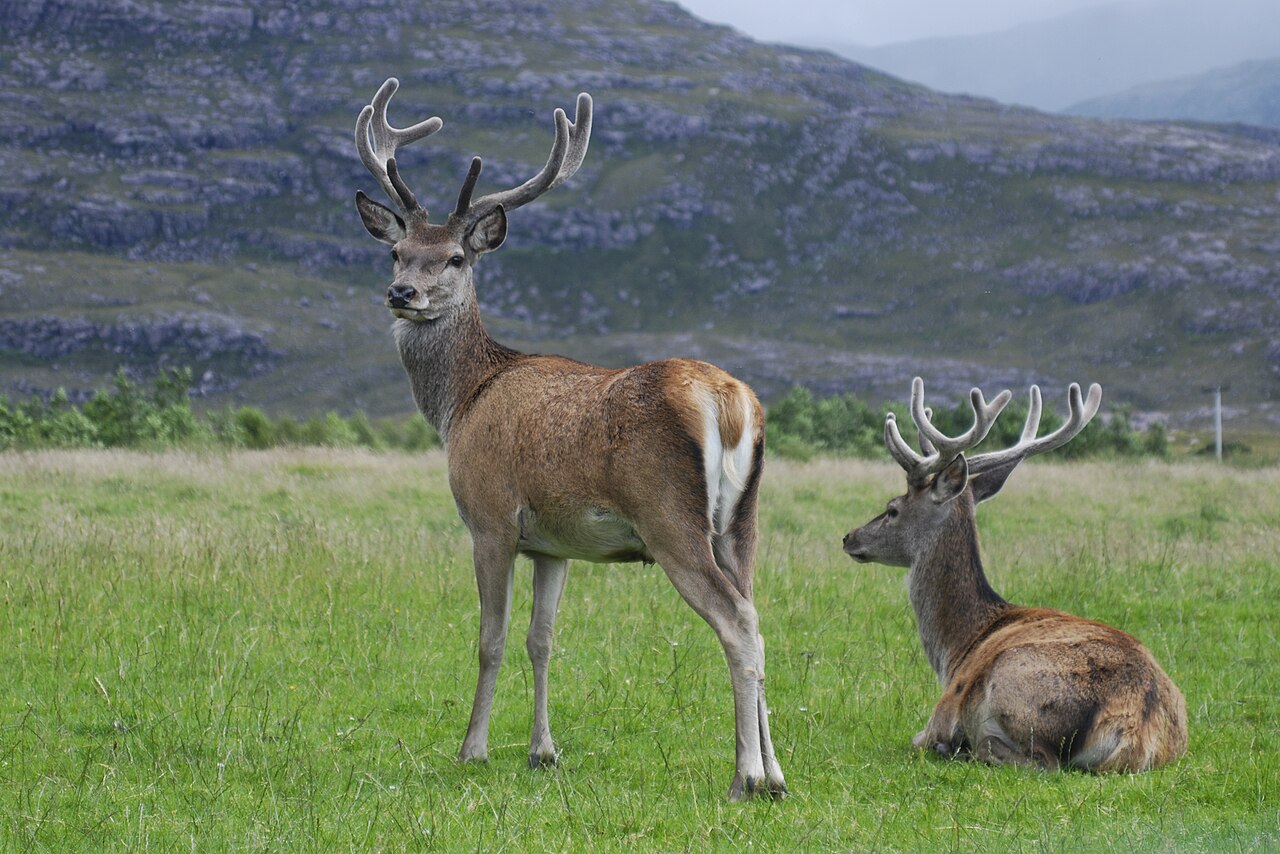
Velvet Antler Had the Most Distinct Metabolite Profile in Red and Sika Deer
A Chinese study detected 2,361 metabolites across three antler tissues from red and sika deer. Velvet antler separated…
Read story →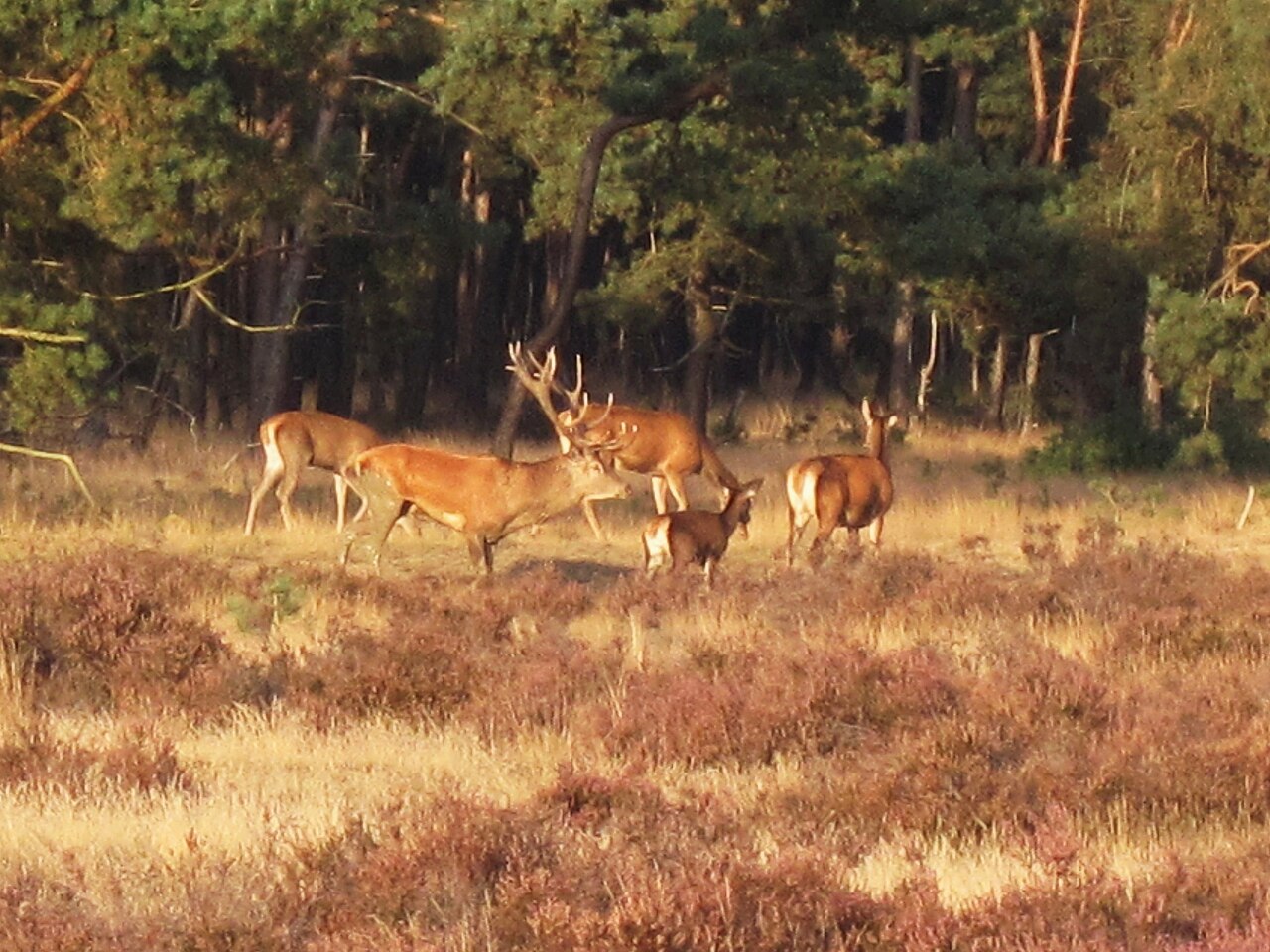
Tarim Red Deer Microbiomes Showed Greater Capacity to Break Down Reed Fibre
Under the same reed-containing diet, captive Tarim red deer had more fibre-associated gut microbes, higher cellulase and hemicellulase…
Read story →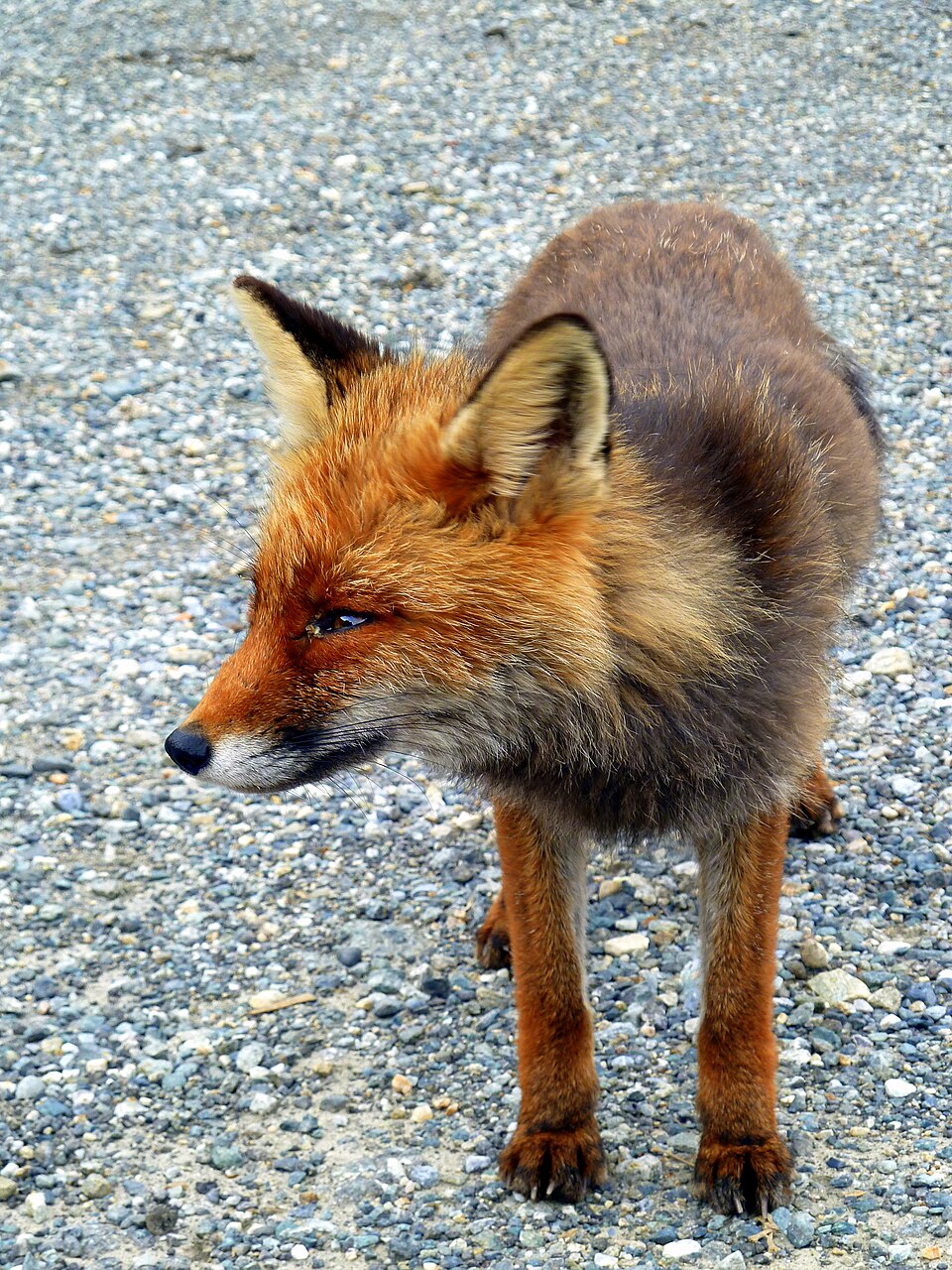
Wolf Kills Provided Plenty of Food for Red Foxes
Red foxes visited all 26 wolf-killed red deer monitored in Stelvio National Park. The amount of meat left…
Read story →SPECIES IN THIS STORY
Species in this story
Independent research and conservation news archive
Did you find this information useful?
Wildlife Vagabond is independently built and maintained. Voluntary support helps cover source verification, hosting and continued work on research and conservation news.
Support Wildlife VagabondThe news archive will remain freely available.