
Month and Camera Proximity Changed How Often Moose Age and Sex Could Be Classified
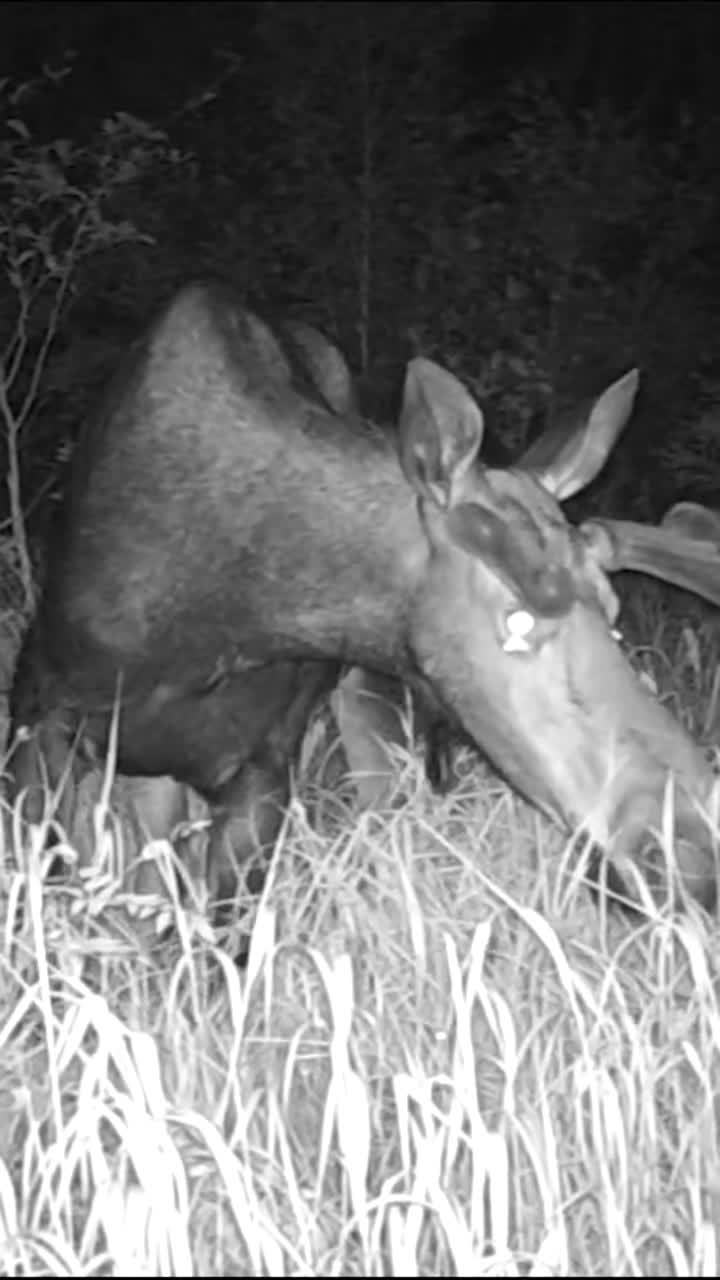
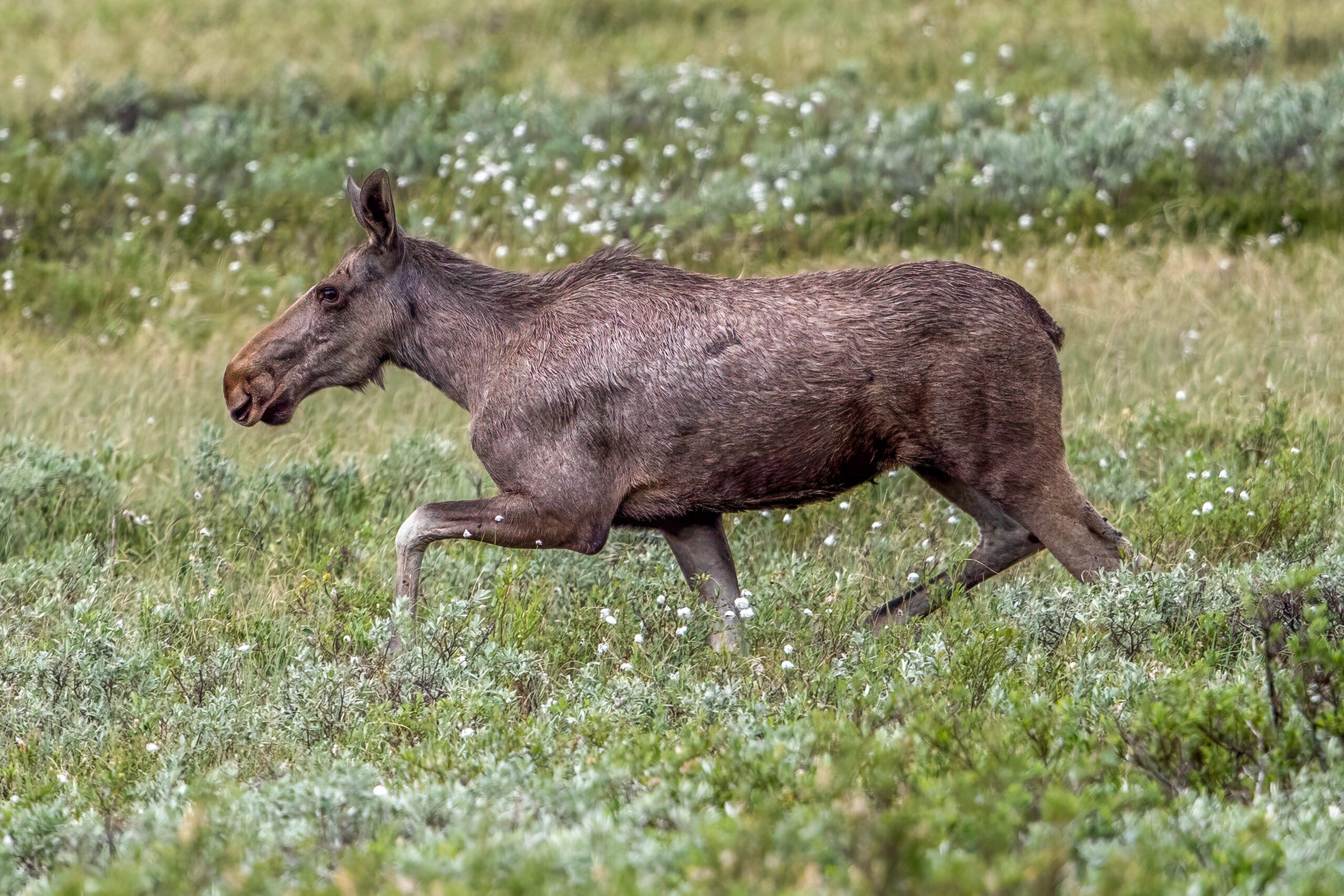
How often observers could determine the age and sex of photographed moose (Alces alces) depended strongly on when and how the animal appeared in front of a remote camera. Researchers analysed 6,212 photographic clusters from 84 cameras in northern Maine, USA, collected between November 2021 and April 2024. A cluster grouped photographs recorded within a ten-minute period so that a sequence of images could be treated as one detection episode.
The study did not test every classification against an independently known identity. Instead, it examined which factors made photographs more or less likely to yield a specific age-and-sex category rather than an “unknown” classification.
Intermediate camera distances worked best
Apparent proximity to the camera was the strongest individual predictor. The study estimated proximity from the size of the moose in the image rather than measuring exact distance. Adult males and females were easiest to classify at intermediate proximity; this typically occurred near snow stakes positioned about 3–7 metres from the camera. Moose farther away provided too little visual detail, while animals extremely close to the camera could fill the frame or obscure useful features.
Longer image sequences also helped. When a moose remained in view long enough to produce more photographs, observers had more opportunities to see antlers, rump markings, body proportions and other identifying features from useful angles.
Season changed which demographic groups were easiest to recognise
Adult females were most often assigned a specific category in May and least often during the September–December breeding period. Adult males showed the opposite pattern, with classification probability increasing during the rut when males are more active and carry conspicuous antlers.
Sexing juveniles was difficult early in their first year but became easier later in autumn and winter as young males developed small antler structures. The authors therefore caution that the month of sampling can change the apparent composition of camera records even when the underlying population has not changed in the same way.
Camera records are not direct counts of demographic abundance
Adult females appeared more often than other categories, but the researchers could not determine whether this reflected the true sex ratio or behavioural differences in camera detection. Detection frequency should therefore not be treated directly as abundance.
The results can help researchers choose seasons and camera placements that reduce uncertainty when age and sex data are needed for population models. The authors also recommend continued human verification of demographic labels because both manual and automated image classifications can contain errors.
Population & status
Related news
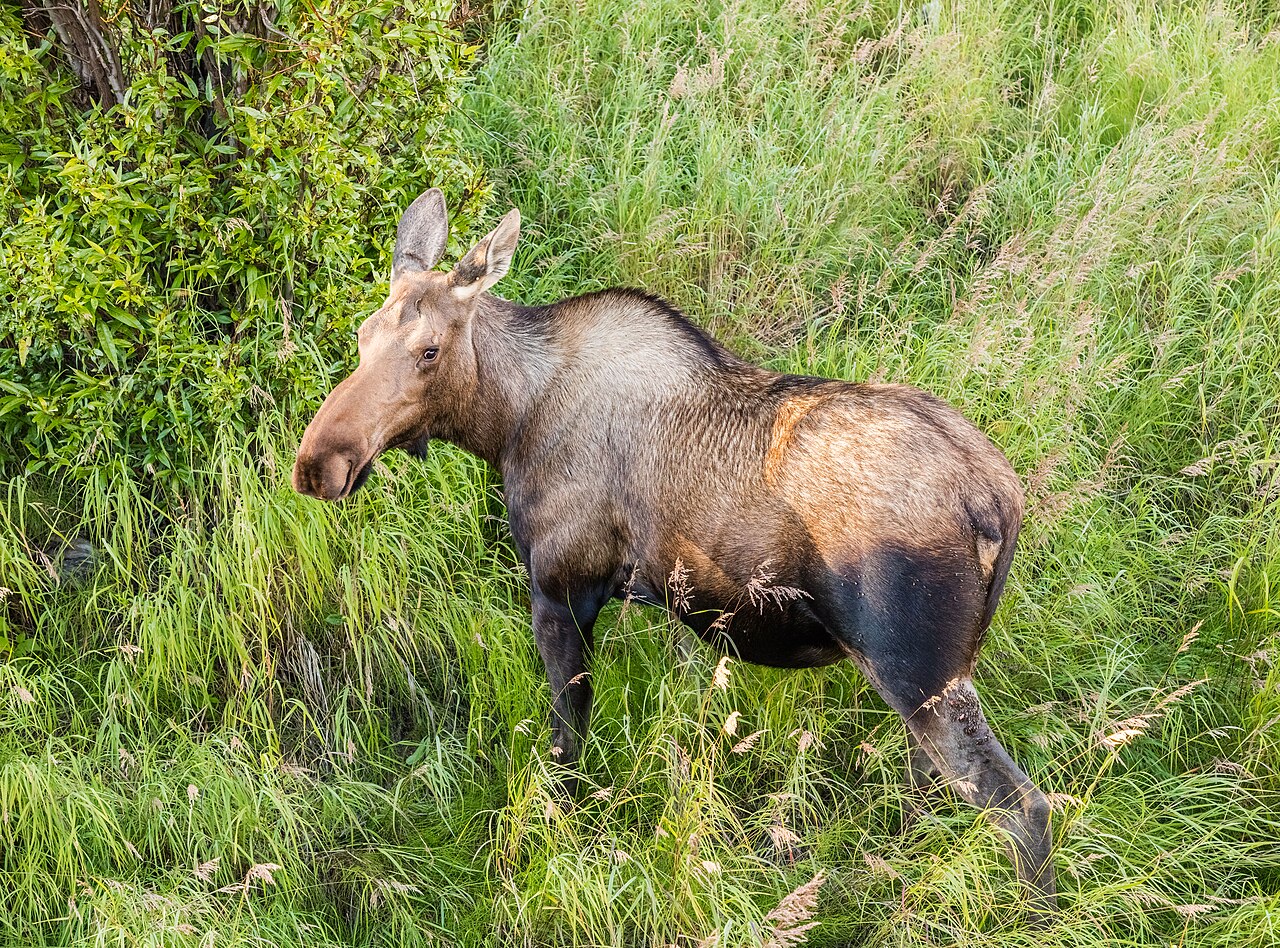
Arctic Moose Follow the River Valleys
GPS tracking in Alaska showed that half of 24 female moose migrated between summer and winter ranges. Migrants…
Read story →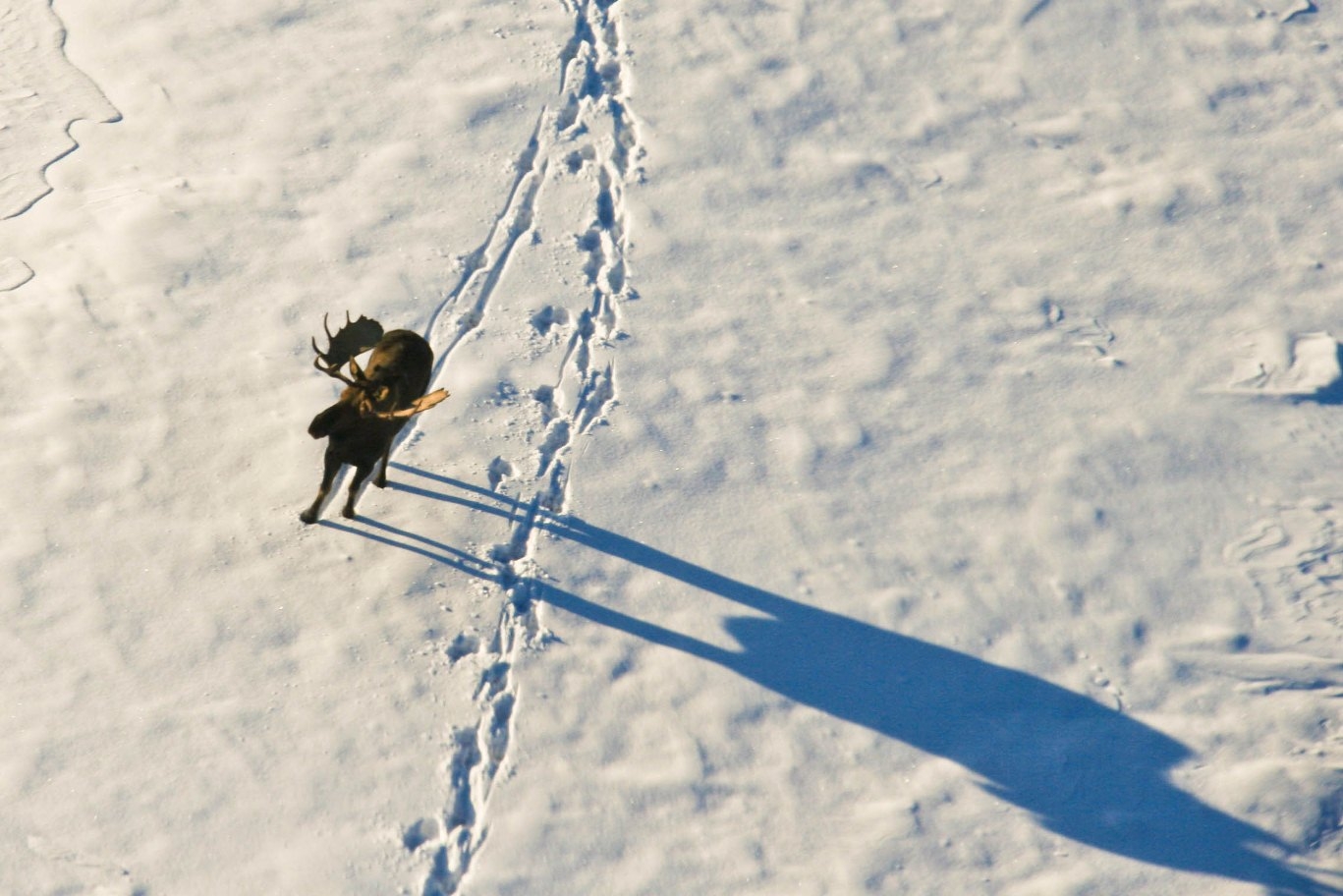
Thermal Drones Found Nearly All Moose in Favourable Winter Weather
Swedish trials found detection close to 100% in cold, overcast winter conditions, but the survey effort needed for…
Read story →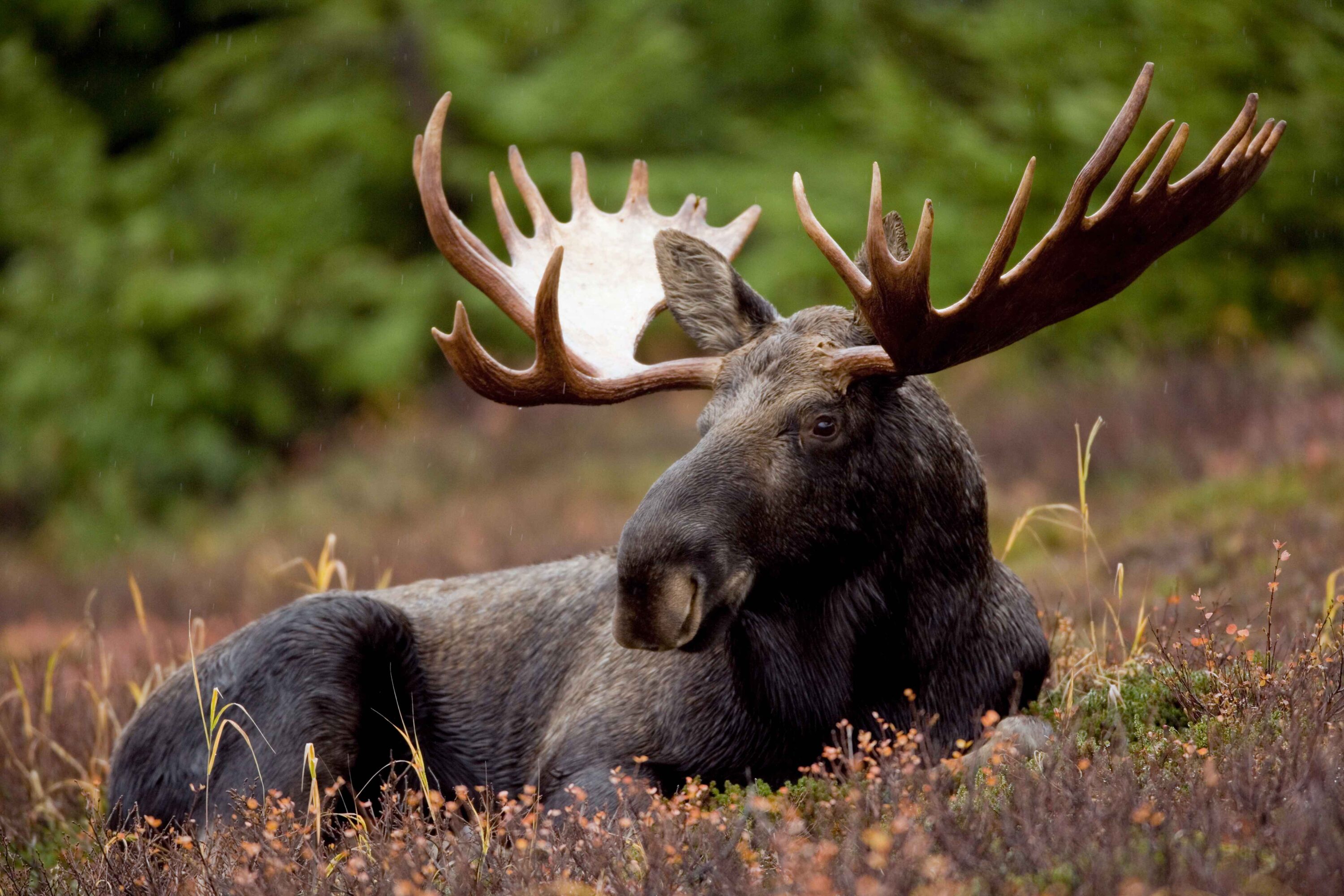
Even Adirondack Park’s Densest Moose Area Was Too Sparse for Precise Aerial Estimates
Helicopter surveys estimated about 92 moose in the Adirondack core in 2024 and 112 in 2025, but broad…
Read story →SPECIES IN THIS STORY
Species in this story
Independent research and conservation news archive
Did you find this information useful?
Wildlife Vagabond is independently built and maintained. Voluntary support helps cover source verification, hosting and continued work on research and conservation news.
Support Wildlife VagabondThe news archive will remain freely available.