
Moose Maintained Habitat Choices After Widespread Beetle-Driven Canopy Loss
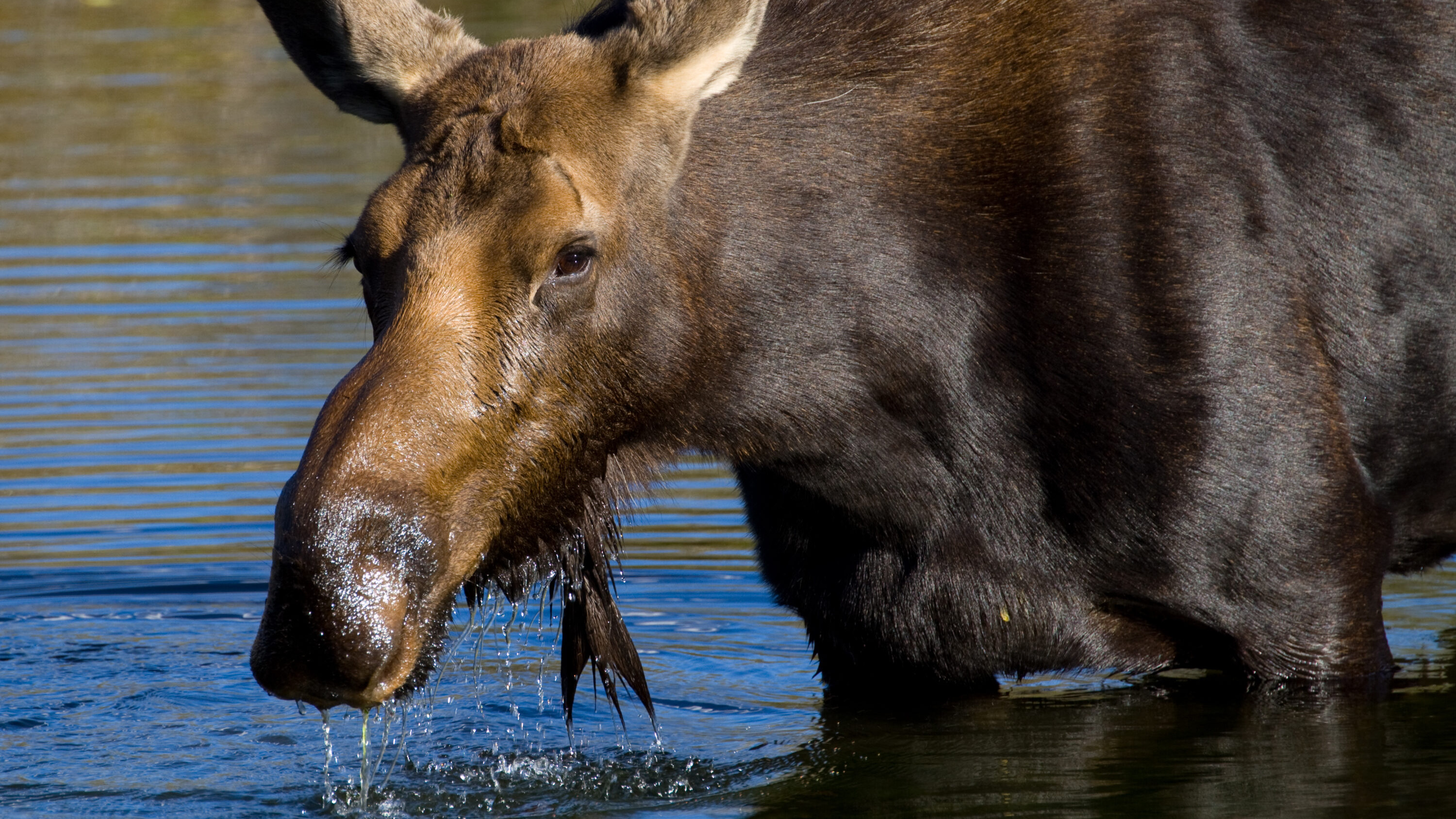
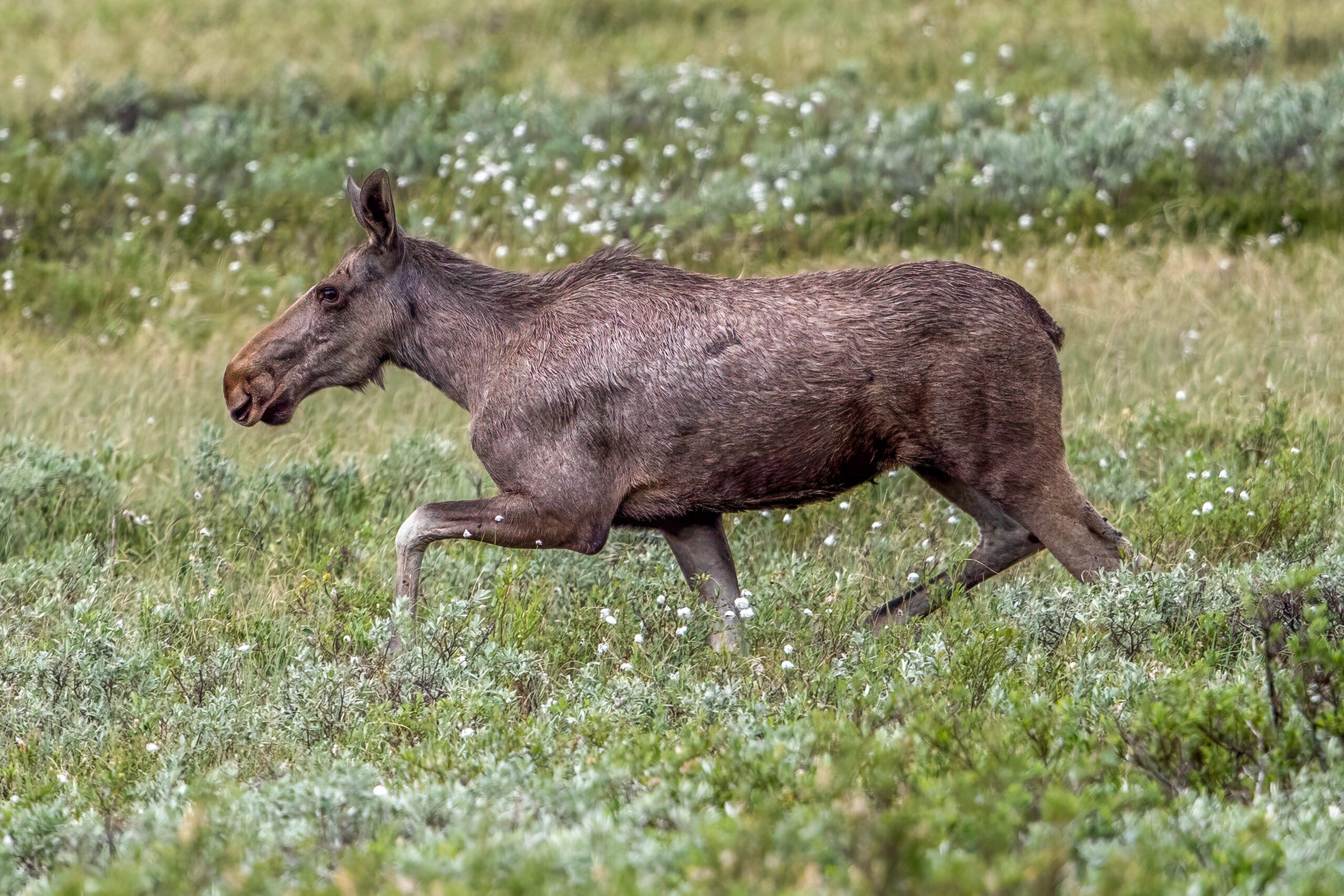
Female moose in southeastern Wyoming, USA continued to choose much the same habitats after a severe mountain pine beetle outbreak killed trees across large areas of lodgepole pine forest. Comparing GPS data collected before and after the outbreak, researchers found little evidence that the resulting canopy loss changed the animals’ broad pattern of habitat selection.
The study was published in The Journal of Wildlife Management on 18 March 2026. It examined roughly 340,000 hectares in the Snowy Range of the Medicine Bow Mountains, where mountain pine beetles caused extensive conifer mortality. The outbreak peaked between 2007 and 2013, separating two periods of moose tracking by about a decade.
The researchers compared locations from female moose monitored in 2005–2006 with locations from animals monitored in 2015–2017. The earlier data comprised 54,010 winter locations and 31,443 summer locations from 16 females. After the outbreak, the analysis included 150,146 winter locations from 44 females and 97,198 summer locations from 34 females.
To describe the landscape in detail, the team created a land-cover map with a resolution of half a metre. They initially distinguished 16 cover classes and combined functionally similar classes into 12 categories for analysis, including willow, aspen, shrubland, open water, live conifer forest and conifer forest killed by beetles. About 27.4 per cent of the mapped conifer forest was classified as beetle-killed.
The researchers then tested habitat selection at two scales. They examined which parts of the wider landscape the animals included within their home ranges and which habitats they used within those ranges. Separate analyses were conducted for summer and winter.
Willow and aspen remained important
The main pattern was strikingly consistent across the two periods. Both before and after the outbreak, moose strongly selected willow and aspen. At the broad study-area scale they avoided conifer forest and shrubland in summer, whereas in winter they neither clearly selected nor avoided those cover types. The key result was that these seasonal selection patterns remained broadly similar before and after beetle-related canopy loss.
Animals whose home ranges contained a larger proportion of beetle-killed forest did show stronger avoidance of killed conifer stands. Even so, the outbreak did not produce an overall redistribution towards or away from the broader set of habitats available to the population. The authors therefore concluded that the early effects of beetle-driven tree mortality did not appreciably alter habitat quality or resource selection for moose in this landscape.
That finding does not mean dead conifer stands were preferred habitat. Instead, it shows that the habitats most consistently selected by moose—especially willow and aspen—remained available and continued to shape where the animals spent time. Field vegetation surveys also found little evidence that beetle mortality had released a large new layer of shrubs, forbs, grasses or sedges beneath the dead conifers, weakening the expected nutritional benefit of canopy loss. The authors further note that willow communities provided substantial horizontal cover; field crews often found moose beds positioned around tall willows in ways consistent with following shade through the day. Riparian and deciduous vegetation could therefore provide both preferred browse and thermal cover.
The comparison captured an early stage after tree mortality
The comparison was designed to isolate the beetle outbreak as clearly as possible. No large fires occurred in the study area between the two monitoring periods, and salvage logging remained limited until after the later GPS study. Field surveys at 60 sites were also used to describe understory conditions.
The authors stress that the work represents an early stage following beetle infestation and that the GPS sample included only females; males can differ in their use of foraging and thermoregulatory habitat. Forest structure can continue to change for years as dead trees fall, understory vegetation responds and other disturbances occur. They therefore call for further research as the affected stands develop.
Ecology
Related news
Arctic Moose Follow the River Valleys
GPS tracking in Alaska showed that half of 24 female moose migrated between summer and winter ranges. Migrants…
Read story →
Thermal Drones Found Nearly All Moose in Favourable Winter Weather
Swedish trials found detection close to 100% in cold, overcast winter conditions, but the survey effort needed for…
Read story →
Even Adirondack Park’s Densest Moose Area Was Too Sparse for Precise Aerial Estimates
Helicopter surveys estimated about 92 moose in the Adirondack core in 2024 and 112 in 2025, but broad…
Read story →SPECIES IN THIS STORY
Species in this story
Independent research and conservation news archive
Did you find this information useful?
Wildlife Vagabond is independently built and maintained. Voluntary support helps cover source verification, hosting and continued work on research and conservation news.
Support Wildlife VagabondThe news archive will remain freely available.