
Nine PFAS Compounds Were Detected in Most Finnish Common Goldeneye Egg Samples
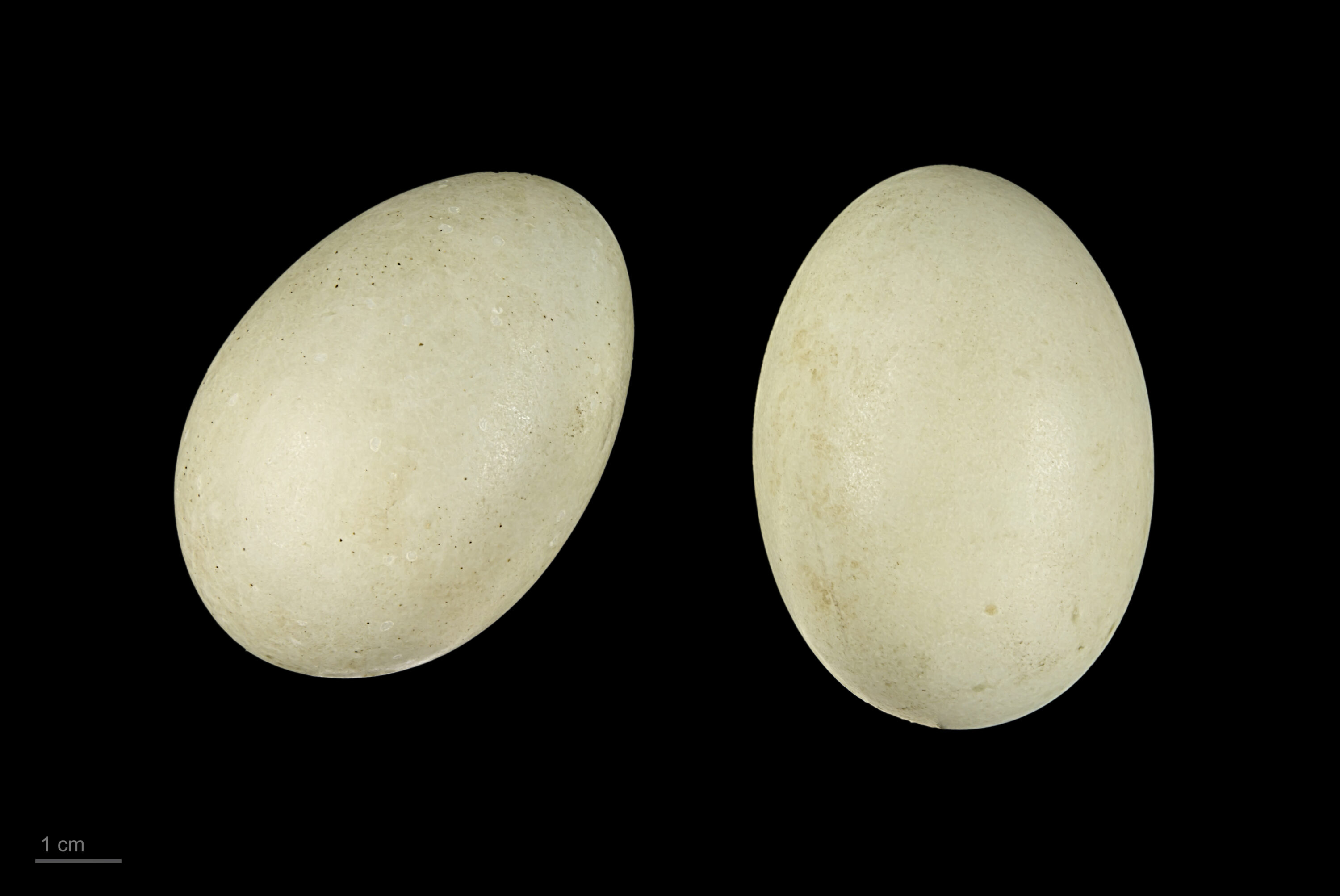
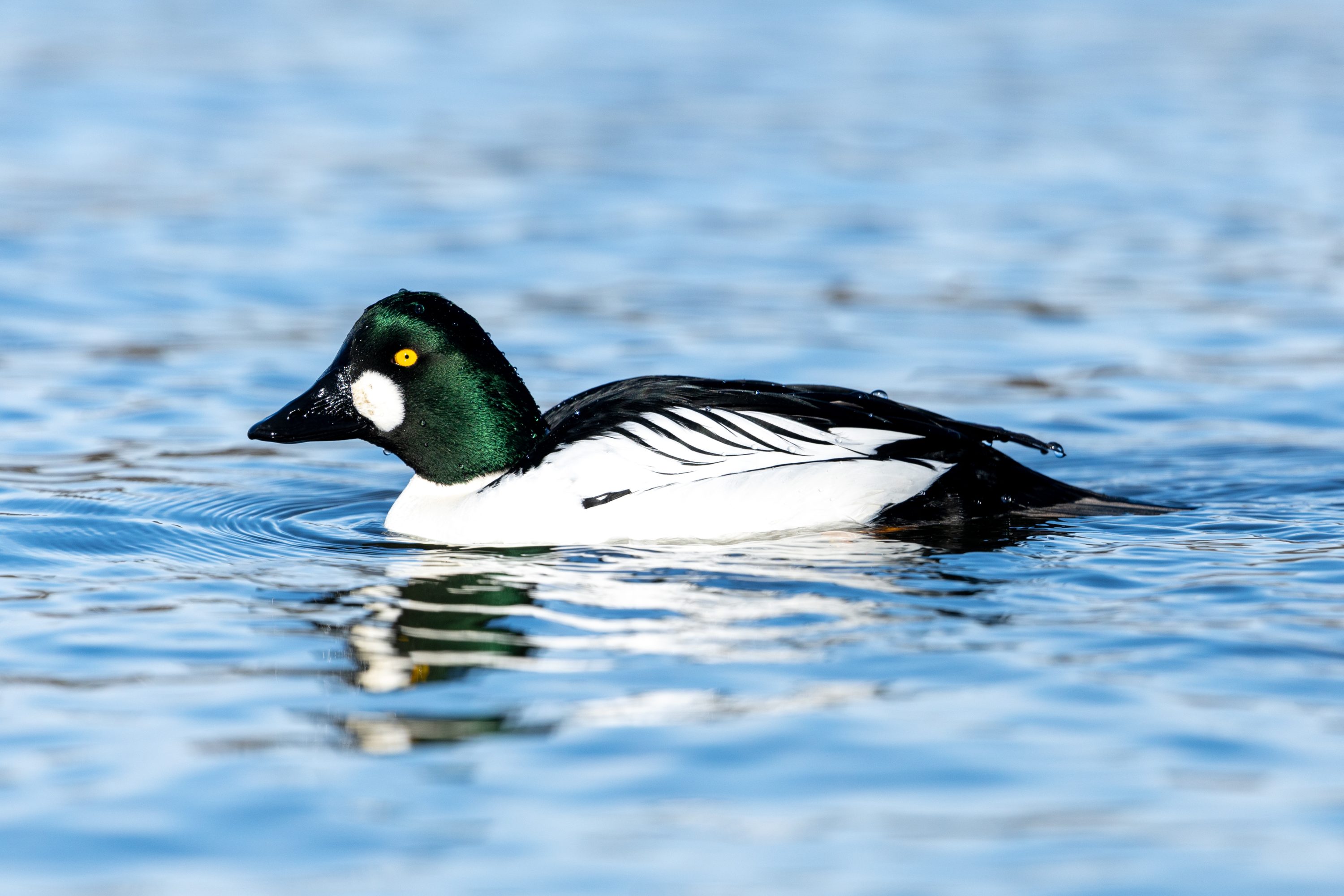
A 2026 master’s thesis from Åbo Akademi University found per- and polyfluoroalkyl substances (PFAS) in unhatched common goldeneye (Bucephala clangula) eggs from Finland. Of 19 targeted PFAS compounds, nine were detected in more than 60% of the analysed samples.
The study compared eggs from several places and years. For the regional analysis, the material included 20 eggs each from Kuopio, Helsinki and Seinäjoki. The thesis also used 30 eggs from Kuopio for a five-year temporal analysis. Seinäjoki had the highest mean PFAS load among the three regions, at about 176 ng/g, while the Kuopio time series reached its highest mean in 2022, at about 139 ng/g. Higher concentrations mean that more PFAS had been transferred into the egg from the female, but the thesis did not establish a toxicity threshold showing that these values caused embryo failure.
Individual compounds did not follow identical patterns. PFOS and MeFOSAA, two of the measured PFAS compounds, showed significant geographic differences between some of the study areas, and PFOS was also significantly higher in Kuopio eggs from 2020 than in those from 2021. These results support the thesis’s conclusion that PFAS occurrence in goldeneye eggs varied both spatially and over time.
The researcher also used high-resolution micro-CT imaging to examine the inside of each egg without first opening it and classify how far the embryo had developed before the chemical analyses. Eggs were divided into four developmental classes, allowing the researcher to test whether PFAS concentrations changed systematically with embryo development. Although the late-stage class had the highest mean PFAS concentration, the differences among developmental classes were not meaningful. In practical terms, eggs with more advanced embryos did not consistently contain more PFAS than eggs that had failed earlier. The thesis therefore concludes that PFAS accumulation in the eggs was largely independent of developmental stage in this material.
Overall, the study documents maternal transfer of multiple PFAS compounds into common goldeneye eggs in Finland. It does not identify one uniform exposure level: the clearest pattern was variation among locations and years.
Threats
Related news
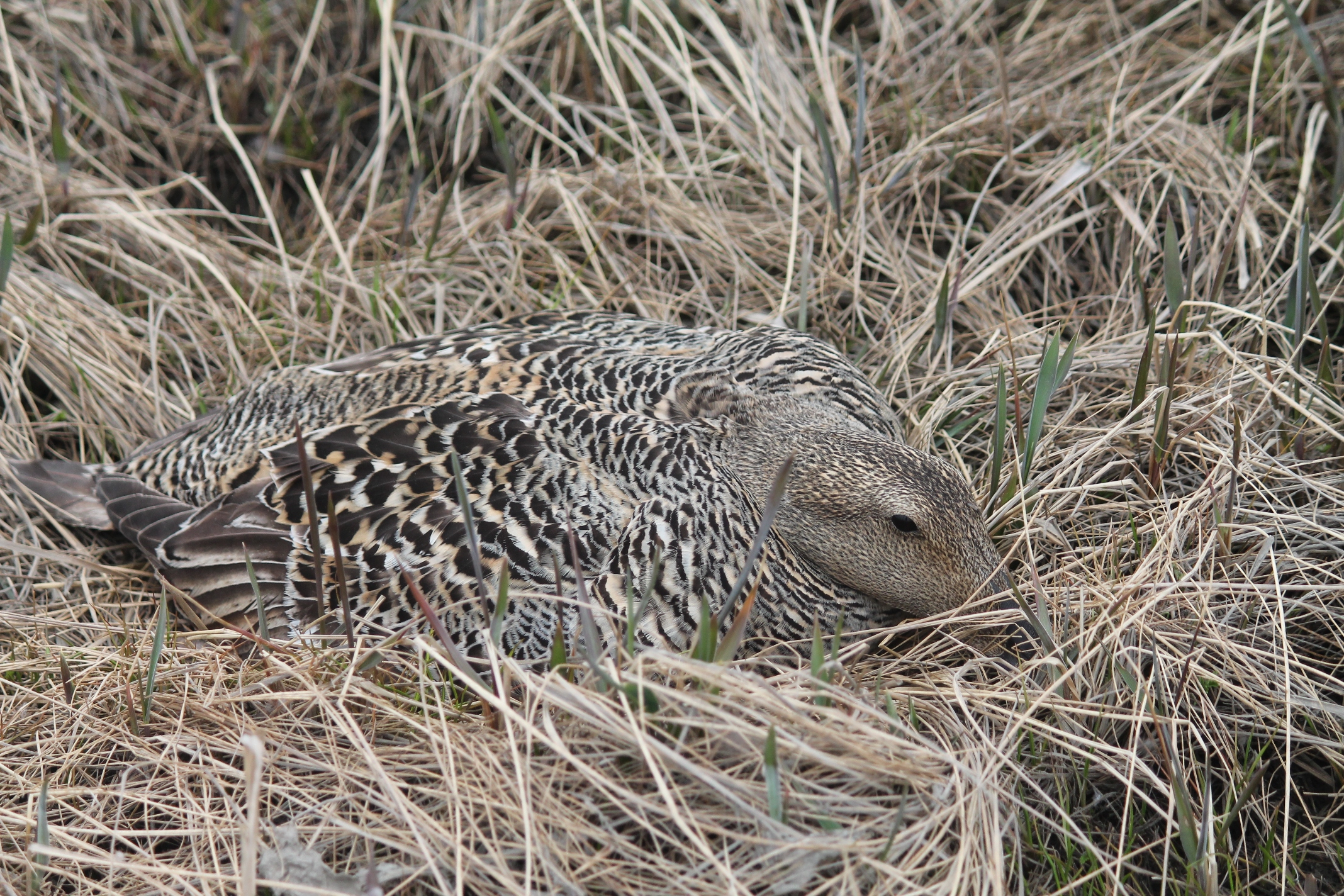
Higher PFOS Was Linked to Lower Egg Temperatures in Finnish Common Eiders
Researchers studied 18 female common goldeneyes and 37 female common eiders in Finland. Higher PFOS was linked to…
Read story →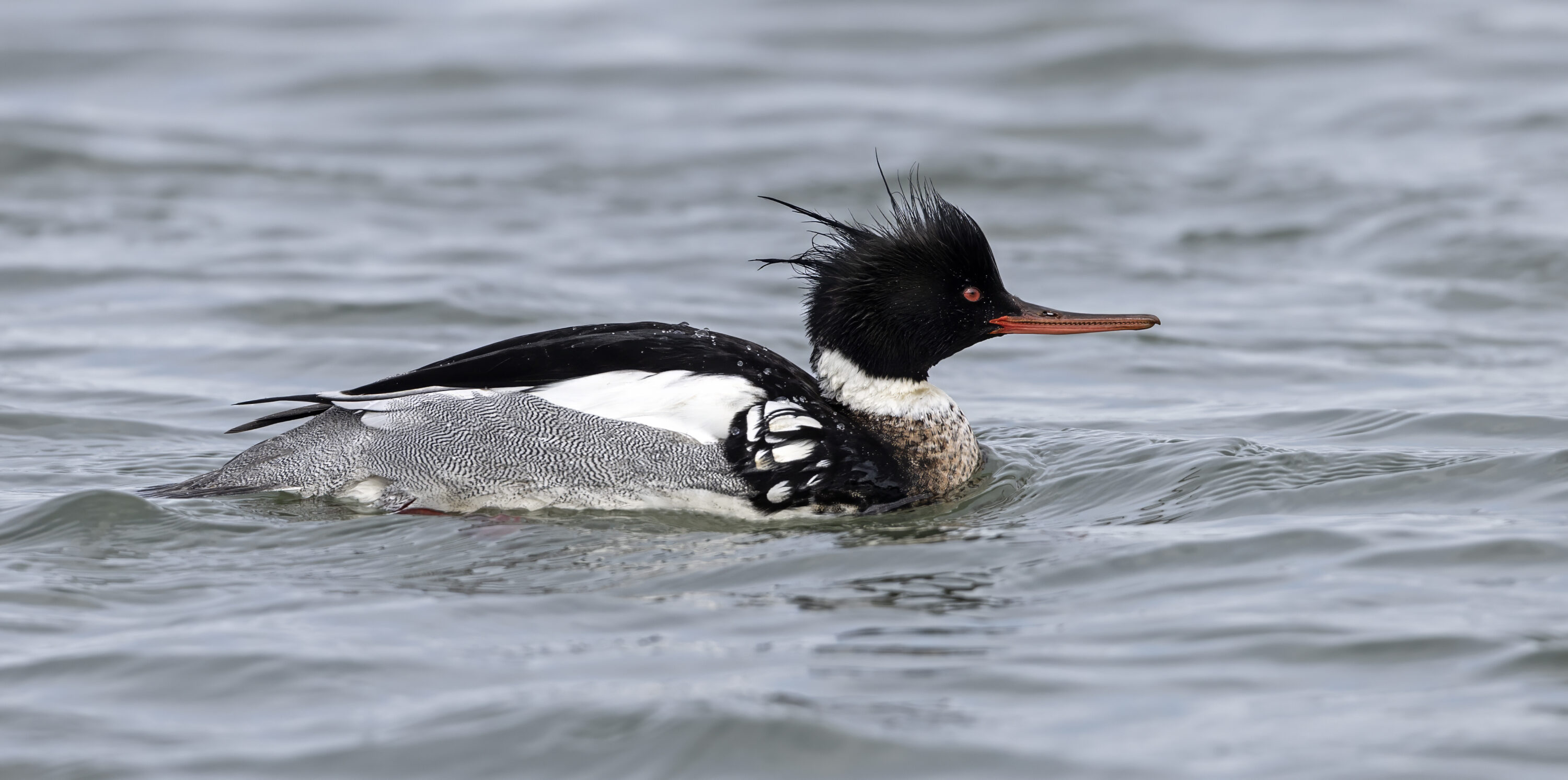
Eight Diving Waterfowl Shared Genomic Signatures Linked to Underwater Foraging
A 2026 comparison of 25 waterfowl genomes found repeated positive-selection signals and shared amino-acid changes across eight diving…
Read story →
NatureScot Renewed Seasonal Water Restrictions at Loch Kinord to Protect Breeding Goldeneye
NatureScot renewed seasonal restrictions on water access at Loch Kinord from March to August 2026 to reduce disturbance…
Read story →SPECIES IN THIS STORY
Species in this story
Independent research and conservation news archive
Did you find this information useful?
Wildlife Vagabond is independently built and maintained. Voluntary support helps cover source verification, hosting and continued work on research and conservation news.
Support Wildlife VagabondThe news archive will remain freely available.