
Northern Pintail Counts Fell by an Average 98.3% Across Seven Studied Punjab Wetlands
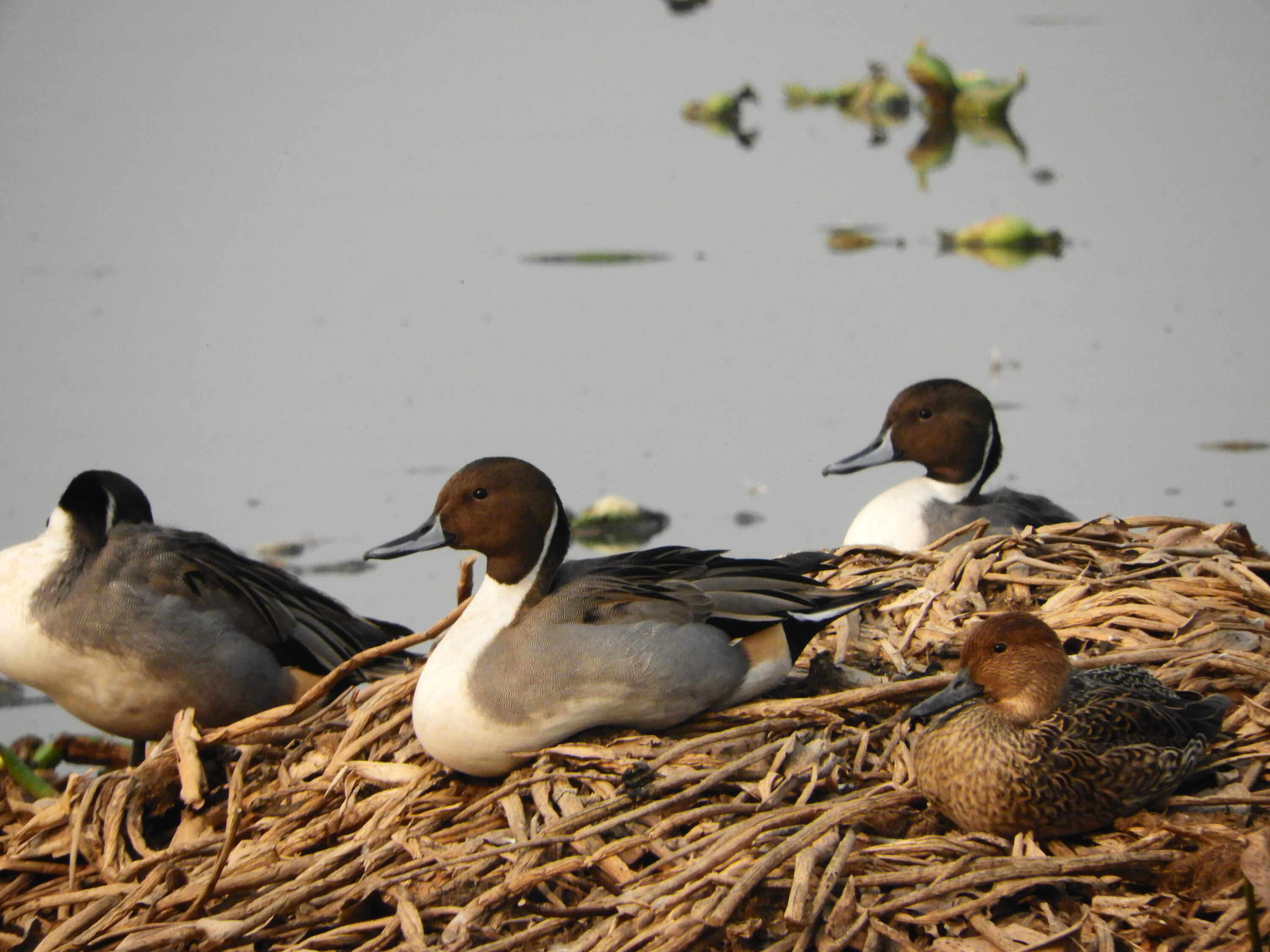
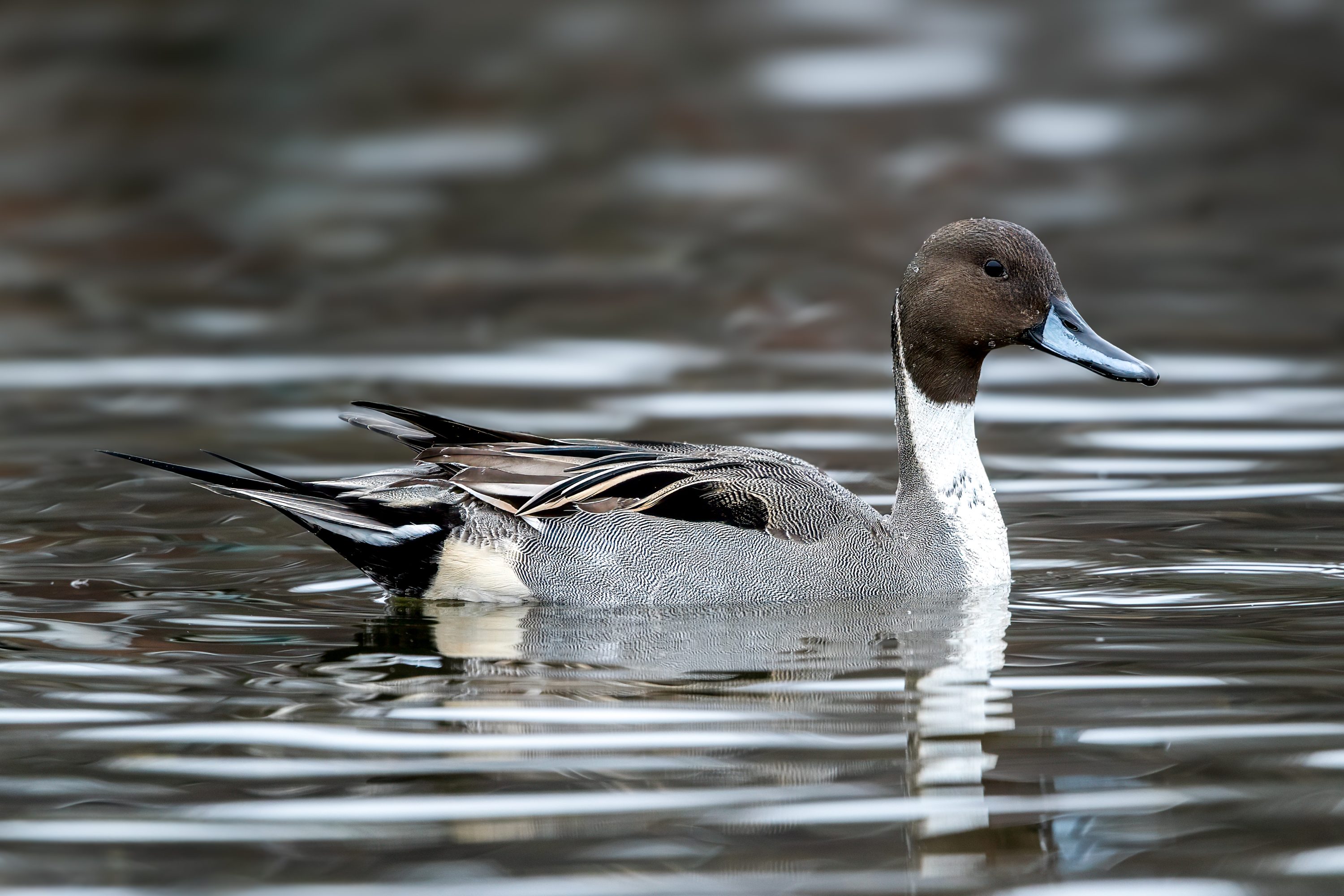
Northern Pintail (Anas acuta) counts fell sharply at seven wetlands in Punjab, Pakistan, between 2015 and 2025. Across the study sites, the authors calculated an average reduction of 98.3% between the beginning and end of the period. Namal Lake declined by 99% and Uchali Lake by 99.2%.
A point count is a survey in which observers remain at a fixed location for a set period and record birds seen or heard, allowing sites to be compared in a standardised way.
The birds were counted annually using boat-based and point-count surveys. The researchers combined these records with rainfall data and satellite measures of wetland vegetation and surface water to examine which habitat changes best matched the decline.
Very large declines, but not the same pattern at every wetland
Most wetlands showed clear long-term declines across the annual series. Uchali Lake was an important exception: although the difference between its early and late counts exceeded 99%, year-to-year variation meant that its overall long-term trend was not statistically clear.
The 98.3% figure therefore describes the average reduction in counts across these seven wetlands. It is not an estimate that the entire Northern Pintail population of Punjab, Pakistan or the wider flyway declined by that amount.
Vegetation loss matched the decline better than water alone
Among the environmental variables examined, loss of wetland vegetation was the strongest habitat factor associated with falling pintail numbers. The authors argue that water alone was not enough to maintain good wintering habitat when vegetation had deteriorated, because wetland plants contribute both food and shelter.
The study is observational, so the relationship does not show that vegetation loss caused the entire decline. Rainfall, water conditions and other environmental changes can occur together, and factors elsewhere along the migration route were not measured. The strongest conclusion is that severe local declines in pintail counts closely tracked habitat degradation, especially vegetation loss.
The authors therefore argue that conservation at these wetlands should go beyond maintaining water levels and also protect or restore wetland vegetation and habitat structure used by wintering waterbirds.
Population & status
Related news
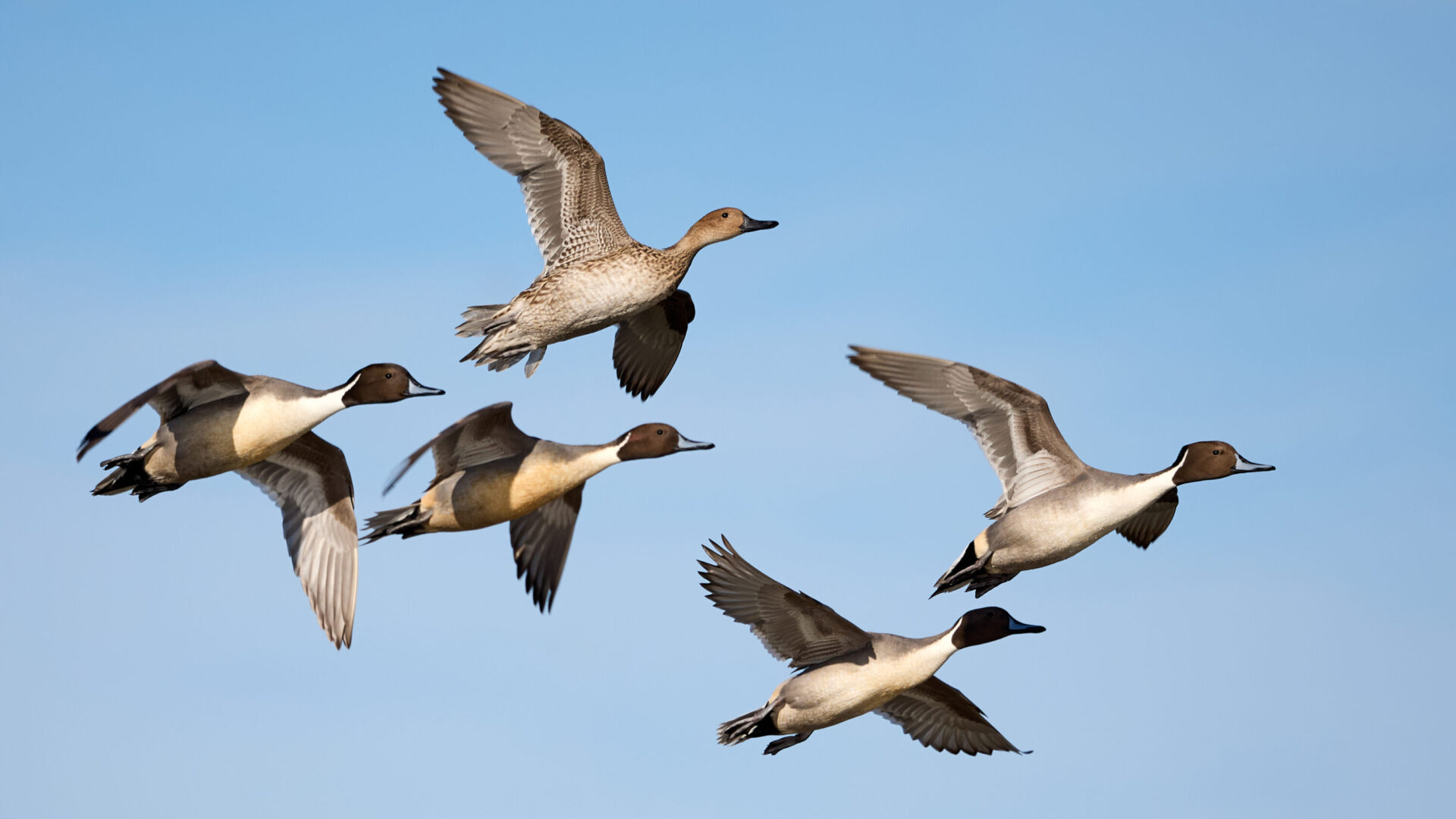
Northern Pintail Breeding Estimate Was 2.0 Million, 48% Below the Long-Term Average
The 2026 North American waterfowl status report estimated 2.0 million breeding northern pintails in the traditional survey area,…
Read story →
Papillomavirus Genomes Recovered from Three Northern Pintails and One Mallard in New Mexico
Cloacal swabs from three northern pintails and one mallard in New Mexico yielded four complete papillomavirus genomes. All…
Read story →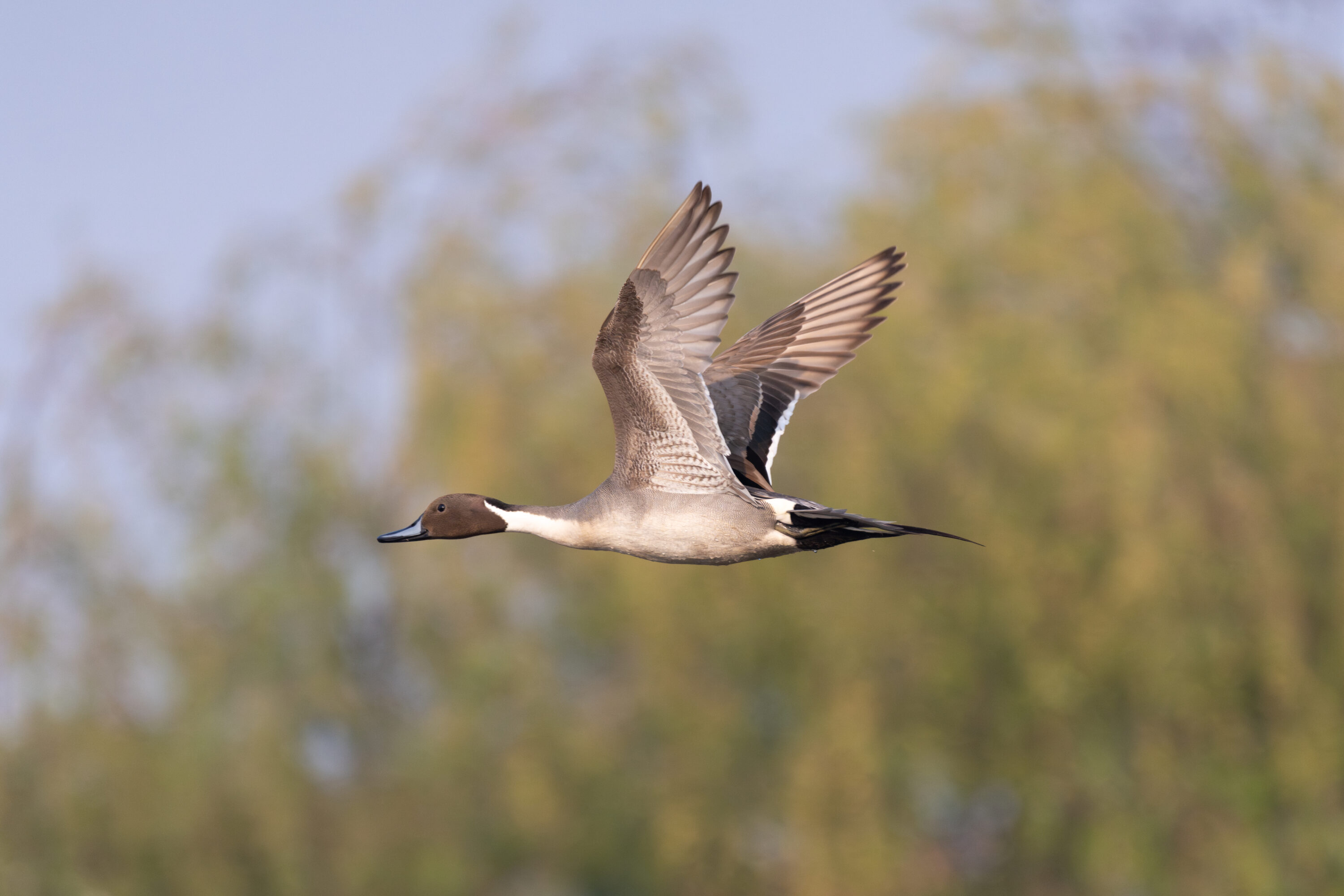
GPS-tracked Northern Pintails Shifted Toward Daytime Flight During Spring Migration
Twenty-two GPS-tracked Northern Pintails showed a gradual shift toward more daytime migration as they moved northeast from northern…
Read story →SPECIES IN THIS STORY
Species in this story
Independent research and conservation news archive
Did you find this information useful?
Wildlife Vagabond is independently built and maintained. Voluntary support helps cover source verification, hosting and continued work on research and conservation news.
Support Wildlife VagabondThe news archive will remain freely available.