
Crop-affected Farmers Around Panna Reported Near-daily Wild Boar and Nilgai Raids, Mostly at Night
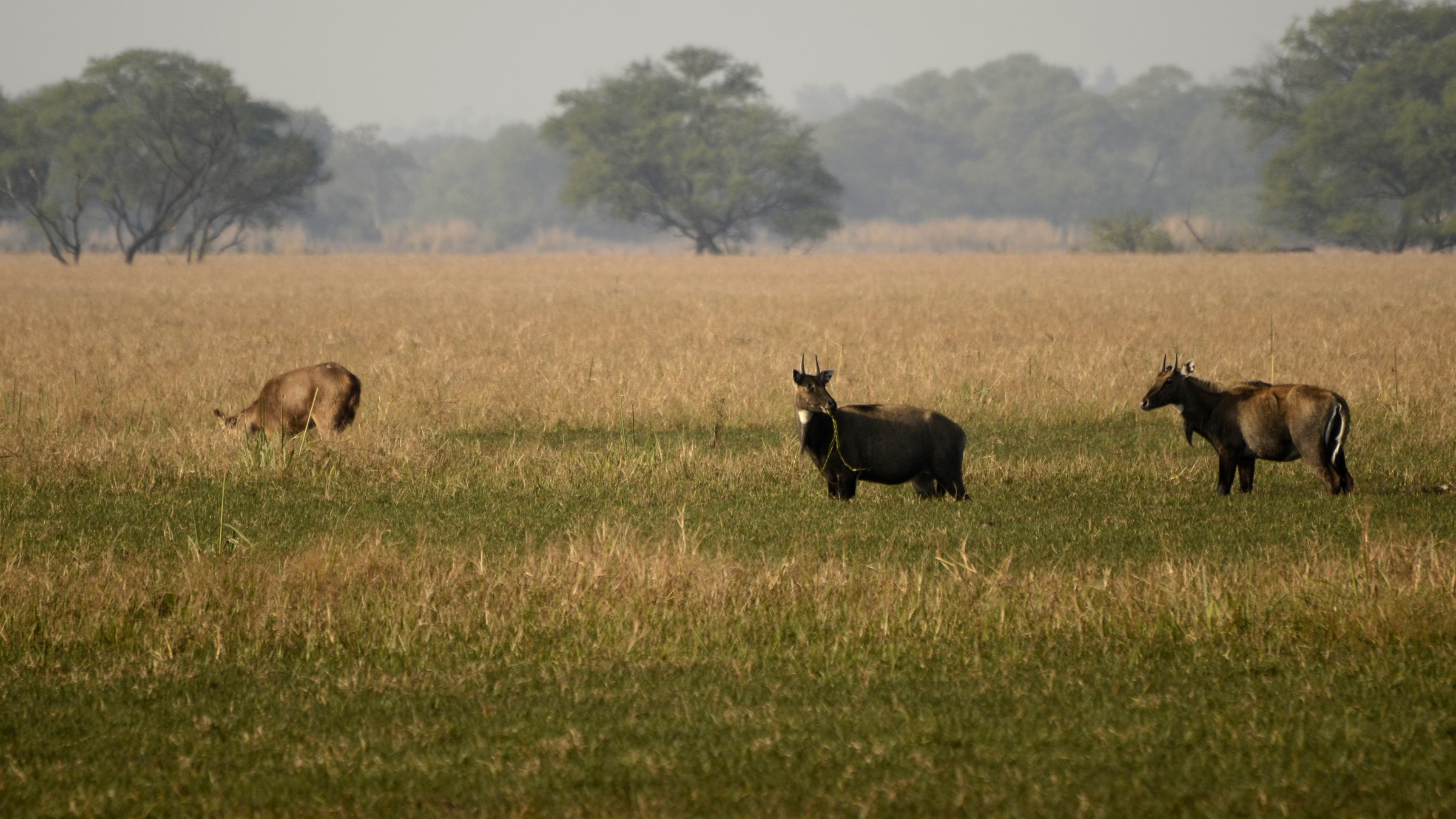
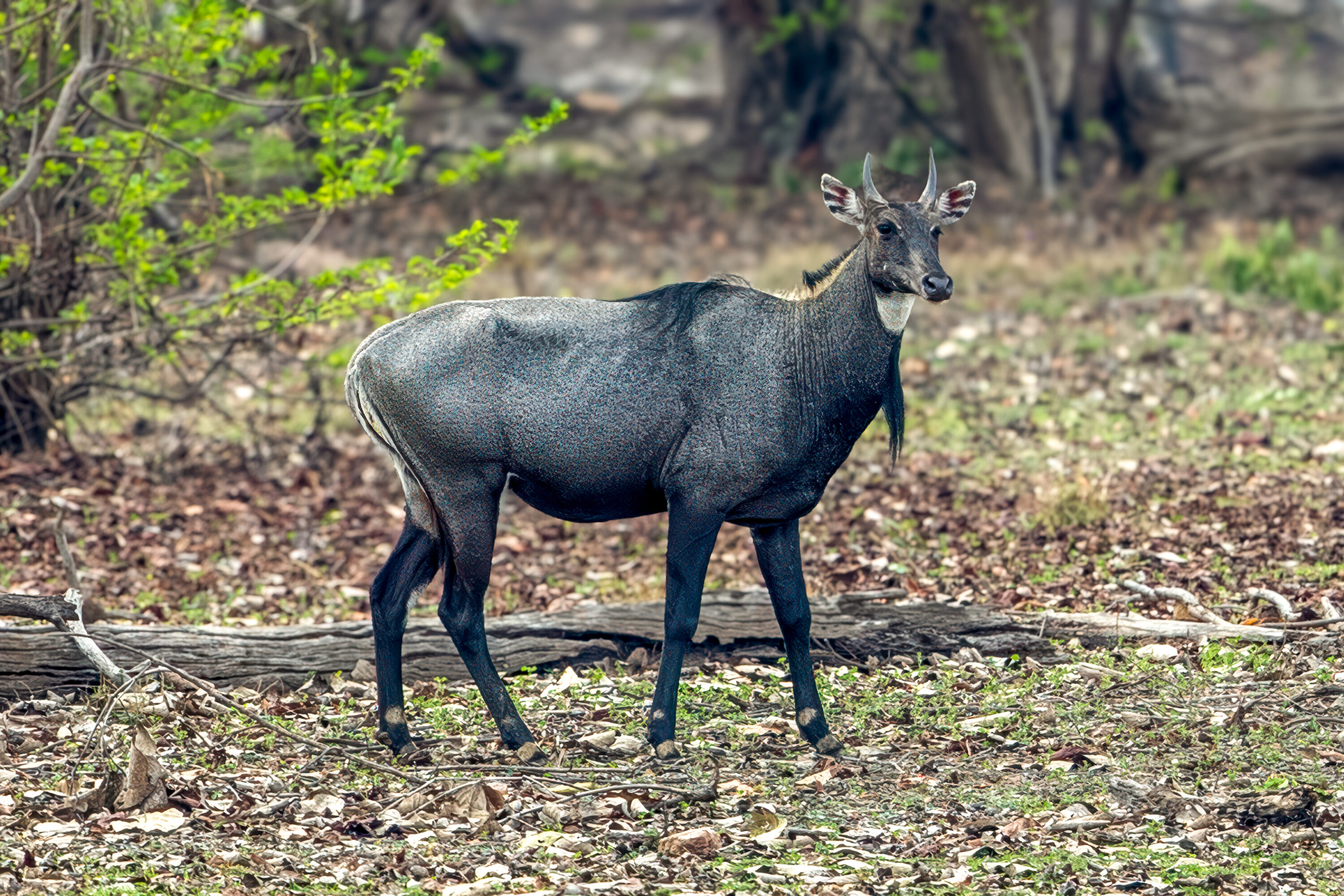
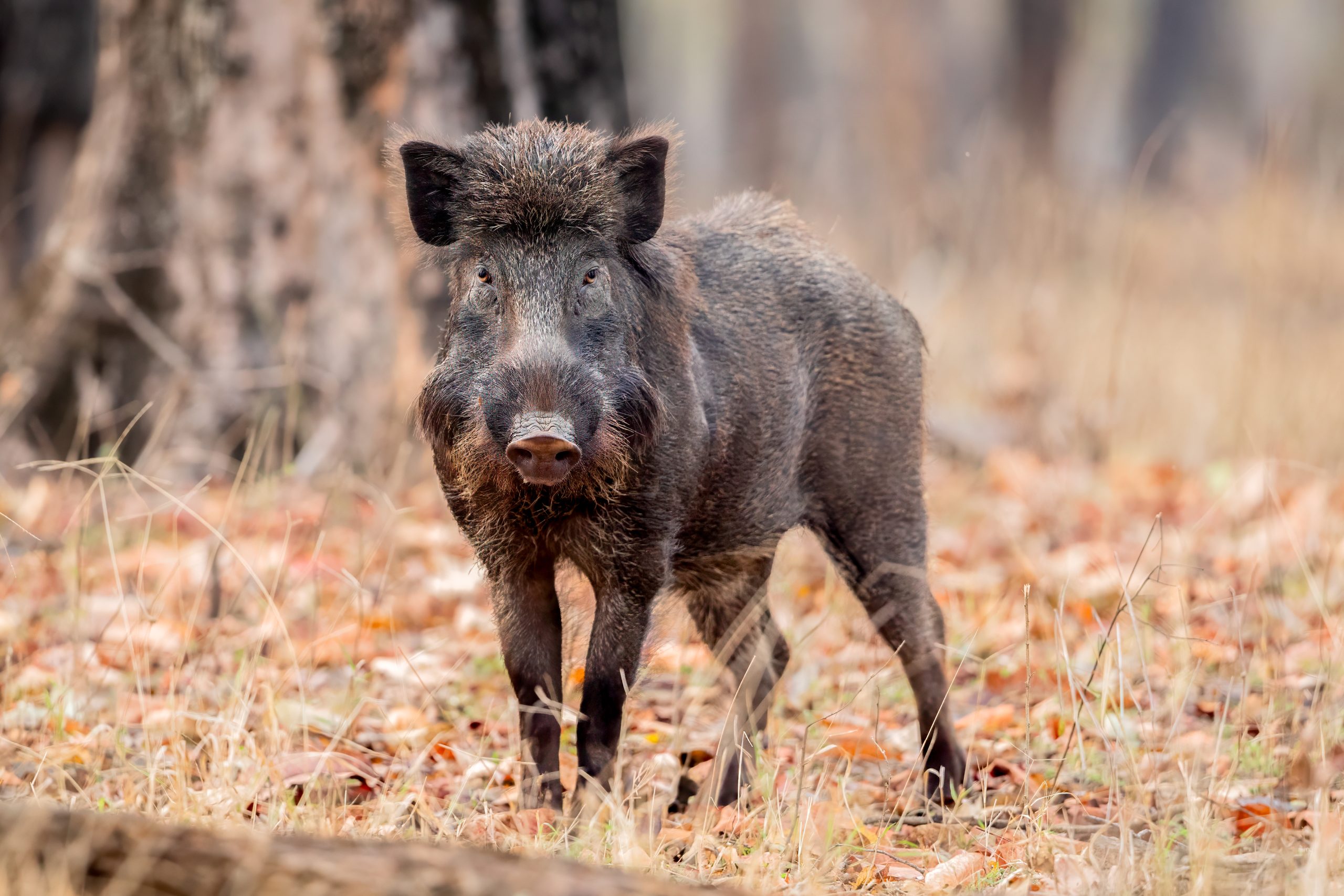
Around Panna Tiger Reserve in central India, crop-affected households reported strong overlap in where and when wild boar (Sus scrofa) and nilgai (Boselaphus tragocamelus) raided fields. The findings come from a 2026 preprint that is not yet peer reviewed. Researchers surveyed about 300 households across 19 villages during the winter of 2022, deliberately focusing on households that had experienced crop loss and whose members guarded fields at night.
This sampling design gave the researchers respondents with direct experience of nocturnal raids, but it also limits how the percentages should be read. They describe patterns among crop-affected, night-guarding households rather than the frequency of raids across every household around Panna. The authors also note that interview-based observations can be affected by reporting bias, even though opportunistic field visits were used to cross-check signs of crop raiding.
Raids were reported almost every night
During cropping seasons, 94.7% of respondents reporting wild boar and 91.6% reporting nilgai said the animals visited farmland every day. Night-time raids were especially consistent: respondents reported both species between 20:01 and 01:00, while almost all also reported visits between 01:01 and 05:00. Nearly 95% of surveyed households reported crop raids by both species.
Wild boar and nilgai used crops differently
The two ungulates differed in how they used fields. Wild boar were most often reported in medium to large groups and damaged crops across several growth stages. Nilgai were usually seen in small to medium groups and were reported to concentrate more heavily on seedlings. Chickpea and wheat were among the crops most frequently affected.
The authors interpret the stronger nilgai focus on seedlings as consistent with rapid feeding on tender, nutrient-rich plant tissue. Wild boar showed less selectivity across crop stages, which they relate to the species’ broader, opportunistic diet and ability to root for both above- and below-ground food. These are biological interpretations of the reported pattern, not behaviours directly measured with cameras or animal tracking.
Night guarding was favoured but labour-intensive
Night guarding was considered the most effective deterrent by 79% of respondents, although this was a perception reported in the survey rather than an experimental test of deterrent performance. The authors also note that guarding demands substantial labour. They propose rotational community guarding during sensitive crop stages together with institutional support for solar-powered fencing as possible ways to reduce recurring losses.
Human–wildlife conflict
Related news
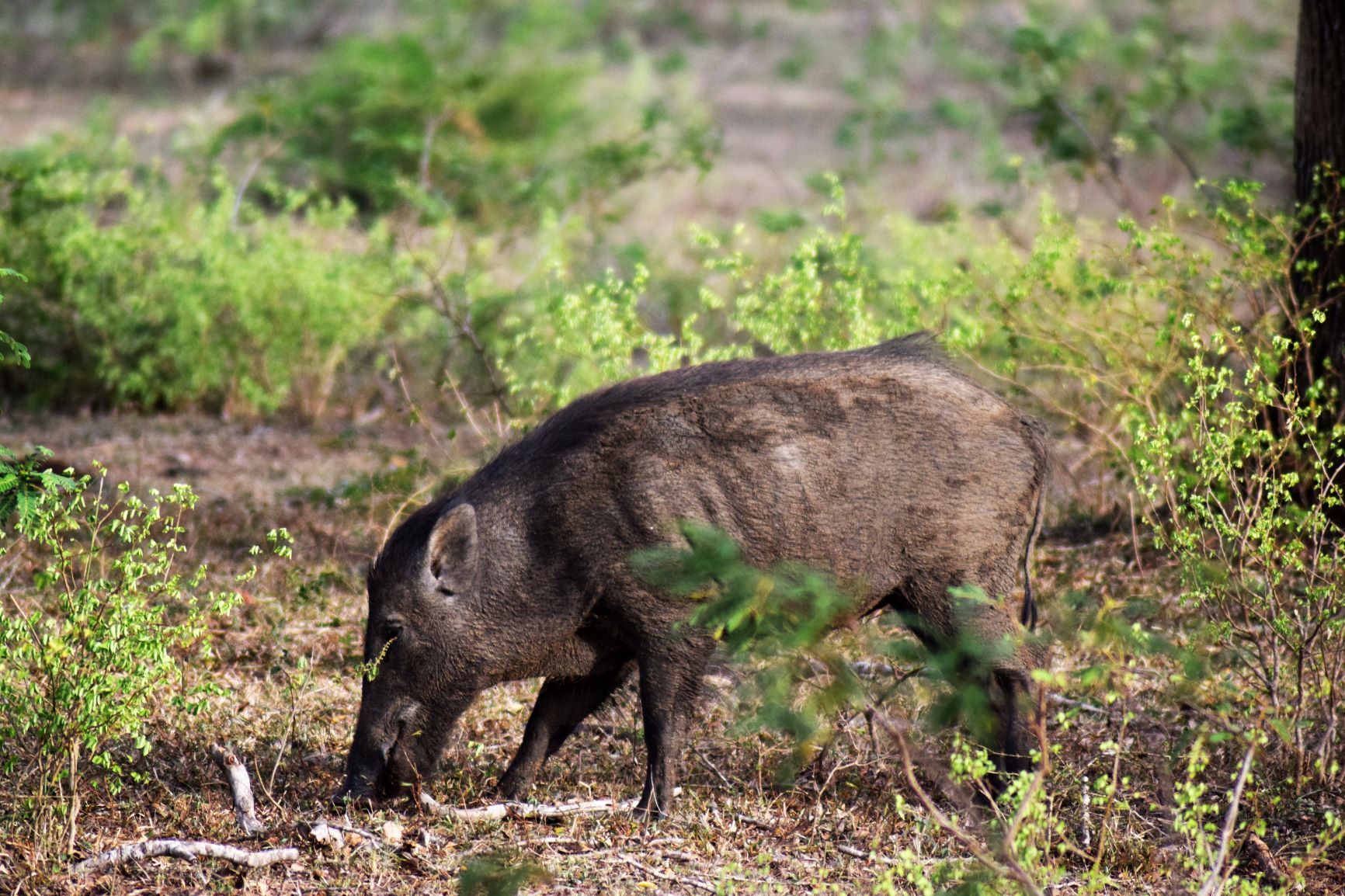
Maps Show Where Wild Boar Could Thrive and Spread on Jeju Island
Researchers mapped potentially suitable wild-boar habitat across roughly 36% of Jeju Island and identified eight possible corridors linking…
Read story →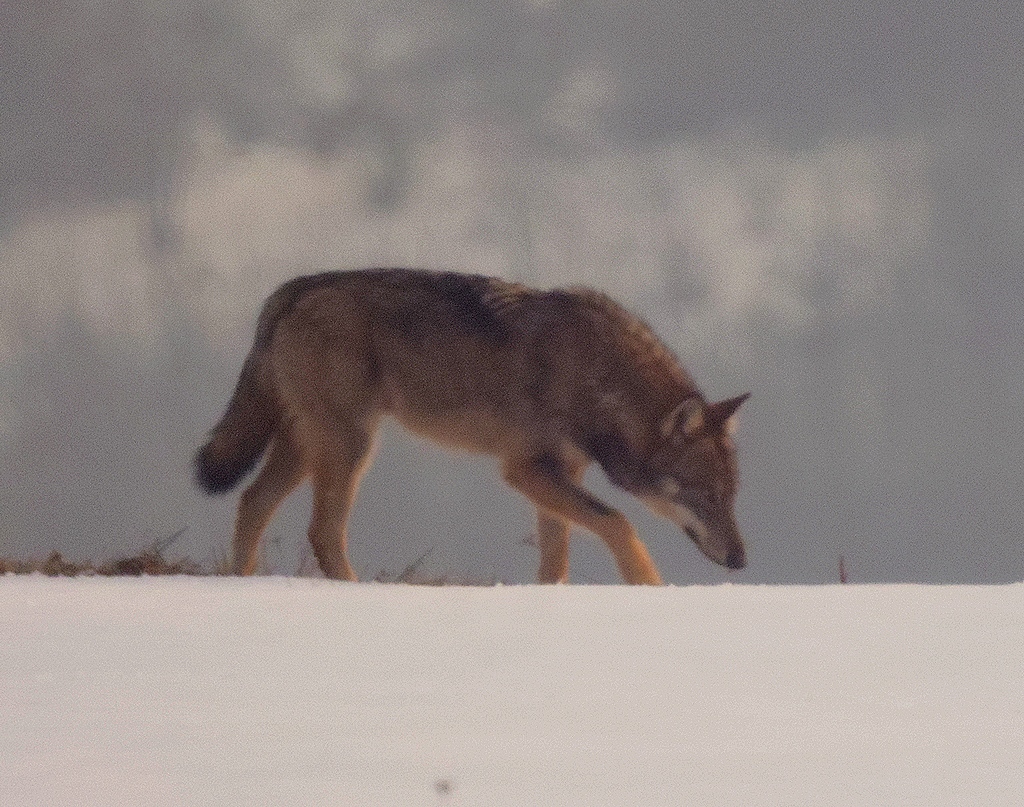
Roe Deer and Wild Boar Remained Key Wolf Prey as Diet Shifted Across North-western Italy
From 2021 to 2025, wolves in north-western Italy continued to feed mainly on wild prey. In the Po…
Read story →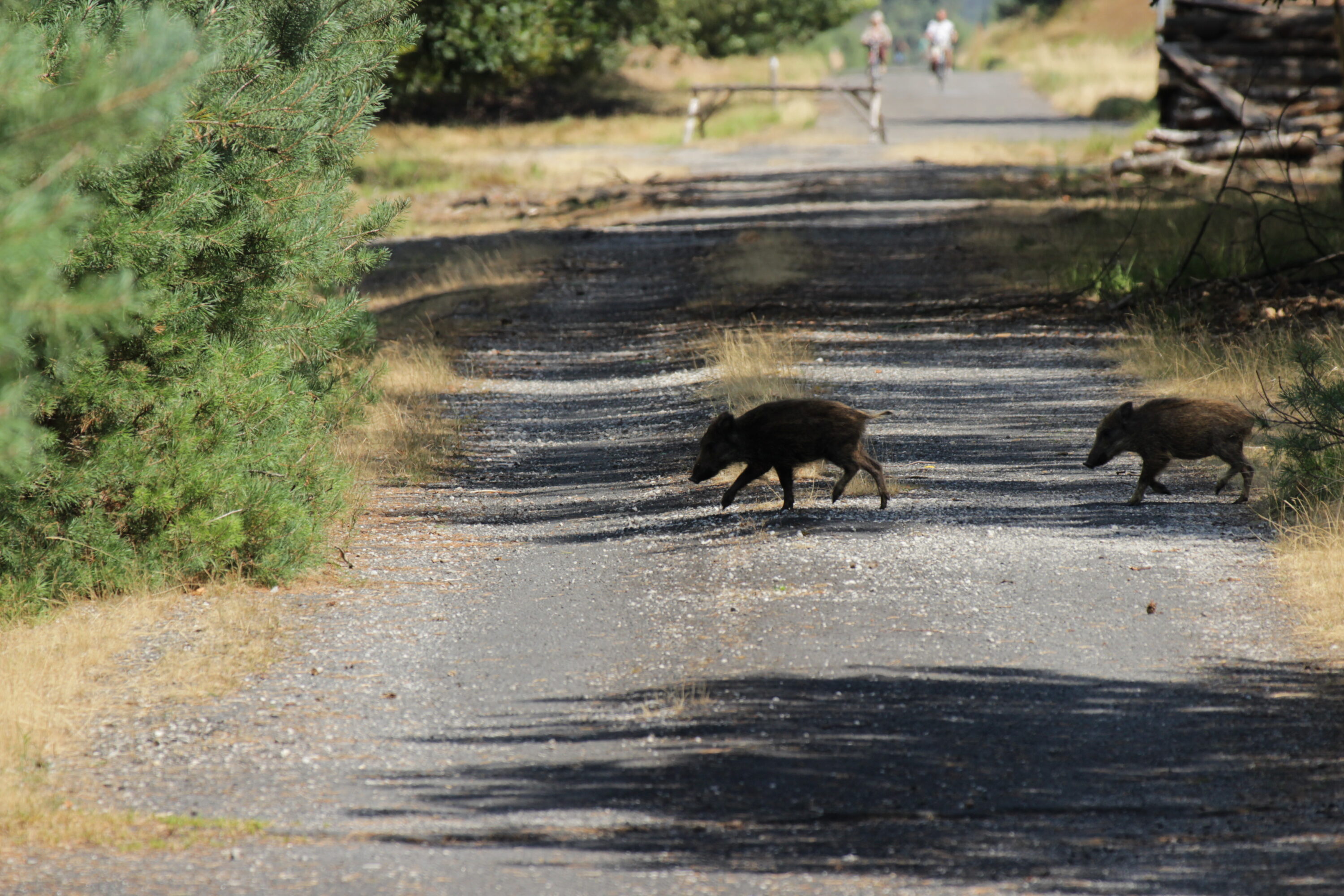
Copper levels in wild boar differed across Slovak districts
An analysis of kidney, liver and muscle from 147 wild boar in four districts found that iron and…
Read story →SPECIES IN THIS STORY
Species in this story
Independent research and conservation news archive
Did you find this information useful?
Wildlife Vagabond is independently built and maintained. Voluntary support helps cover source verification, hosting and continued work on research and conservation news.
Support Wildlife VagabondThe news archive will remain freely available.