
Tiger Occurrence in Panna Was Linked to Chital, Sambar and Proximity to Water
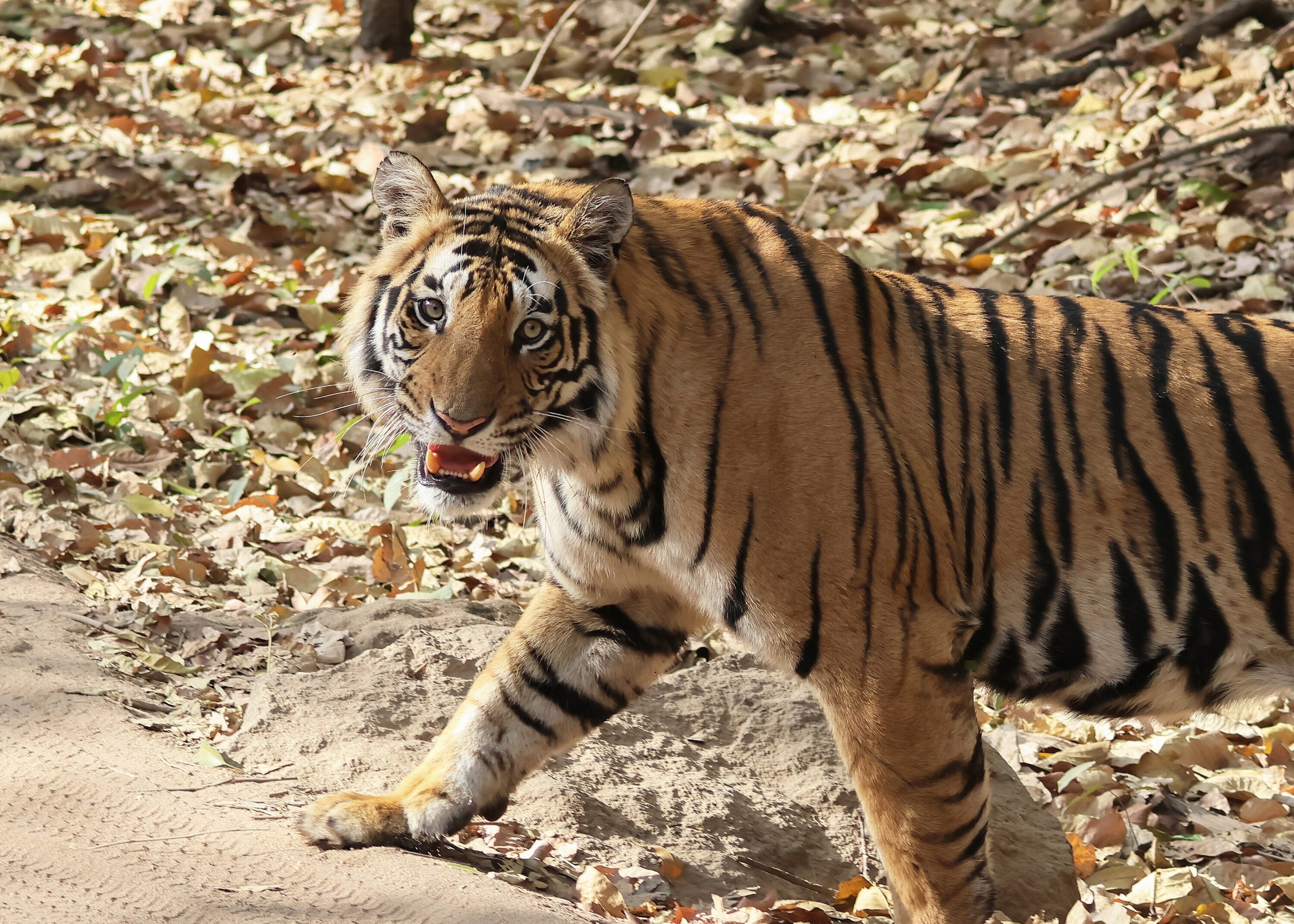
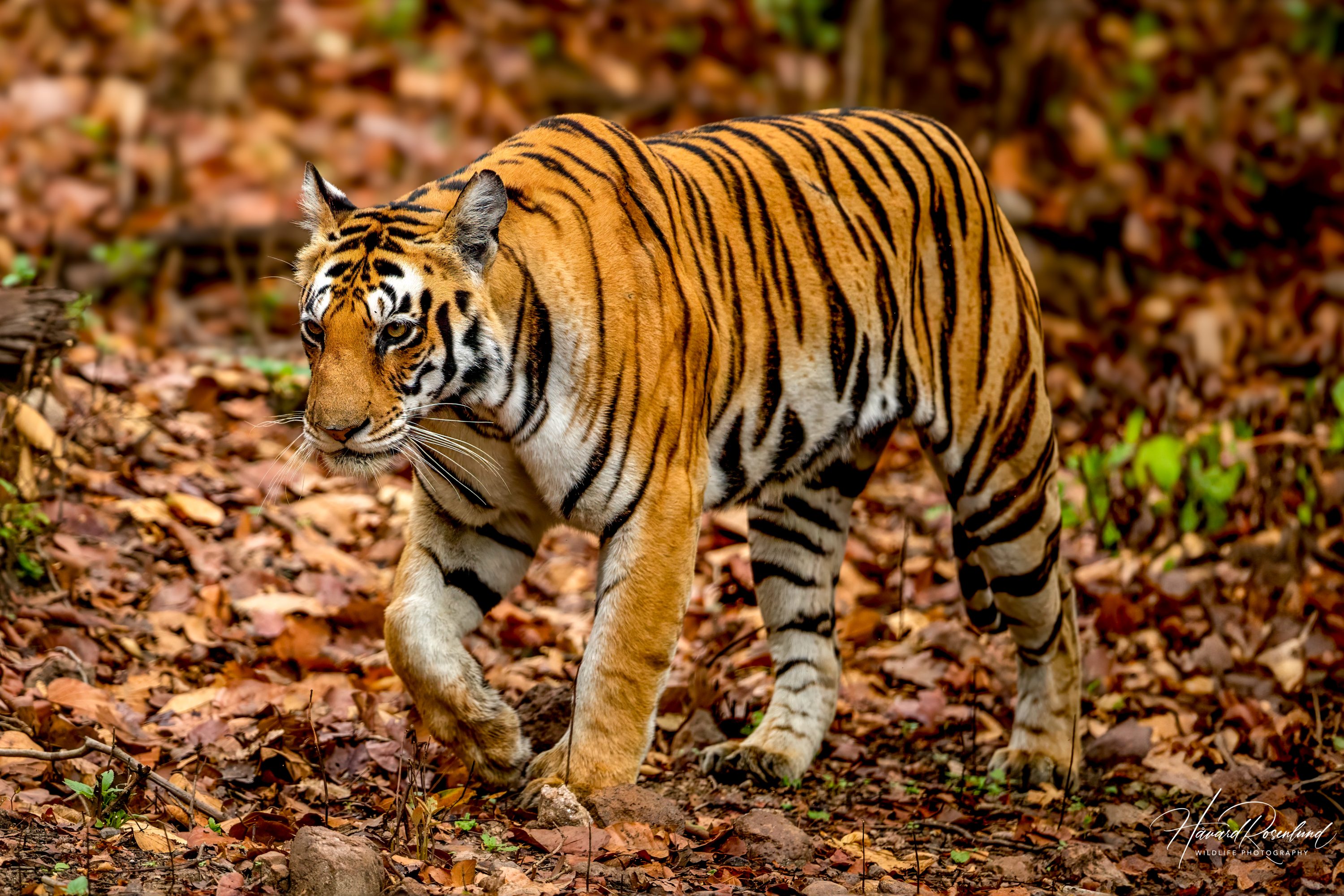
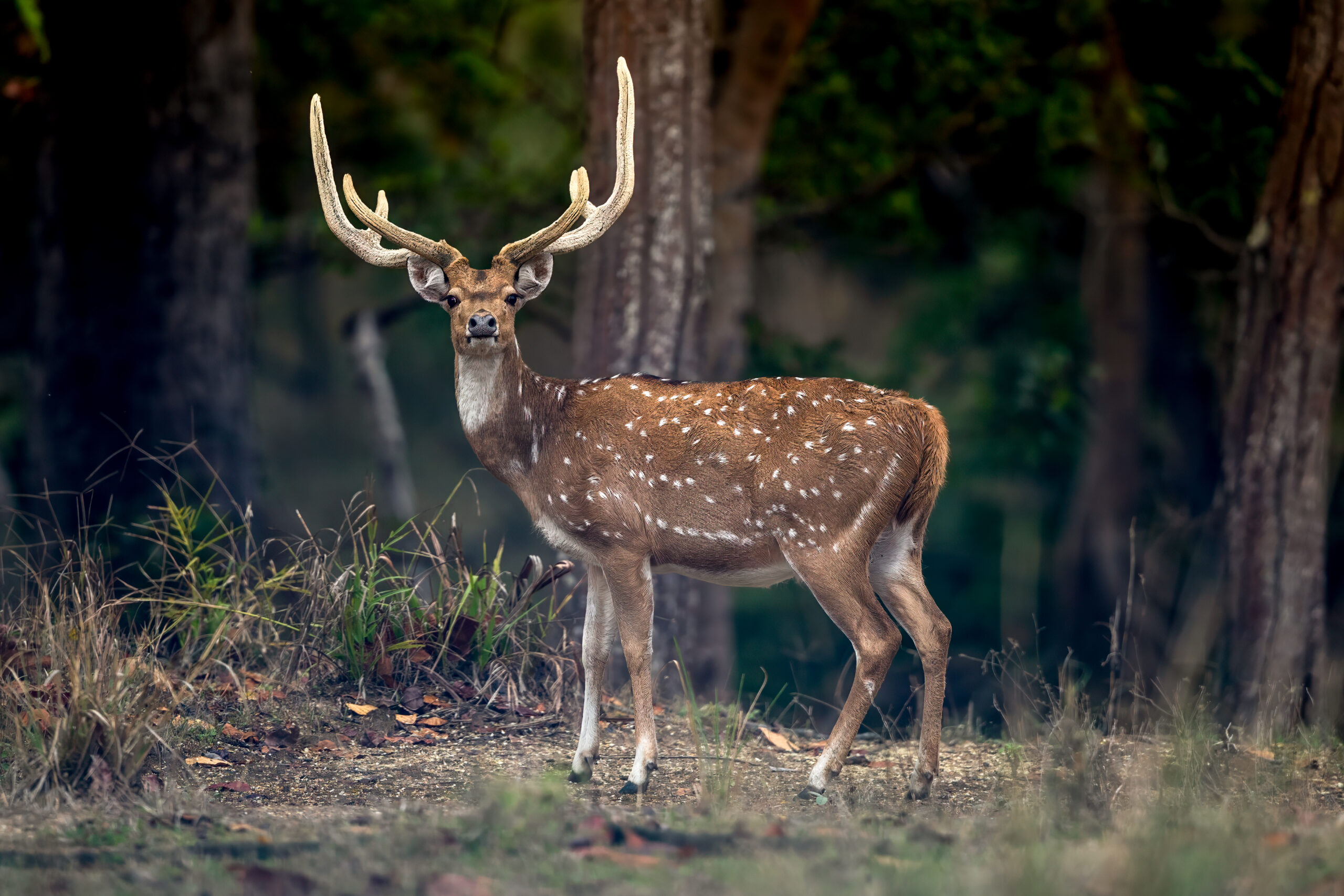
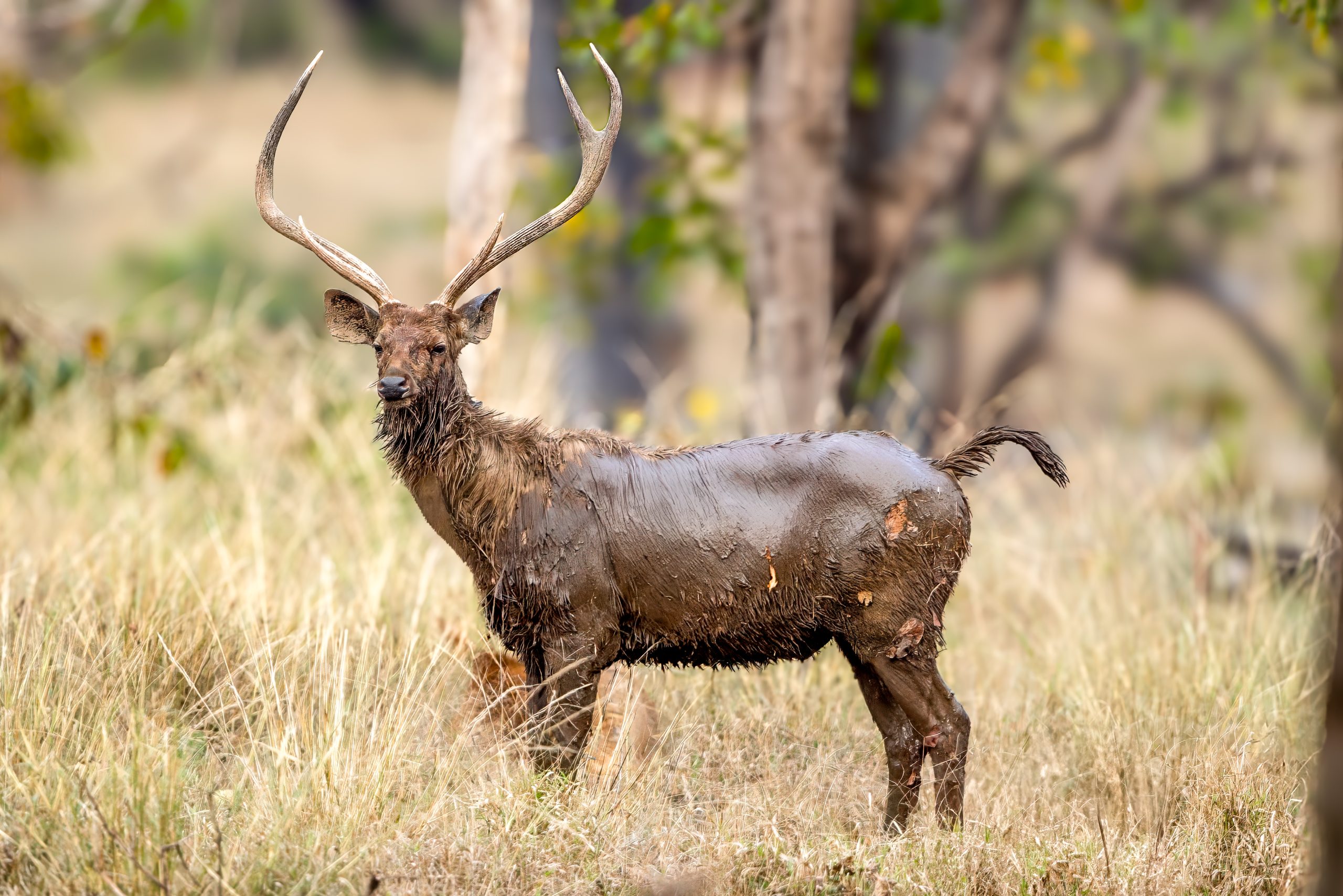
A camera-trap study in Panna Tiger Reserve, central India, found that tiger (Panthera tigris) occurrence was positively associated with two major prey species, chital (Axis axis) and sambar (Rusa unicolor), and declined with increasing distance from water. The study, available online on 3 March 2026 in Global Ecology and Conservation, examined how species interactions and habitat variables together shaped the reserve’s mammal community.
Researchers used paired camera traps across Panna in winter and summer 2019 and recorded 40,308 independent detections of ten focal mammal species. They used structural equation models to compare top-down effects, where predators influence species below them in the food web, with bottom-up effects, where prey availability helps shape predator occurrence. The analysis showed that both trophic directions and environmental variables were needed to describe the community patterns.
Tigers Were Associated With Prey, Water and Distance From Villages
Tiger occurrence was positively associated with chital and sambar and negatively associated with increasing distance from water. Tigers were also recorded more often farther from villages. A negative association with cattle remained in the combined model.
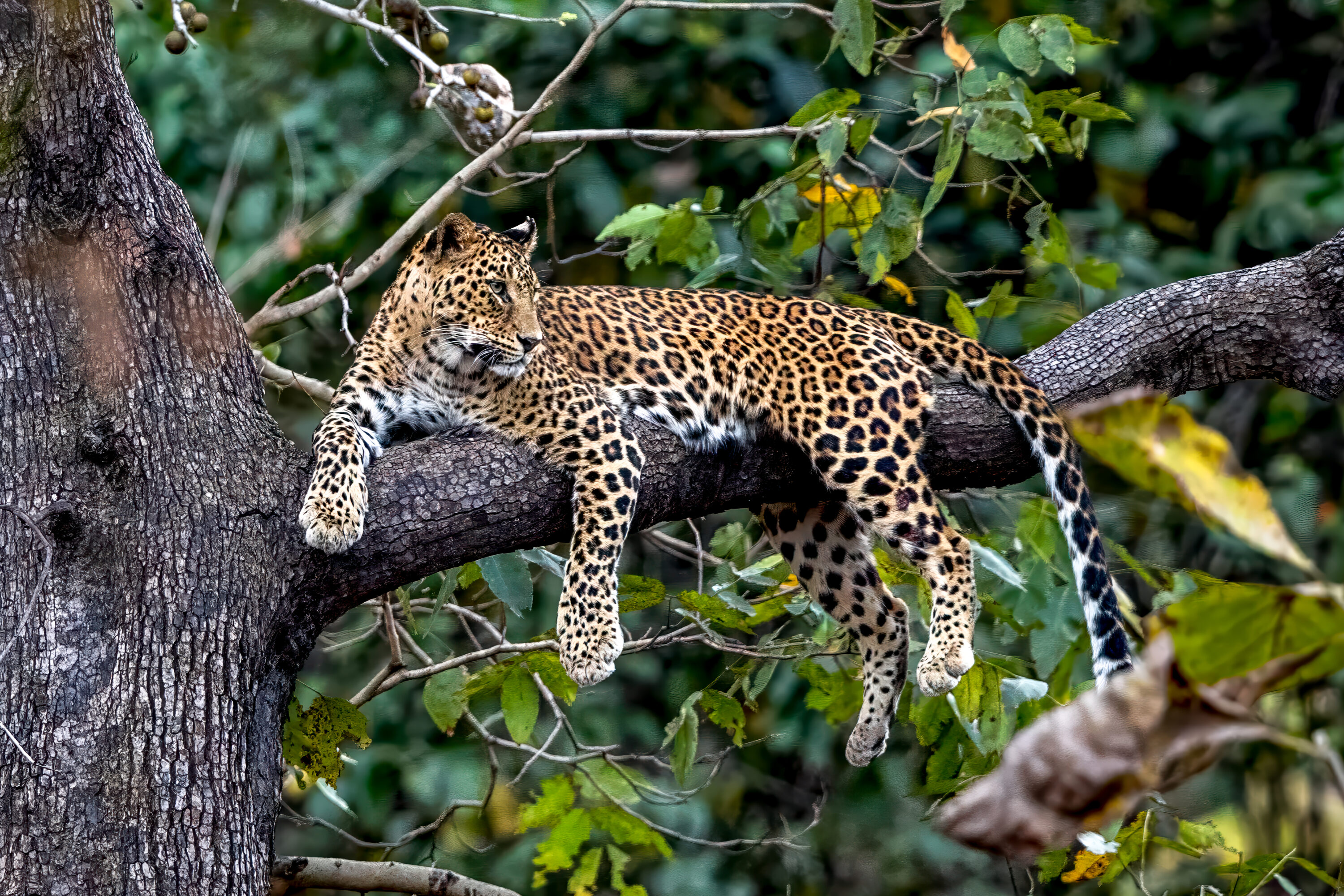
Across the wider community, distance from water was one of the most consistent environmental predictors. Leopard (Panthera pardus) occurrence was also negatively associated with distance from water and positively associated with canopy cover, while several prey species showed their own relationships with water, vegetation and human settlement.
Both Trophic Directions Contributed to the Mammal Network
Top-down effects from carnivores were strongest overall across the mammal community, but predators did not structure the system alone. Positive bottom-up associations also linked major prey with large carnivores, including the tiger–chital and tiger–sambar relationships.
The study also found positive associations involving large cats and striped hyena (Hyaena hyaena), which the authors discuss in relation to scavenging opportunities around large predators. They conclude that both trophic interactions and environmental conditions contribute to mammal occurrence patterns in Panna.
The camera surveys covered winter and summer but not the monsoon, when water availability and animal distributions may change substantially. The authors also caution that directional paths in the structural models should not automatically be interpreted as fixed causal relationships across other spatial scales or time periods.
Ecology
Related news
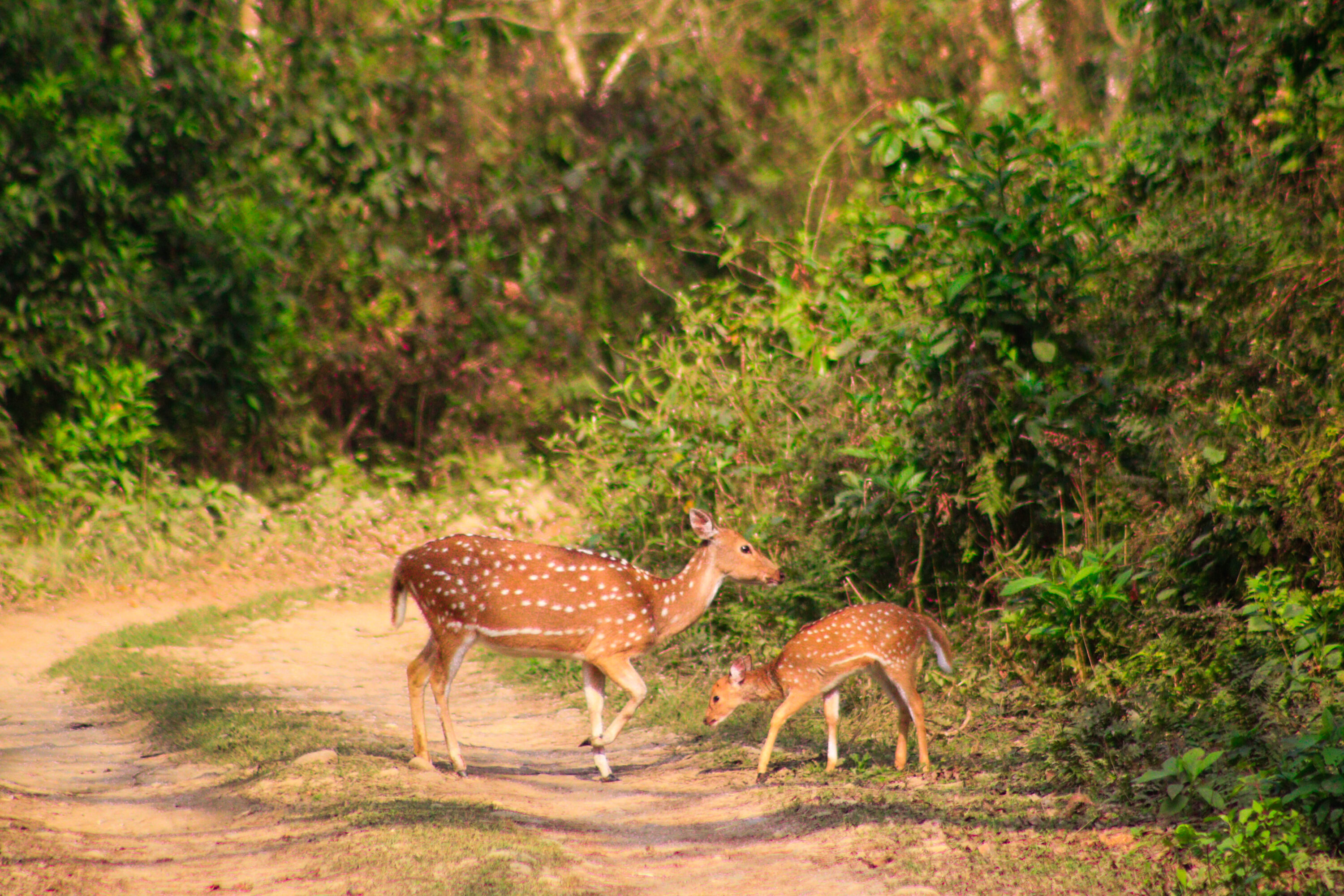
Human Activity and Large Wildlife Overlapped Most in Chitwan’s Buffer Zone
Camera traps across Chitwan National Park and surrounding forests showed the greatest overlap of human activity with large…
Read story →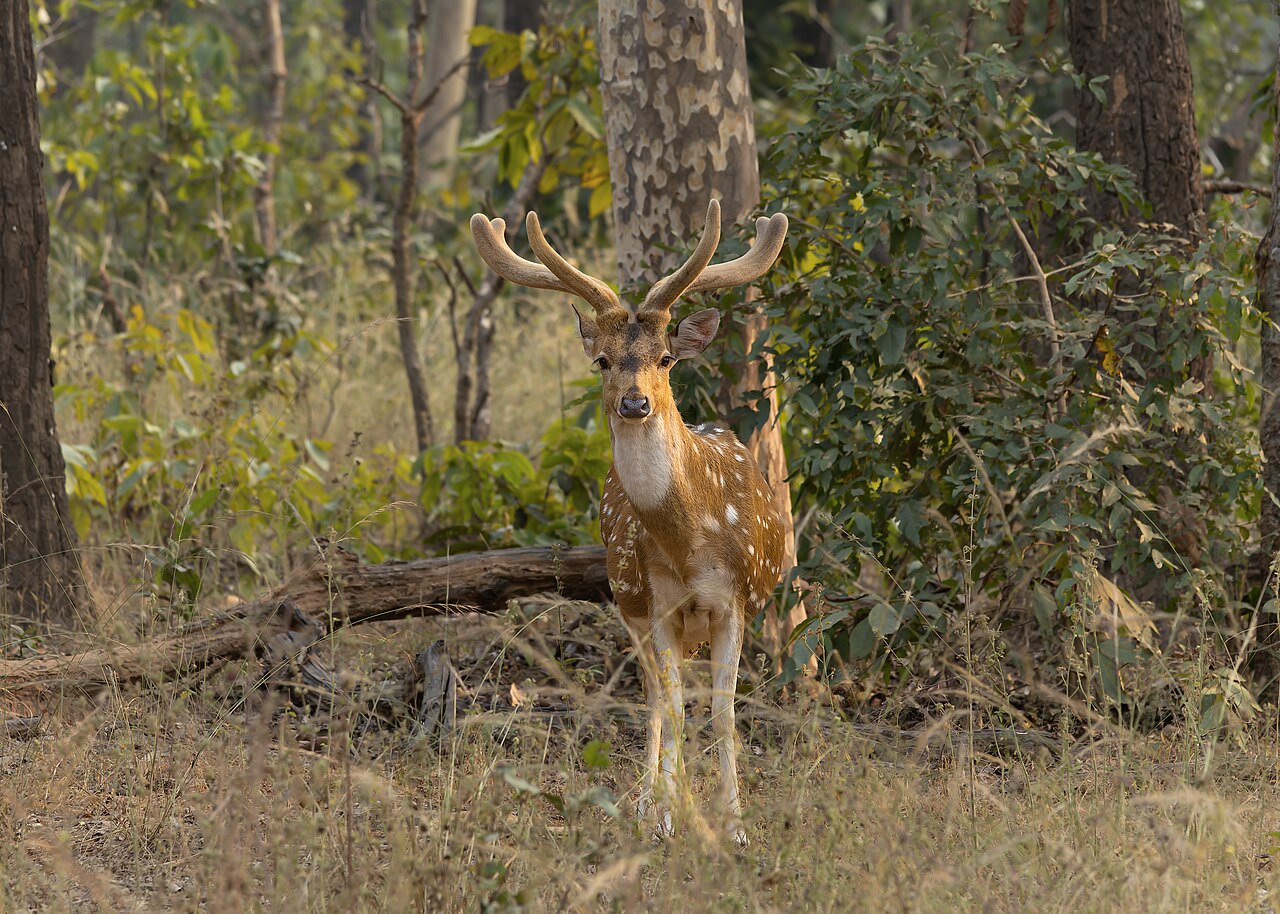
How Deer and Gaur Share Kanha’s Food Supply
In India’s Kanha National Park, Sambar and Gaur ate much the same food in winter but found it…
Read story →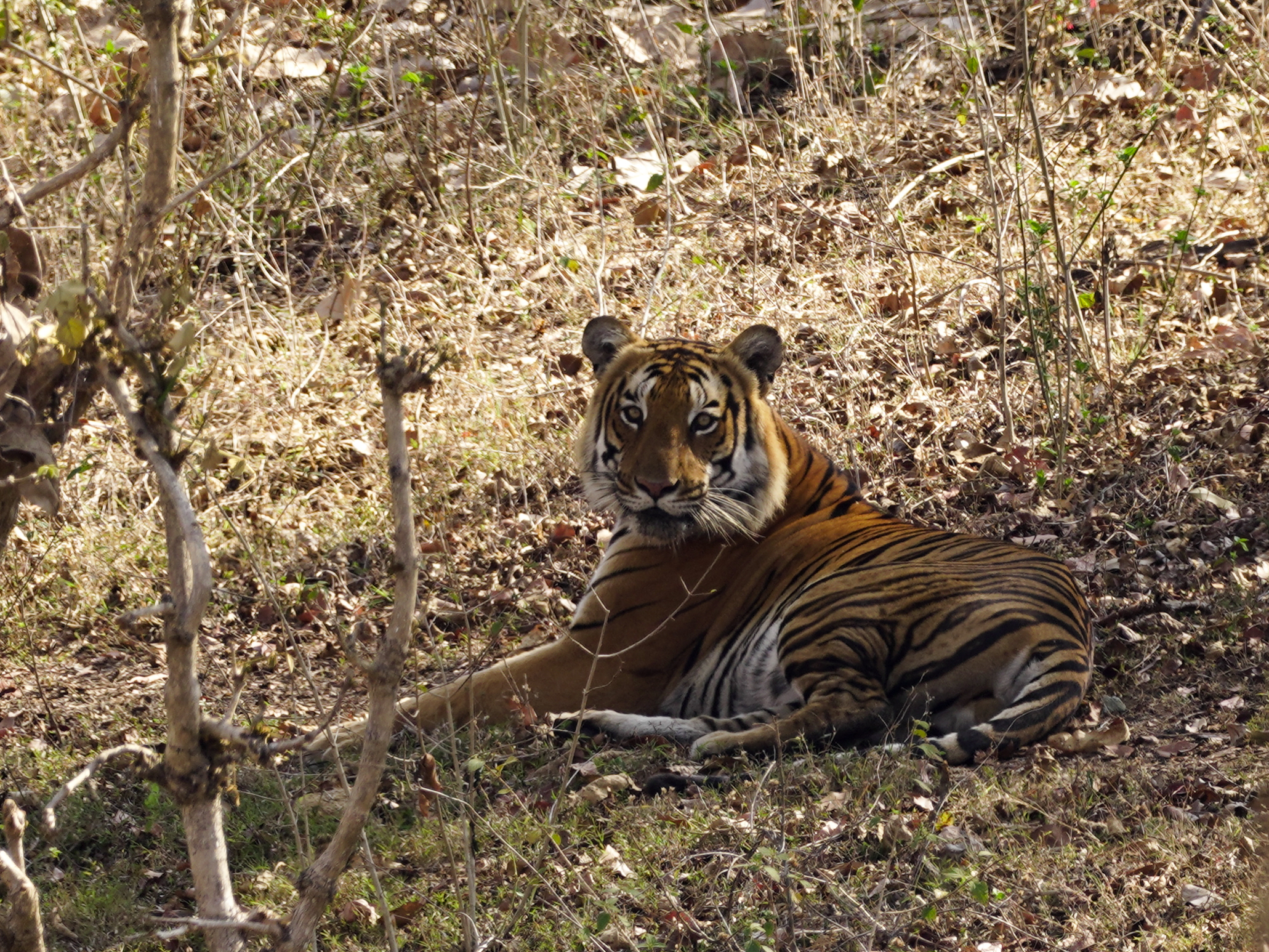
Key Movement Bottlenecks for Five Large Mammals Lay Outside Protected Areas in Tamil Nadu
A 2026 study of tiger, leopard, dhole, Asian elephant and gaur identified modelled movement bottlenecks outside protected areas,…
Read story →SPECIES IN THIS STORY
Species in this story
Independent research and conservation news archive
Did you find this information useful?
Wildlife Vagabond is independently built and maintained. Voluntary support helps cover source verification, hosting and continued work on research and conservation news.
Support Wildlife VagabondThe news archive will remain freely available.