
Homing Pigeon Eyes Diverged During Flight but Converged Toward the Perch During Landing
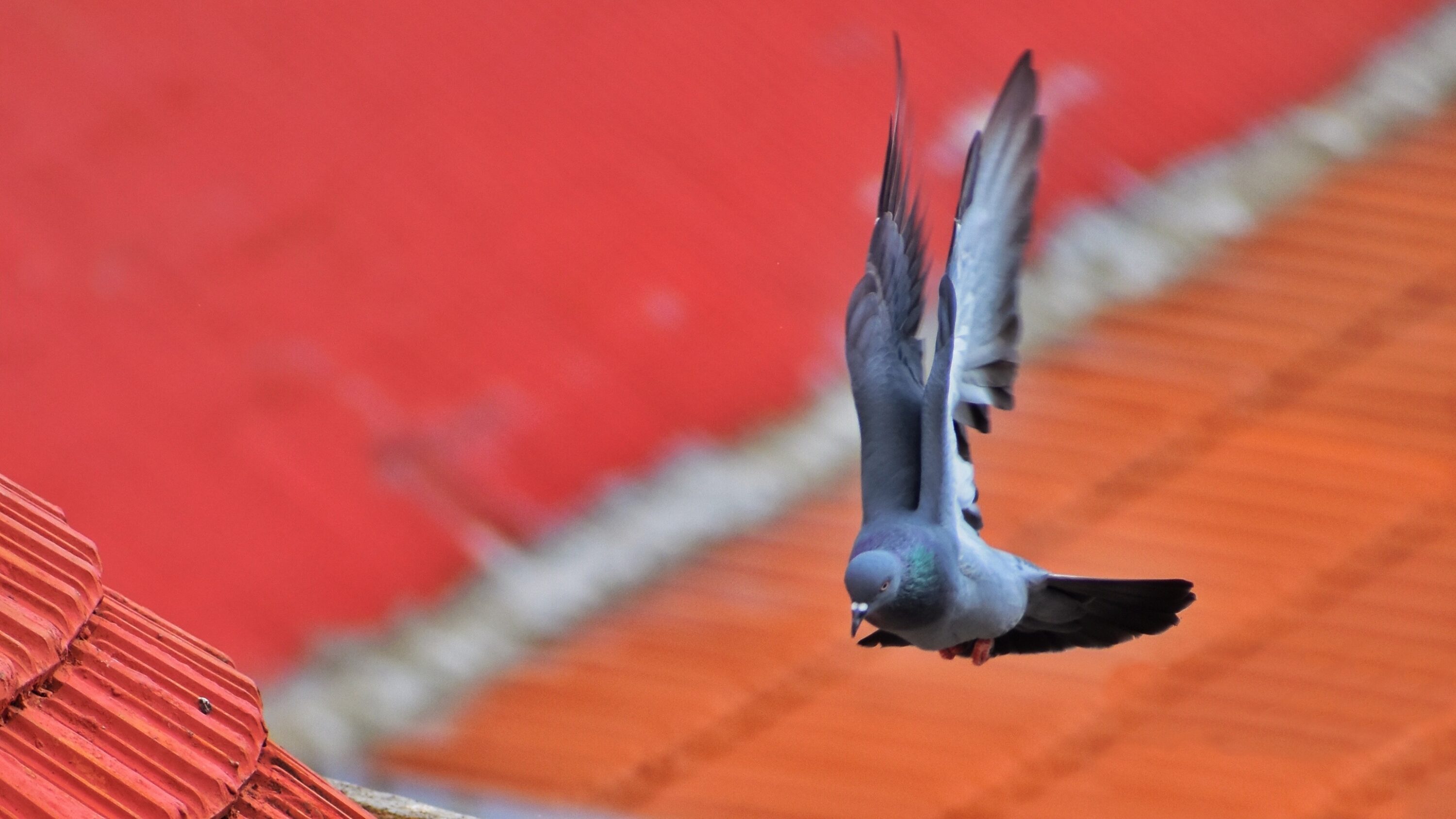
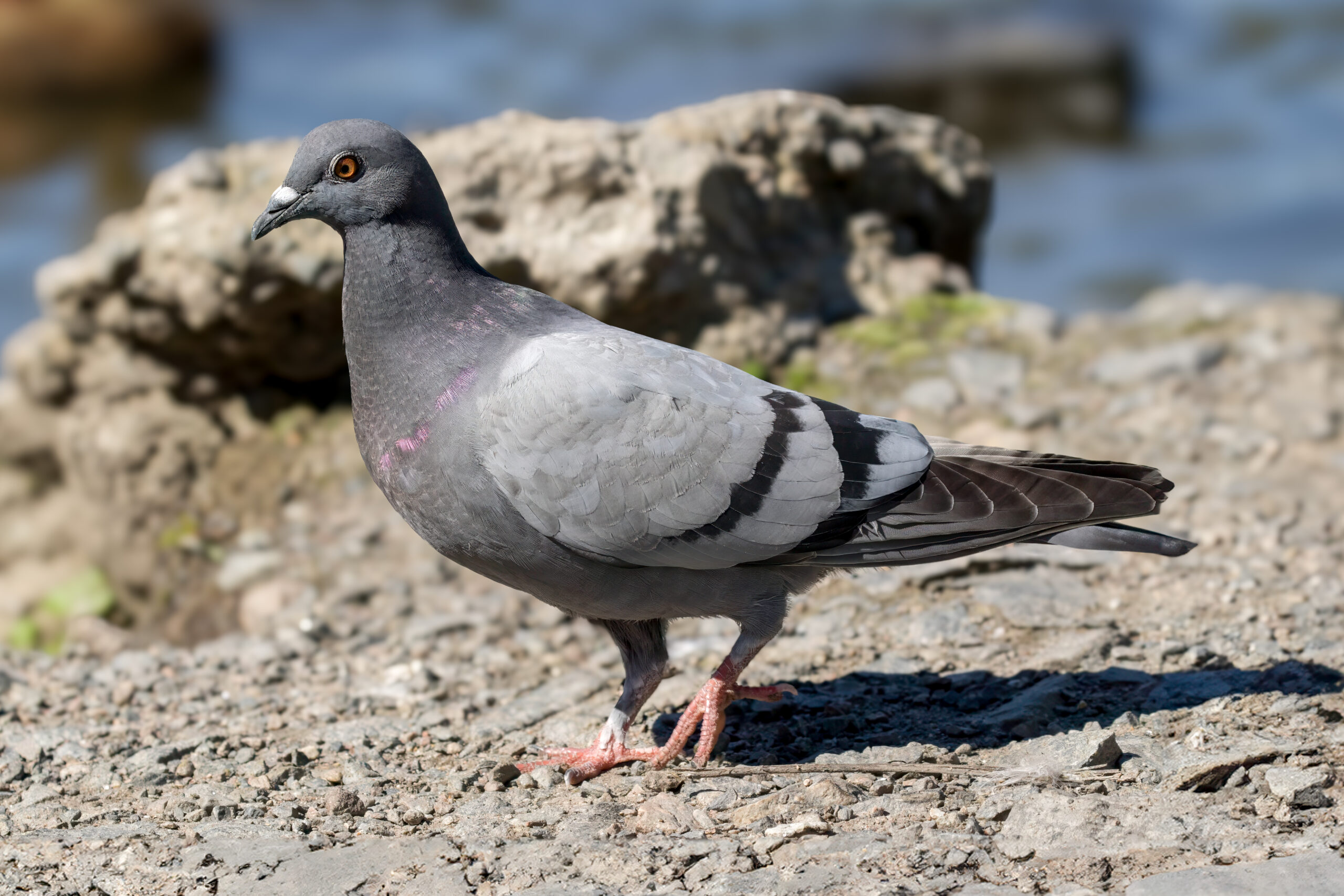
Homing pigeons (Columba livia domestica), domesticated rock doves, used markedly different eye movements during forward flight and landing. The study was conducted in Canada. A Current Biology study published online on 6 July 2026 found slow outward, or divergent, eye movements during free flight, but large inward, convergent movements toward the perch during landing.
The researchers built a miniature onboard system that recorded eye position while a second view captured the visual motion, or optic flow, generated as pigeons flew several kilometres back to their home loft. The eye camera recorded at 90 frames per second, while a small computer, battery and inertial sensor were carried on the bird in a backpack.
Eye movements followed the optic flow of forward flight
As a pigeon moves forward, features in the environment sweep across the retina. This pattern is called optic flow. During outdoor flight, the pigeons’ eyes made slow temporal movements, turning outward from one another. Both the direction and speed of these movements matched the optic flow measured along the horizon.
The authors interpret this as a divergent optokinetic response. Optokinetic eye movements act to reduce image slip across the retina, and the measured pattern was consistent with the pigeons stabilising the horizon within their lateral visual fields while continuing to move rapidly through the landscape.
A laboratory test reproduced the divergence
The researchers then tested pigeons with the head held stationary while computer-generated visual scenes simulated forward self-motion. The birds again made binocular divergent eye movements. Reproducing the response without real forward flight strengthened the conclusion that the divergence was driven by the visual motion associated with self-movement.
The study therefore links the free-flight eye movements directly to a known visual reflex rather than treating them as incidental movements of the eyes inside the head.
Landing reversed the pattern
During landing, the eye movements changed sharply. In both open-field and laboratory landing trials, pigeons made large convergent movements, rotating both eyes toward the perch. This brought the landing target into the binocular part of the visual field.
That geometry permits stereopsis: depth can be estimated by comparing the slightly different view reaching each eye. The strong convergence demonstrates that pigeons actively reconfigure their gaze as the visual task changes from forward travel to precise contact with a target.
Pigeon gaze changed with the demands of flight
The results show that pigeon eyes are not simply held in one fixed configuration once a bird is airborne. During forward flight, slow divergence matched the visual motion produced by self-movement and was consistent with horizon stabilisation. During landing, the same visual system shifted to strong convergence toward a specific object.
In the authors’ interpretation, both optokinetic and goal-directed convergent eye movements are important components of avian flight control. The researchers also suggest that the subtle drifting movements during forward flight may help pigeons resolve finer visual details or environmental features useful for navigation.
Physiology
Related news
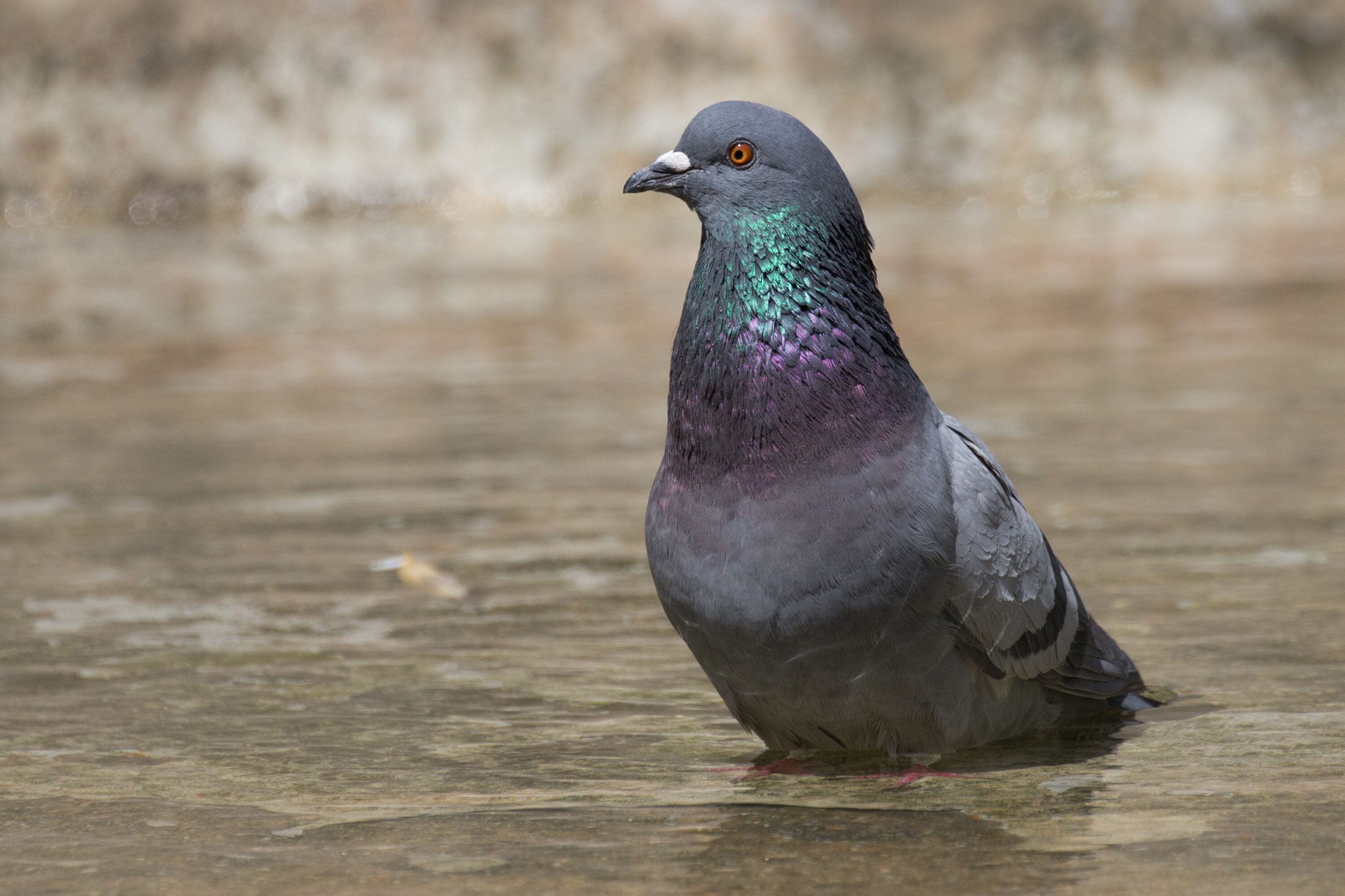
Rock Doves Preferred Predictive Information Despite a Lower Food Payoff
Seven rock doves preferred an informative option that paid on 20% of trials over a non-informative option that…
Read story →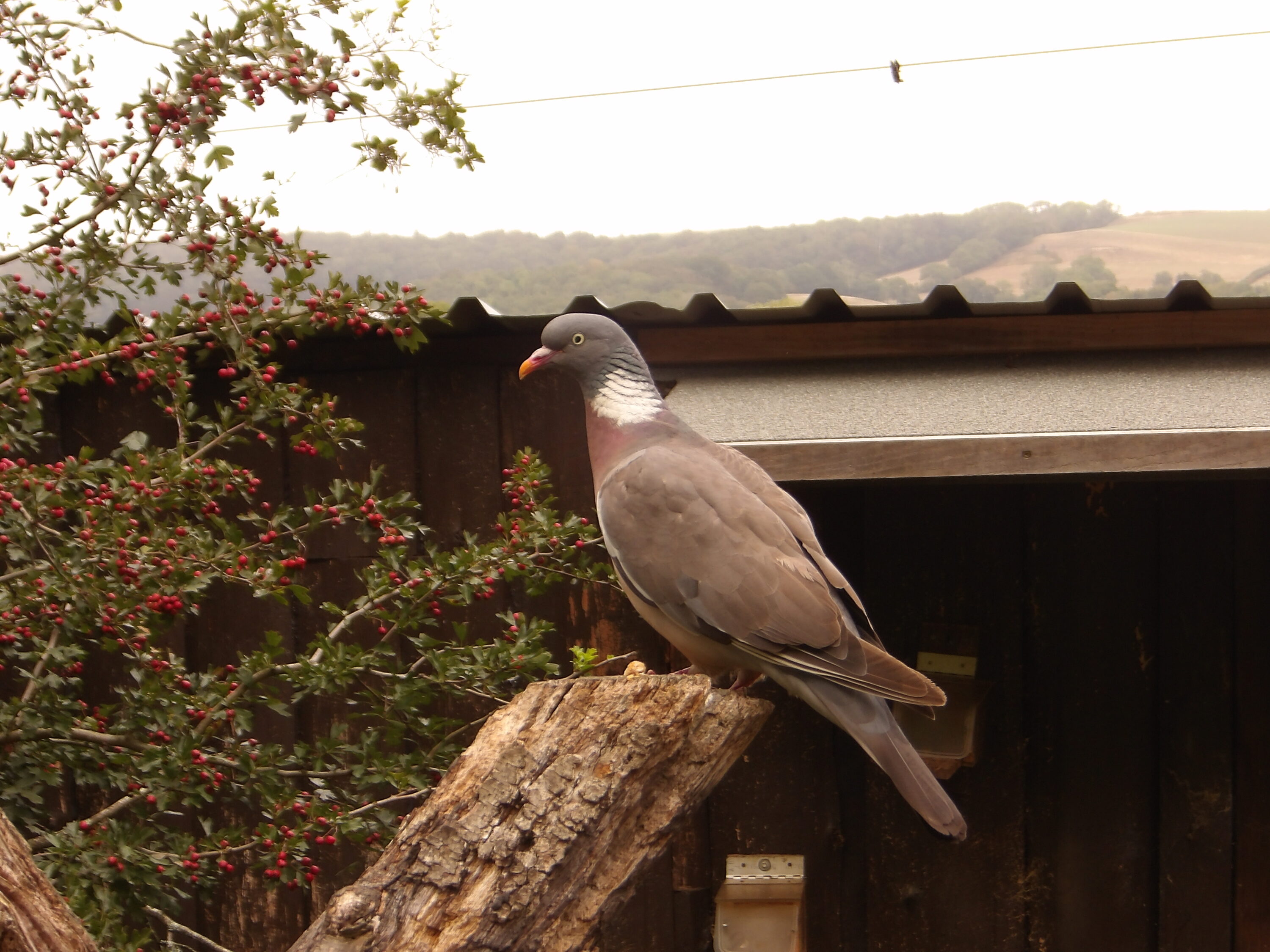
Rotavirus A Antibodies Were Common in Feral Pigeon Samples but Rare in Wood-Pigeon Samples in Germany
A German study detected rotavirus A-reactive antibodies in 79.2% of free-ranging feral pigeons and 77.0% of domestic pigeons,…
Read story →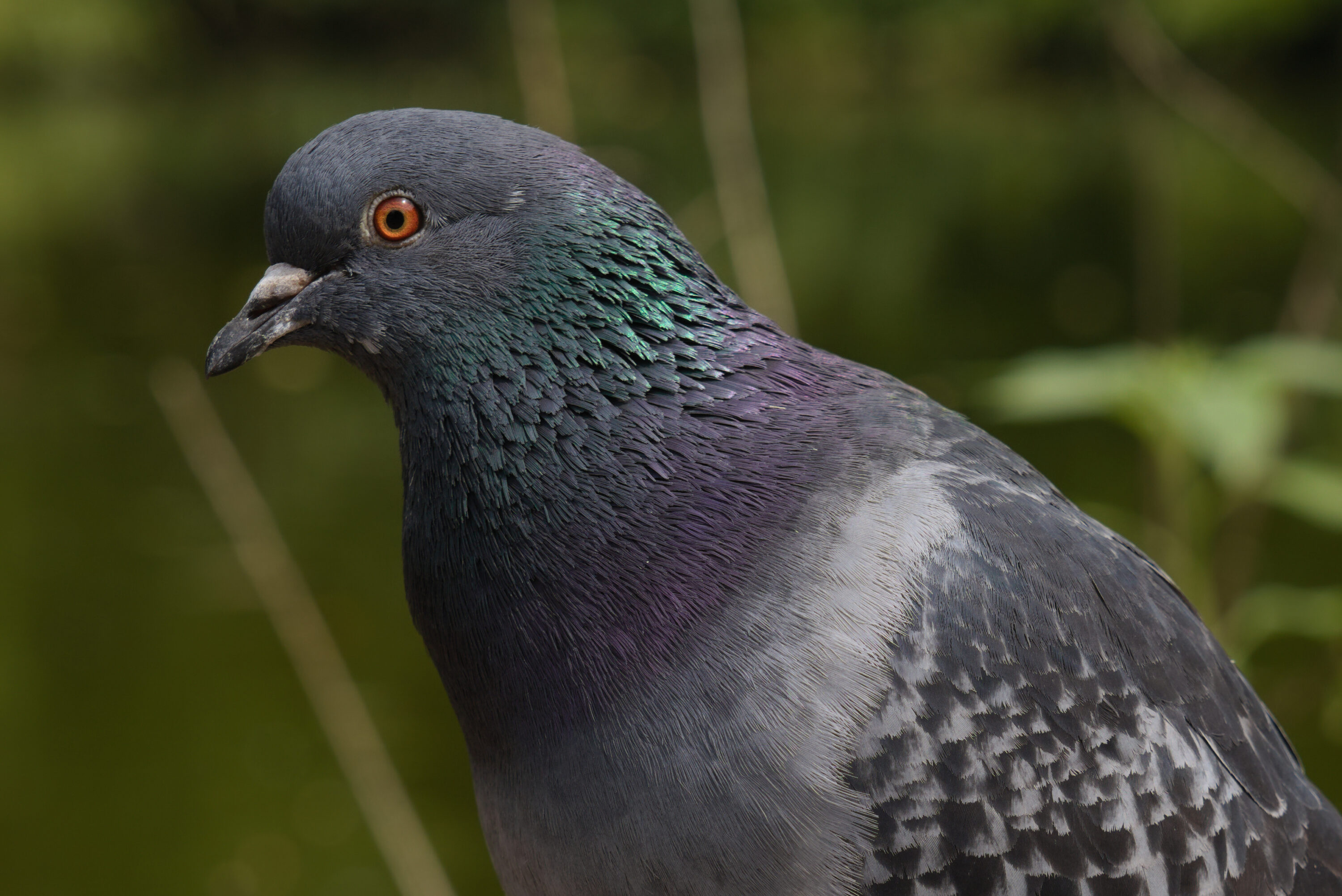
New Shiqi Pigeon Genome Placed 97.8% of Its Sequence on 41 Chromosomes
A chromosome-level genome from a female Shiqi pigeon in Zhongshan, China spans about 1.24 billion DNA bases, places…
Read story →SPECIES IN THIS STORY
Species in this story
Independent research and conservation news archive
Did you find this information useful?
Wildlife Vagabond is independently built and maintained. Voluntary support helps cover source verification, hosting and continued work on research and conservation news.
Support Wildlife VagabondThe news archive will remain freely available.