
Pleistocene Reindeer Teeth Revealed Flexible Diets Across Changing European Environments
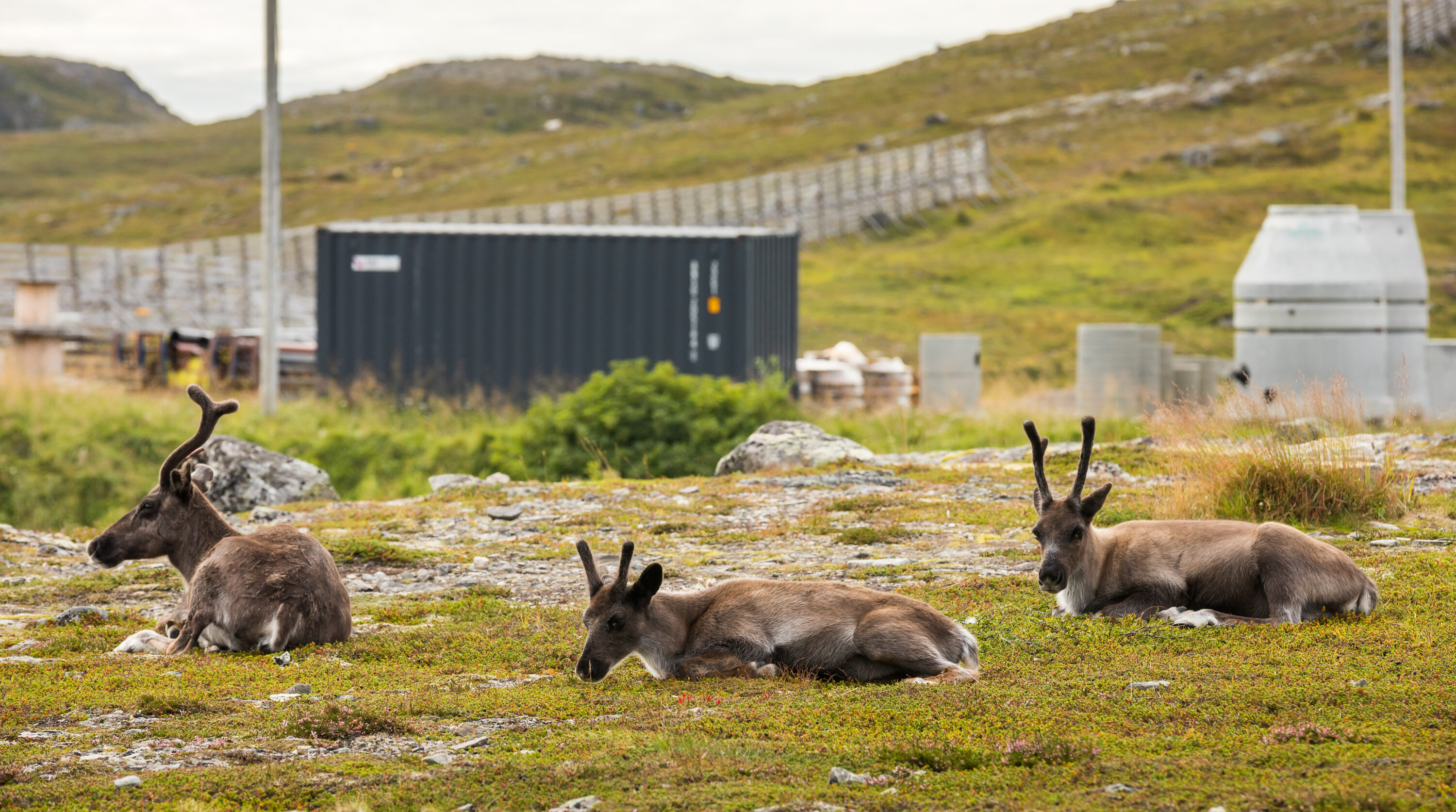
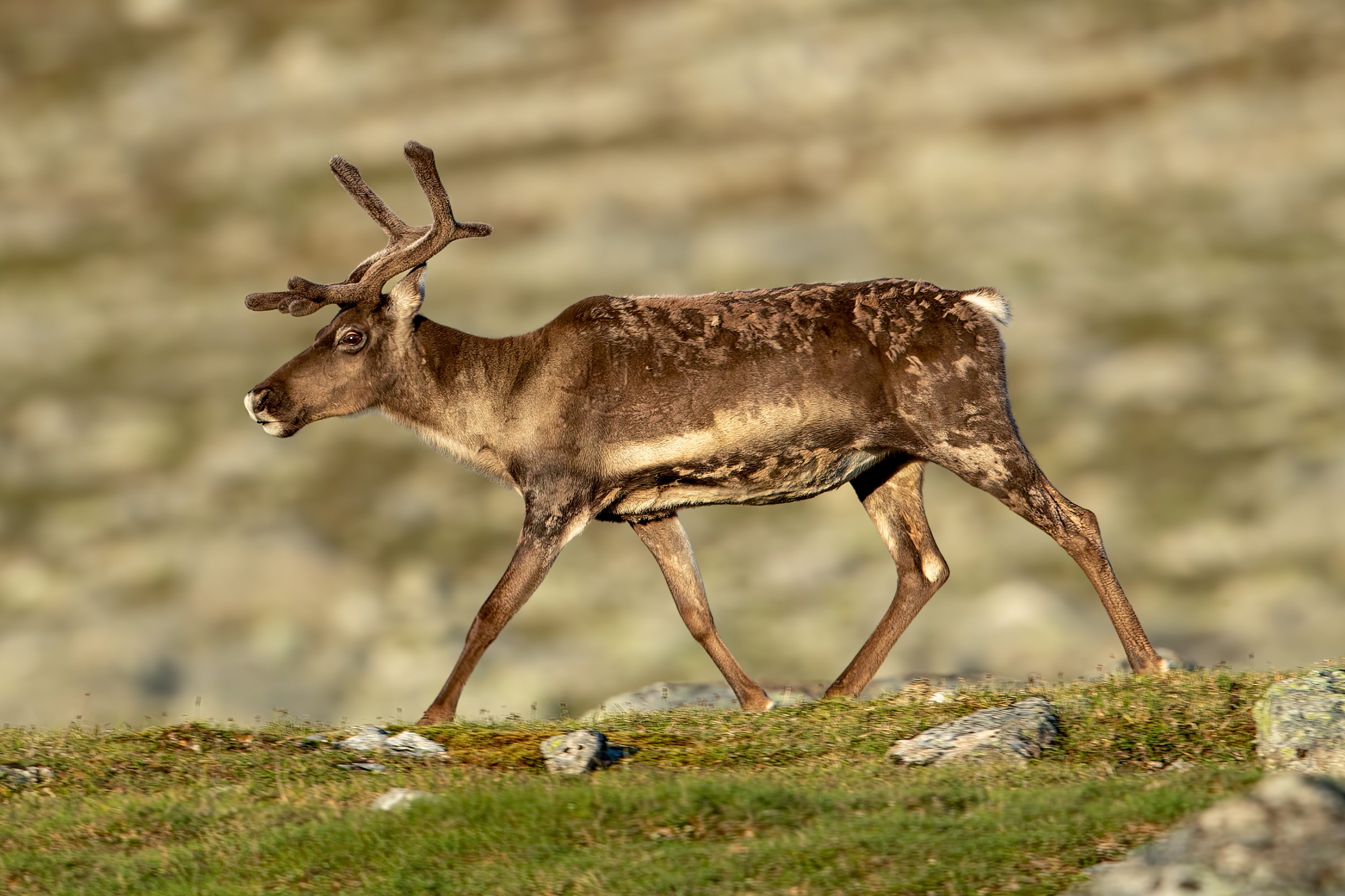
Wear patterns on fossil reindeer teeth from Britain and France indicate that reindeer (Rangifer tarandus) changed their feeding ecology as European environments shifted during the Last Cold Stage. The study, first available online on 19 May 2026, combined two forms of dental-wear analysis that record diet over different time scales.
The material spanned Marine Isotope Stages (MIS) 5a to 2, a long interval of the Late Pleistocene that included repeated climatic and environmental changes. Marine Isotope Stages are a chronological framework based largely on changes in oxygen-isotope records and are widely used to compare colder and warmer phases of the Quaternary.
Microwear and mesowear record diet over different time scales
Dental microwear examines very small scratches and pits formed on tooth surfaces during feeding. Because these marks are continually overwritten as an animal eats, they mainly reflect relatively recent food and the physical properties of what passed across the teeth.
Mesowear looks at larger-scale tooth shape, particularly how sharp or rounded the cusps have become through repeated use. It develops over a longer period and provides information about the longer-term abrasiveness of the diet. Using both methods therefore allows researchers to compare short-term feeding signals with a broader dietary pattern.
Reindeer did not occupy one fixed dietary niche
The dental-wear patterns differed among fossil sites. Rather than showing one uniform feeding strategy throughout the Last Cold Stage, the reindeer populations showed dietary variation consistent with adjustment to local vegetation and habitat conditions.
The authors interpret this as evidence of a flexible dietary niche. Such flexibility would have allowed reindeer to change the balance of foods they used as vegetation structure shifted seasonally and over longer climatic periods, instead of depending on one narrow feeding strategy.
British MIS 3 herbivores showed evidence of resource partitioning
For British material from MIS 3, the study also compared reindeer with red deer (Cervus elaphus) and giant deer (Megaloceros giganteus). The dental-wear differences were consistent with resource partitioning among the large herbivores.
Resource partitioning means that species living in the same landscape reduce direct competition by using food or habitat differently — for example by feeding on different vegetation, selecting different parts of plants or concentrating on different portions of the available habitat. The study therefore suggests that dietary flexibility helped reindeer coexist with other large herbivores when their ranges overlapped.
Flexibility was a recurring feature through changing environments
The main result is not that Pleistocene reindeer followed one particular diet, but that their feeding ecology could shift between places and environmental phases. The site-level differences show that populations responded to local conditions rather than simply carrying the same dietary niche across Europe.
The authors conclude that this flexibility was an important part of reindeer ecology during the Late Pleistocene, helping populations respond to changes in vegetation and to potential competition within herbivore communities. The study therefore uses tooth wear as a record of ecological plasticity rather than as evidence for one fixed “ice-age diet”.
Ecology
Related news
Inuit harvesters help detect an emerging parasitic disease in Arctic caribou
Near Kugluktuk in Nunavut, Inuit harvesters reported unusual tissue changes in caribou. Tests found DNA from two parasitic…
Read story →
Video Collars Showed GPS Methods Were Only About 70% Accurate at Detecting Caribou Calving
Video collars from 160 adult females in the Porcupine and Western Arctic herds showed that two GPS movement…
Read story →
Reindeer and Caribou Showed Broad Genetic Differences Across Russia, Alaska and Canada
Microsatellite data from 1,544 reindeer and caribou in 42 populations showed broad genetic differentiation among Russia, Alaska and…
Read story →SPECIES IN THIS STORY
Species in this story
Independent research and conservation news archive
Did you find this information useful?
Wildlife Vagabond is independently built and maintained. Voluntary support helps cover source verification, hosting and continued work on research and conservation news.
Support Wildlife VagabondThe news archive will remain freely available.