
Pneumocystis DNA Was Found in One-third of Golden Jackals and Half of Red Foxes in Serbia
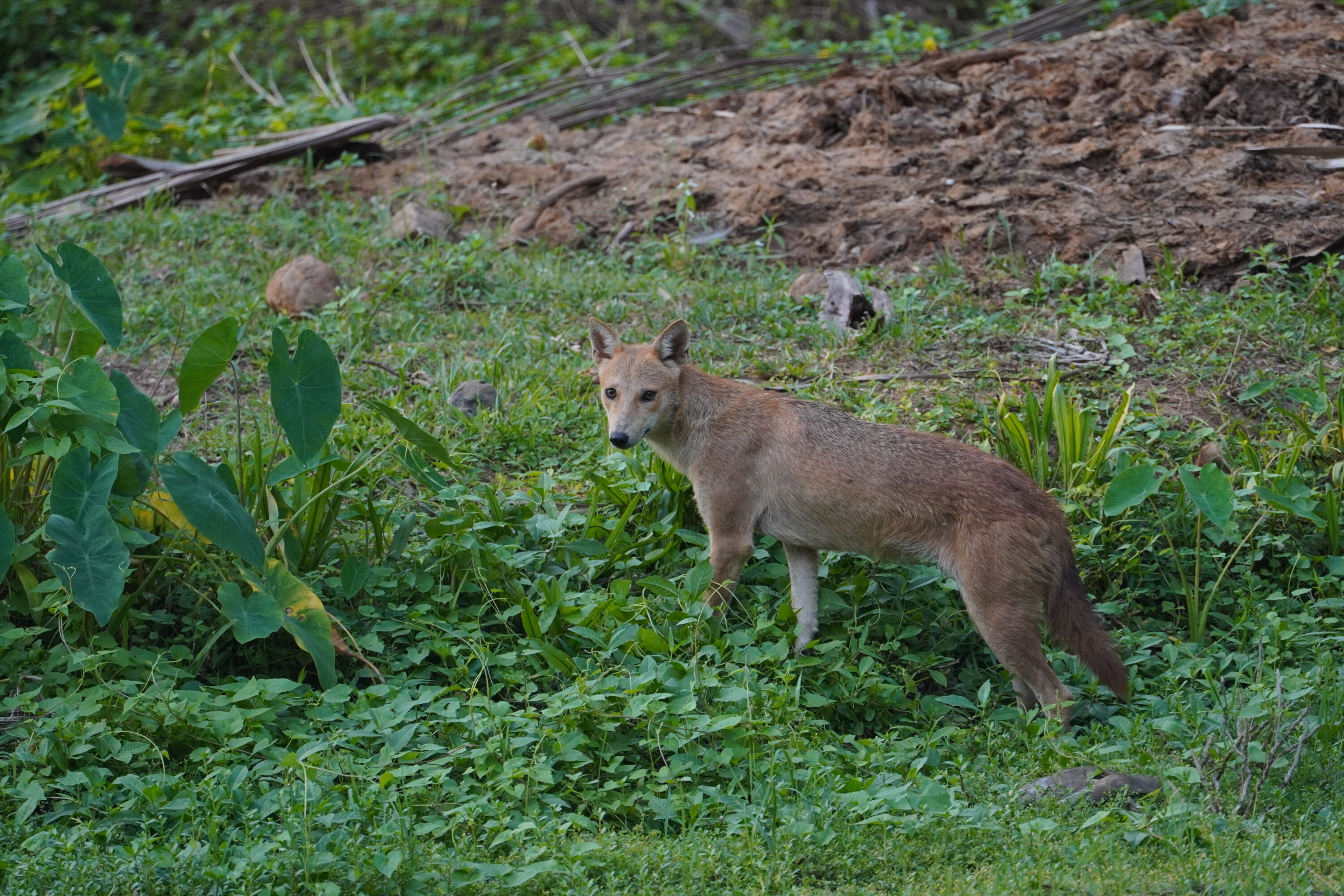
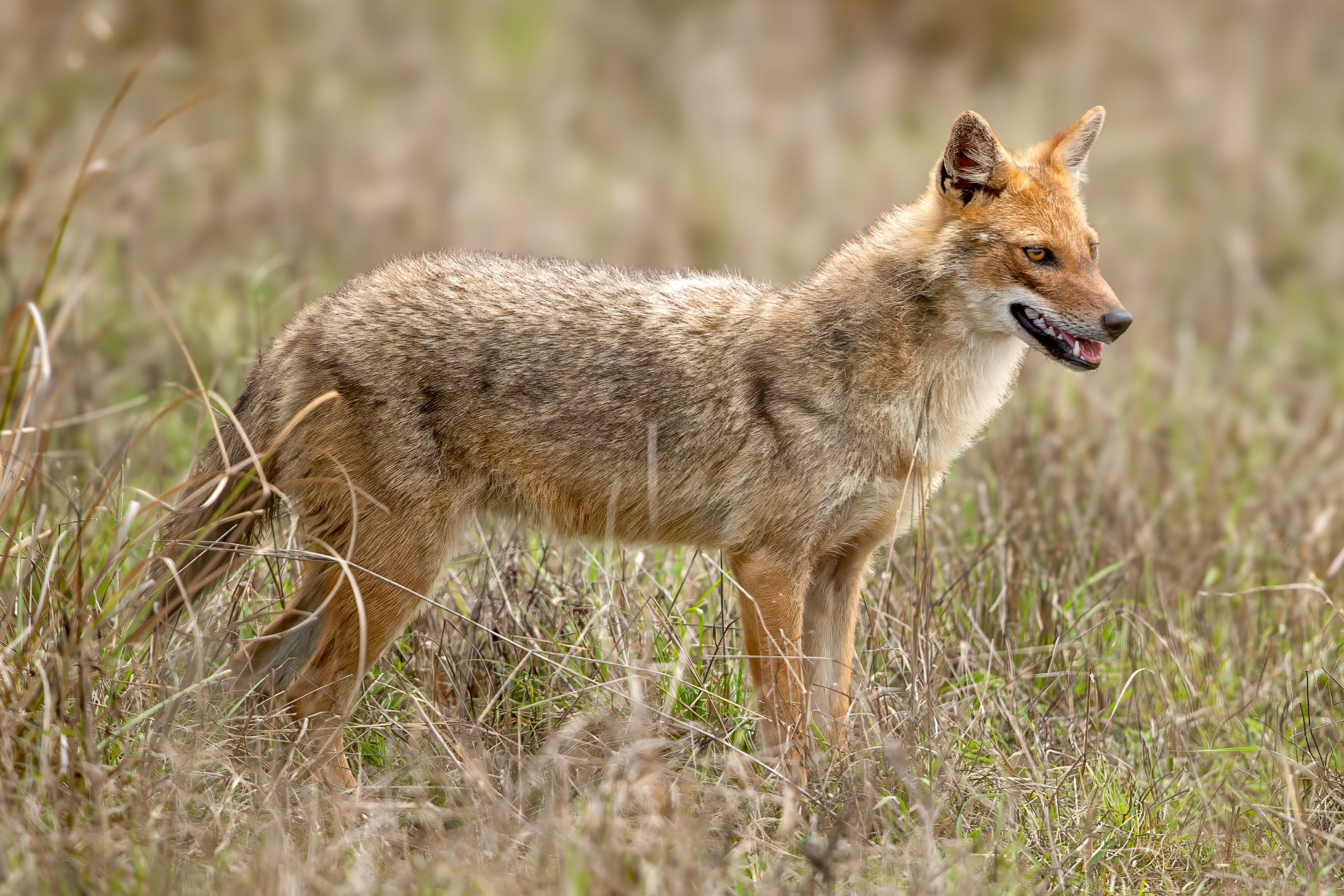
Pneumocystis DNA was detected in lung tissue from 20 of 60 golden jackals (Canis aureus), 4 of 9 Eurasian badgers (Meles meles) and 20 of 39 red foxes (Vulpes vulpes) sampled in Serbia. Overall, 44 of 108 wild carnivores tested positive. Pneumocystis is a genus of host-adapted fungi that can persist in mammalian lungs without obvious disease but can proliferate and cause pneumonia when immune defences are impaired.
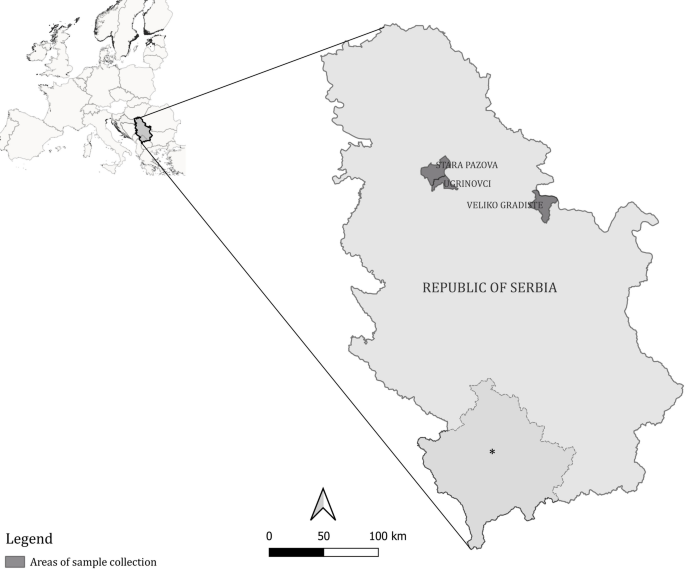
The animals were legally harvested during the 2022–2023 hunting season. Researchers tested lung tissue for Pneumocystis and screened other tissues for five viruses with the potential to affect immune function, asking whether viral infection was associated with greater fungal detection.
The fungus showed host-related genetic differences
One representative Pneumocystis sequence from each host species was compared with published sequences. The golden-jackal and red-fox sequences clustered closely with one P. canis lineage, while the badger sequence belonged to a different carnivore-associated lineage. This fits the strong host association known in Pneumocystis, although one sequence per host cannot describe the full fungal diversity within each species.
Viruses were much rarer than Pneumocystis
Canine parvovirus 2 (CPV-2) was detected in three golden jackals, while pseudorabies virus (PRV) was found in two golden jackals and three red foxes. One jackal and two foxes carried both Pneumocystis and PRV. Canine distemper virus, canine coronavirus and canine herpesvirus were not detected.
The study found no clear relationship between Pneumocystis detection and either CPV-2 or PRV. Because virus-positive animals were few, however, the authors caution that a contribution from virus-related immune effects cannot be ruled out.
PCR detection did not show clinical pneumonia
The Pneumocystis PCR signals generally indicated relatively small amounts of fungal DNA. Even the three animals carrying both PRV and Pneumocystis had low fungal loads. The authors therefore interpret the detections as more consistent with colonisation or subclinical infection than with clinically apparent Pneumocystis pneumonia.
No detailed histopathological examination was performed, and clinical signs could not be assessed systematically in the hunted animals. PCR therefore establishes that fungal DNA was present in lung tissue, but not that the fungus caused tissue damage or disease. The study provides evidence that Pneumocystis is common in these sampled Serbian carnivores, while the role of viral co-infections in fungal proliferation remains unresolved.
Disease, parasites & microbiology
Related news
Similar Mammal Diversity, Different Activity Patterns in Grazed and Ungrazed Areas
Camera traps in four northern Israeli reserves found similar numbers of mammal species with and without livestock grazing.…
Read story →
Bartonella Was Detected in 24.9% of Golden Jackals Sampled Across Israel
A survey of 454 golden jackals across Israel detected Bartonella DNA in 113 animals, while four Bartonella species…
Read story →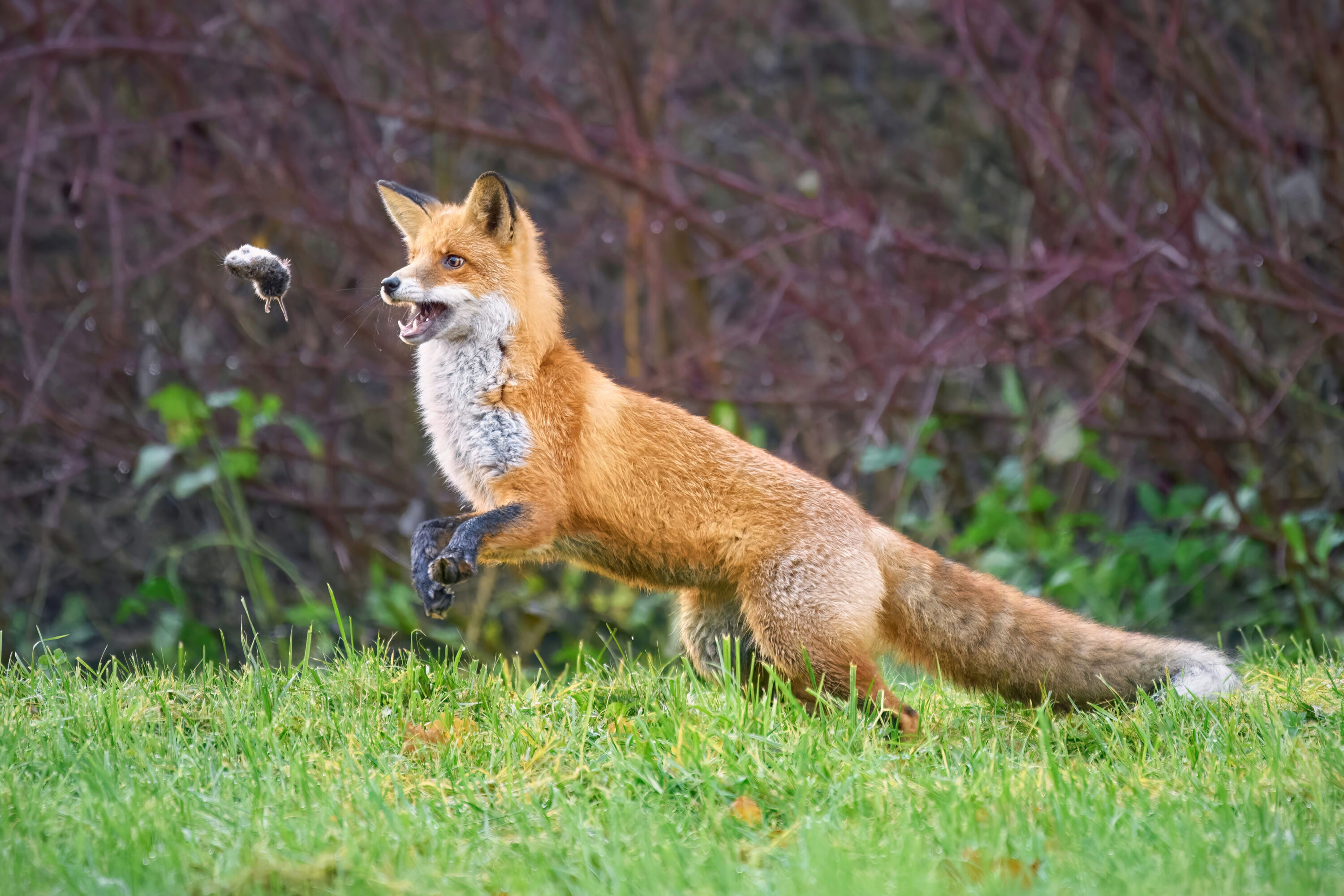
Common Voles and European Wood Mice Contacted Fox and Jackal Scat Most Often in Autumn and Winter
Camera traps in Hungary recorded six rodent taxa around red fox and golden jackal scat, with common voles…
Read story →SPECIES IN THIS STORY
Species in this story

Independent research and conservation news archive
Did you find this information useful?
Wildlife Vagabond is independently built and maintained. Voluntary support helps cover source verification, hosting and continued work on research and conservation news.
Support Wildlife VagabondThe news archive will remain freely available.