
Puff Adder Venom Contains Regional Metalloproteinase Forms With Very Different Activity
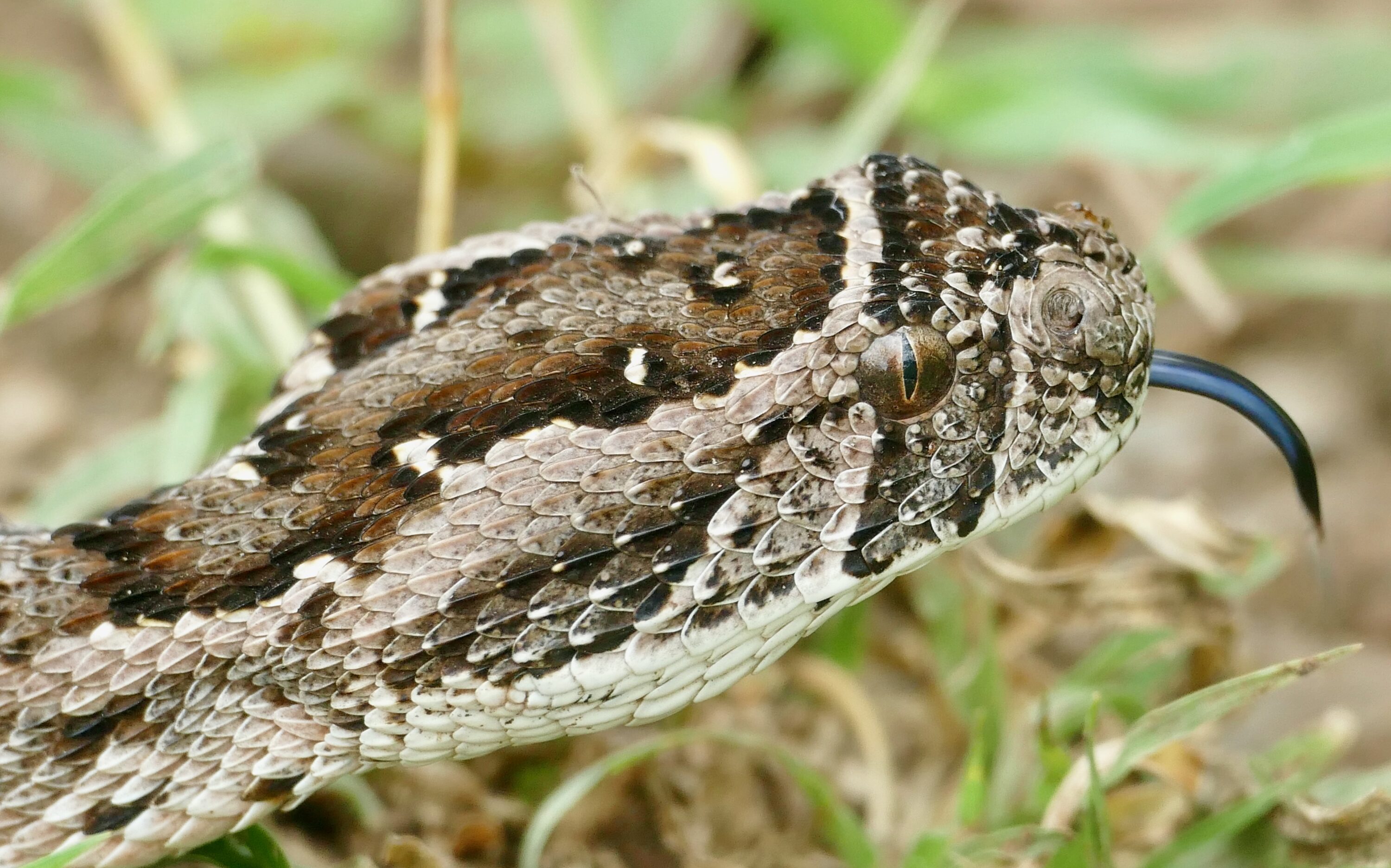
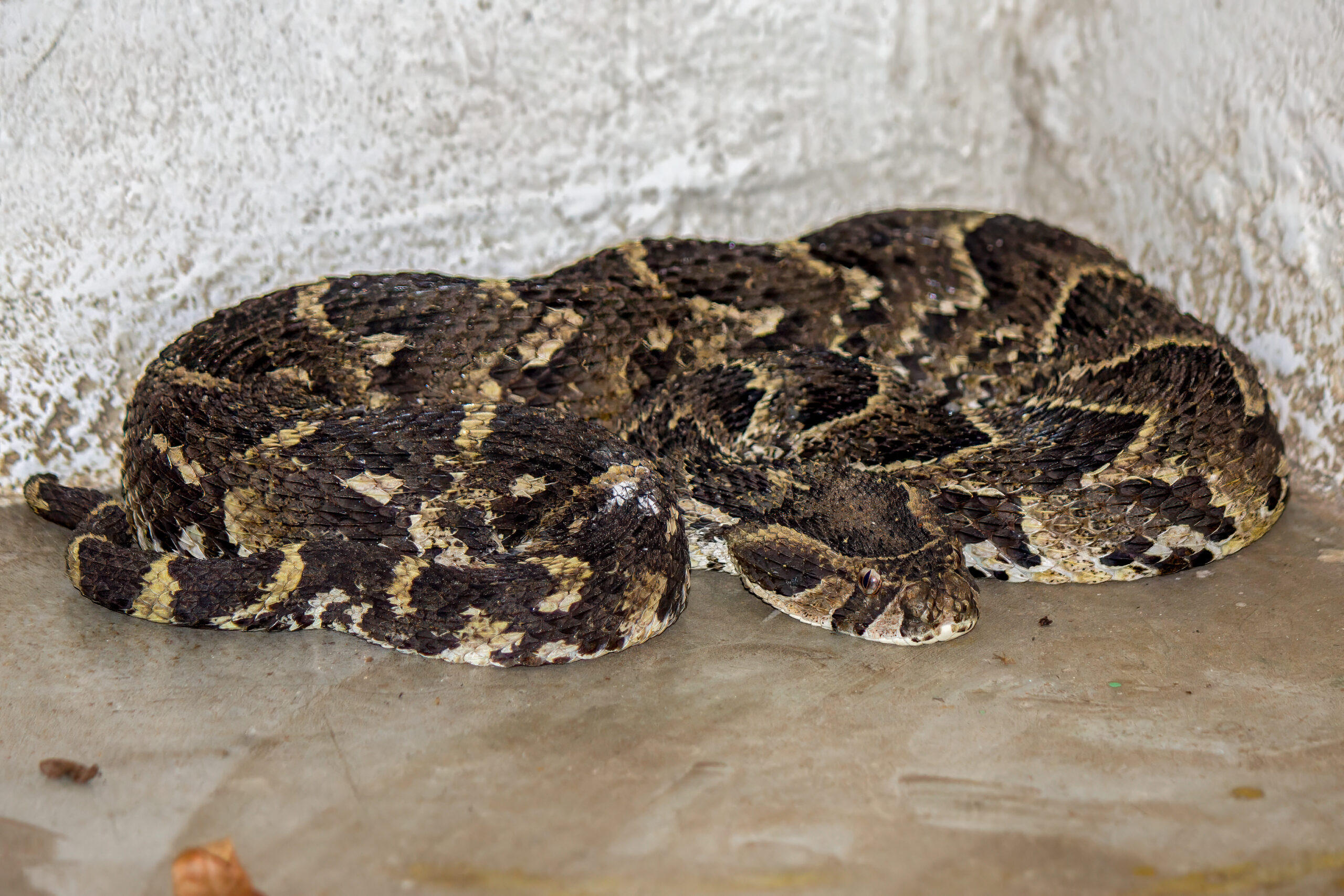
A study of puff adder (Bitis arietans) venom from across Africa and western Arabia has identified regional forms of a major venom metalloproteinase with strikingly different biochemical activity. The study, published online on 16 March 2026 in Toxicon: X, examined enzymes that help explain some of the tissue and circulatory damage associated with envenomation.
Prominent in all the venoms tested was a PI snake venom metalloproteinase, or SVMP. These enzymes break peptide bonds in proteins and are important components of many viper venoms. The PI form is essentially the catalytic metalloproteinase domain, here processed from a larger PII precursor. The puff adder enzyme occurred in several molecular forms. Venoms from Tanzania, Ghana, Eswatini and one older Nigerian sample set contained an unglycosylated form of about 21 kilodaltons (kDa). Kenyan samples contained a 26 kDa form with one attached carbohydrate chain, while a second Nigerian sample set, Namibia, South Africa and Saudi Arabia contained a 30 kDa form with two such chains. Each venom contained either a non-glycosylated or a glycosylated form; none contained both.
The 21 kDa form showed the strongest biochemical activity
The molecular difference had a strong effect on enzyme activity. In a direct peptide-protease assay, the 21 kDa form had about 15 times the specific activity of the 30 kDa form. It rapidly degraded fibrinogen, a protein required for blood clotting, and also broke down prothrombin and factor X; importantly, this did not generate the active forms of either clotting factor. The 21 kDa enzyme was especially destructive towards laminin, an important protein in the basement membrane that supports and organises tissues. The 30 kDa form was much less active against these substrates, while the 26 kDa form from Kenya generally showed intermediate activity.
The researchers traced the greater activity of the 21 kDa form partly to its ability to cut peptide bonds next to the amino acid glycine. The enzyme also efficiently converted angiotensin I into angiotensin 1–7, a peptide that promotes vasodilation. The authors caution that further work is needed to determine whether this reaction is physiologically important during envenomation.
Some Kenyan venom contained an unusual PIII metalloproteinase dimer
Most puff adder venoms contained relatively little of the larger PIII class of metalloproteinases. Some Kenyan samples were an exception, with an abundant protein that showed strong activity against gelatin. Further analysis indicated that this enzyme formed an unusual 140 kDa dimer without the disulphide bonds that normally hold comparable metalloproteinase dimers together. The gelatin-degrading activity depended on this dimeric state: when the complex dissociated into monomers, the enzyme became inactive.
The study shows that puff adders across their wide range can possess venom metalloproteinases that are structurally related but function very differently. The authors discuss this variation in relation to differences in the pathology of envenomation and to the development of treatments that need to work against venom from different geographic populations.
Molecular biology & biochemistry
Related news
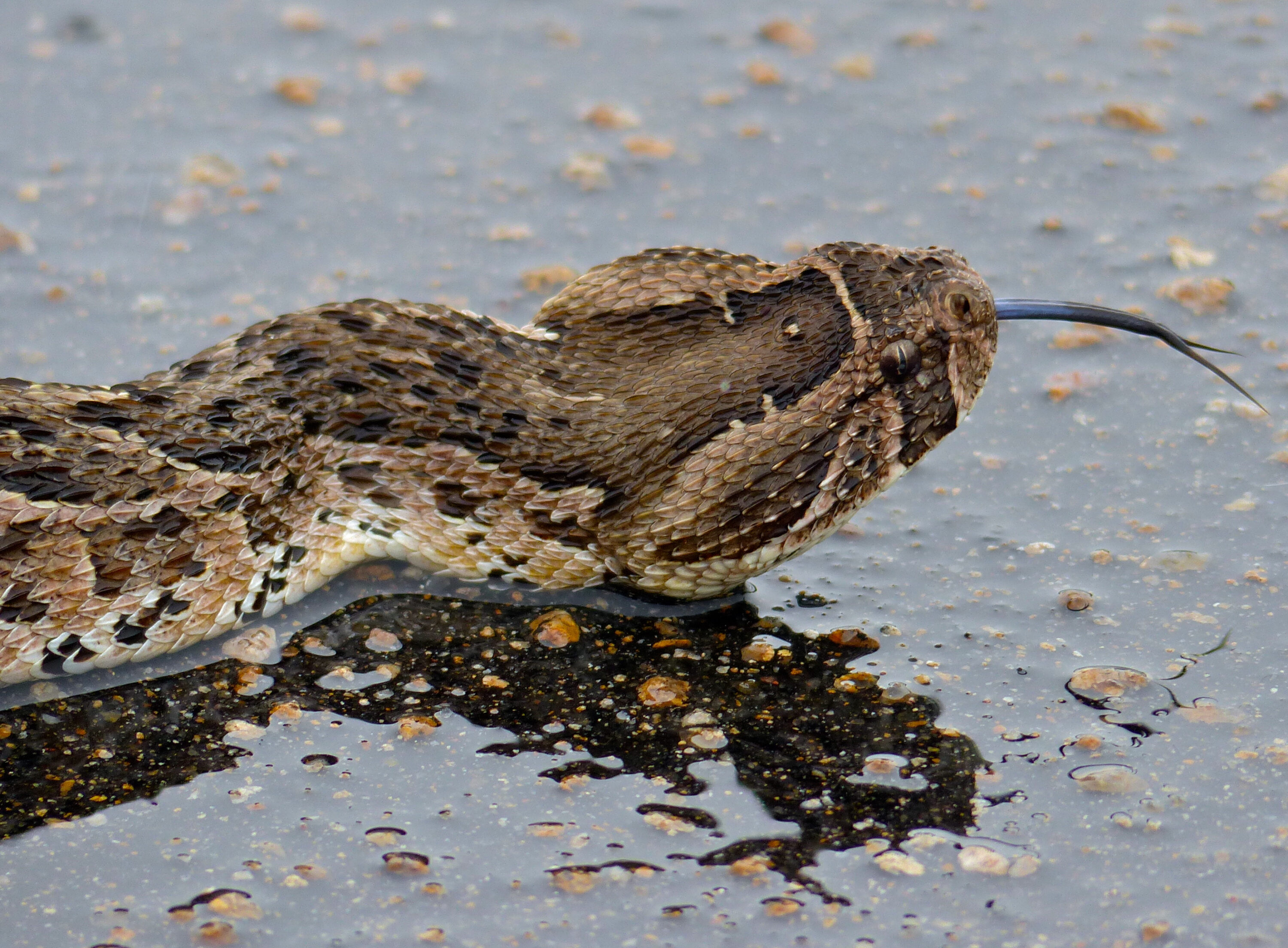
Barietin From Puff Adder Venom Raised Heart Rate by About 30% in Rats
Purified barietin from puff adder venom increased heart rate by about 30% in rats while changing blood pressure…
Read story →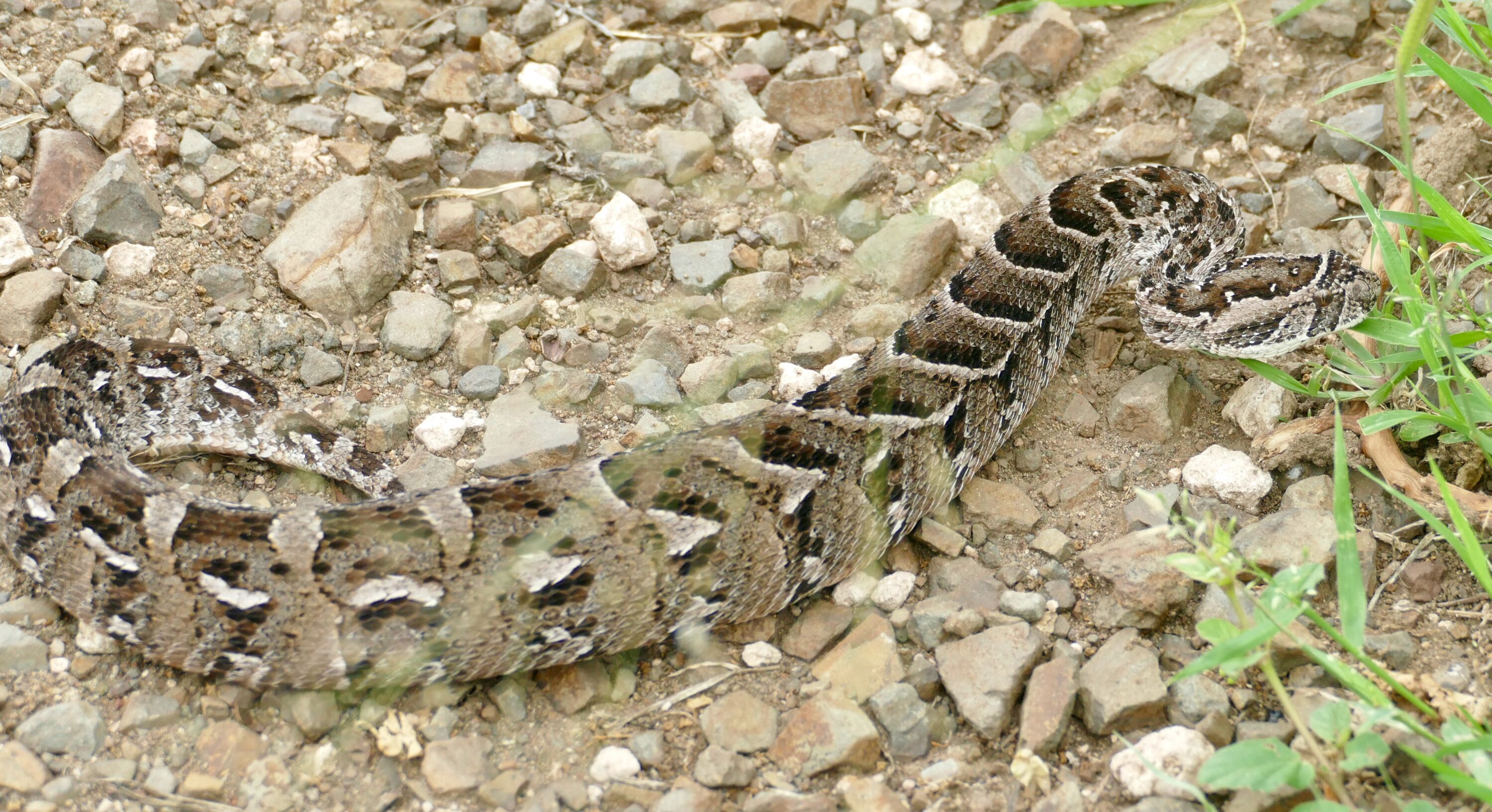
Injuries Were More Extensive After Zebra Spitting Cobra Bites Than Puff Adder Bites in Namibia
Among 20 hospitalized snakebite patients in Namibia, tissue necrosis occurred in 11 of 12 zebra spitting cobra cases…
Read story →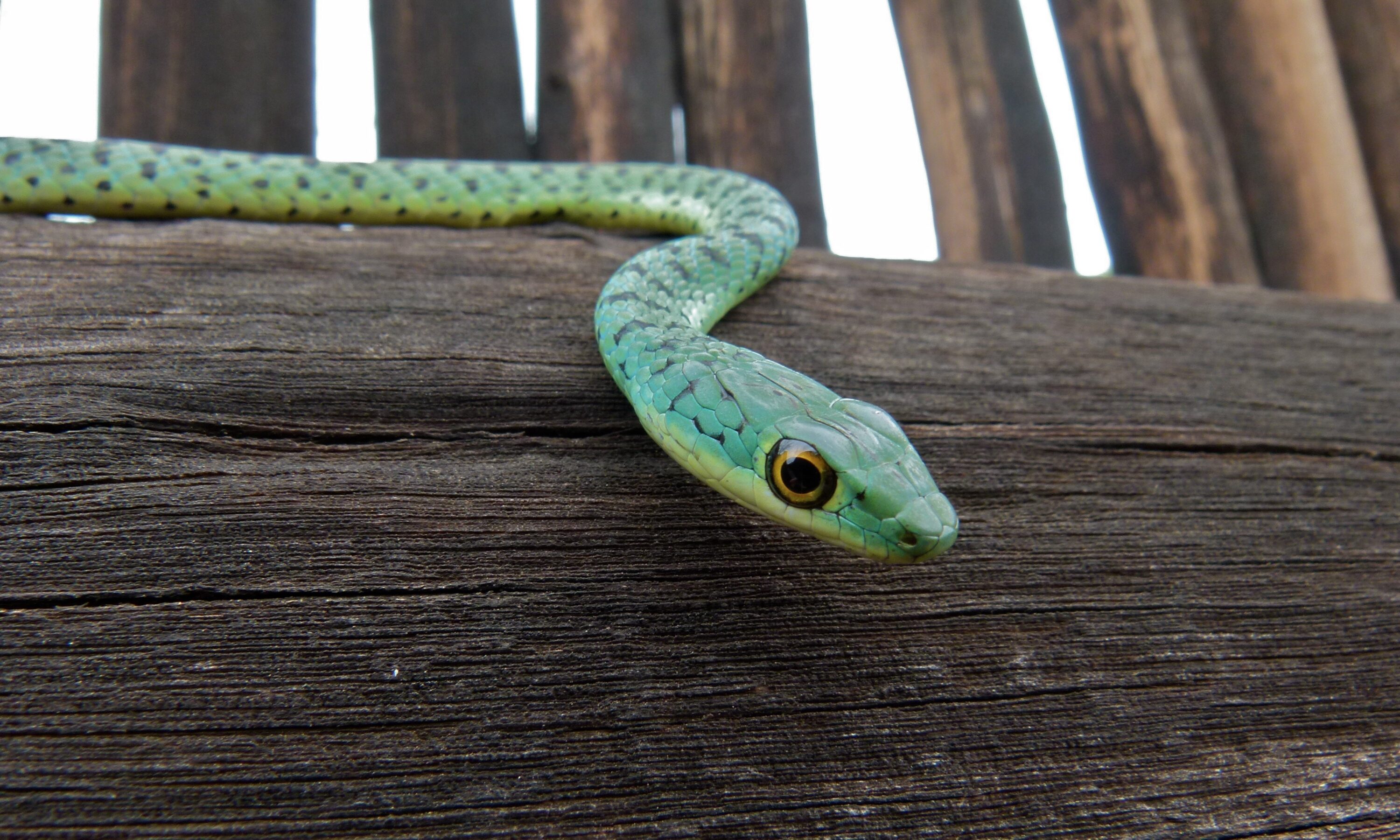
Patchier, More Diverse Landscapes Were Linked to More Reported Snake–Human Encounters in Eswatini
Using 2,216 public snake-rescue records from Eswatini, the study found that reported encounter likelihood increased with patch density…
Read story →SPECIES IN THIS STORY
Species in this story
Independent research and conservation news archive
Did you find this information useful?
Wildlife Vagabond is independently built and maintained. Voluntary support helps cover source verification, hosting and continued work on research and conservation news.
Support Wildlife VagabondThe news archive will remain freely available.