
Red-billed Oxpeckers Use Stranded Hippos as Highly Tolerant Hosts
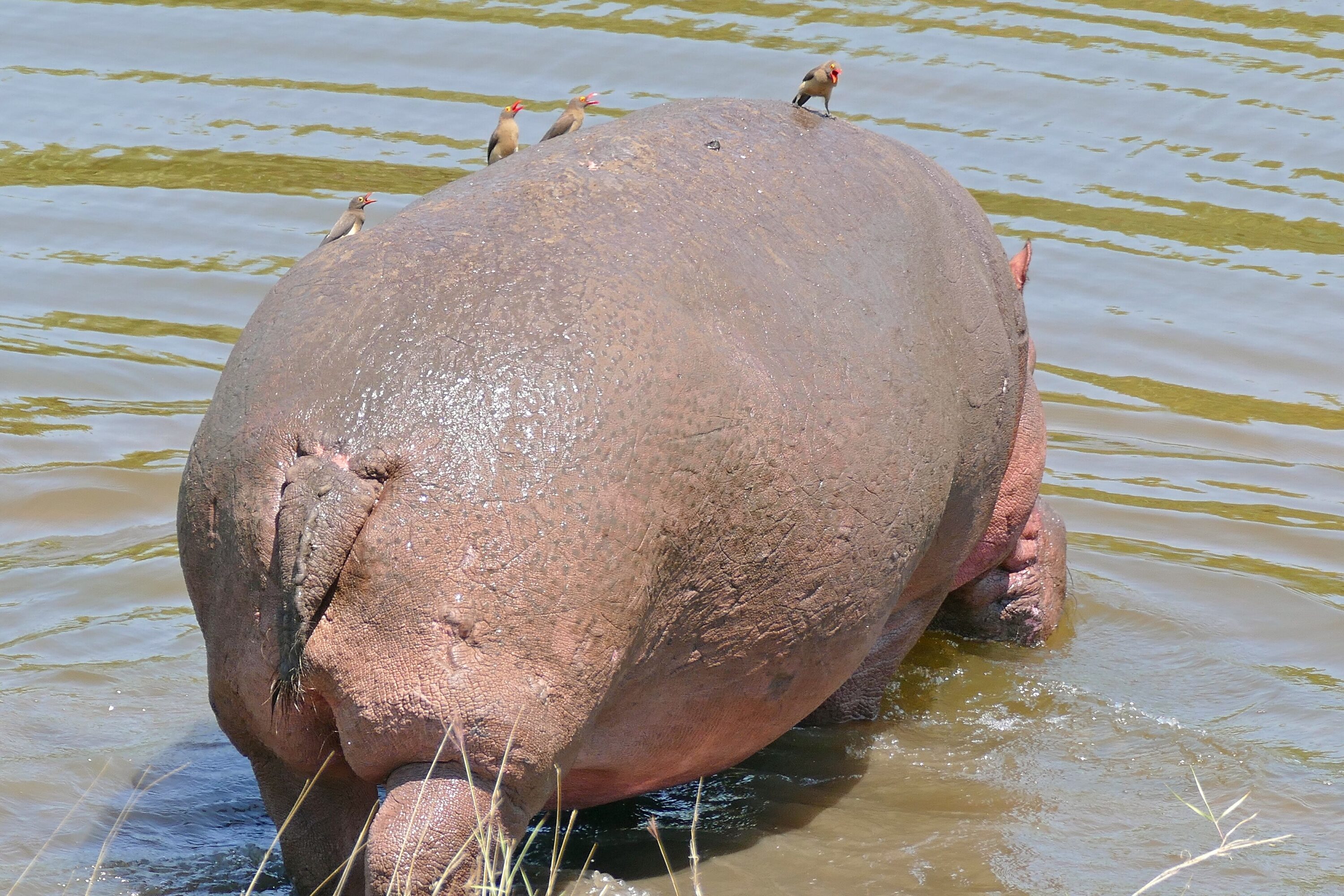
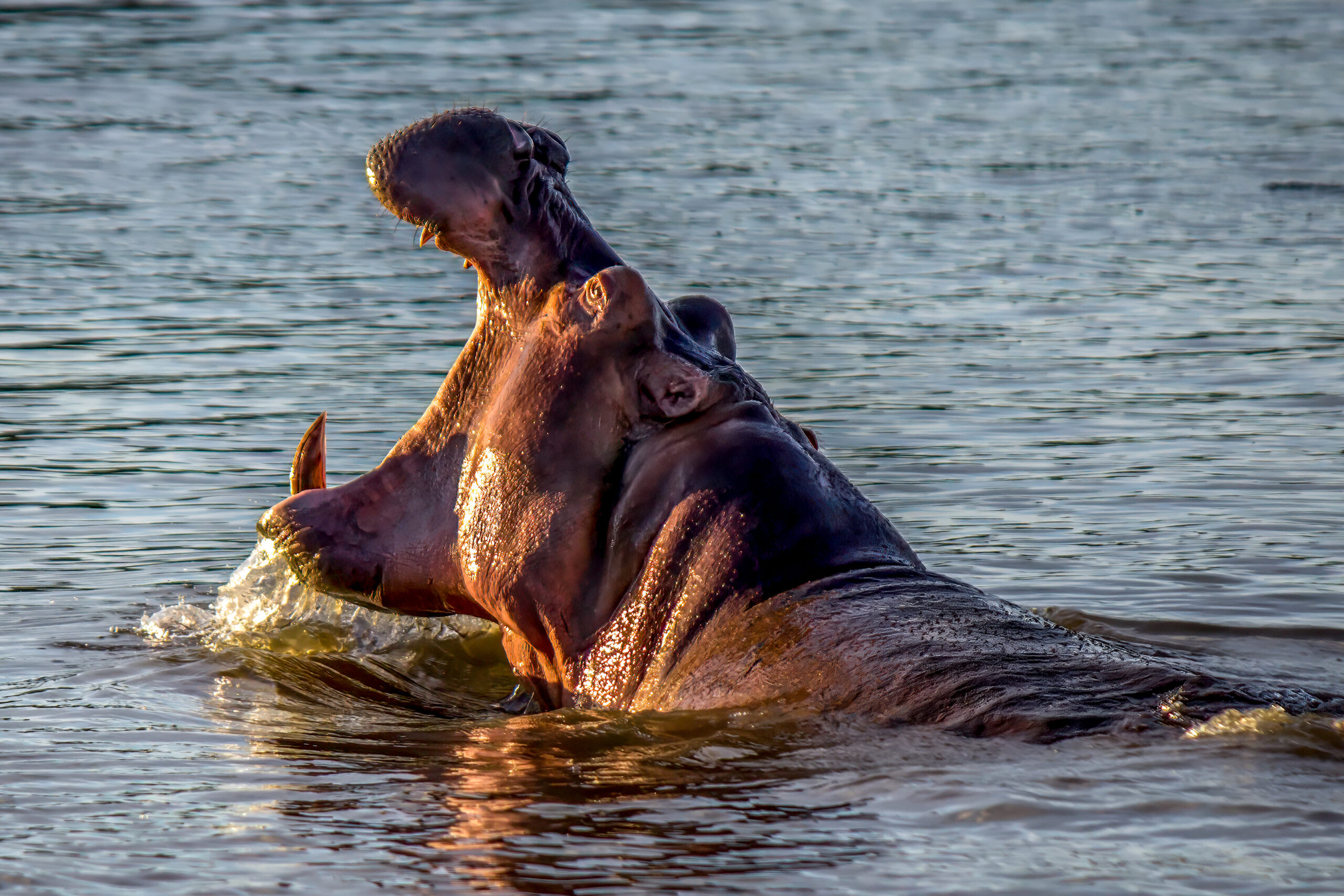
A study published in 2026 documents an unusual interaction between common hippopotamuses (Hippopotamus amphibius) and red-billed oxpeckers (Buphagus erythroryncha) in the Salambala Conservancy in Namibia. The observations were made during a dry period when hippos had become concentrated in an isolated pool formed as the Chobe River receded.
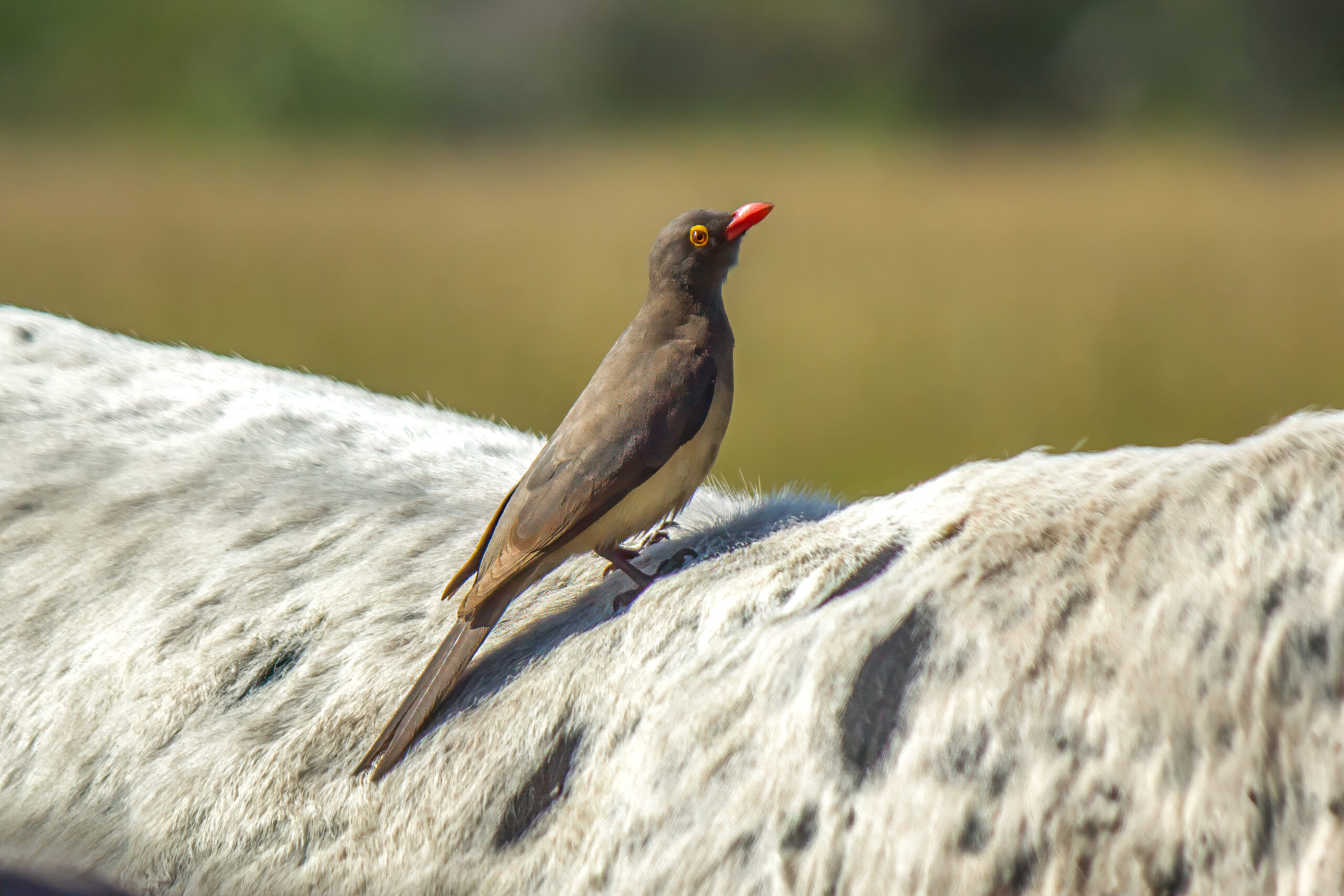
From 10 to 30 October 2024, the researchers recorded how the oxpeckers used different parts of the hippos’ bodies and separated the birds’ activities into feeding and non-feeding behaviour. This offered an unusual opportunity to study oxpeckers on a semi-aquatic host, a type of interaction that has received far less attention than their familiar associations with terrestrial mammals such as buffalo, antelopes and giraffes.
Oxpeckers used the hippos for more than feeding
The birds did not use all parts of the hippos equally. They were recorded most often on the back, head and sides of the animals. Non-feeding activities made up the largest share of the observations, showing that the hippos were used for more than simply obtaining food.
When the oxpeckers did feed, feeding at wounds was the most prominent feeding behaviour reported by the researchers. Oxpeckers are well known for removing ectoparasites from mammals, but they can also feed on blood and tissue around open wounds. This is one reason their relationship with mammalian hosts can range from beneficial to parasitic depending on the circumstances.
Hippos rarely rejected the birds
The hippos were remarkably tolerant. Rejection responses towards the birds were very rare, even though the oxpeckers repeatedly moved over their bodies and sometimes fed at wounds. The authors interpret this as evidence that red-billed oxpeckers can opportunistically use semi-aquatic mammals when conditions bring the species into close contact.
The researchers also highlight the setting itself. Temporary and shrinking pools during dry periods can concentrate animals and create interaction zones that would be less accessible when hippos are spread through deeper or more extensive water. The observations document this behavioural flexibility in oxpeckers and a poorly known component of the ecological relationships surrounding hippos during seasonal drought.
Behaviour
Related news
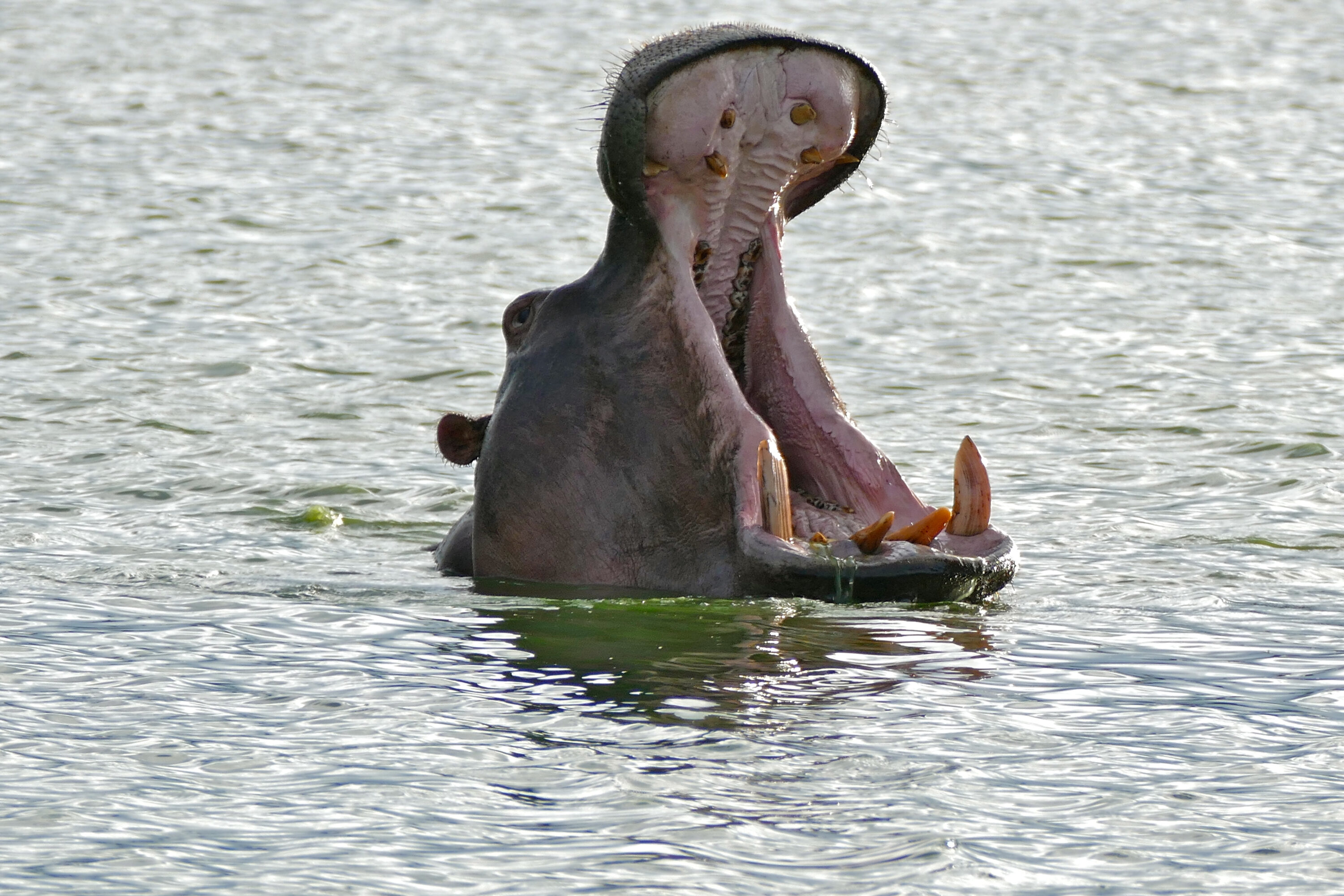
Hippos Yawned Before Heading Out to Feed — Even on Cool Evenings
Observations in Zambia and South Africa found that hippos yawned most frequently as they prepared to leave their…
Read story →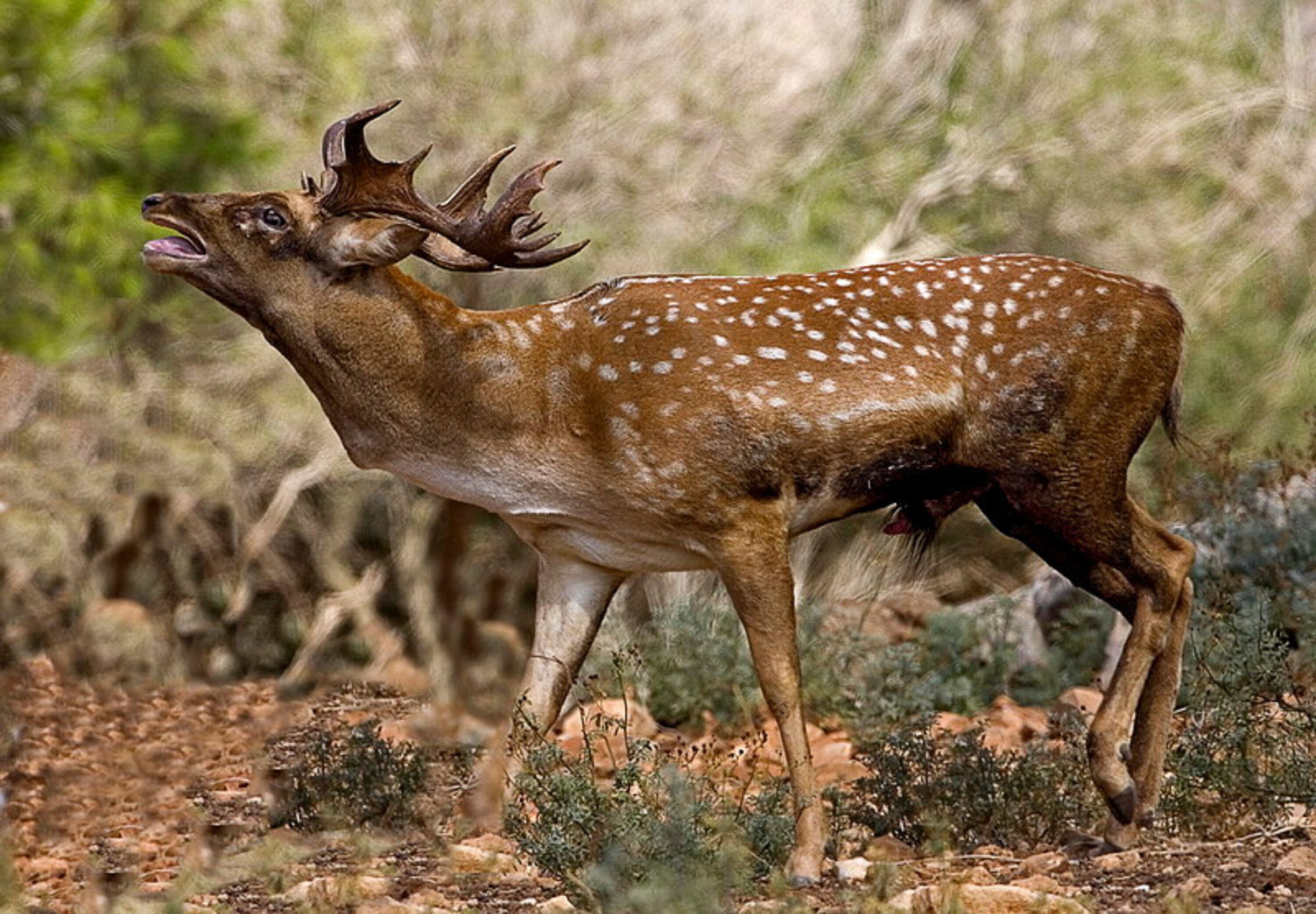
Fossil Teeth Reveal a Lush Refuge Along Lebanon’s Coast
Teeth from deer, wild goats and other herbivores show that Lebanon’s coast repeatedly offered woodland, water and feeding…
Read story →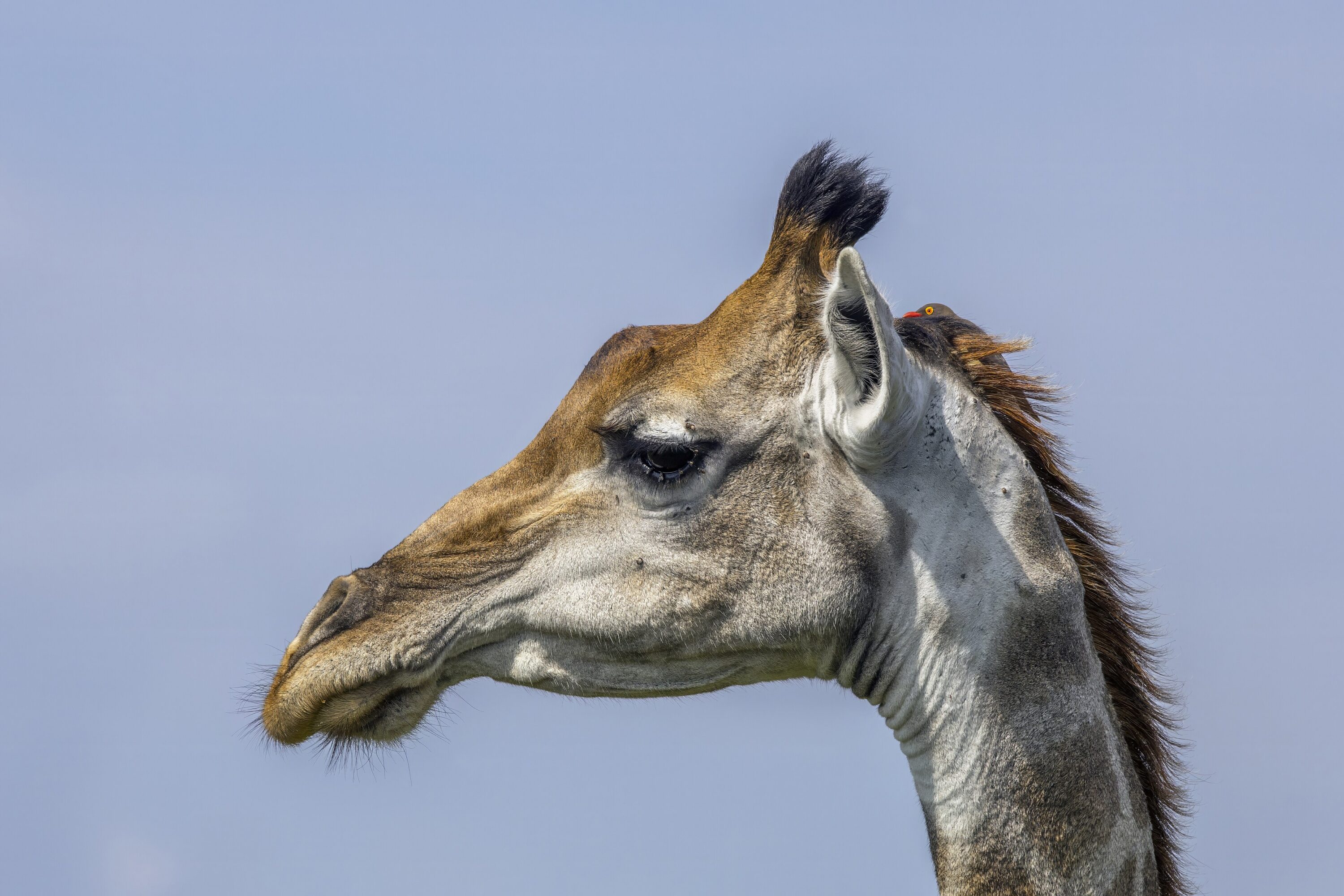
Giraffes Responded More Strongly to Lion Calls Than Oxpecker Alarms
Playback experiments with 35 free-ranging southern giraffes in South Africa found that lion vocalisations triggered stronger vigilance than…
Read story →SPECIES IN THIS STORY
Species in this story
Independent research and conservation news archive
Did you find this information useful?
Wildlife Vagabond is independently built and maintained. Voluntary support helps cover source verification, hosting and continued work on research and conservation news.
Support Wildlife VagabondThe news archive will remain freely available.