
Farm-Bred Red Foxes Showed Stronger Genetic Erosion Than Isolated Scottish Foxes
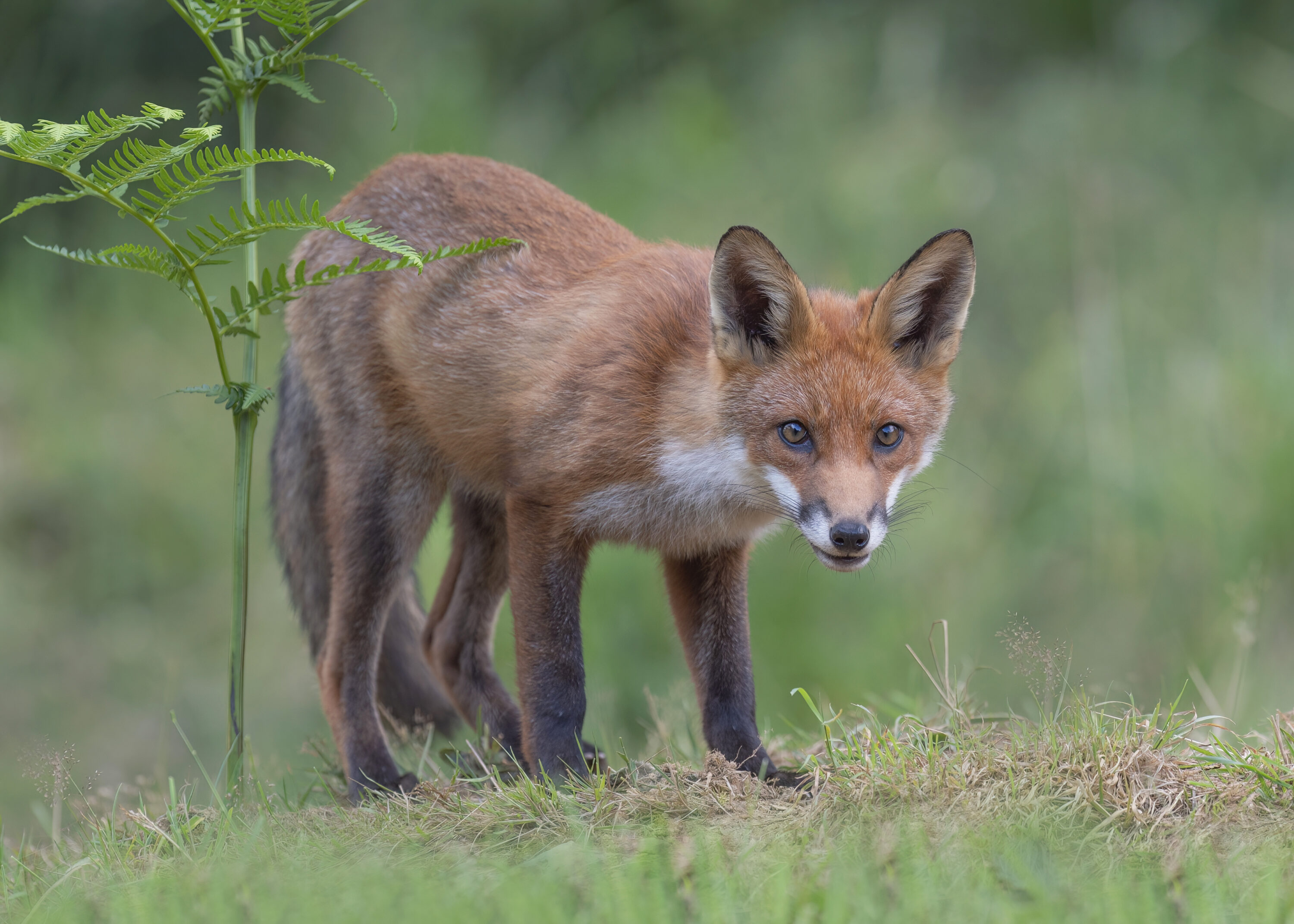
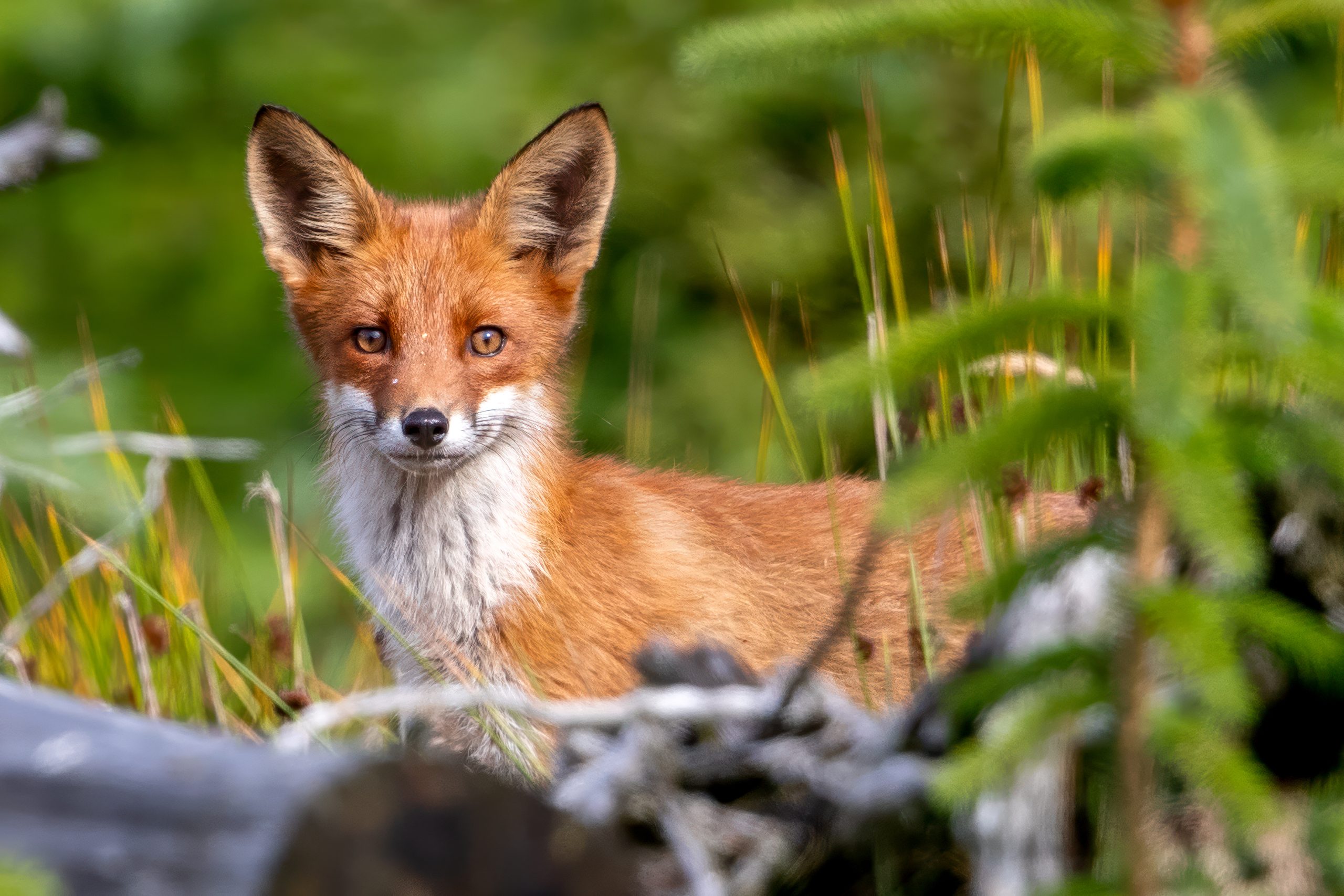
A population-genetic study of red foxes (Vulpes vulpes) compared three very different situations: free-ranging foxes in Belarus, a geographically isolated wild population in Scotland, and farm-bred foxes exposed to long-term human selection. The researchers used STR markers — short, highly variable repeated sections of DNA — to compare genetic diversity and population structure.
Wild Belarusian foxes retained high diversity
The wild Belarusian foxes retained high allelic diversity and an estimated effective population size of 694. Effective population size is a genetic estimate of how many individuals are effectively contributing genes to later generations, rather than a simple head count of all animals present.
Geographic isolation moderately depleted the Scottish population
The Scottish population showed moderate genetic depletion after long geographic isolation. Its estimated effective population size was 75.9, and the researchers found a pronounced heterozygote deficit. In practical terms, fewer foxes carried two different variants of the same genetic marker than would be expected under random mating.
Farm breeding produced the strongest genetic erosion
The farm-bred group showed the strongest genetic erosion. Its effective population size was estimated at 60.2, and some alleles had become fixed, meaning that only one variant remained at particular markers. Genetic differentiation between the farm-bred group and wild Belarusian foxes was about six times greater than the differentiation between the Scottish and Belarusian wild populations.
The authors stress that this large difference has two components. Farm-bred lineages partly descend from Nearctic, or North American, ancestors, whereas the wild Belarusian and Scottish foxes belong to the Palearctic lineage. On top of that older phylogeographic separation, prolonged artificial isolation, genetic drift and selective breeding have further reduced diversity in the farm population.
The comparison therefore shows that geographic isolation alone does not necessarily produce the same degree of genetic erosion as long-term artificial isolation and selection. The authors conclude that loss of diversity in captive breeding can reduce a population’s adaptive potential — the genetic variation available to respond to environmental change — more strongly than the moderate depletion seen in the isolated Scottish wild population.
Genetics & genomics
Related news
Similar Mammal Diversity, Different Activity Patterns in Grazed and Ungrazed Areas
Camera traps in four northern Israeli reserves found similar numbers of mammal species with and without livestock grazing.…
Read story →
Wolf Kills Provided Plenty of Food for Red Foxes
Red foxes visited all 26 wolf-killed red deer monitored in Stelvio National Park. The amount of meat left…
Read story →
Red Foxes and Stone Martens Share Places at Different Times
Red foxes and stone martens often used the same sites in central Spain. Their daily activity differed more…
Read story →SPECIES IN THIS STORY
Species in this story
Independent research and conservation news archive
Did you find this information useful?
Wildlife Vagabond is independently built and maintained. Voluntary support helps cover source verification, hosting and continued work on research and conservation news.
Support Wildlife VagabondThe news archive will remain freely available.