
Red Foxes Were Strongly Nocturnal and Detected Less Often Where Pedestrians Were Active
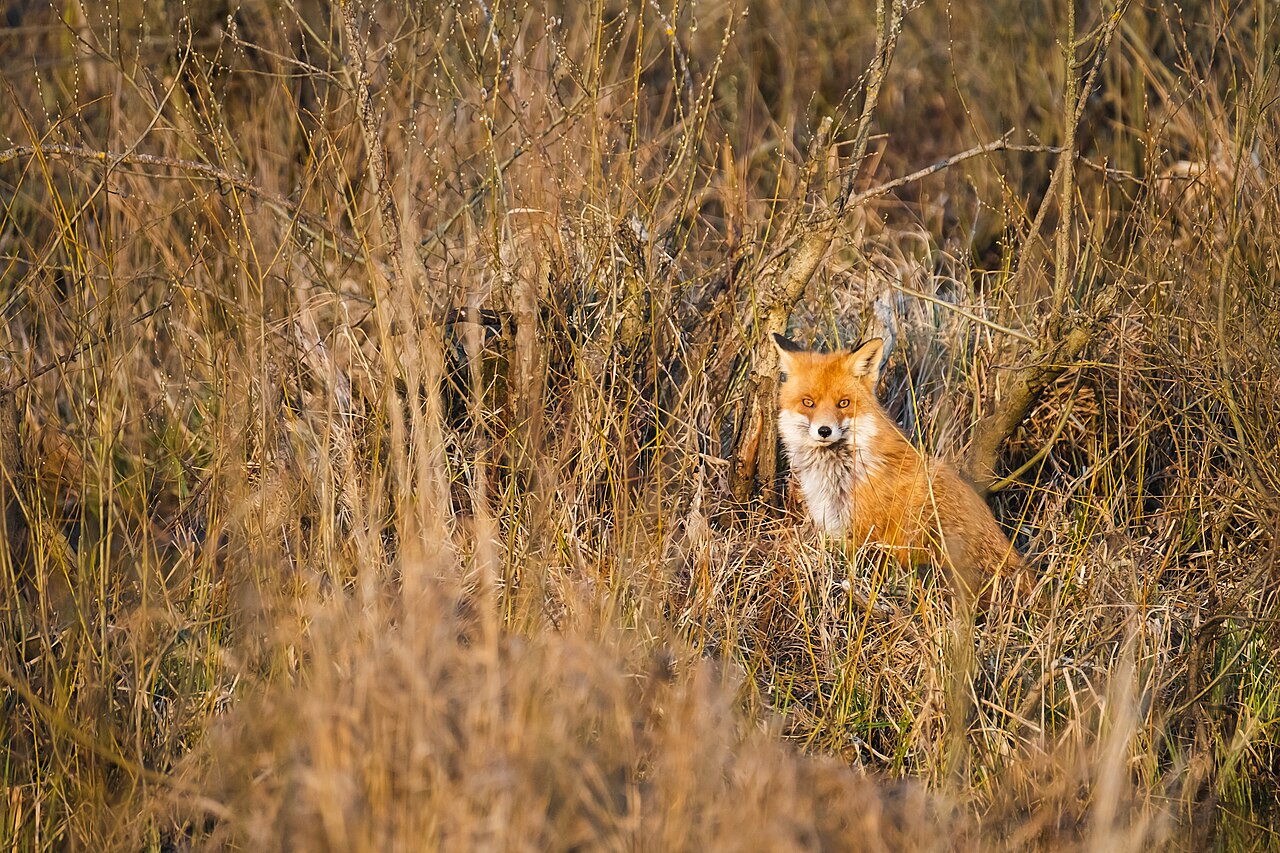
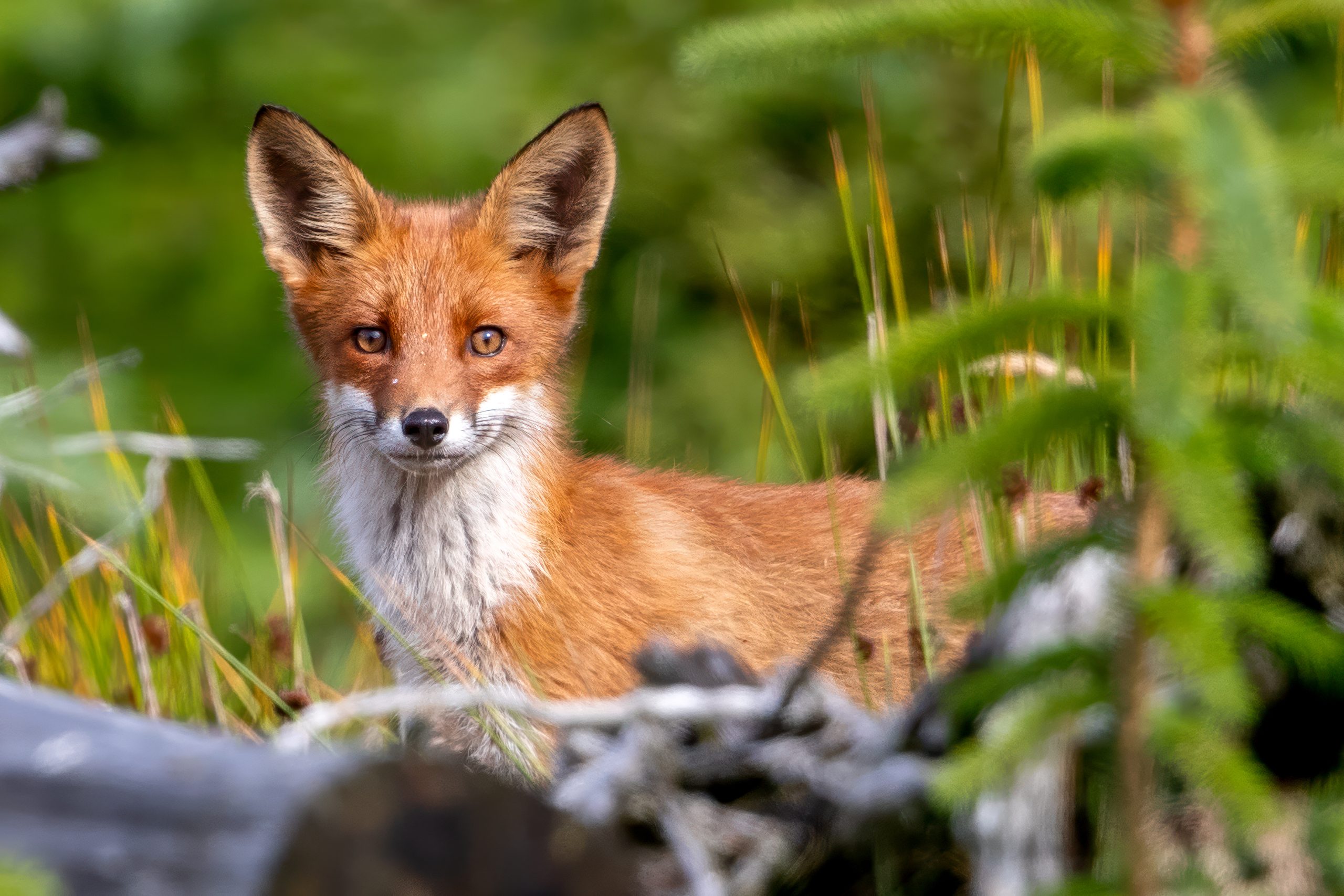
Red foxes (Vulpes vulpes) in Poland’s Tuchola Forest were strongly nocturnal and were recorded less often where pedestrian activity was higher, especially during the night. A camera-trap study published in Diversity and Distributions on 28 August 2026 examined how recolonising wolves and several medium-sized carnivores shared a heavily used forest landscape across two spatial scales.
Researchers used 48 camera traps during a 105-day survey from 19 August to 1 December 2022, producing 4,350 camera-trap nights. The focal carnivores were grey wolves, red foxes, European badgers and martens. Human activity was by far the most frequently recorded category, accounting for 66% of detections, while red foxes accounted for 20%.
The carnivores differed strongly in when they used the landscape. Humans were mainly active during the day, whereas foxes, badgers and martens were predominantly nocturnal. Wolves were the most daytime-active of the carnivores but still shifted their activity away from the main peaks in human presence.
Foxes avoided pedestrian-heavy sites most strongly at night
For red foxes, nighttime activity was strong at both the broader and finer spatial scales. At the broader scale, fox detections were negatively associated with pedestrians, and this relationship was strongest at night. Their association with vehicles was much weaker. Fox detections were also negatively associated with red deer, while at the finer scale foxes, badgers and martens were positively associated with free-ranging domestic cats.
The authors do not interpret the foxes’ nocturnality as something created by local human activity. Red foxes are already strongly nocturnal even in less disturbed landscapes. Instead, their existing nighttime activity may reduce overlap with the busiest human periods, while less predictable encounters with pedestrians can still influence where they use the forest during those hours.
Coexistence depended more on timing than separate spaces
Across the carnivore community, the study found little evidence that wolves or humans forced the medium-sized carnivores into strict spatial separation. After the measured environmental and human factors were accounted for, the remaining tendency of the wild carnivores to occur together or apart was generally weak. The authors therefore argue that coexistence in this human-dominated forest depended more on fine-scale differences in timing and flexible use of shared space than on each species occupying a separate part of the landscape.
Ecology
Related news
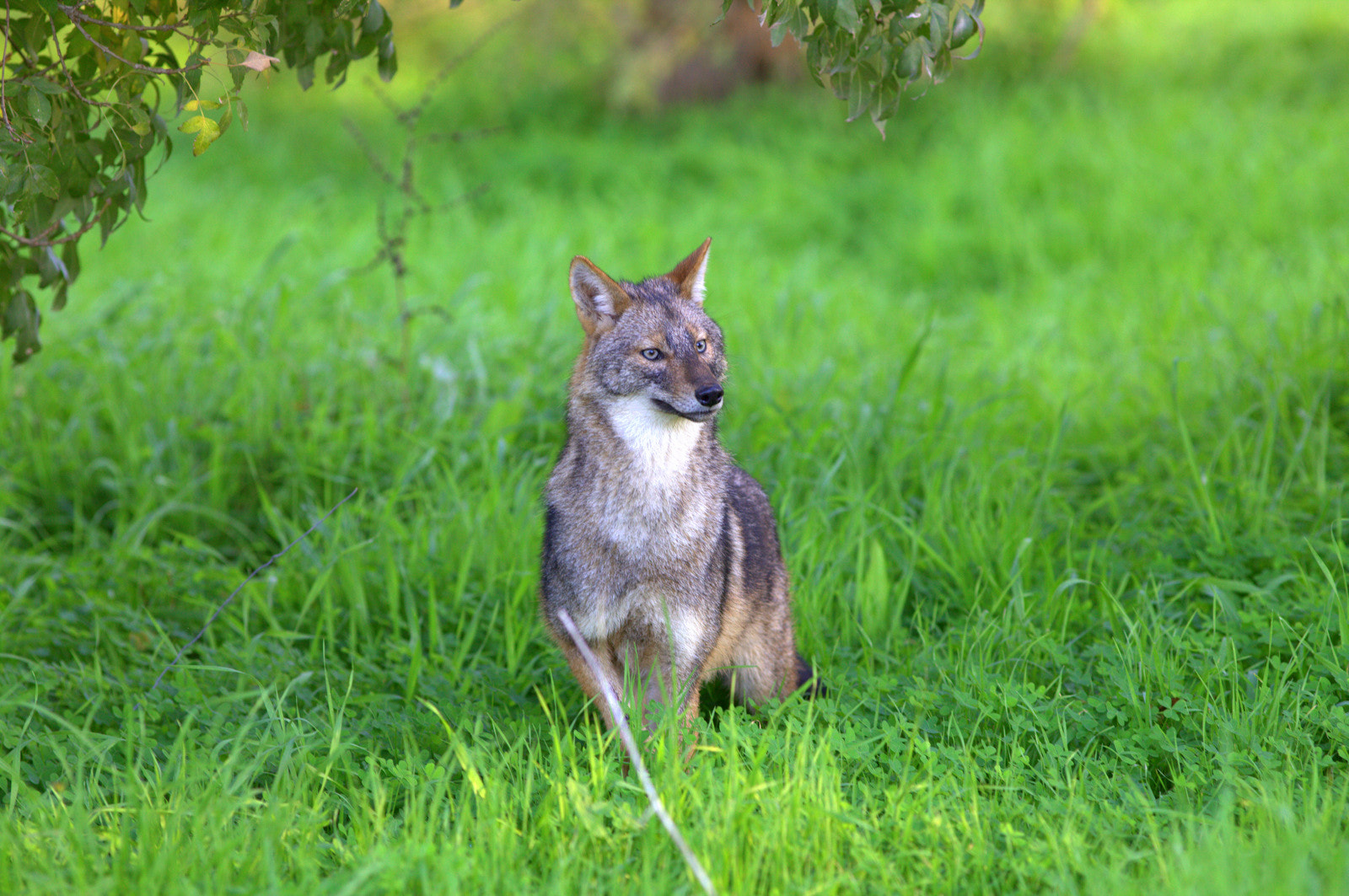
Similar Mammal Diversity, Different Activity Patterns in Grazed and Ungrazed Areas
Camera traps in four northern Israeli reserves found similar numbers of mammal species with and without livestock grazing.…
Read story →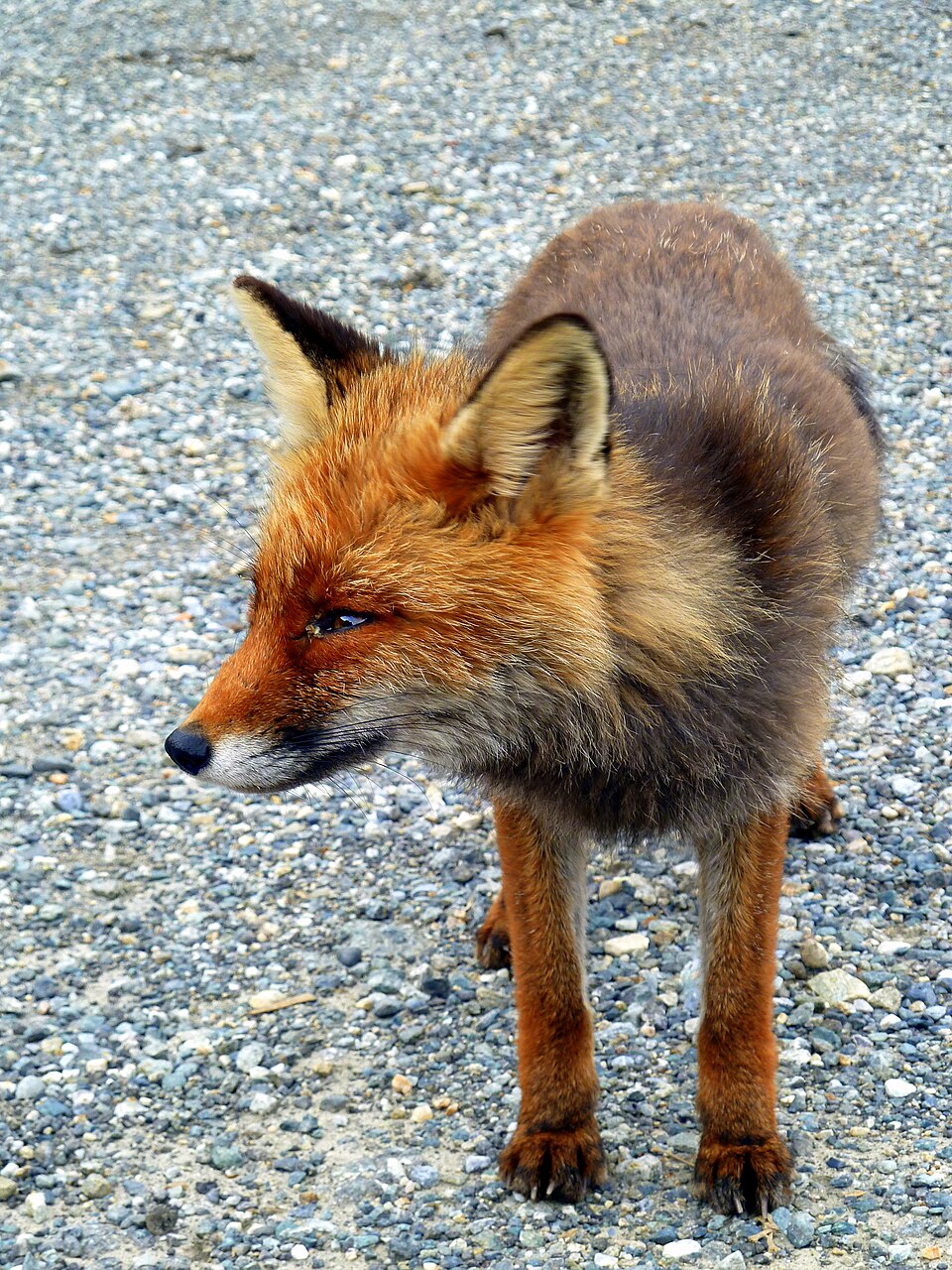
Wolf Kills Provided Plenty of Food for Red Foxes
Red foxes visited all 26 wolf-killed red deer monitored in Stelvio National Park. The amount of meat left…
Read story →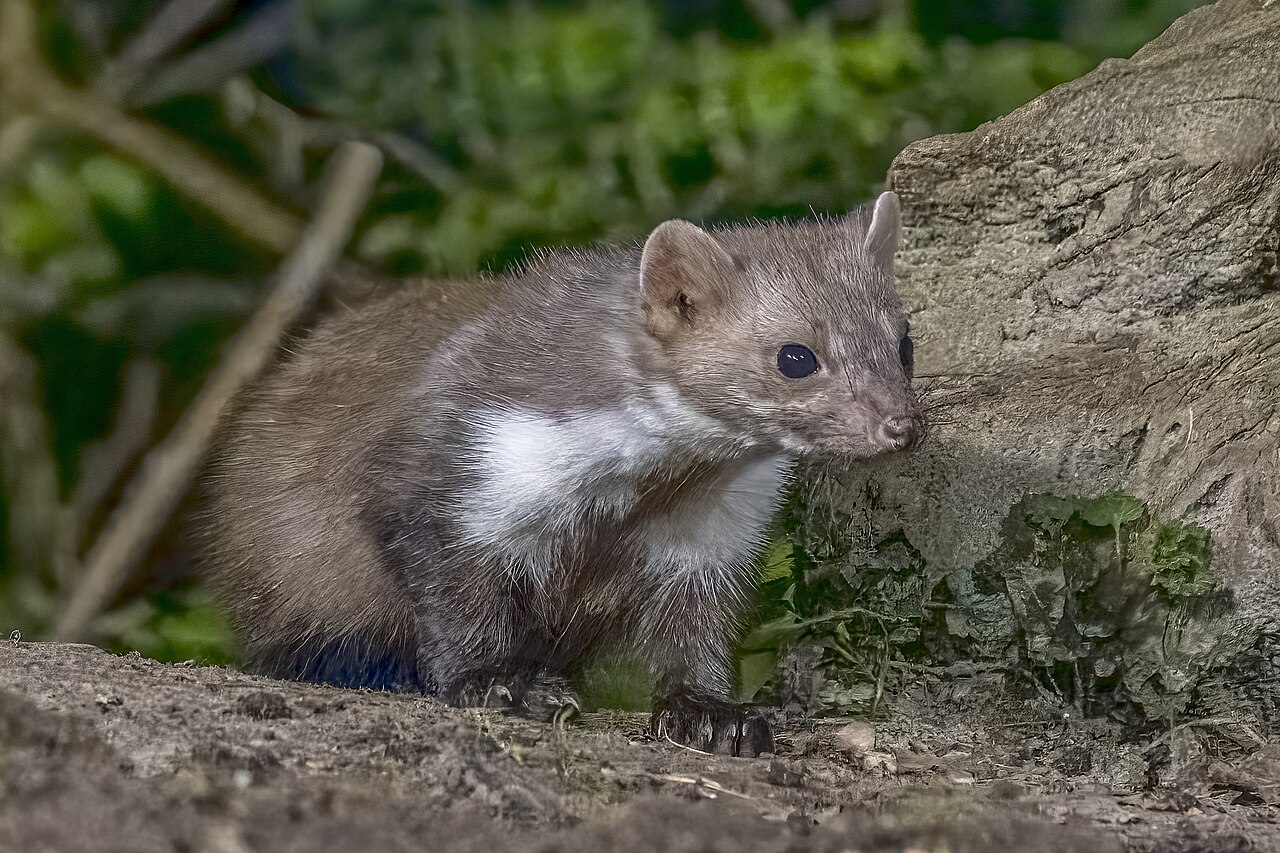
Red Foxes and Stone Martens Share Places at Different Times
Red foxes and stone martens often used the same sites in central Spain. Their daily activity differed more…
Read story →SPECIES IN THIS STORY
Species in this story
Independent research and conservation news archive
Did you find this information useful?
Wildlife Vagabond is independently built and maintained. Voluntary support helps cover source verification, hosting and continued work on research and conservation news.
Support Wildlife VagabondThe news archive will remain freely available.