
Replica eggs delayed house sparrow re-nesting but kept boxes occupied
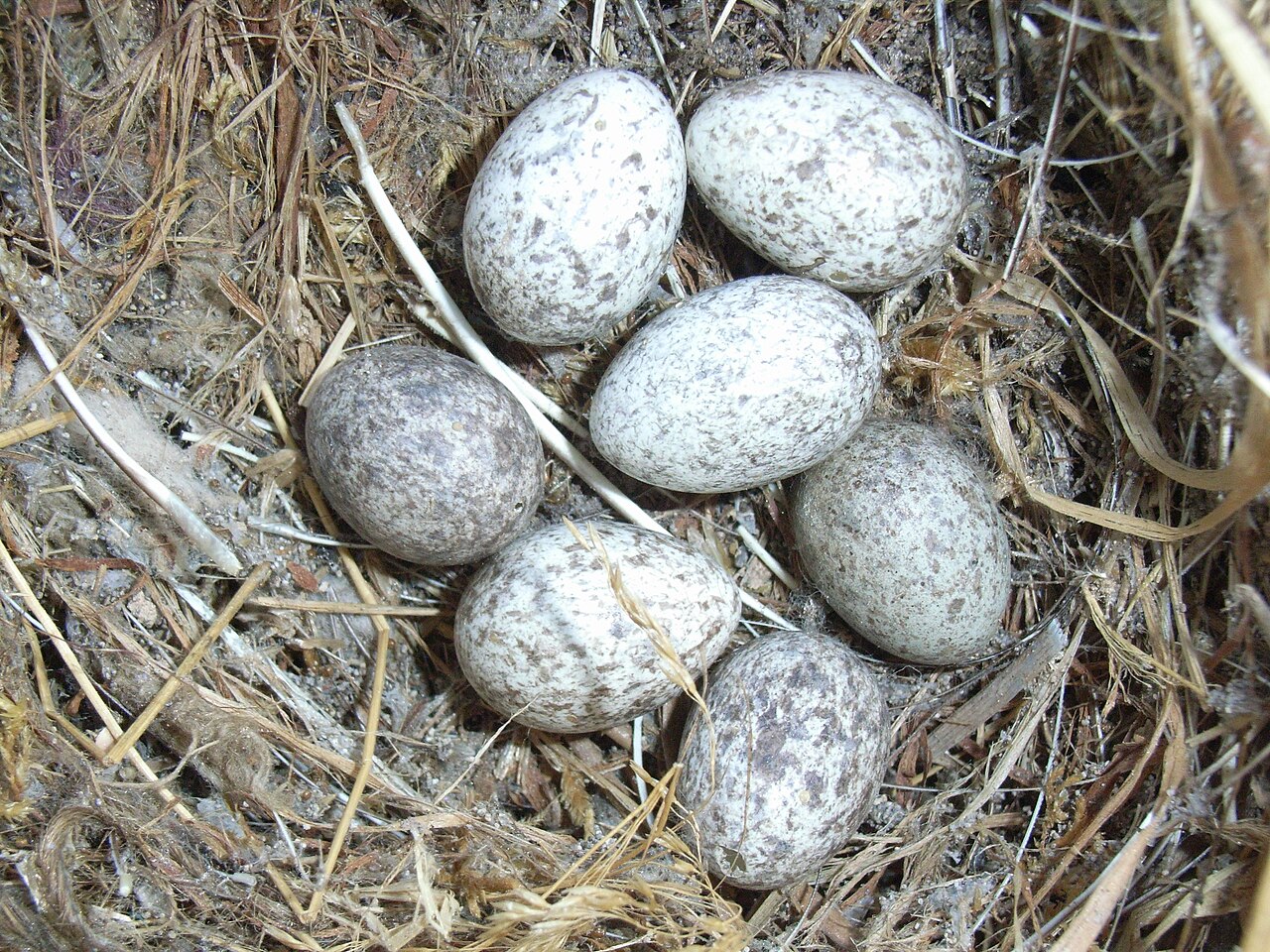
A nationwide citizen-science study in the United States found that replacing house sparrow eggs with wooden replicas delayed the birds from starting another nesting attempt, while removing the whole nest made a box available to native birds more often. The two methods therefore serve different management goals rather than producing one universally better result.
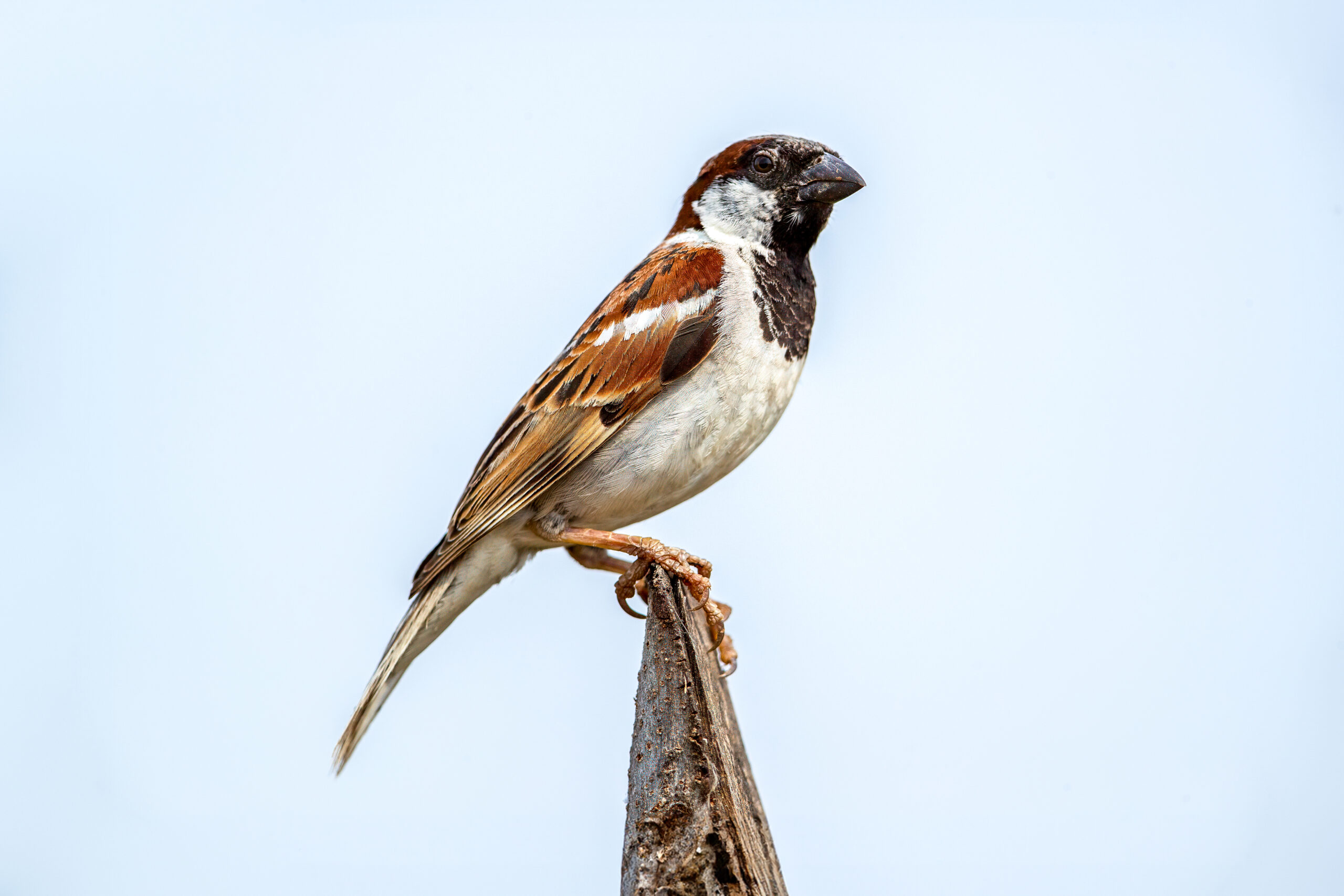
The house sparrow (Passer domesticus) is native to Eurasia and parts of North Africa but was introduced to North America in the nineteenth century. In the United States, it can compete with native cavity-nesting birds for nestboxes. Volunteers who monitor boxes intended for native songbirds have developed several ways of preventing house sparrows from breeding in them, but few of those methods have been compared with field data.
Suzanne M. Hartley and colleagues studied two interventions used by volunteers in the Sparrow Swap project. In a “swap”, monitors waited until a clutch was complete and replaced each real egg with a hand-painted wooden replica. In a “removal”, they took away both the complete clutch and the nest material. Both interventions prevented the original clutch from hatching, but they left the nestbox in very different states.
After a pilot in Virginia, USA in 2015, the project recruited nestbox monitors across the United States from 2016 to 2018. About 200 people joined and 84 submitted data. Together they reported management of 536 clutches containing 2,182 eggs in 326 boxes. For the main comparison, the researchers retained 209 swaps and 79 complete removals that had sufficiently clear follow-up observations within 21 days.
Replica eggs delayed the next clutch
House sparrows remained active at a similar proportion of boxes after either intervention: 61 per cent following swaps and 63 per cent following removals. What they did next, however, differed. A new house sparrow nest appeared in 52 per cent of boxes after removal, compared with 24 per cent after a swap. Boxes were classified as abandoned more often after swaps, at 37 per cent, than after removals, at 23 per cent.
The timing showed the same contrast. Where house sparrows started another clutch, they did so after an average of 9.8 days following removal and 16.0 days following a swap. Leaving replicas in place therefore delayed the next nesting attempt and reduced how often another sparrow nest appeared during the observation period.
Removal opened more boxes to native birds
Complete removal offered a different advantage. Native birds began nesting in 14 per cent of boxes after removals, but in only 2 per cent after swaps. An emptied box was more readily available to another species, whereas replicas could keep the box occupied even though they prevented house sparrow reproduction. At the same time, removal was followed by faster and more frequent re-nesting by house sparrows, potentially requiring repeated work from monitors.
The authors describe this as a practical trade-off. Volunteers whose priority is to open a particular box for native birds may favour complete removal. Those seeking to reduce repeated house sparrow clutches or the frequency of intervention may prefer replicas. The study does not show whether either method improves the breeding success of native birds in nearby boxes.
That gap is one of the paper’s stated limitations. The researchers did not compare the methods with egg addling or oiling, and they lacked data on the success of native nests near boxes containing replicas. The results therefore document what happened inside the managed boxes, not all possible effects on the surrounding bird community.
Management
Related news
Type A Trichomonas Was More Than Twice as Prevalent in British Birds at Supplementary-fed Sites
Type A of the bird parasite Trichomonas gallinae was more than twice as prevalent in British birds at…
Read story →
Usutu Virus RNA Was Found Nearly Three Times as Often as West Nile Virus RNA in Southern France
Among 2,533 wild birds from 69 species in southern France, Usutu virus RNA was detected in 12.0% and…
Read story →
Six Cavity-Nesting Bird Species Bred Successfully in Artificial Nests in Punjab
Punjab Agricultural University reported successful breeding in artificial nests by six cavity-nesting species, including Indian roller, spotted owlet…
Read story →SPECIES IN THIS STORY
Species in this story
Independent research and conservation news archive
Did you find this information useful?
Wildlife Vagabond is independently built and maintained. Voluntary support helps cover source verification, hosting and continued work on research and conservation news.
Support Wildlife VagabondThe news archive will remain freely available.