
Rhesus Macaque NK Cells Shared a Core Activation Pattern Across Acute Viral Infections
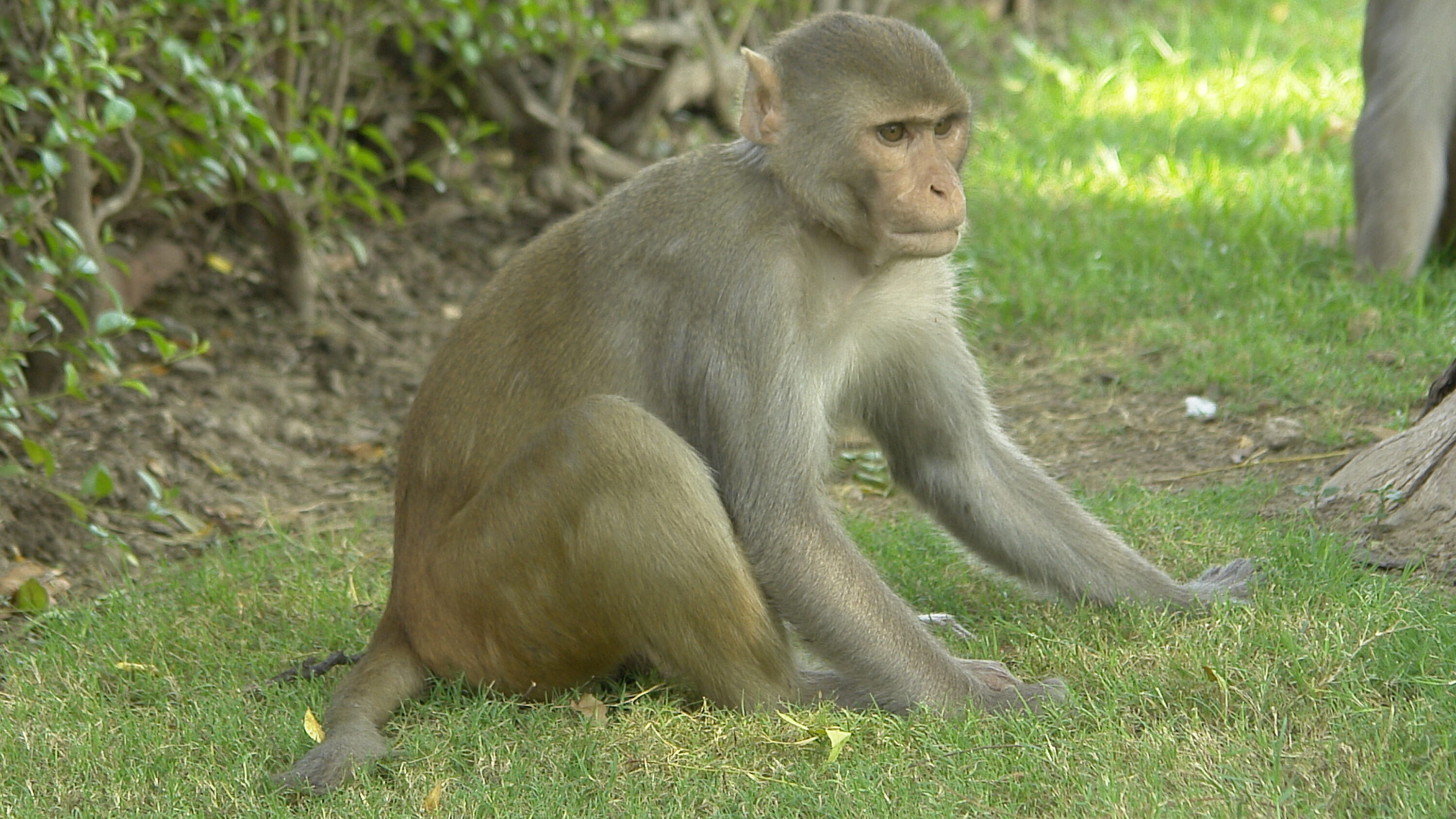
A study published in AIDS Research and Human Retroviruses mapped changes in natural killer (NK) cells in rhesus macaques (Macaca mulatta) during acute viral infection. NK cells are part of the innate immune system and can respond rapidly to virus-infected cells. The researchers focused on the transcriptome — the pattern of genes being actively read into RNA — because changes in gene expression reveal which signalling and metabolic programmes the cells are switching on or off during infection.
The study analysed NK cells from two simian immunodeficiency virus (SIV) models: six rhesus macaques infected with SIVmac239 and five with SIVmac251. SIV is a lentivirus related to HIV and is widely used to model key features of HIV infection in macaques. For these cohorts, NK cells were physically sorted from peripheral blood and their RNA was analysed in bulk, giving an average gene-expression profile for the isolated NK-cell population at each time point from acute infection into the early chronic phase.
The researchers then reanalysed published single-cell data from six rhesus macaques challenged with SARS-CoV-2. In that dataset, they identified NK cells among immune cells recovered by bronchoalveolar lavage — fluid washed from the lower airways — and compared their gene-expression response with the SIV results.
Cytokine-response genes changed together during SIV infection
The researchers used summary gene sets built from genes that are normally increased or decreased when NK cells are stimulated by the cytokines IL-2 and IL-15. Cytokines are signalling proteins that tell immune cells to activate, survive or alter their function; the gene sets therefore provided a way to score how strongly the infected animals’ NK cells resembled a cytokine-stimulated state. During SIV infection, metabolic and signalling programmes shifted together rather than as isolated genes.
Some of these transcriptional changes matched patterns previously associated with NK-cell dysfunction during lentiviral infection. The study measured RNA expression rather than directly testing each cell’s killing capacity, so the gene-expression pattern supports a dysfunction-related interpretation but is not itself a functional assay.
Twenty-seven genes rose during acute infection in all three datasets
When the researchers compared the two SIV cohorts with the SARS-CoV-2 dataset, they found 27 genes that were upregulated during acute infection in all three. Broader pathway analyses likewise identified a conserved core activation pattern across the different viral contexts. A shared transcriptional fingerprint therefore means that part of the NK-cell gene-expression response was reproducible across infections; it does not mean that SIV and SARS-CoV-2 cause the same disease or affect every NK-cell function identically.
The authors present this conserved pattern as a framework for studying how NK-cell signalling and metabolism respond to acute viral infection in rhesus macaques. The comparison does not by itself establish that the same 27-gene pattern has the same importance in humans.
Molecular biology & biochemistry
Related news
Female Rhesus Macaques That Watched Unfamiliar Female Faces Longer Were More Likely to Have Offspring the Following Year
At a semi-free-ranging population in Puerto Rico, females that spent longer looking at an unfamiliar female’s neutral face…
Read story →
Human Activity and Large Wildlife Overlapped Most in Chitwan’s Buffer Zone
Camera traps across Chitwan National Park and surrounding forests showed the greatest overlap of human activity with large…
Read story →
Aging rhesus macaques show broader protein changes in blood than in brain fluid
A study of 66 rhesus macaques found age-related differences in many more measured proteins in plasma than in…
Read story →SPECIES IN THIS STORY
Species in this story
Independent research and conservation news archive
Did you find this information useful?
Wildlife Vagabond is independently built and maintained. Voluntary support helps cover source verification, hosting and continued work on research and conservation news.
Support Wildlife VagabondThe news archive will remain freely available.