
Rüppell’s Foxes Responded With Less Fear Than Red Foxes to Simulated Red Fox Presence
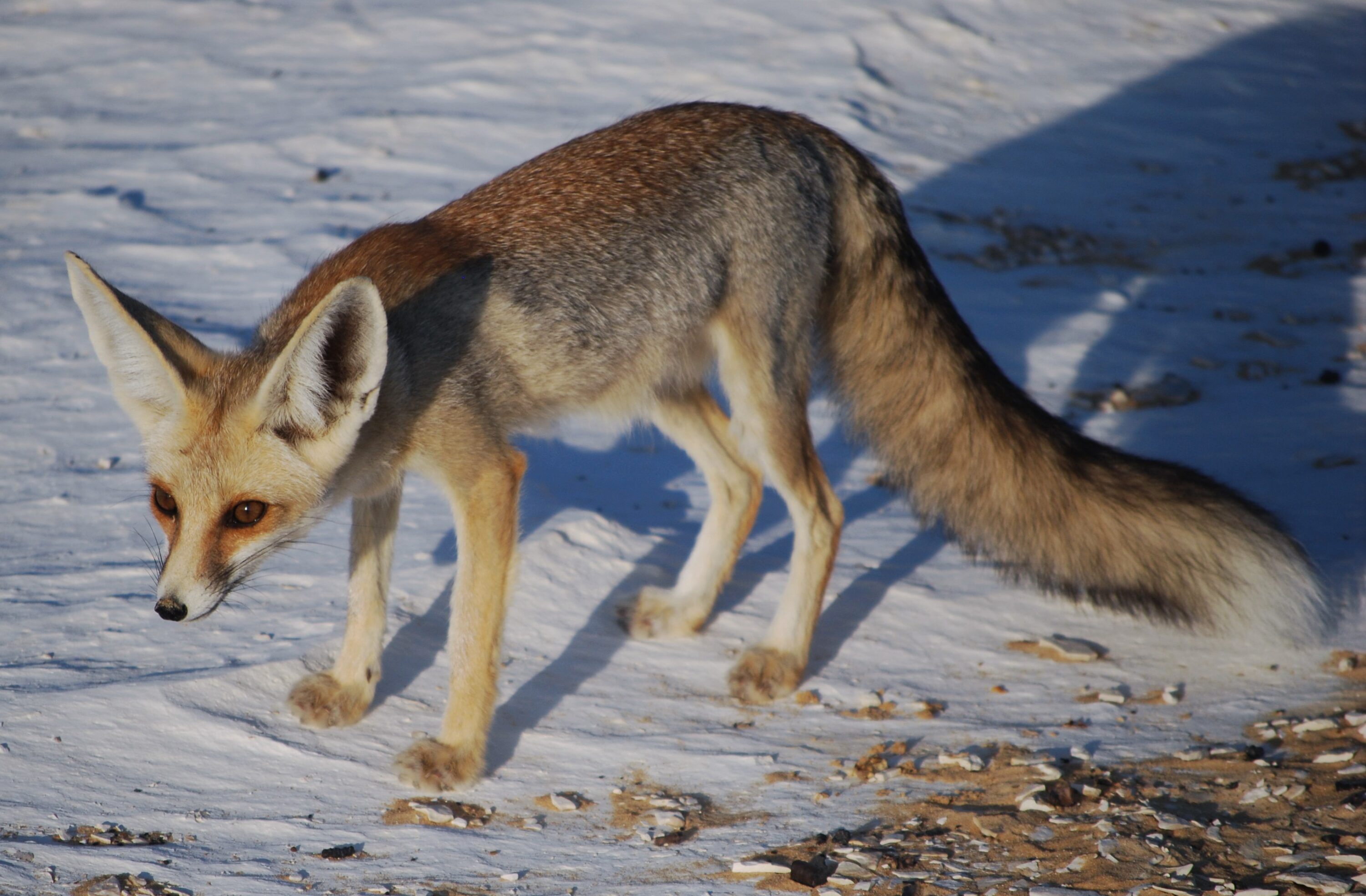
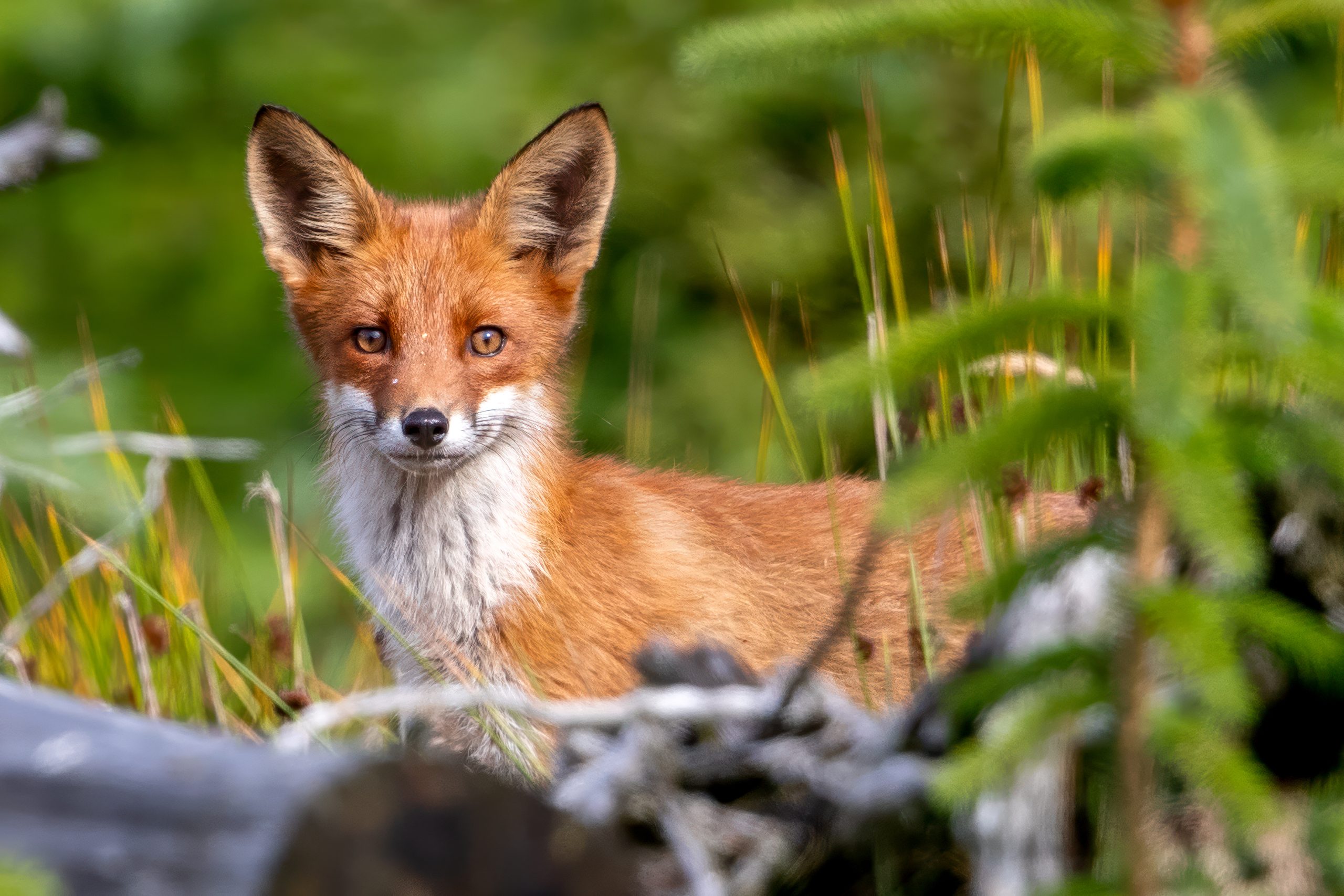
Field experiments in Israel’s southern Negev Desert found that Rüppell’s foxes (Vulpes rueppellii) showed a lower fear response to simulated red fox (Vulpes vulpes) presence than red foxes did. The researchers had expected the smaller Rüppell’s fox to respond more cautiously to the larger competitor.
The study used 34 two-day experimental sessions during dry and wet seasons at paired feeding stations that simulated the presence or absence of red foxes. Short video recordings were used to quantify vigilance, stress-related behaviour and other responses. Across the study, 1,291 fox videos were recorded.
Rüppell’s foxes did not show the heightened fear response predicted by the researchers. Red foxes, by contrast, showed more stress-related behaviour when exposed to simulated conspecific presence during the wet season, which overlaps with the breeding period.
The authors suggest that the two desert foxes’ long evolutionary history of coexistence may have promoted spatial niche partitioning rather than a strong fear response by Rüppell’s foxes. They also note that the low response to red fox cues could leave Rüppell’s foxes vulnerable where human-driven changes allow red fox populations to expand.
Behaviour
Related news
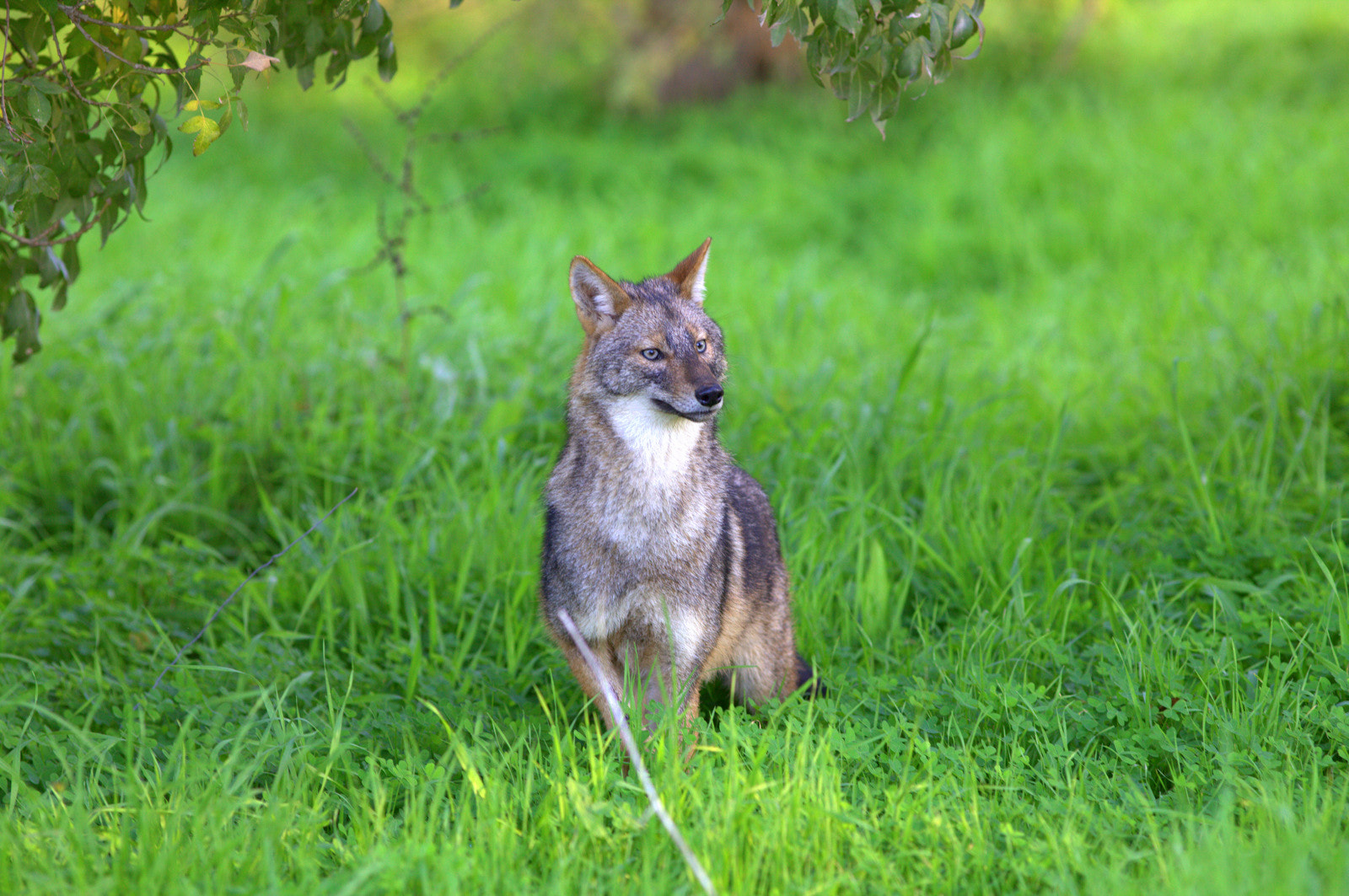
Similar Mammal Diversity, Different Activity Patterns in Grazed and Ungrazed Areas
Camera traps in four northern Israeli reserves found similar numbers of mammal species with and without livestock grazing.…
Read story →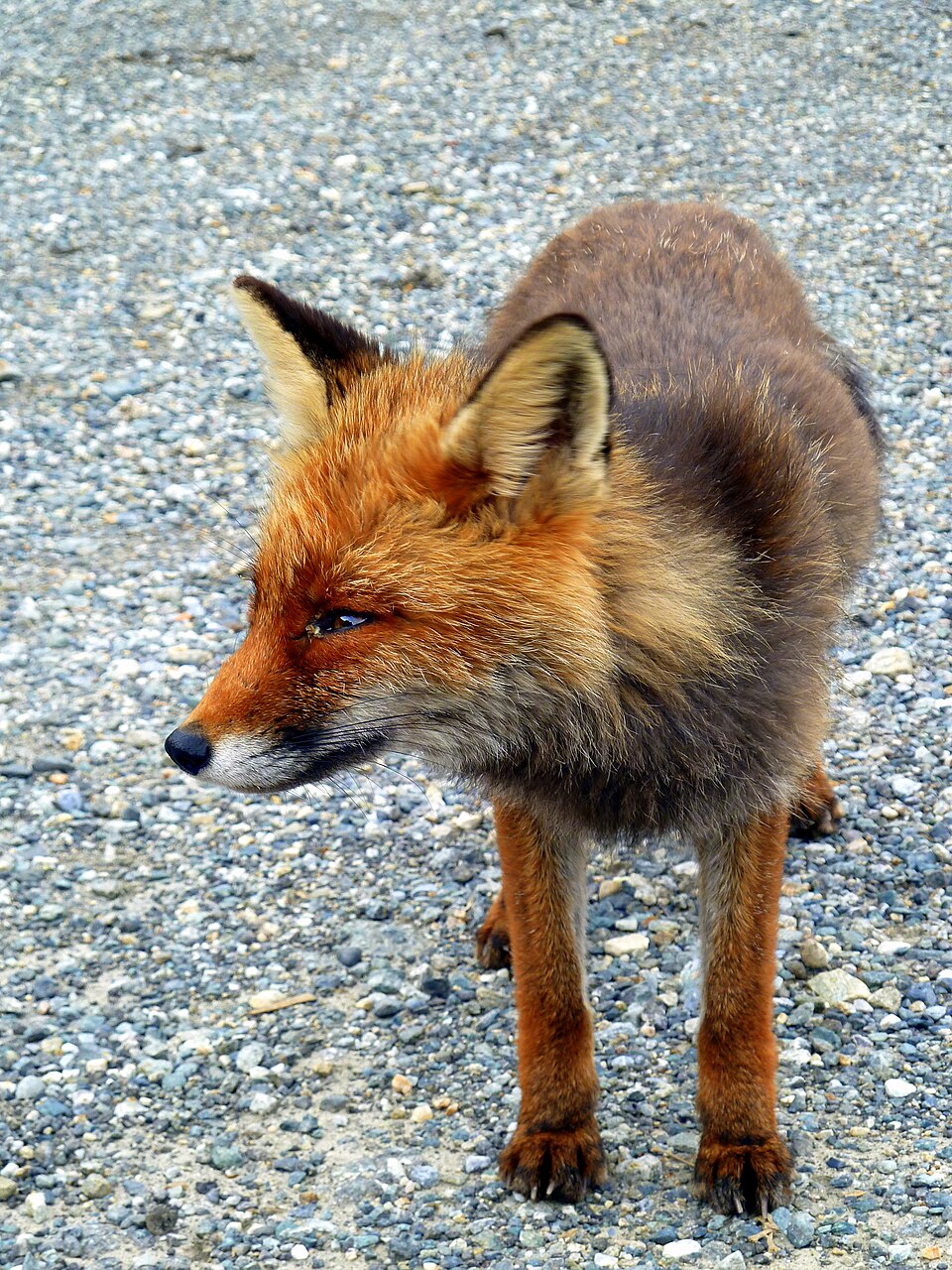
Wolf Kills Provided Plenty of Food for Red Foxes
Red foxes visited all 26 wolf-killed red deer monitored in Stelvio National Park. The amount of meat left…
Read story →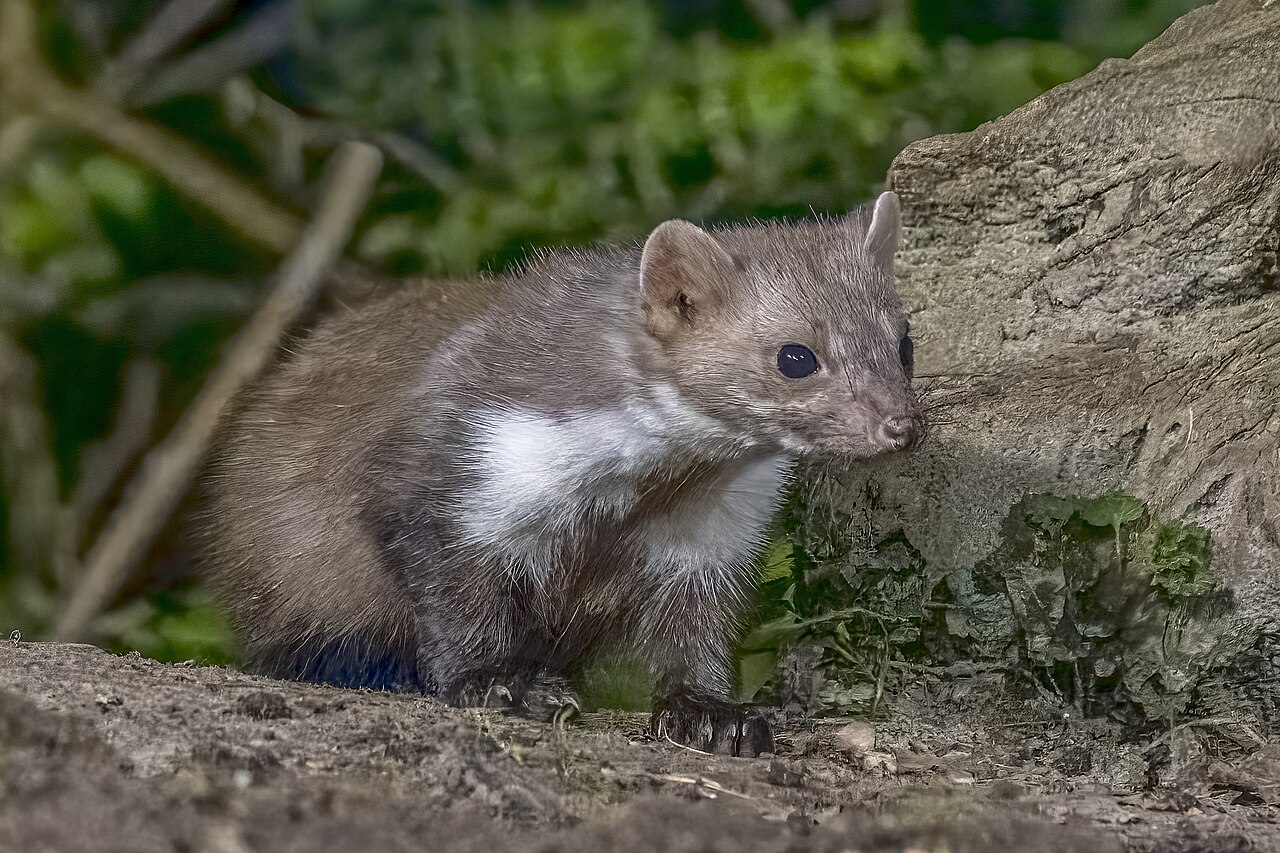
Red Foxes and Stone Martens Share Places at Different Times
Red foxes and stone martens often used the same sites in central Spain. Their daily activity differed more…
Read story →SPECIES IN THIS STORY
Species in this story
Independent research and conservation news archive
Did you find this information useful?
Wildlife Vagabond is independently built and maintained. Voluntary support helps cover source verification, hosting and continued work on research and conservation news.
Support Wildlife VagabondThe news archive will remain freely available.