
Daytime-resting Wild Boar Used Denser Understory and Sites Farther From Elevated Walkways in Seoul
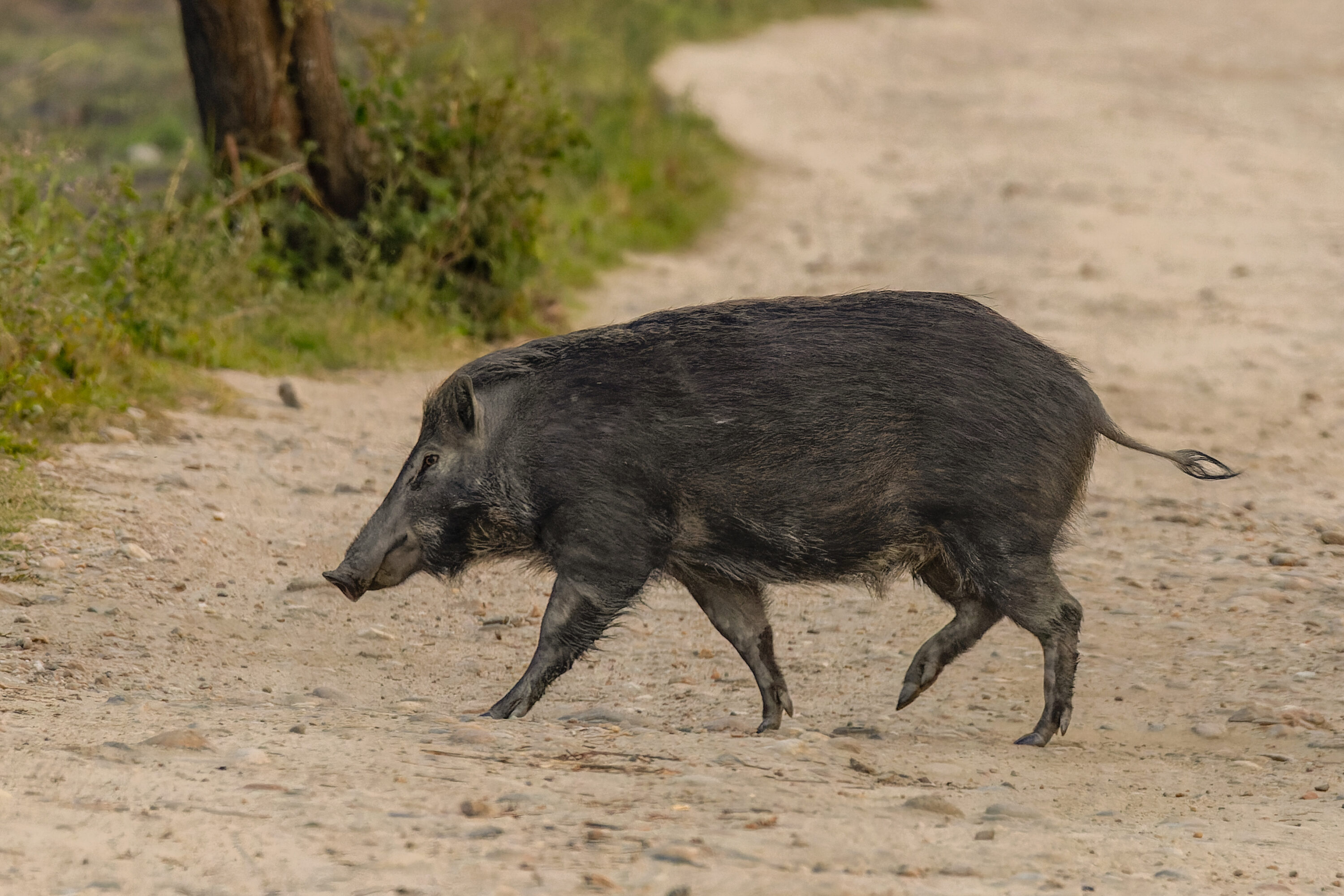
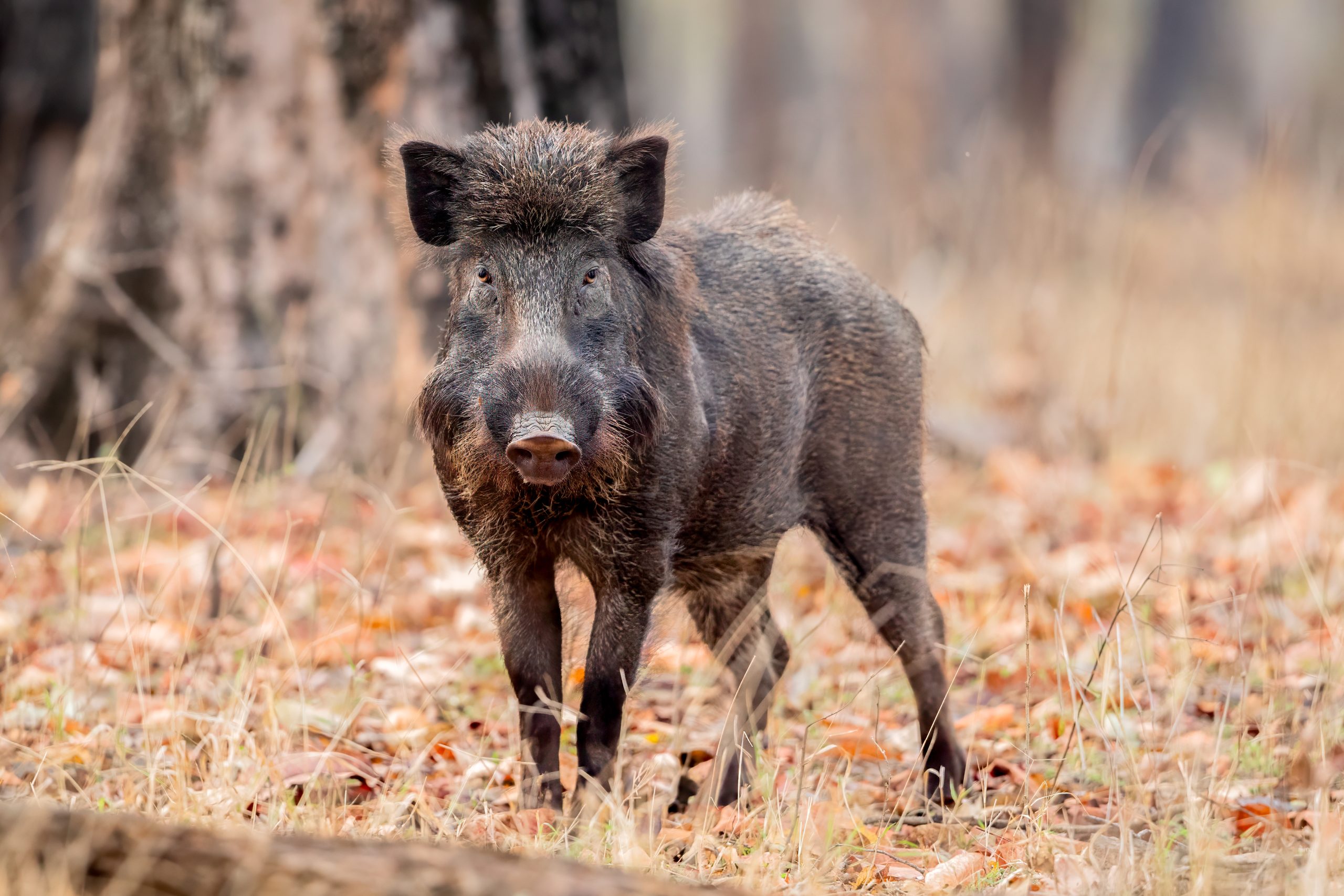
Wild boar (Sus scrofa) resting during the day in an urban-edge forest in Seoul, South Korea used habitat that differed clearly from both travelling and nighttime-resting animals. Daytime resting was associated especially with denser understory vegetation and greater distance from elevated deck roads, while nighttime resting closely resembled the habitat used during movement.
The study was conducted in a 31-hectare forest on the southern boundary of Bukhansan National Park, where residential areas meet mountainous woodland. Researchers combined thermal-drone observations of wild boar with one-metre-resolution LiDAR data. LiDAR uses laser pulses to map the three-dimensional structure of vegetation and terrain, allowing the team to describe cover, topography and proximity to human infrastructure. Surveys on ten flight days produced 75 travelling tracks, 17 daytime-resting tracks and 21 nighttime-resting tracks.
Daytime resting sites differed most clearly
Compared with travelling locations, daytime resting sites had denser understory, lay farther from elevated deck roads, were less strongly associated with north-facing slopes and more strongly associated with east-facing slopes. Daytime resting differed from nighttime resting in the same four directions and also occurred at lower elevations.
Nighttime resting, by contrast, did not differ clearly from travelling in any of the twelve habitat variables. The authors interpret these nighttime stops as brief stationary pauses embedded within continuous nocturnal movement rather than the prolonged refuge use seen during the day.
The pattern suggests a daytime concealment strategy
The researchers interpret the dense understory and greater distance from elevated walkways as part of a daytime concealment strategy during periods of higher human activity. Ground-level hiking trails did not show the same association as the elevated walkways. Because individual animals could not be identified from the thermal footage, the analyses used movement tracks rather than known individuals as the sampling units.
Ecology
Related news
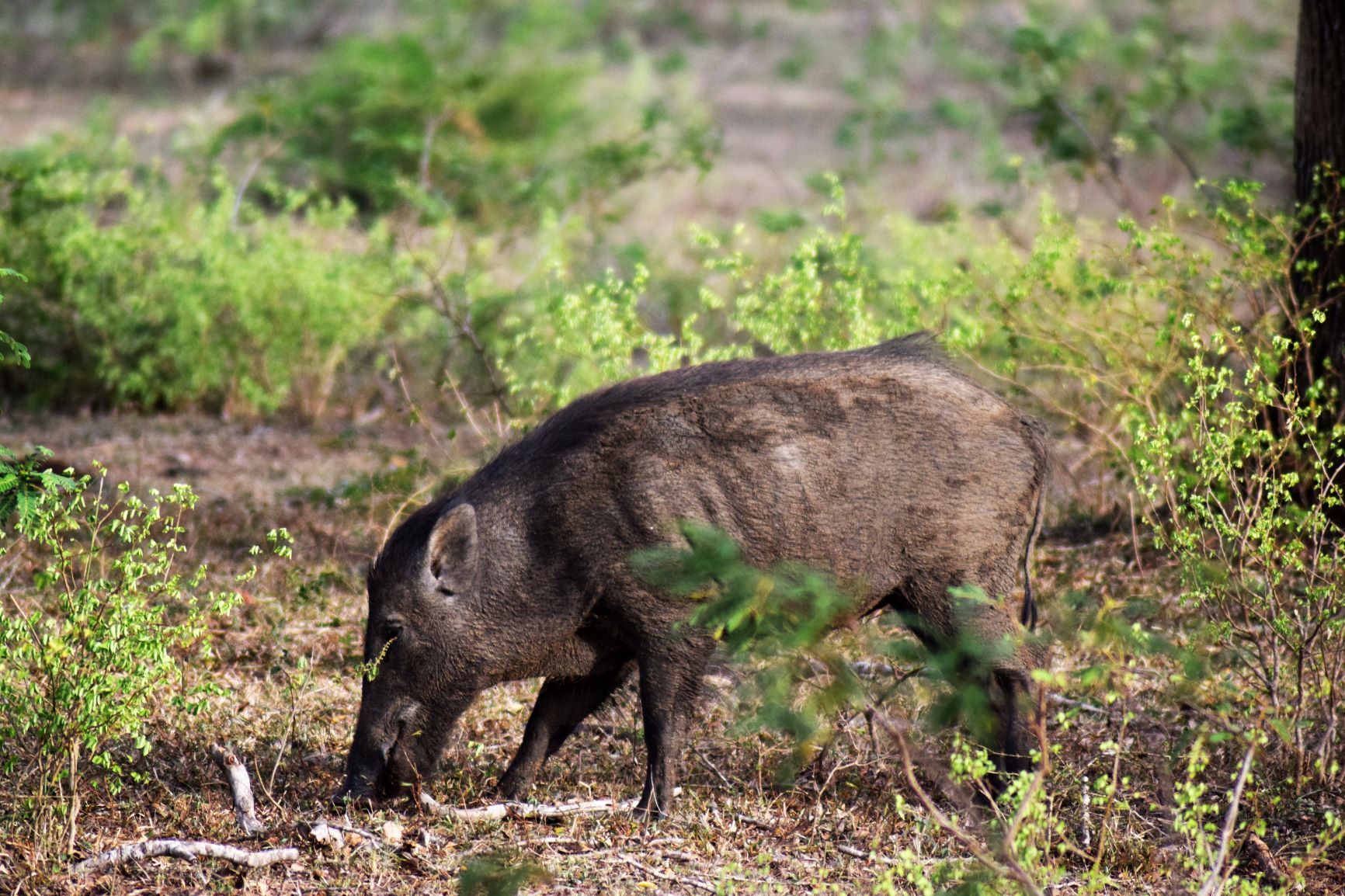
Maps Show Where Wild Boar Could Thrive and Spread on Jeju Island
Researchers mapped potentially suitable wild-boar habitat across roughly 36% of Jeju Island and identified eight possible corridors linking…
Read story →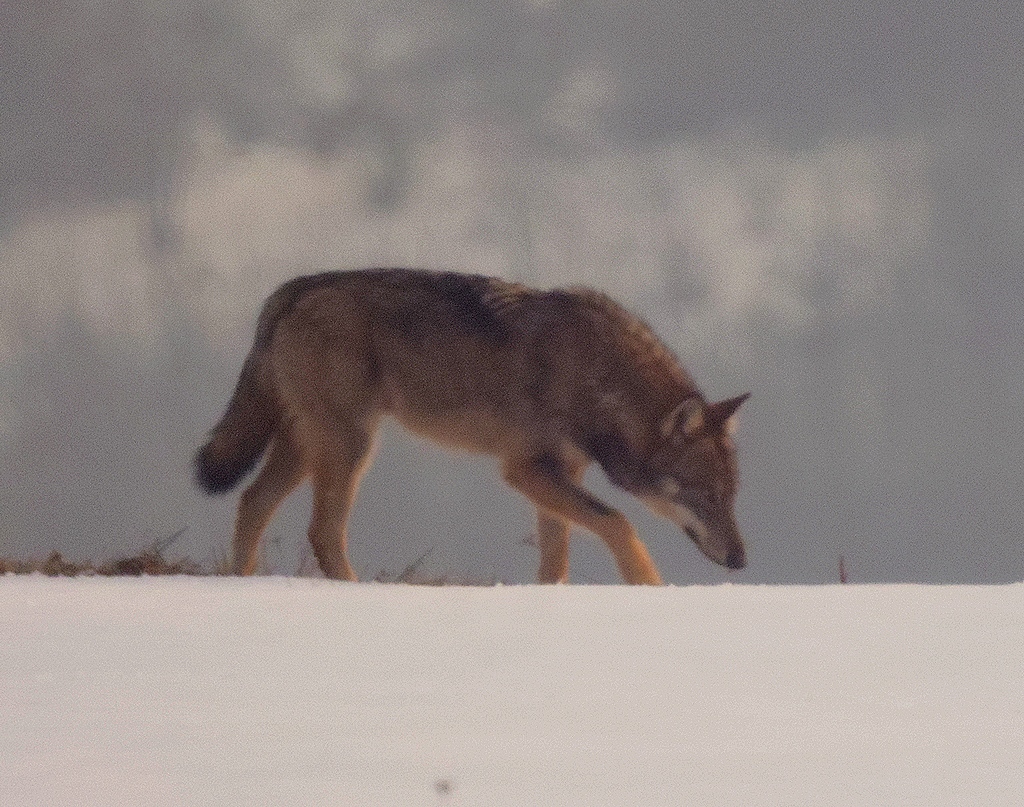
Roe Deer and Wild Boar Remained Key Wolf Prey as Diet Shifted Across North-western Italy
From 2021 to 2025, wolves in north-western Italy continued to feed mainly on wild prey. In the Po…
Read story →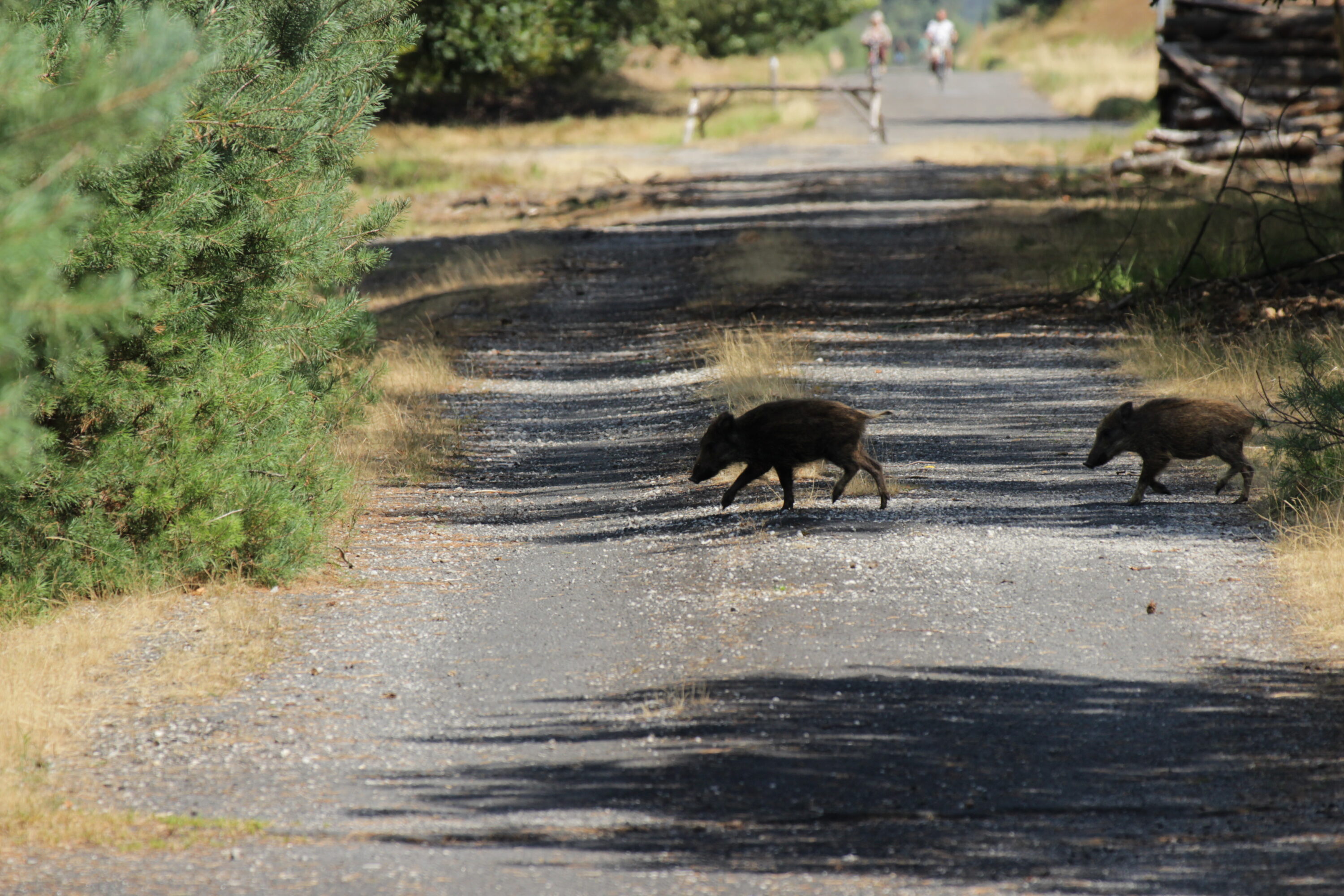
Copper levels in wild boar differed across Slovak districts
An analysis of kidney, liver and muscle from 147 wild boar in four districts found that iron and…
Read story →SPECIES IN THIS STORY
Species in this story
Independent research and conservation news archive
Did you find this information useful?
Wildlife Vagabond is independently built and maintained. Voluntary support helps cover source verification, hosting and continued work on research and conservation news.
Support Wildlife VagabondThe news archive will remain freely available.