
Old Orchard Trees Still Shaped Wild Boar Diets in Singapore
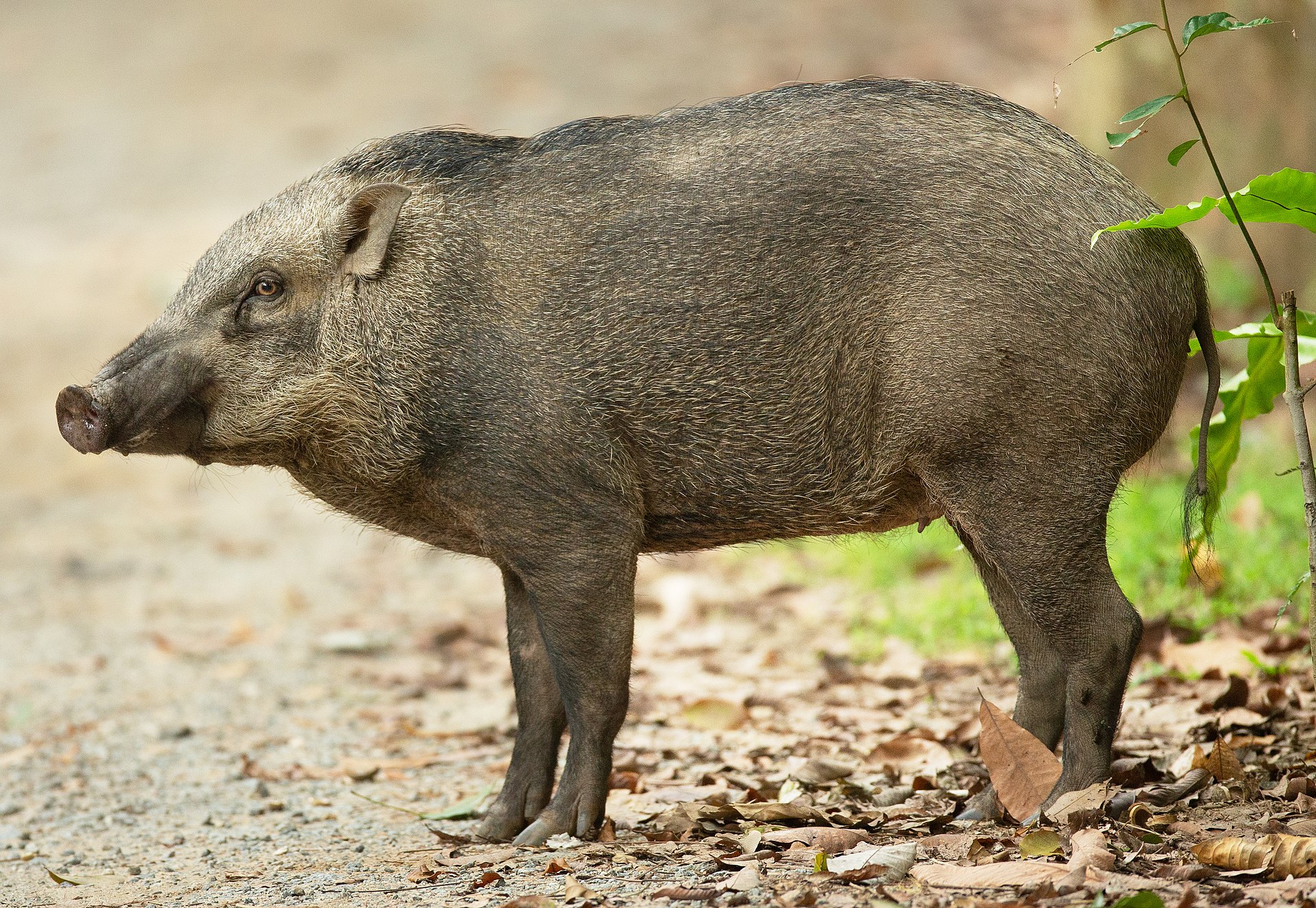
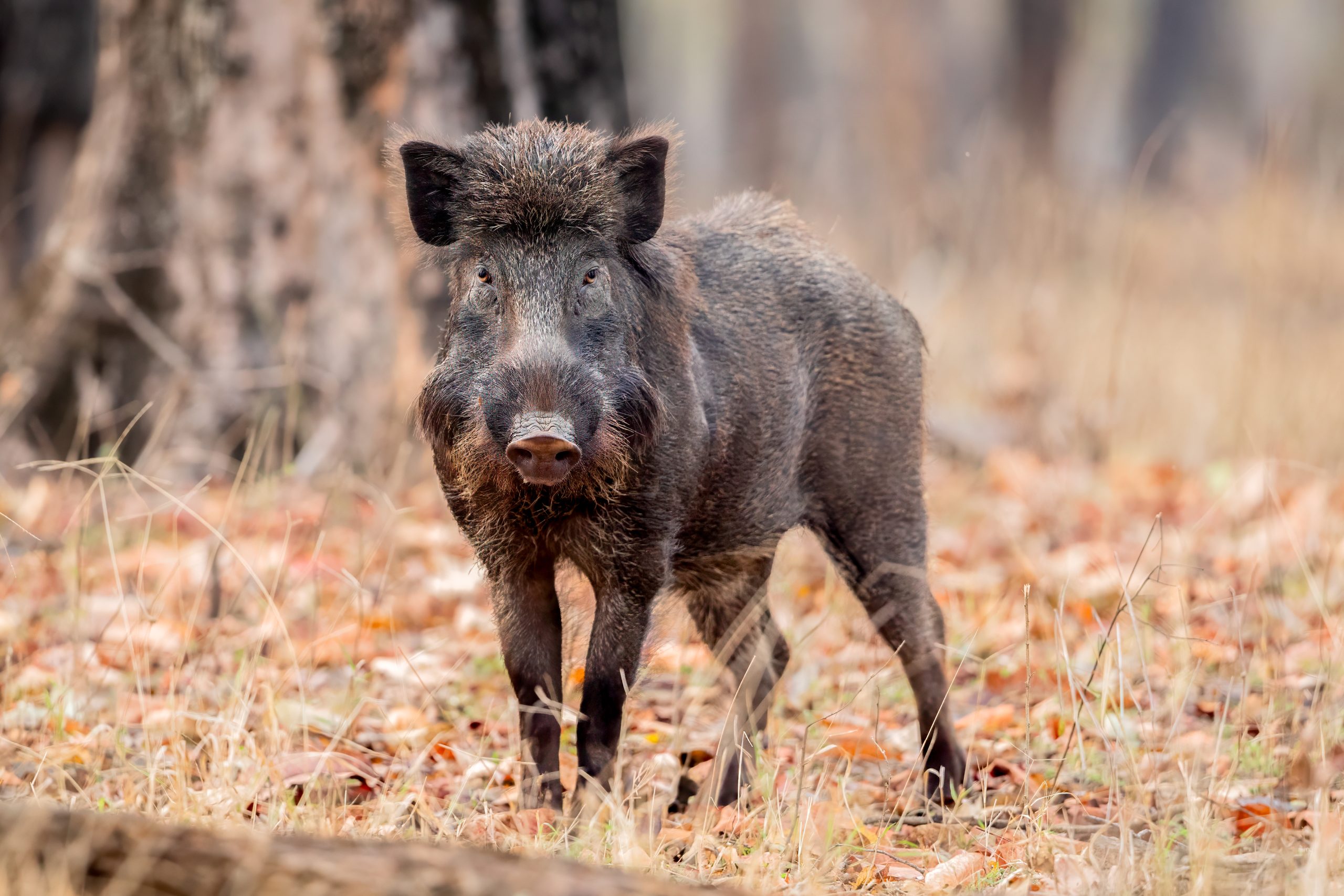
Wild boar (Sus scrofa) in Singapore ate a wide range of natural foods, but DNA in their faeces also revealed a persistent dietary legacy from former plantations, orchards and villages. Wild boar disappeared from Singapore’s main island in the mid-twentieth century, recolonised naturally from the 1990s and are now abundant in forests where their main predators are absent, making food availability relevant to population management. A 2026 metabarcoding study detected cultivated plants including durian, rambutan, jackfruit, mango, pineapple and rice, alongside native plants and soil invertebrates.
Researchers analysed 61 faecal samples collected between 2019 and 2021 across five parts of Singapore. Thirty-five samples were collected opportunistically from fresh droppings and 26 were taken from animals handled through an official monitoring programme. DNA metabarcoding — which identifies food organisms by matching short DNA barcode sequences in faeces with reference sequences — was used to identify plant and animal dietary items. Bacterial sequences were also analysed to characterise the gut microbiome.
A broad diet retained traces of old cultivation
Plant DNA represented 96 families and 205 genera. Grasses and gingers occurred across all samples, while earthworms were among the commonly detected animal groups. The study also found DNA from cultivated plants that remain common in secondary forests created on former agricultural land. Durian was detected in all 61 samples, whereas rambutan and rubber were found less often but at geographically separated locations. DNA from mouse-deer and leopard cats was also detected; the authors say this could reflect predation on mouse-deer and scavenging of leopard-cat carrion, although the DNA evidence alone cannot reconstruct what happened.
Immediate land cover did not tell the whole dietary story
Relationships with surrounding forest and vegetation were mixed rather than absent. Plant diversity showed mostly weak or inconsistent associations, whereas the variety of animal DNA detected was higher around samples from areas with less forest and vegetation. Some differences in diet composition also weakened when the analysis was limited to opportunistically collected droppings, showing that collection method could influence the pattern. Gut-microbiome diversity and composition likewise showed no strong relationship with surrounding forest or vegetation.
The researchers instead highlight the persistence of formerly cultivated trees as one way historical land use can continue to influence food availability decades later. They suggest that managing remnant cultivated trees and access to other human-associated foods could eventually complement wild-boar management, but stress that the demographic contribution of these foods has not yet been quantified and may be minor or vary through time. Faecal metabarcoding also provides only a short-term dietary snapshot: some detections can reflect environmental contamination, and the place where a dropping is found may not be where the animal obtained its food.
Ecology
Related news
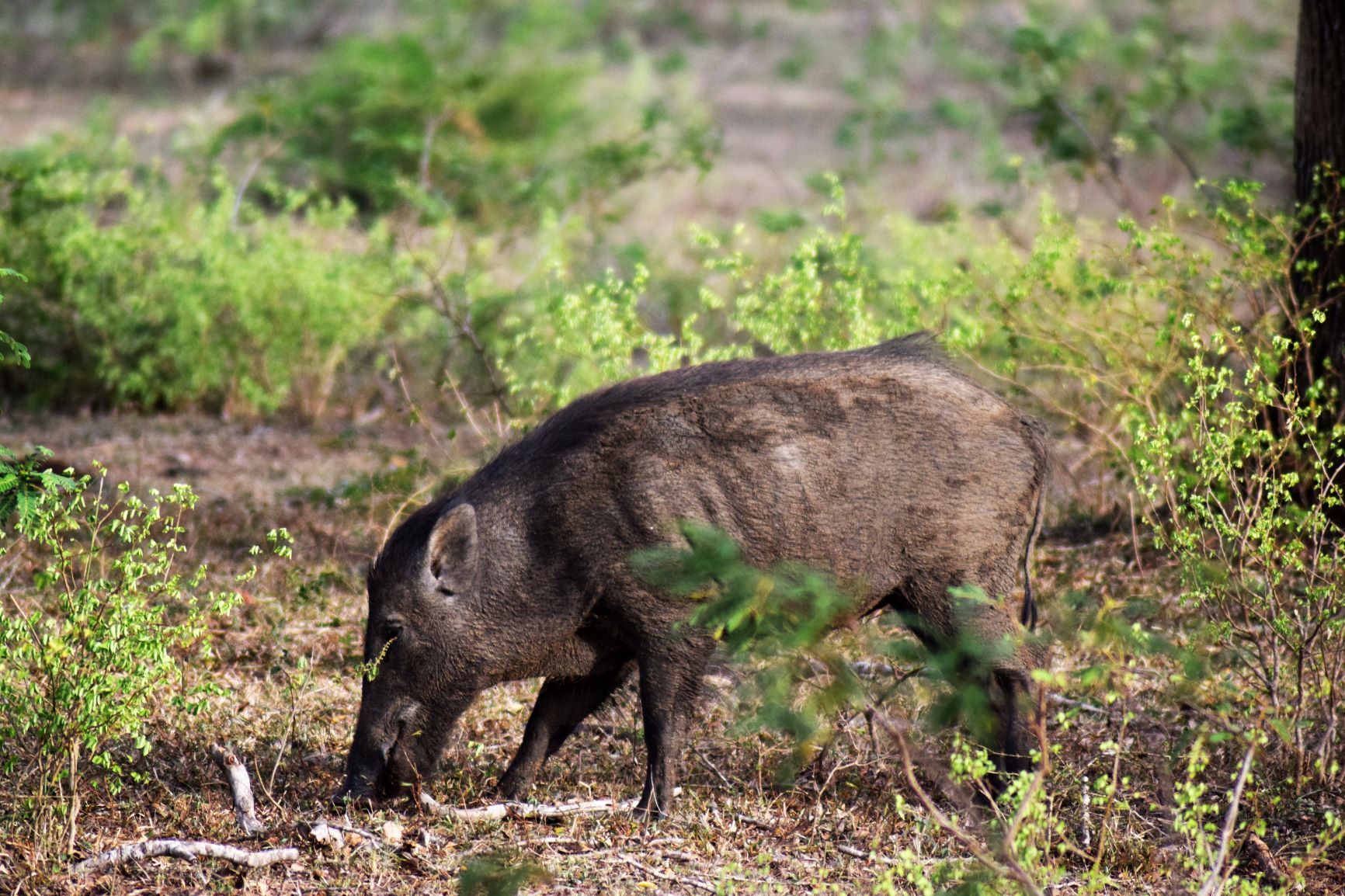
Maps Show Where Wild Boar Could Thrive and Spread on Jeju Island
Researchers mapped potentially suitable wild-boar habitat across roughly 36% of Jeju Island and identified eight possible corridors linking…
Read story →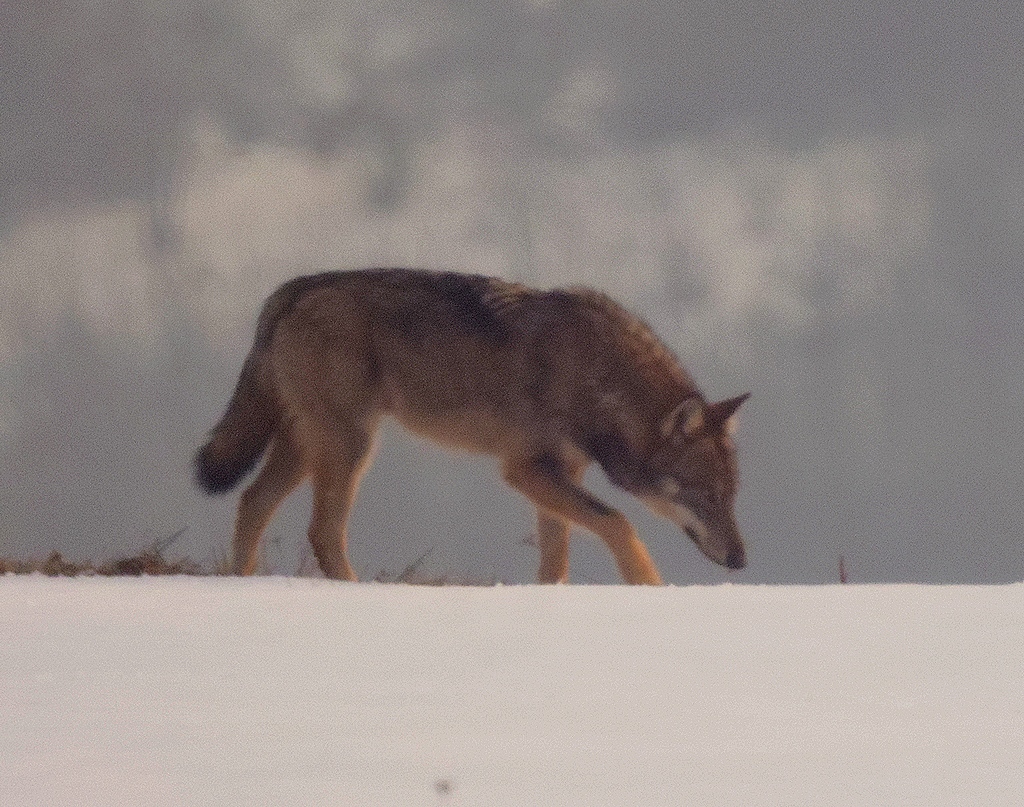
Roe Deer and Wild Boar Remained Key Wolf Prey as Diet Shifted Across North-western Italy
From 2021 to 2025, wolves in north-western Italy continued to feed mainly on wild prey. In the Po…
Read story →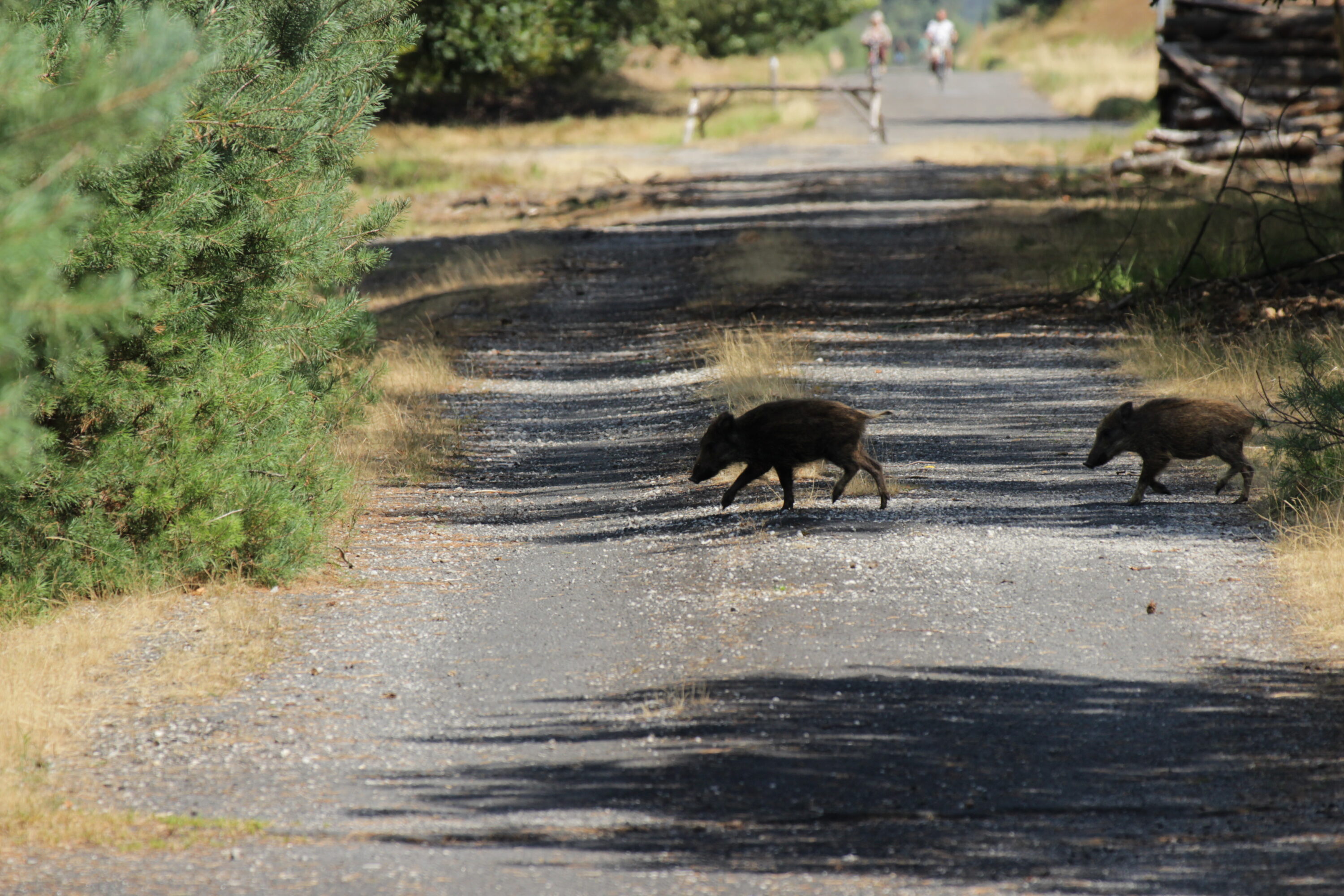
Copper levels in wild boar differed across Slovak districts
An analysis of kidney, liver and muscle from 147 wild boar in four districts found that iron and…
Read story →SPECIES IN THIS STORY
Species in this story
Independent research and conservation news archive
Did you find this information useful?
Wildlife Vagabond is independently built and maintained. Voluntary support helps cover source verification, hosting and continued work on research and conservation news.
Support Wildlife VagabondThe news archive will remain freely available.