
Snowy Egret Foraging Density Declined Across Most Seasons During 39 Years of Florida Monitoring
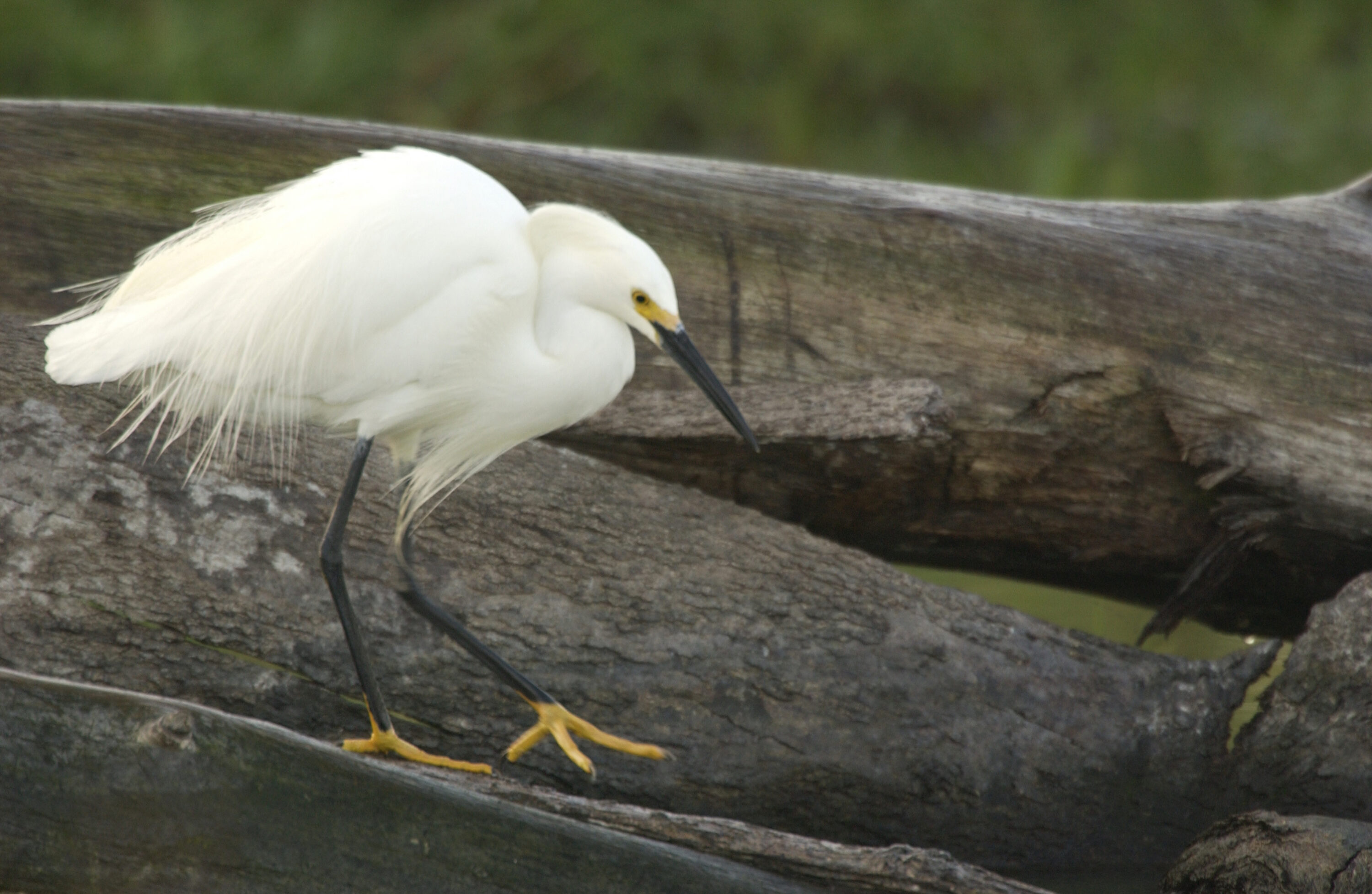
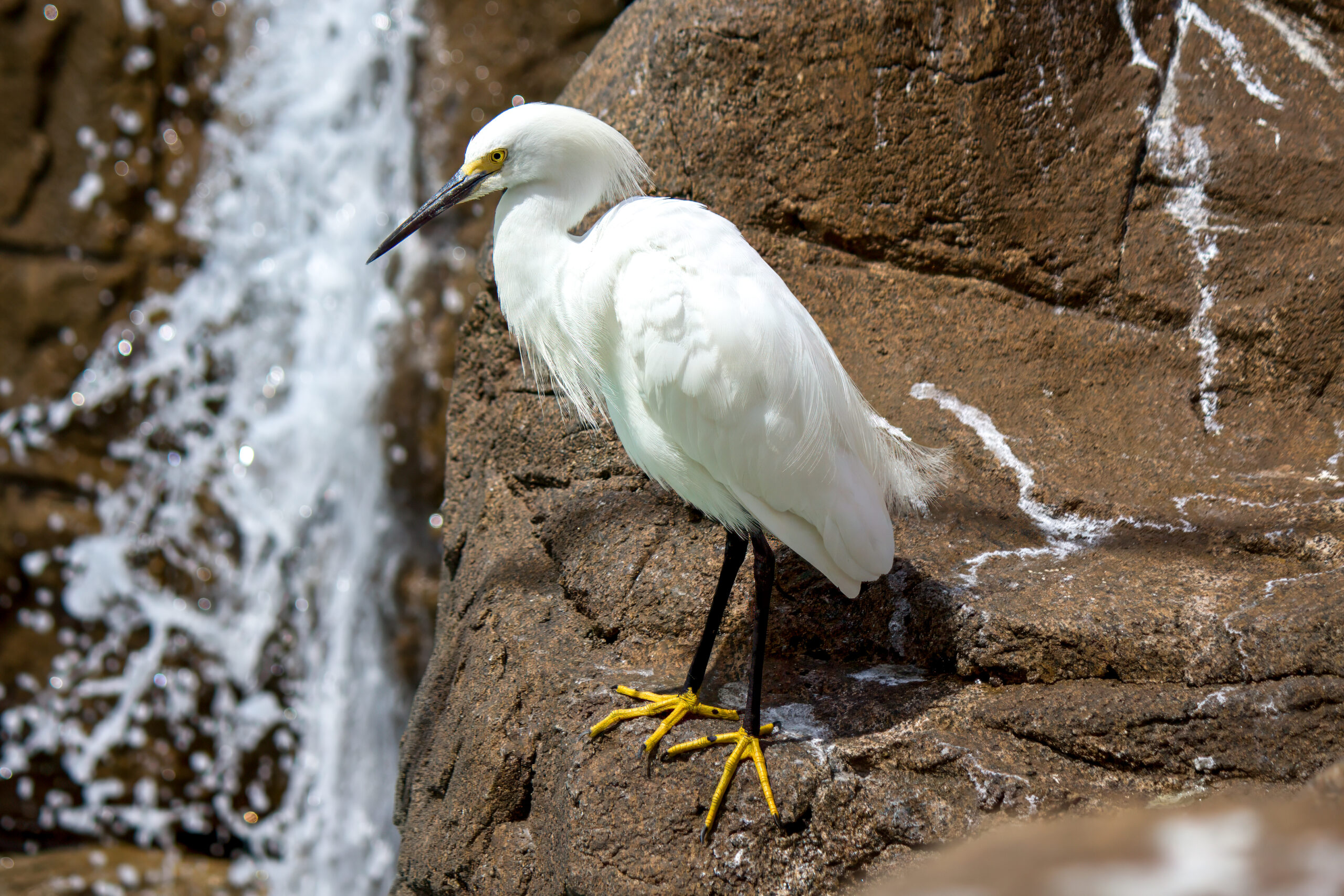
Nearly four decades of monitoring at Kennedy Space Center in Florida, USA found a contrast between nesting and foraging trends in snowy egret (Egretta thula). Peak nest counts showed no clear long-term trend, while the density of birds using several monitored feeding habitats declined over time.
The study covered 1987–2025 in the northern Indian River Lagoon and combined annual colony monitoring with repeated surveys of birds feeding in managed wetland impoundments and along estuarine shorelines. Snowy egret was one of the most numerous species in the dataset.
Nesting remained stable while foraging declined
Snowy egrets accounted for about 10% of the 124,391 wading-bird nests recorded during the study. They also made up 24% of birds observed foraging in impounded wetlands and 19% along the estuarine edge.
Trend models showed no clear long-term change in peak snowy egret nest counts. Foraging density followed a different pattern. In impounded wetlands it increased slightly in winter but declined in spring, summer and autumn. Along estuarine edges it declined in all four seasons.
Wetland structure also changed over the monitoring period
Snowy egrets and most other wading birds used open, unvegetated parts of the managed wetlands heavily, although use of low salt marsh increased for snowy egrets in autumn and winter. Rainfall, drought conditions and temperature were among the environmental variables associated with wading-bird density.
The wider wetland system also changed over time. The authors document long-term loss and alteration of vegetated marsh, erosion of nesting islands and major ecological disturbances in the Indian River Lagoon, including severe algal blooms. They do not attribute the snowy egret trends to one single cause.
The result instead shows that a species can continue nesting regularly in the same landscape while its use of feeding habitats changes substantially. The authors argue that maintaining a regional network of nesting and foraging habitats is therefore important as conditions in the lagoon continue to fluctuate.
Population & status
Related news
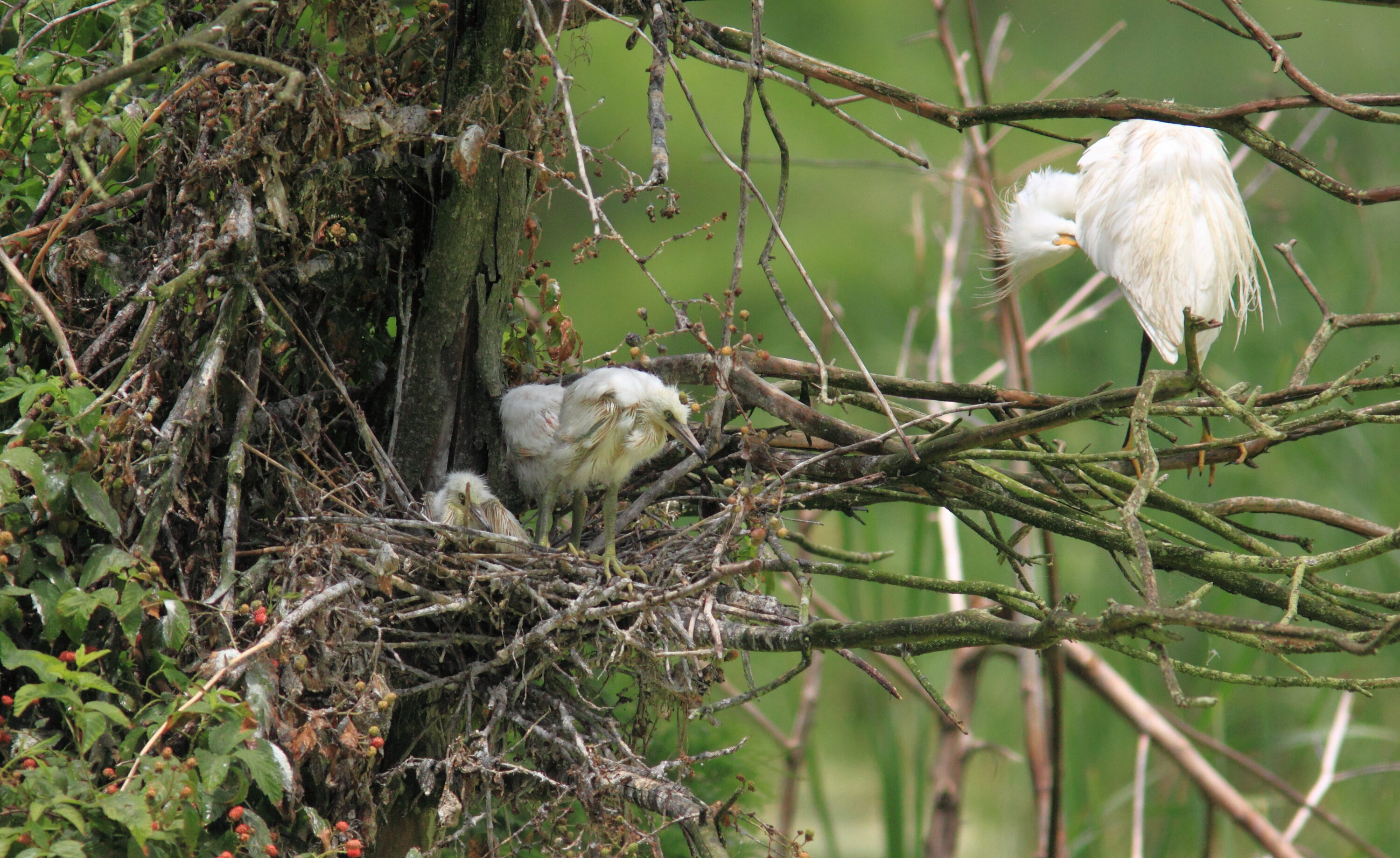
Drone Surveys Produced Similar Nest Survival Estimates to Ground Surveys for Florida Waterbirds
At four Lake Okeechobee colonies in Florida, drone imagery tracked 510 waterbird nests and produced nest survival estimates…
Read story →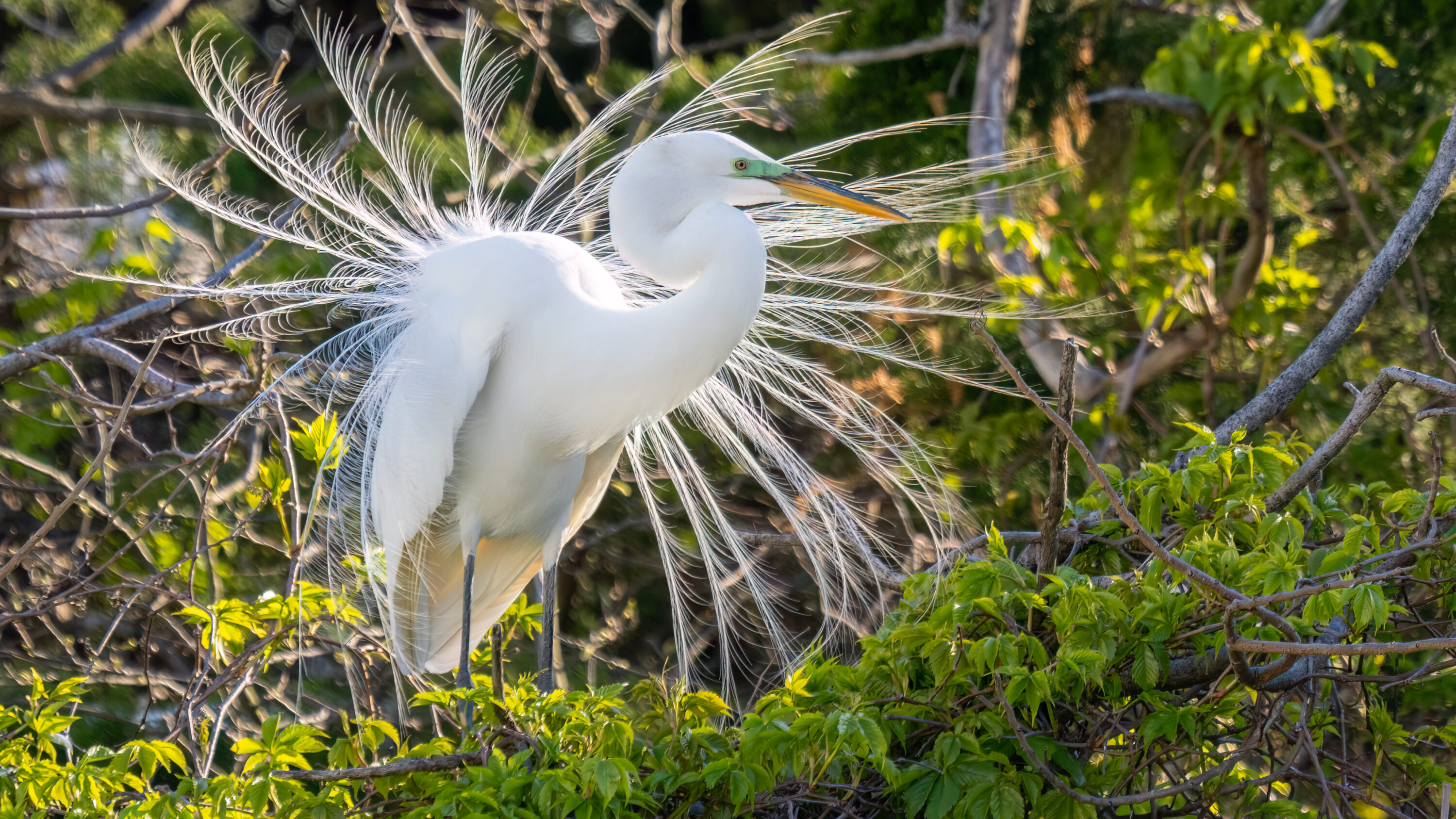
Great Egret Nesting Pairs Increased 96% While Black-crowned Night Herons Fell 55% in New York–New Jersey Harbor
A 22-year study found that great egret nesting pairs in New York–New Jersey Harbor increased 96% and snowy…
Read story →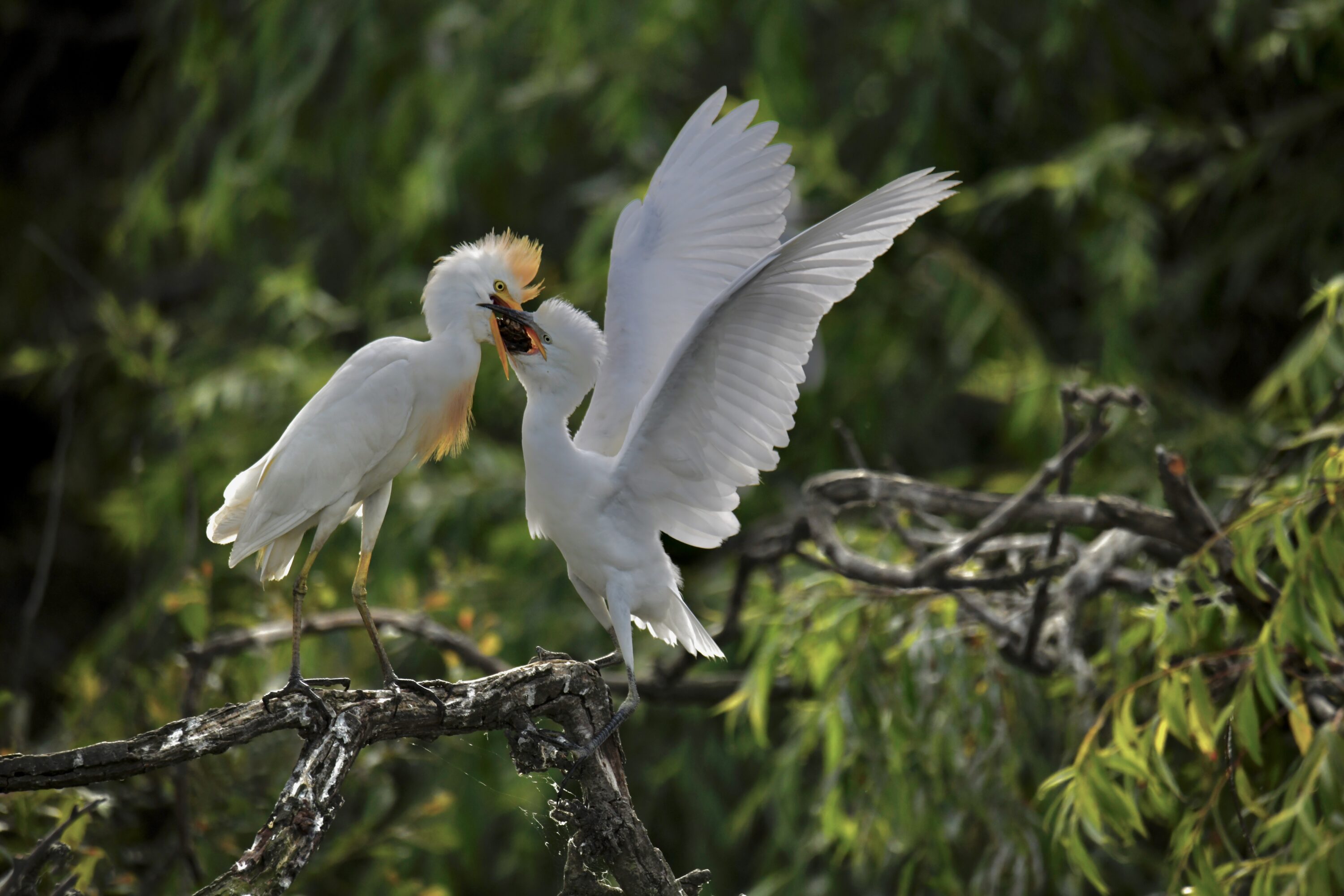
Anurans Were the Main Assimilated Food Source for Cattle Egret Chicks in Southern Brazil
Stable-isotope and food-remains analyses from a mixed heron colony in southern Brazil showed that western cattle egret chicks…
Read story →SPECIES IN THIS STORY
Species in this story
Independent research and conservation news archive
Did you find this information useful?
Wildlife Vagabond is independently built and maintained. Voluntary support helps cover source verification, hosting and continued work on research and conservation news.
Support Wildlife VagabondThe news archive will remain freely available.