
Anurans Were the Main Assimilated Food Source for Cattle Egret Chicks in Southern Brazil
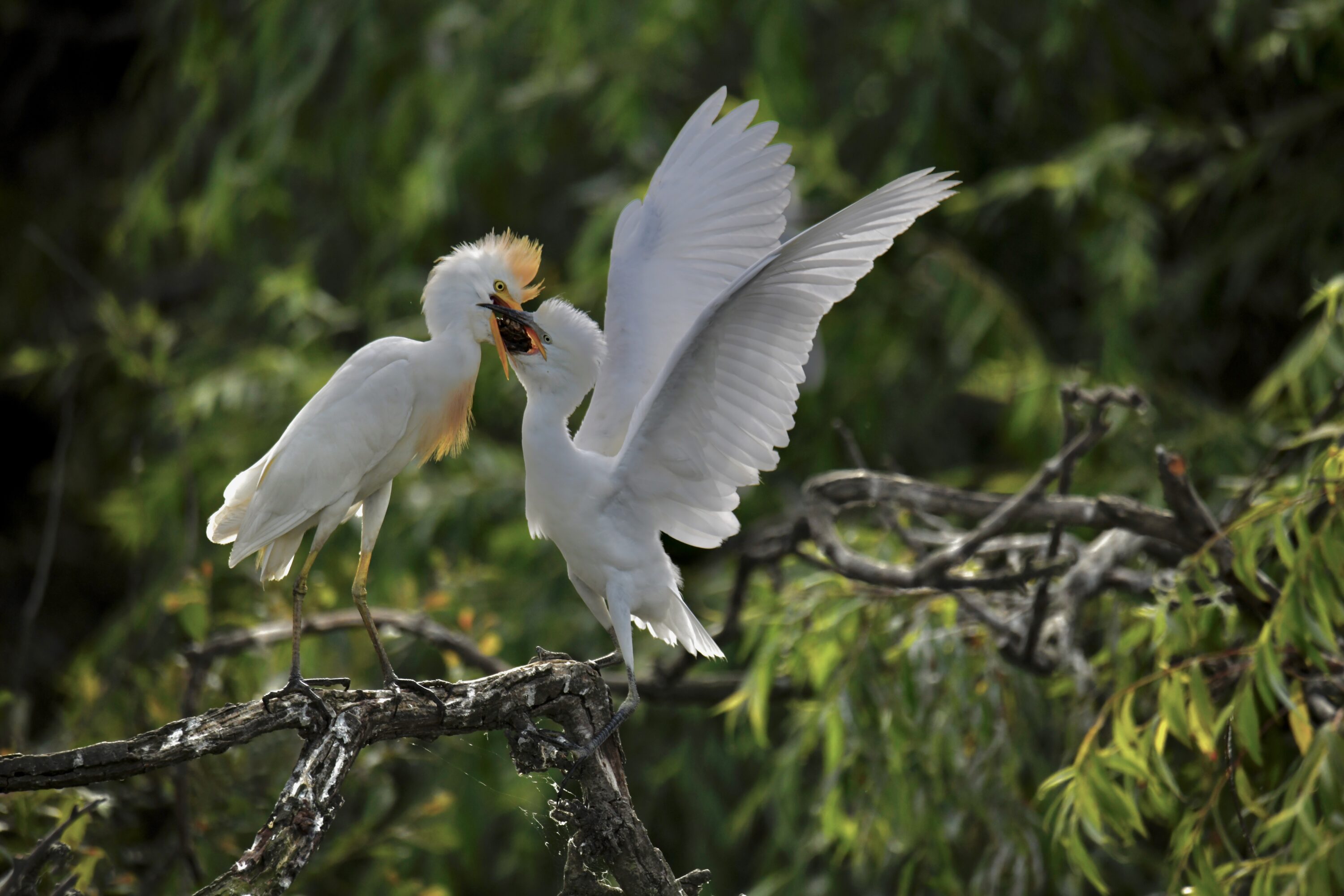
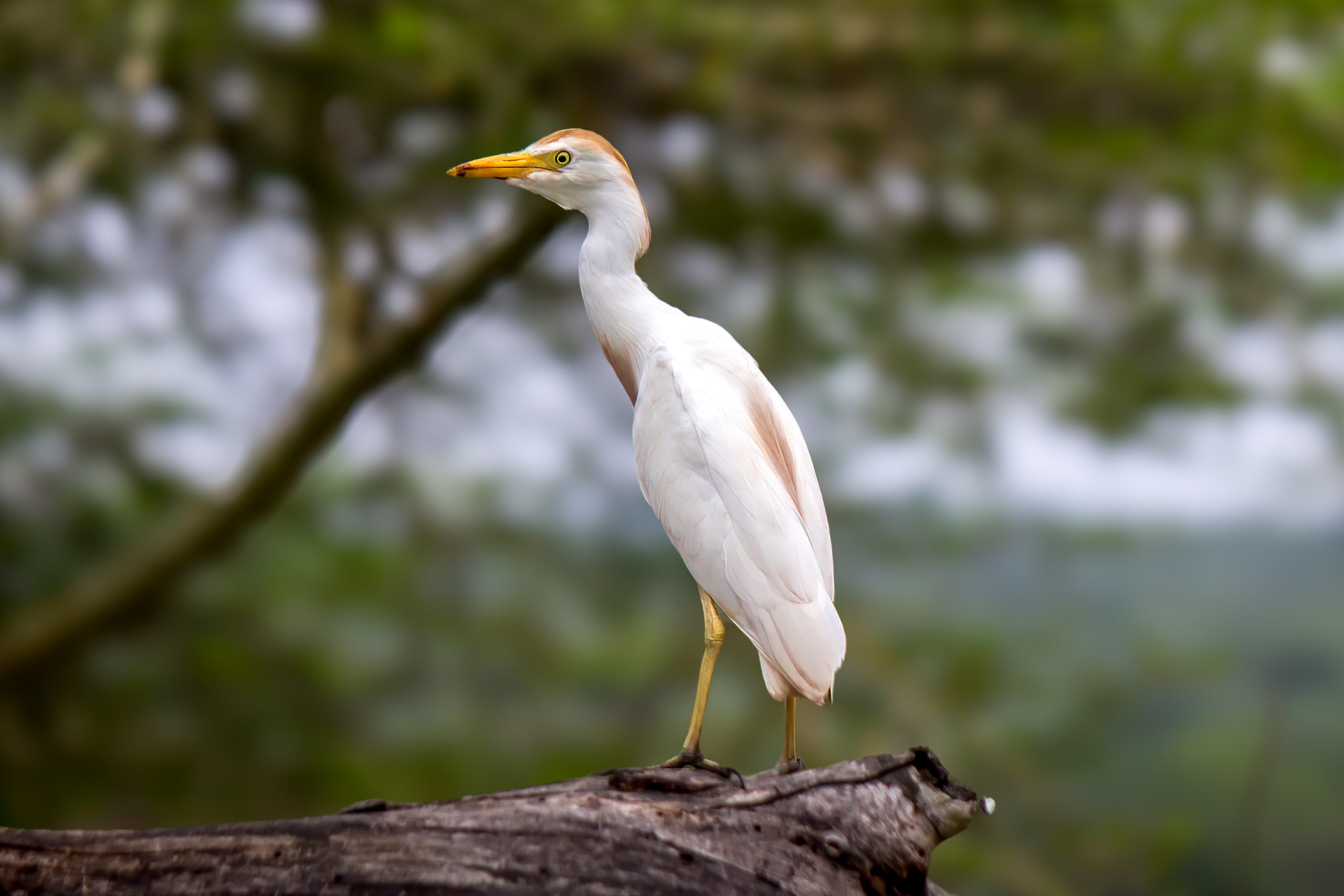
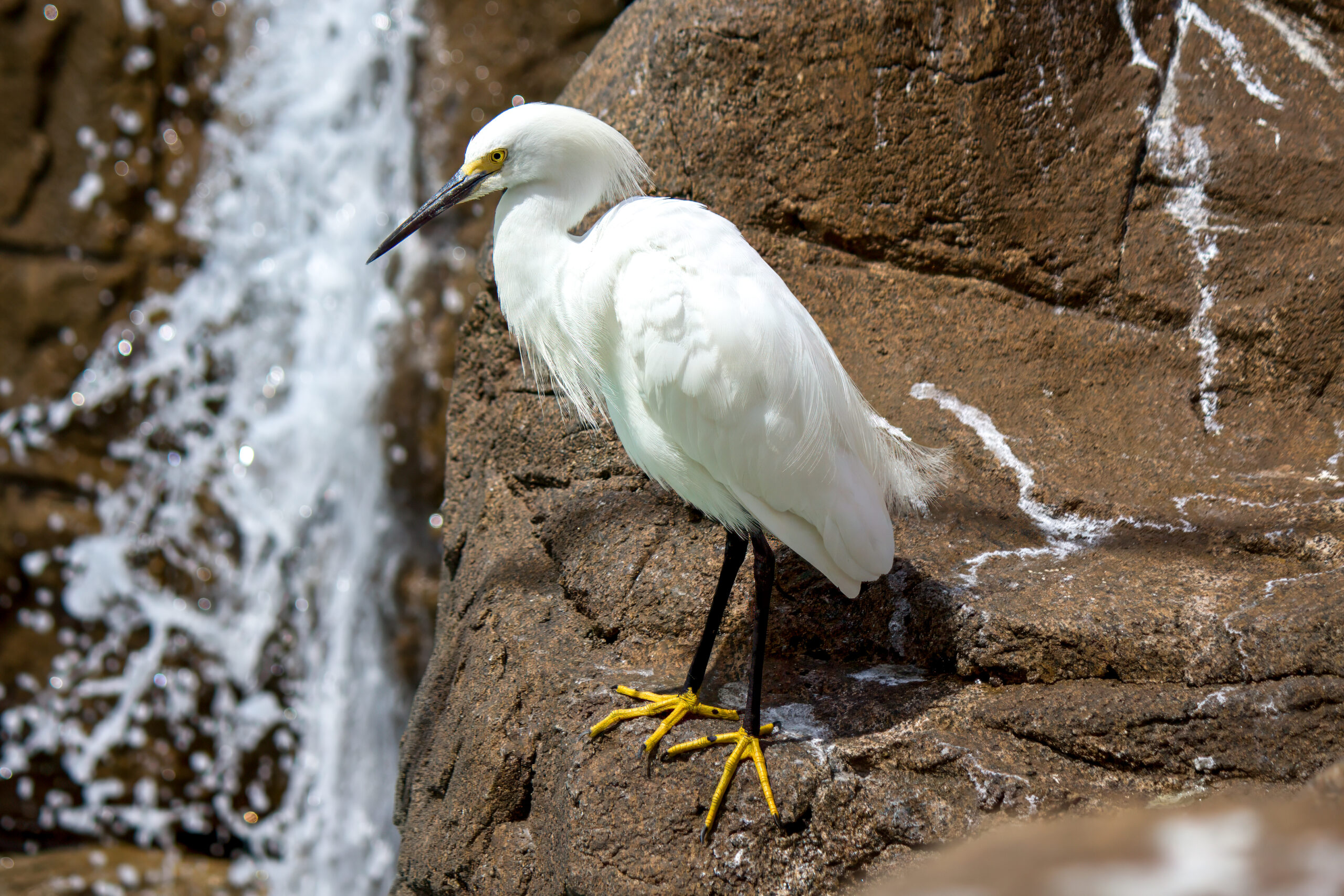
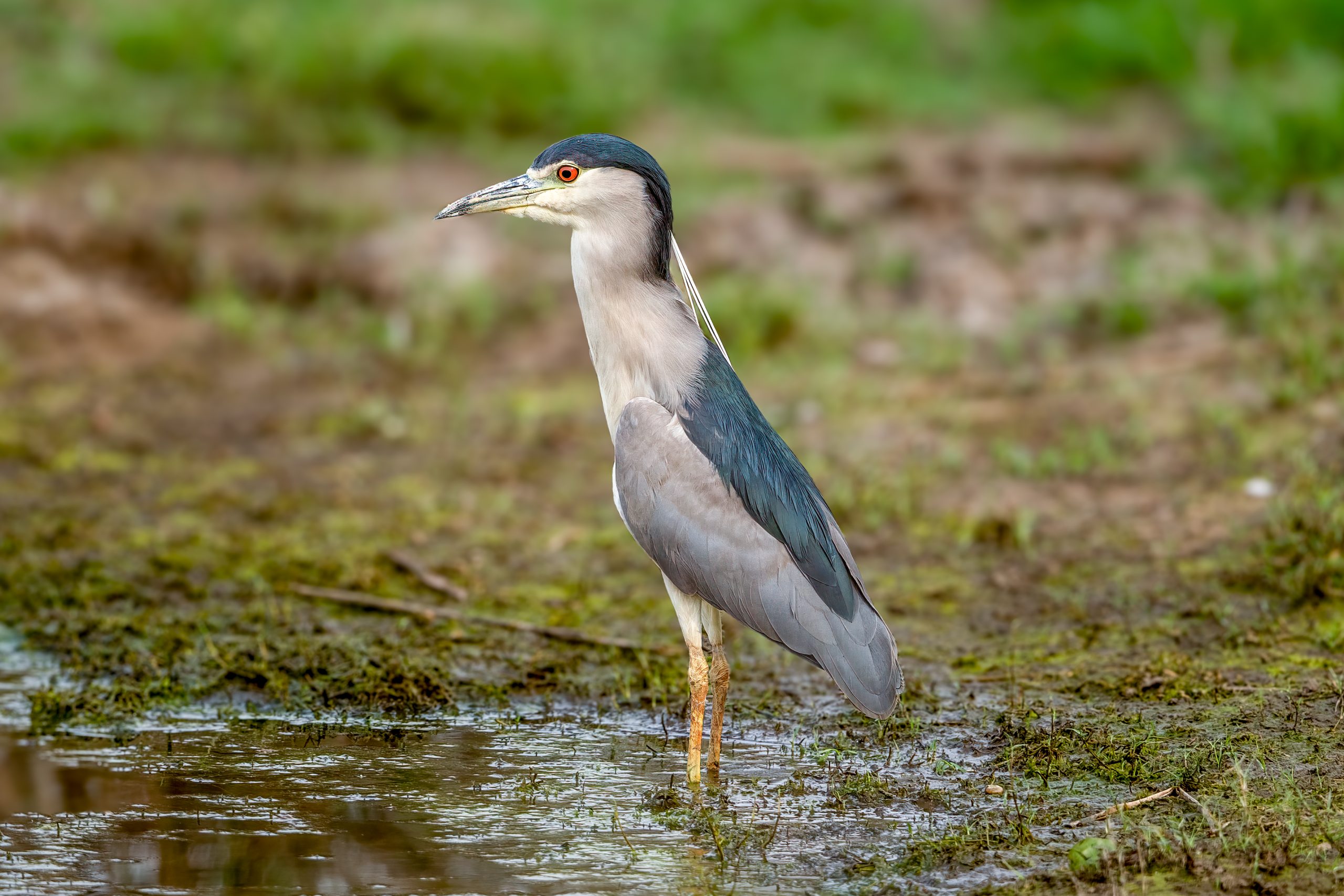
A study of a mixed heron colony in southern Brazil found that western cattle egret (Ardea ibis) chicks relied strongly on terrestrial food, with anurans — frogs and toads — emerging as their main assimilated food source. The study was published on 26 February 2026 in Hydrobiologia and compared western cattle egret with snowy egret (Egretta thula) and black-crowned night heron (Nycticorax nycticorax) breeding together in the Lagoa dos Patos estuary.
The researchers combined two complementary approaches. Food remains from regurgitates and pellets showed which prey had been eaten, while carbon and nitrogen stable isotopes in chick blood provided information about food sources that had been assimilated into the birds’ tissues over a longer period. Sampling took place in a breeding colony on Marinheiros Island in Rio Grande do Sul.
Anurans supplied 52.1% of reconstructed prey mass
Food remains from western cattle egrets contained mainly insects, spiders and anurans. Insects occurred in all analysed samples and were the most important prey group by a combined diet index. When prey were reconstructed by mass, however, anurans contributed 52.1% and insects 27.4% of the cattle egret diet.
Stable isotopes also identified anurans as the main assimilated food source
The stable-isotope models supported the importance of amphibian prey. Anurans were estimated to be the main assimilated food source for western cattle egret chicks, followed by terrestrial insects. Snowy egret food remains were dominated by aquatic prey, while the isotope model indicated substantial contributions from both anurans and aquatic insects. Black-crowned night herons had the broadest and most generalist isotopic niche and used food from several aquatic and terrestrial sources.
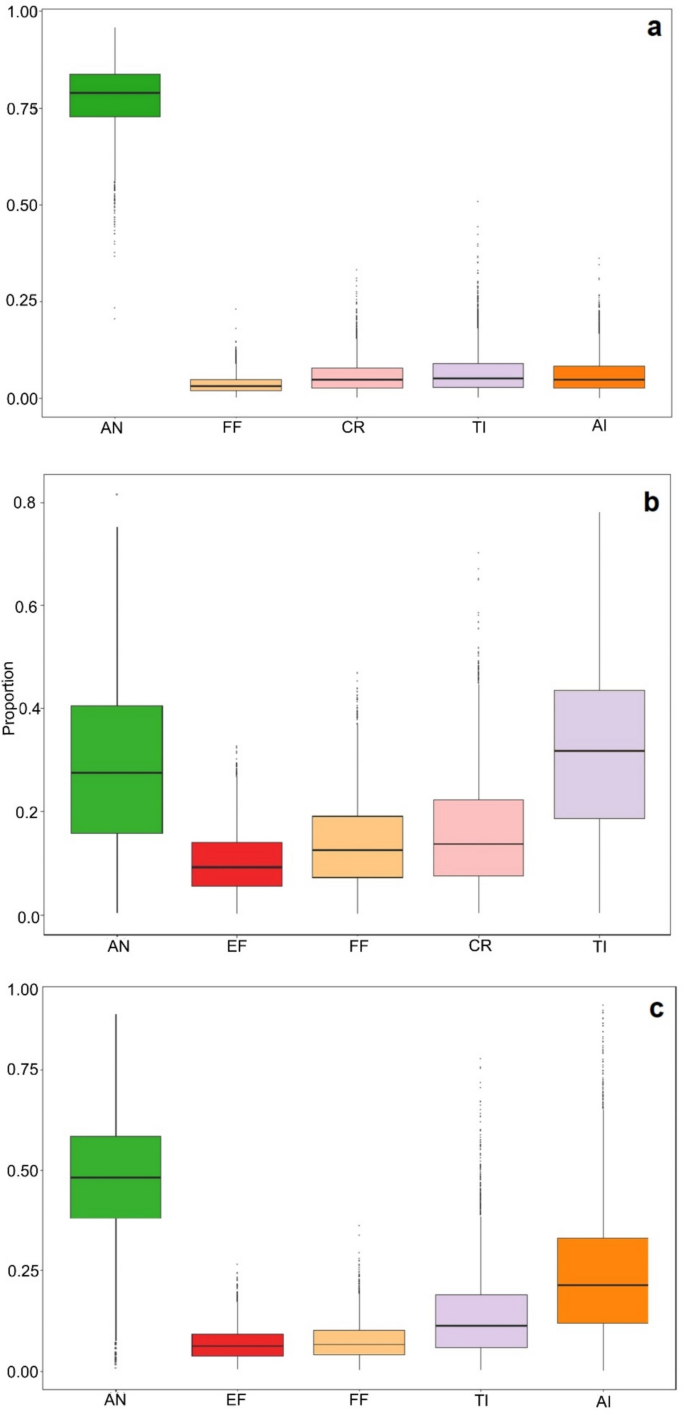
The three species still shared some resources. The isotopic niche of western cattle egret overlapped by 73.8% with that of black-crowned night heron, but by only 17% with snowy egret. The researchers therefore found both overlap and clear differences in how the three species used available food resources.
The authors conclude that the species can breed together in the same colony because they separate their ecological niches in at least one important dimension. Differences in prey, feeding habitat and time of foraging allow the birds to share some food resources without using the environment in exactly the same way.
Ecology
Related news
Great Egret Nesting Pairs Increased 96% While Black-crowned Night Herons Fell 55% in New York–New Jersey Harbor
A 22-year study found that great egret nesting pairs in New York–New Jersey Harbor increased 96% and snowy…
Read story →
Western Cattle Egrets Accounted for 99% of Occupied Nests in Ondangwa in 2020 as Other Species Declined
At the long-established Ondangwa heronry in north-central Namibia, estimated western cattle egret nests rose from about 2,500 in…
Read story →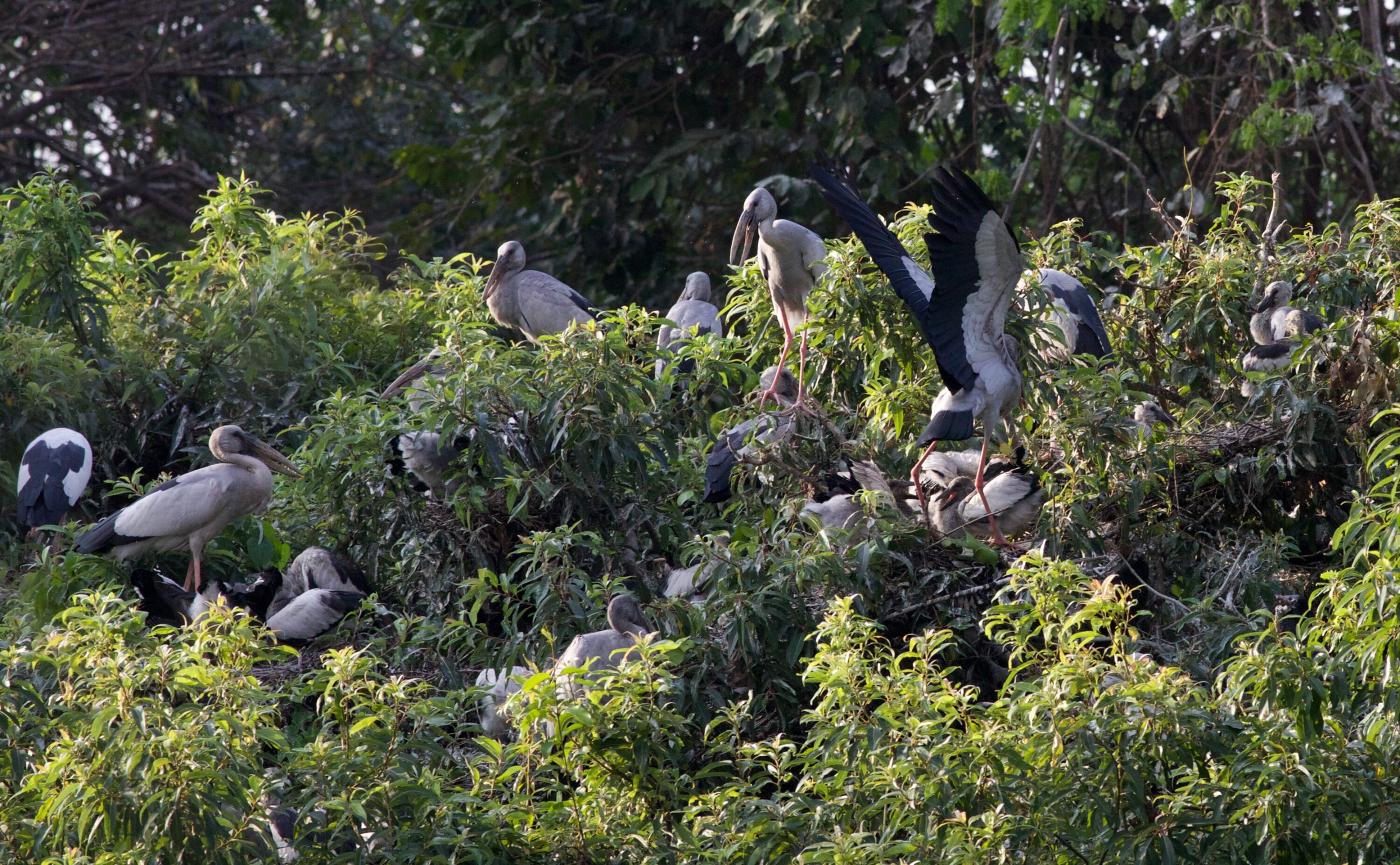
Waterbird Nest Counts Nearly Halved at an Indian Wetland, but Bird Numbers Showed No Clear Decline
At Vettangudi Bird Sanctuary in India, recorded waterbird nests fell from 396 to 190 across eight sampled breeding…
Read story →SPECIES IN THIS STORY
Species in this story
Independent research and conservation news archive
Did you find this information useful?
Wildlife Vagabond is independently built and maintained. Voluntary support helps cover source verification, hosting and continued work on research and conservation news.
Support Wildlife VagabondThe news archive will remain freely available.