
Combining Sound Recorders and Camera Traps Increased Feral Pig Detection
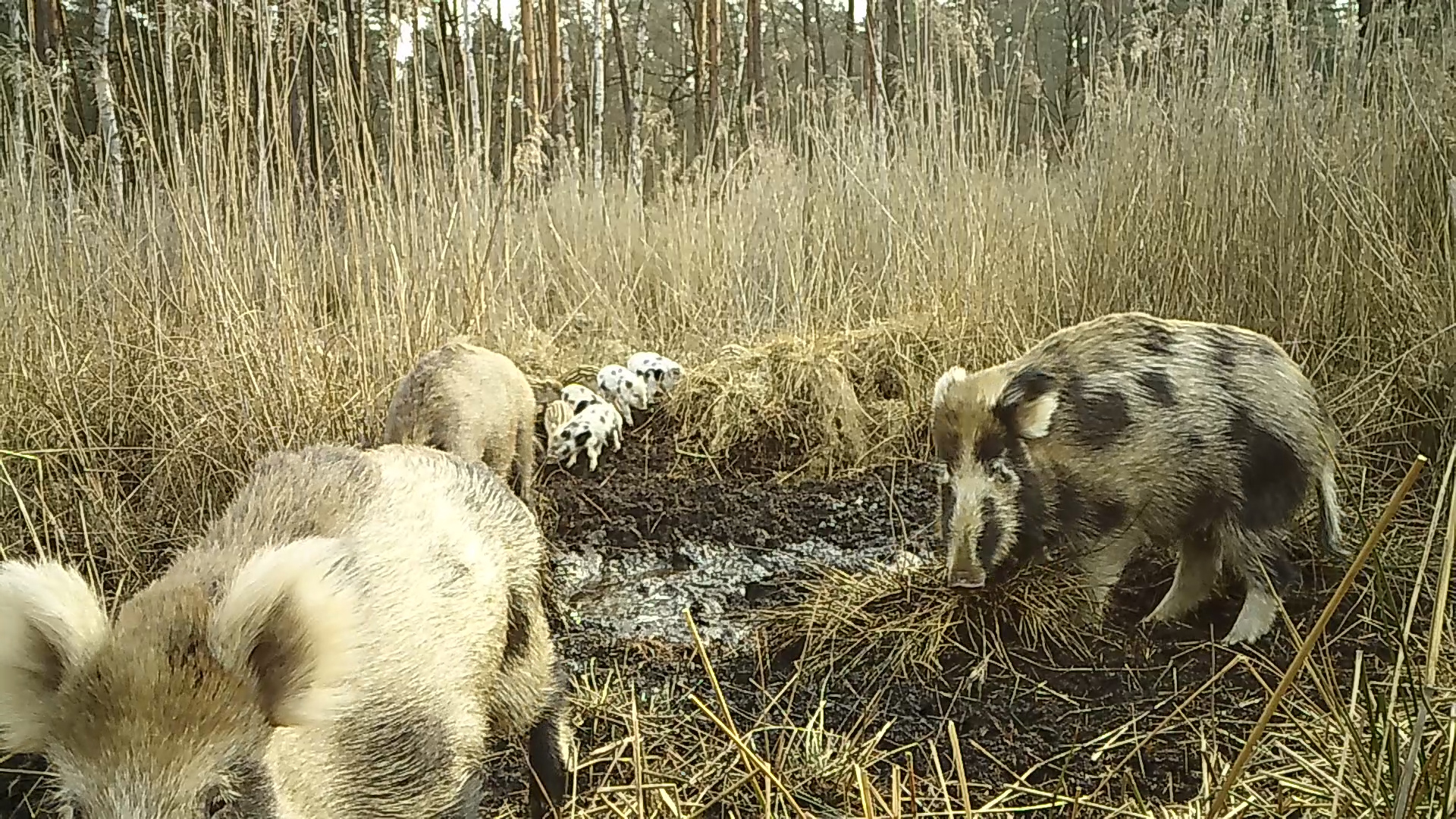
A year-long monitoring study in northern Australia found that passive acoustic recorders and camera traps detected feral pigs (Sus scrofa) at different times and under different conditions. Because there was little overlap between sound and image detections, combining the two methods produced the highest modelled detection probability in every season.
The researchers trained a custom BirdNET recogniser to identify pig sounds automatically and compared those detections with manually reviewed camera-trap images. No recogniser version was simultaneously strong at finding pig vocalisations and avoiding false detections, so the authors note that the acoustic recogniser still needs improvement for uses such as real-time alerts. Detection nevertheless varied clearly through the annual cycle. Acoustic monitoring outperformed cameras in most seasons, including the Late Dry. Camera traps performed better in the Late Wet.
Weather affected sound and camera detections differently
Temperature and rainfall also affected the two methods differently. Higher temperatures increased the modelled detection probability for cameras, while acoustic detection probability was highest at intermediate temperatures. Moderate weekly rainfall was associated with a higher modelled detection probability in image data but a lower one in sound data. Combining the two data streams reduced the weakness of relying on either method alone.
Sound and cameras provided complementary information
The study shows that the detectability of feral pigs changes with season and environmental conditions, and that autonomous sound and image sensors provide complementary information rather than interchangeable records. The authors conclude that multi-sensor monitoring can improve information available for invasive-pig management, while the most useful sensor combination will depend on local conditions.
Other research
Related news
Maps Show Where Wild Boar Could Thrive and Spread on Jeju Island
Researchers mapped potentially suitable wild-boar habitat across roughly 36% of Jeju Island and identified eight possible corridors linking…
Read story →
Roe Deer and Wild Boar Remained Key Wolf Prey as Diet Shifted Across North-western Italy
From 2021 to 2025, wolves in north-western Italy continued to feed mainly on wild prey. In the Po…
Read story →
Copper levels in wild boar differed across Slovak districts
An analysis of kidney, liver and muscle from 147 wild boar in four districts found that iron and…
Read story →SPECIES IN THIS STORY
Species in this story
Independent research and conservation news archive
Did you find this information useful?
Wildlife Vagabond is independently built and maintained. Voluntary support helps cover source verification, hosting and continued work on research and conservation news.
Support Wildlife VagabondThe news archive will remain freely available.