
Urine and Scat Chemical Profiles Distinguished Tiger From Leopard With 79% and 75% Cross-validated Accuracy
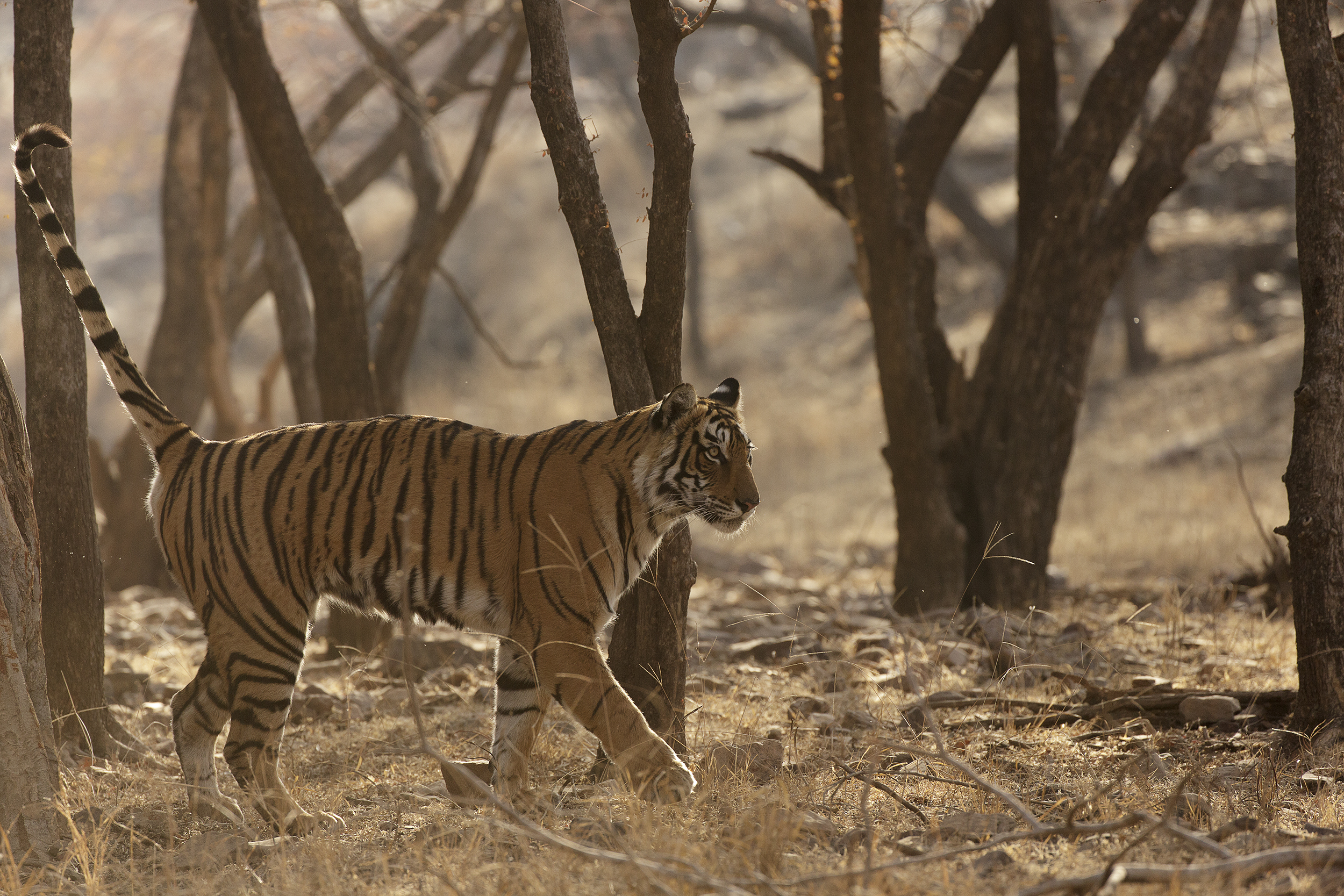
Volatile chemicals released from tiger and leopard urine and scat contained enough information for machine-learning models to distinguish the two species and, more tentatively, to identify some differences linked to age, sex and reproductive state. Volatile compounds are molecules that evaporate into the air and contribute to an animal’s odour, making them possible non-invasive sources of biological information.
Chemical profiles distinguished tiger from leopard in cross-validation
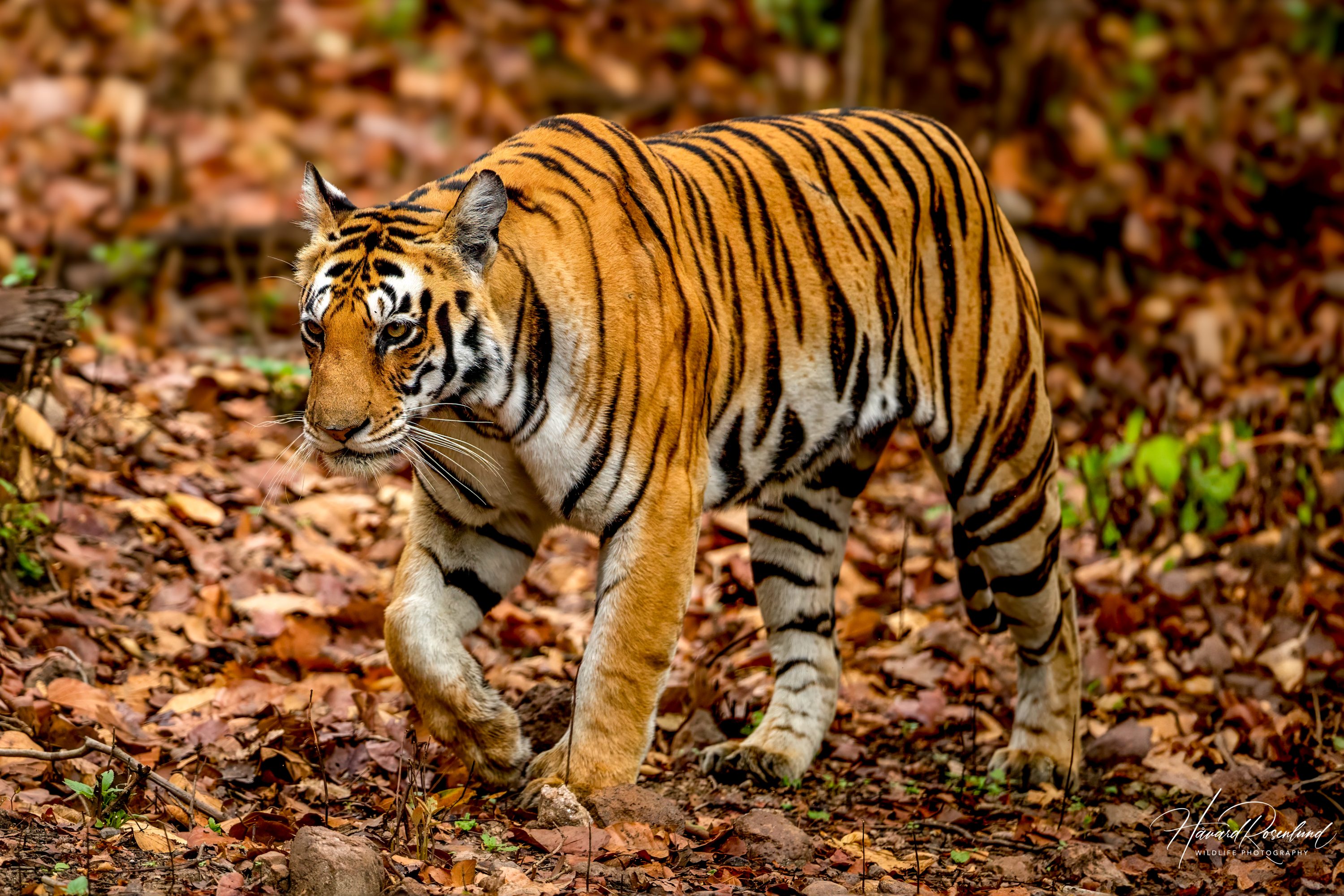
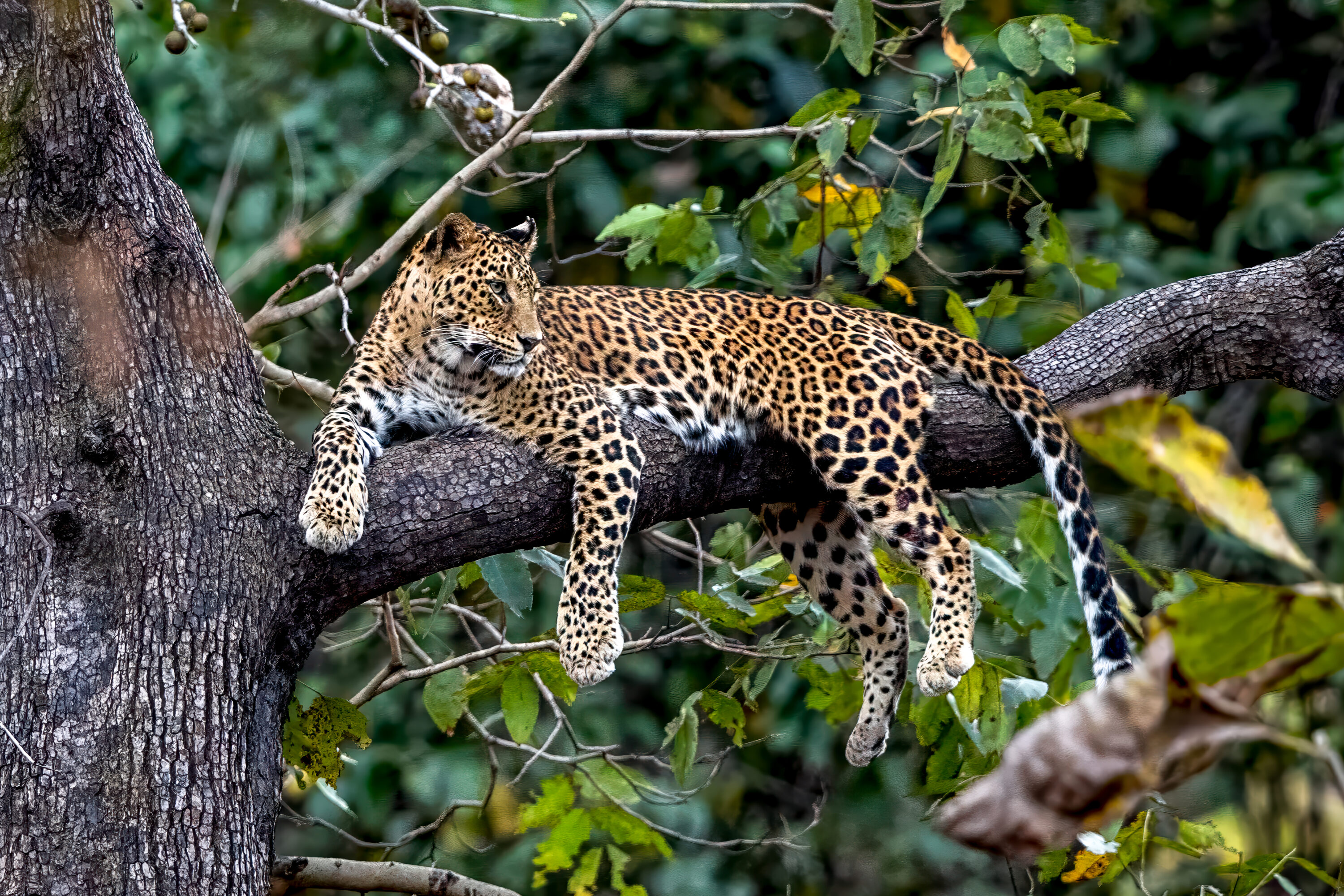
The researchers sampled Bengal tigers (Panthera tigris tigris) and Indian leopards (Panthera pardus fusca) in captivity, where age and sex were known. They also collected 144 urine samples from 28 individually identified wild tigers whose age, sex and reproductive status were known. Identified wild leopard samples and identified wild tiger scat were not available.
A field sampling material was exposed to the air immediately above urine or scat, where it trapped volatile molecules without needing to collect the animal itself. The compounds were then released by heat and analysed with gas chromatography–mass spectrometry (TD-GC–MS), which separates the mixture into individual chemical signals and helps identify them.
Random Forest models were trained to classify the resulting chemical profiles. Using five-fold cross-validation — repeatedly training the model on four-fifths of the data and testing it on the remaining fifth — species classification reached about 79% accuracy from urine and 75% from scat. These values show how well selected volatile profiles separated tiger and leopard within this dataset; they are not yet an independent field-validation test on entirely new populations.
Scat profiles were more consistent across age and sex groups
The profiles also contained information associated with age and sex, although classification was less consistent than the species result. Urine performed better for females and younger animals than for males and older animals, while scat volatiles were more consistent across demographic groups. This suggests that different excretions may be useful for different monitoring questions rather than one sample type being best for everything.
The study also identified candidate compounds associated with reproductive state in female tigers. These results were based on limited numbers of pregnant, lactating and non-reproductive animals and were not validated as diagnostic markers. A possible epilepsy-related signal was even more preliminary: it came from one captive tiger being treated for epileptic seizures, so the authors did not calculate classification accuracy for health status.
The work provides the first chemical characterisation of tiger and leopard scat and, according to the authors, the first direct collection of odours from identified wild tigers. The method could complement camera traps and genetic monitoring by adding chemical information about animals that leave urine or scat in the landscape, but larger independent datasets are still needed before the classification performance can be treated as an established monitoring tool.
Organic chemistry
Related news
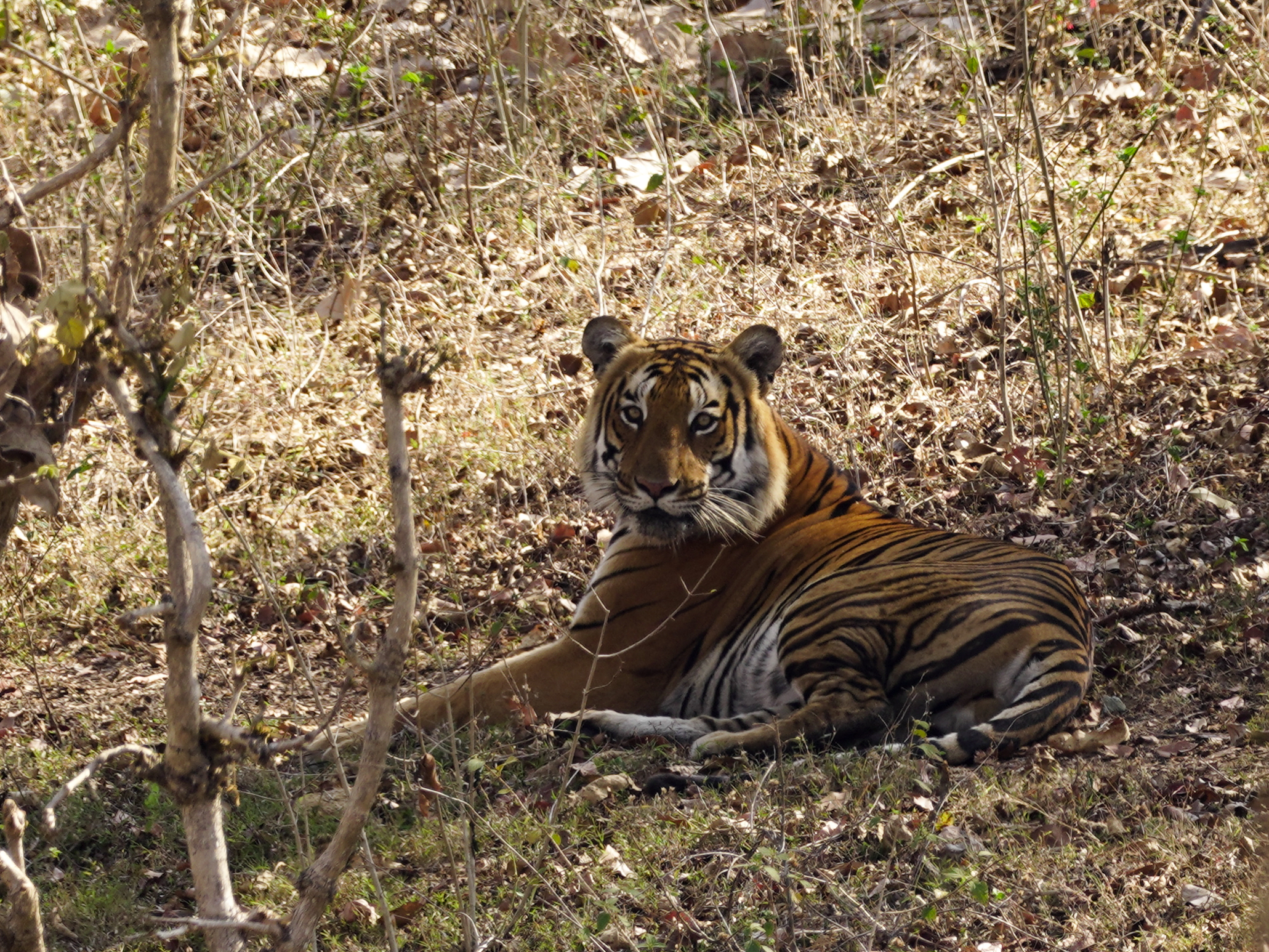
Key Movement Bottlenecks for Five Large Mammals Lay Outside Protected Areas in Tamil Nadu
A 2026 study of tiger, leopard, dhole, Asian elephant and gaur identified modelled movement bottlenecks outside protected areas,…
Read story →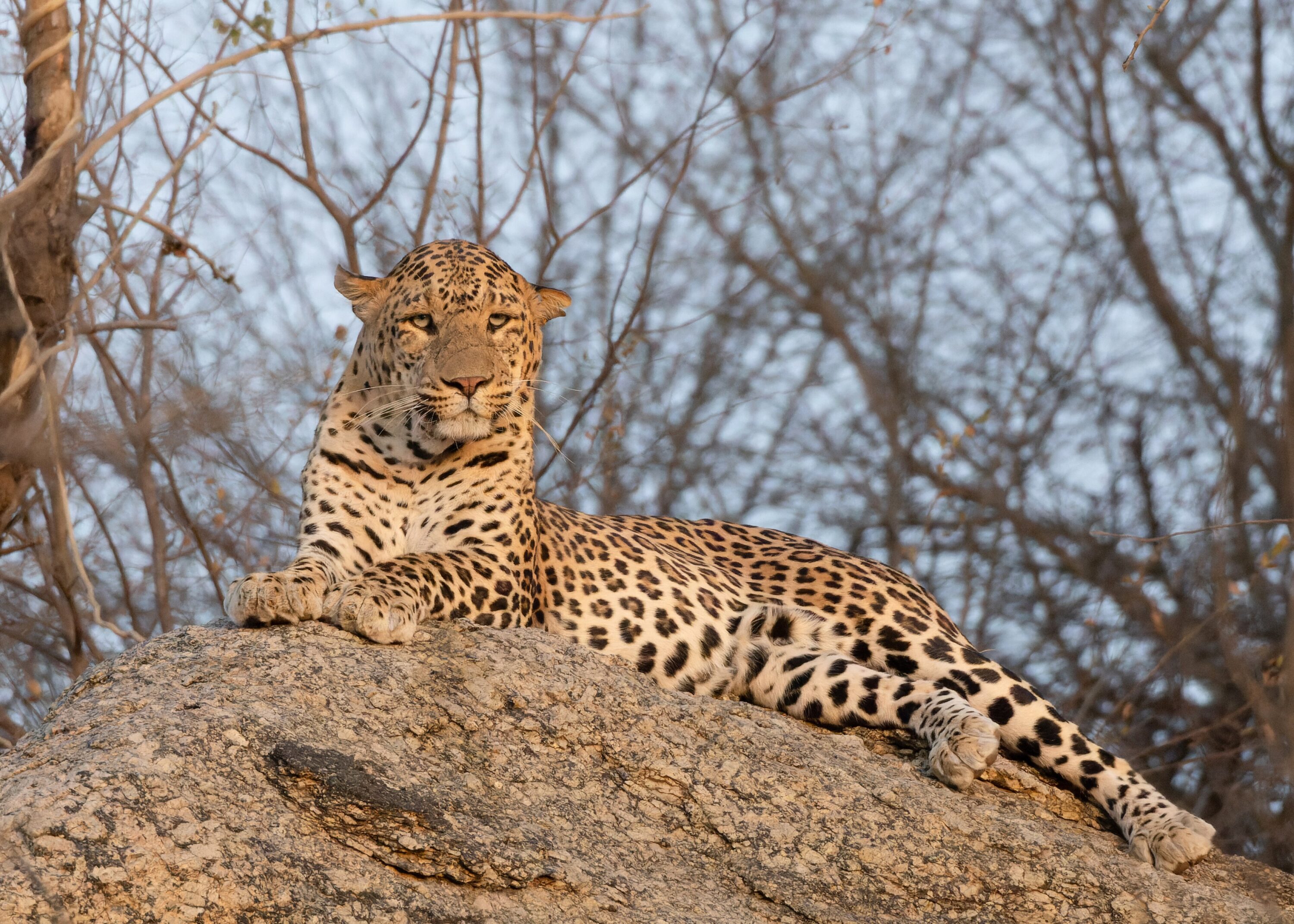
Habitat and Prey Were More Strongly Linked to Leopard Persistence Than Tiger Suppression in Bhutan
Bhutan's first nationwide leopard-density analysis estimated 1.02 leopards per 100 km², while repeated surveys showed that habitat and…
Read story →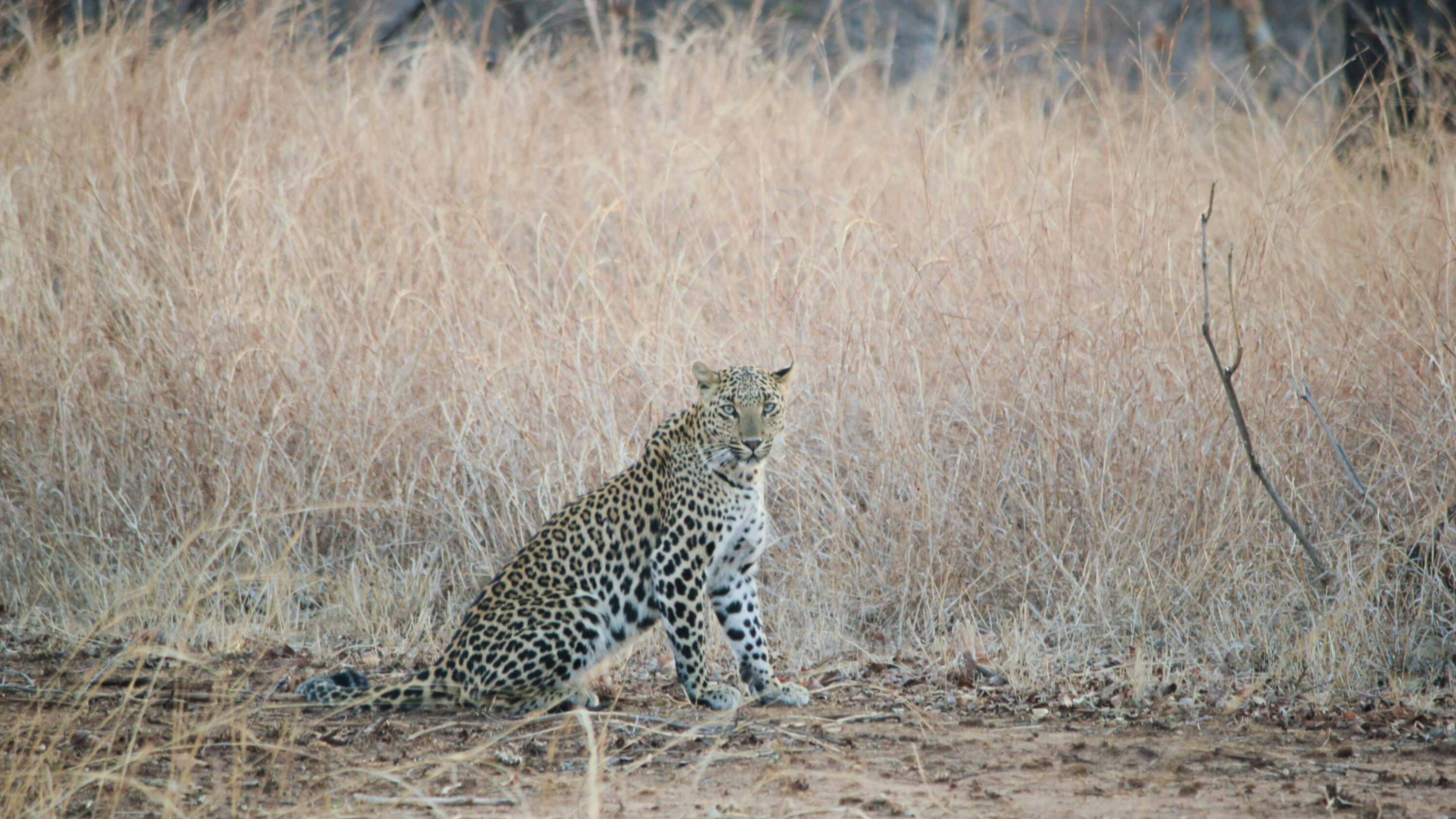
Settlement Proximity Was the Strongest Model Predictor of Tiger and Leopard Livestock Depredation in Panna
A spatial study around Panna Tiger Reserve found settlement distance was the strongest MaxEnt predictor for both tiger…
Read story →SPECIES IN THIS STORY
Species in this story
Independent research and conservation news archive
Did you find this information useful?
Wildlife Vagabond is independently built and maintained. Voluntary support helps cover source verification, hosting and continued work on research and conservation news.
Support Wildlife VagabondThe news archive will remain freely available.