
Trichinella Infected 60% of Golden Jackals and 79% of Red Foxes in Western Romania
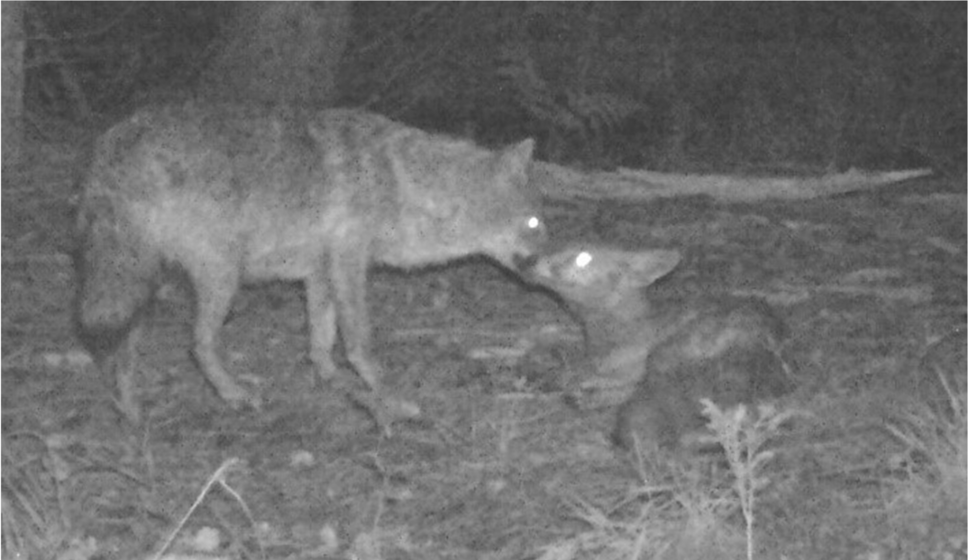
Trichinella larvae were detected in 60.4% of sampled golden jackals (Canis aureus) and 78.9% of red foxes (Vulpes vulpes) in western Romania, according to a study published on 8 April 2026. The researchers examined 134 wild canids collected between August 2025 and January 2026 and also measured antibodies that neutralise rabies virus.
Trichinella are zoonotic parasitic nematodes whose larvae persist in muscle tissue. Wild carnivores can help maintain the parasites in the sylvatic cycle, so high prevalence in jackals and foxes indicates substantial circulation in the wildlife community rather than merely isolated infections.
The sample consisted of 96 golden jackals and 38 red foxes taken legally under Romania’s annual hunting quotas. Muscle tissue was tested for Trichinella larvae, while blood serum was used to measure rabies virus-neutralising antibodies. The study treated 0.5 IU/mL as the threshold for a protective antibody response.
Trichinella was common in both species
Trichinella was found in 58 of 96 golden jackals and 30 of 38 red foxes. The resulting prevalence estimates were 60.4% and 78.9%, respectively, showing a higher infection prevalence in red foxes than in golden jackals.
Among golden jackals, infection prevalence also differed among the biological categories examined. It was highest in adult males at 72.7%, compared with 48.1% in juveniles and 35.7% in adult females. The researchers nevertheless found broadly similar larval burdens between infected jackals and foxes.
More than half were below the rabies-antibody threshold
Rabies serology showed substantial variation within both species. Among golden jackals, 47.9% had antibody levels at or above 0.5 IU/mL, while 49.0% were below that threshold and another 3.1% had undetectable levels. In red foxes, 42.1% were at or above the threshold, 55.3% were below it and 2.6% had undetectable levels.
The antibody test measures an immune response to rabies virus; it is not a test for active rabies infection. The authors interpret the large share of animals below the protective threshold as evidence of uneven population immunity and possible gaps in wildlife rabies control. The overall distribution across the antibody categories did not differ clearly between jackals and foxes.
Both Trichinella and rabies remain relevant zoonotic diseases in Romania, and the expanding golden jackal increasingly shares landscapes with red foxes, domestic animals and people. The authors argue that disease surveillance should therefore include golden jackals alongside the better-established red fox monitoring.
Disease, parasites & microbiology
Related news
Similar Mammal Diversity, Different Activity Patterns in Grazed and Ungrazed Areas
Camera traps in four northern Israeli reserves found similar numbers of mammal species with and without livestock grazing.…
Read story →
Bartonella Was Detected in 24.9% of Golden Jackals Sampled Across Israel
A survey of 454 golden jackals across Israel detected Bartonella DNA in 113 animals, while four Bartonella species…
Read story →
Common Voles and European Wood Mice Contacted Fox and Jackal Scat Most Often in Autumn and Winter
Camera traps in Hungary recorded six rodent taxa around red fox and golden jackal scat, with common voles…
Read story →SPECIES IN THIS STORY
Species in this story

Independent research and conservation news archive
Did you find this information useful?
Wildlife Vagabond is independently built and maintained. Voluntary support helps cover source verification, hosting and continued work on research and conservation news.
Support Wildlife VagabondThe news archive will remain freely available.