
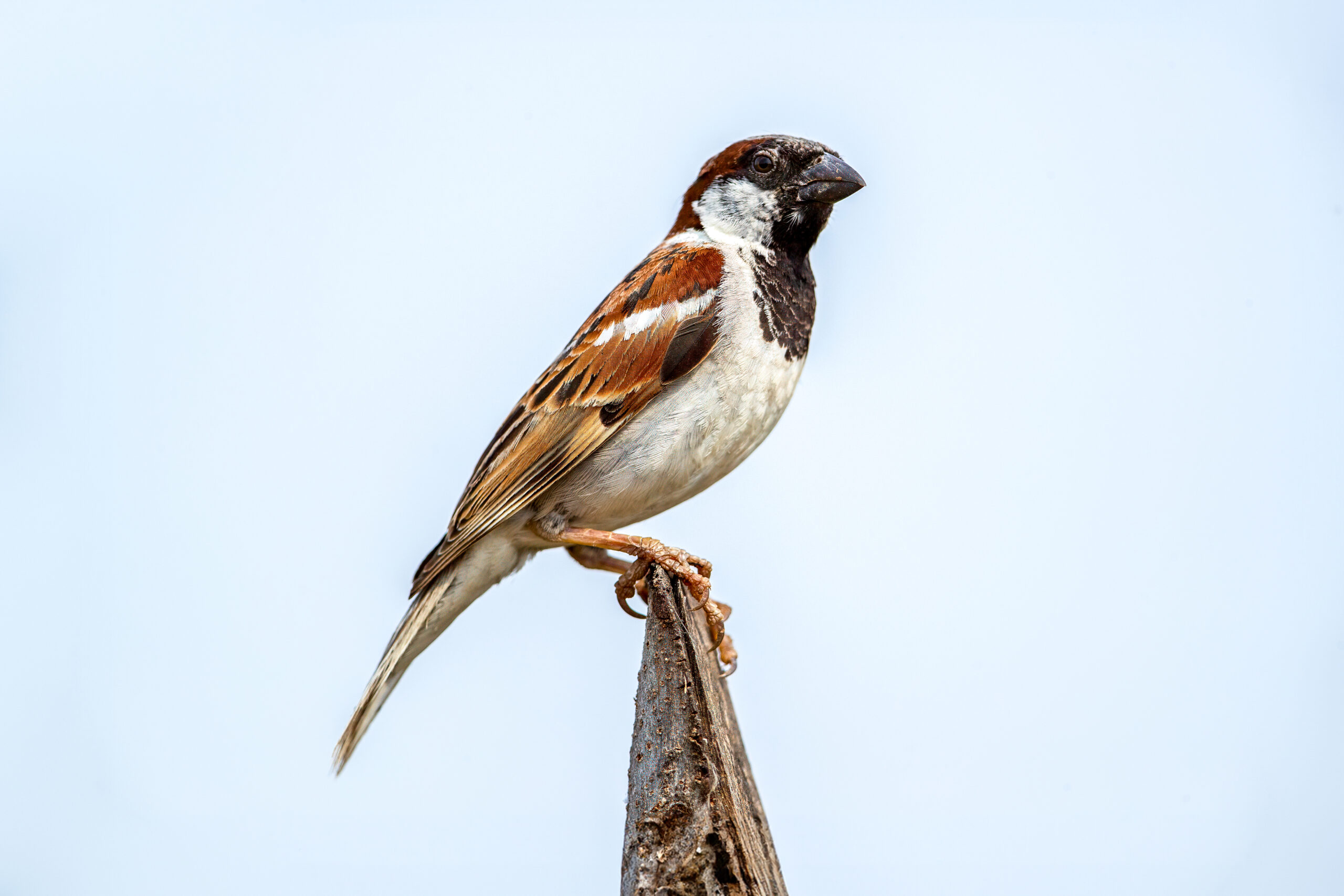
Urban house sparrow survival declined during four-year Spanish study
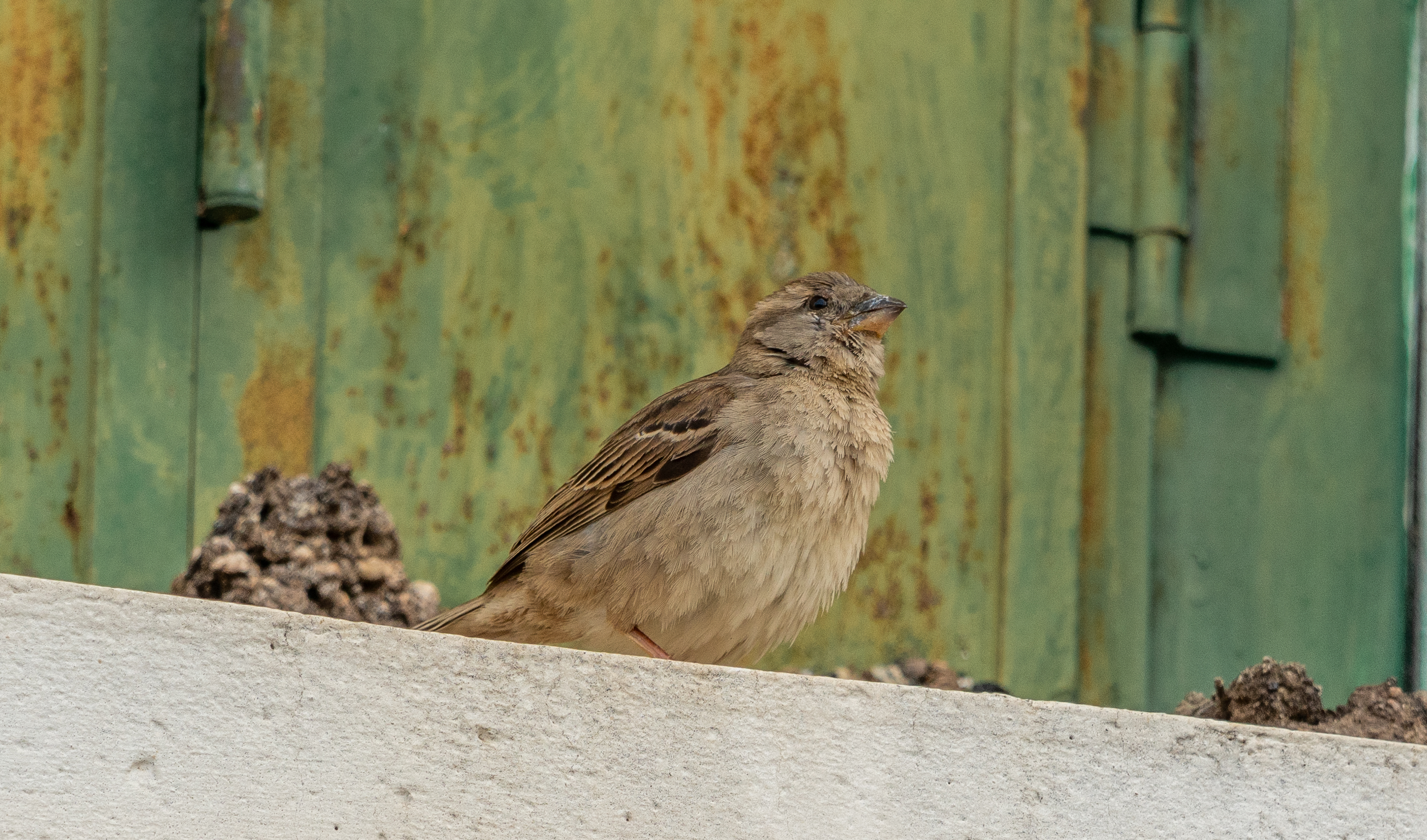
Annual apparent survival declined from 2017 to 2020 in an urban population of house sparrows (Passer domesticus) in Alcoy, eastern Spain. Adult females had lower estimates than adult males, while juveniles had the lowest annual apparent survival of the three groups.
Researchers colour-marked 198 sparrows and later resighted or recaptured 147 of them, or 74.2%. They used Cormack–Jolly–Seber capture–recapture models, which estimate both the probability that an animal remains alive and available in the study population and the probability that it is detected again. The result is called apparent survival because a bird that permanently leaves the study area cannot be distinguished from one that dies.
Females and juveniles had lower annual estimates
The average annual apparent-survival estimate was about 48% for adult males and 35% for adult females. Juveniles were lowest at about 28%. In practical terms, these values describe the estimated probability of a marked bird remaining alive and within the monitored population from one year to the next.
The juvenile value requires particular caution because young birds disperse more than adults. Permanent movement away from the local study area can therefore make local apparent survival look lower even when the bird survives elsewhere. Most resightings in this study were nevertheless close to the capture area, with 89.6% within 200 metres and none beyond 550 metres.
Summer was the seasonal low point
When the researchers divided the year into biologically meaningful quarters, adult apparent survival was lowest in summer, from May to July, at the end of the breeding season. Quarterly survival was around 15–20% lower in summer than in autumn or winter, remained below 80% in all three summers and fell to about 65% in the final study year.
Seasonal estimates were also slightly lower for females. The authors discuss the energetic and physiological demands of repeated breeding as one possible explanation, but the monitoring data did not identify a single cause. The study therefore shows when survival was lowest, not why individual birds disappeared.
European estimates have also declined over time
The paper also reviewed previously published annual survival estimates from European house sparrow populations. Across the available studies, both adult and first-year survival estimates declined over time. Local studies generally produced lower estimates than country-scale monitoring, especially for first-year birds.
The authors note that study scale matters: local studies are more affected by permanent emigration and by short periods of unusually poor conditions, whereas national monitoring averages across larger areas and longer periods. The marked decline recorded in Alcoy between 2017 and 2020 should therefore not be treated as a simple measure of a long-term trend across Spain.
Reduced survival may nevertheless be one part of continuing house sparrow declines. The authors argue that geographically representative survival estimates should be combined with updated measures of annual reproductive output to understand population trajectories under present-day urban conditions.
Ecology
Related news
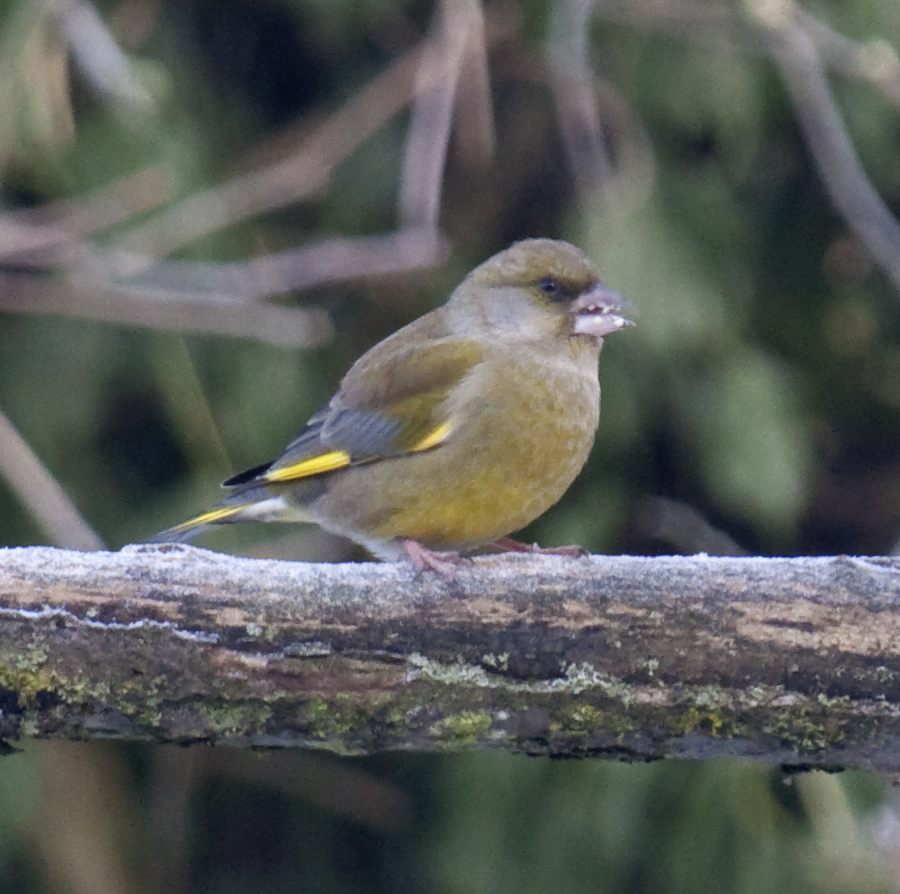
Type A Trichomonas Was More Than Twice as Prevalent in British Birds at Supplementary-fed Sites
Type A of the bird parasite Trichomonas gallinae was more than twice as prevalent in British birds at…
Read story →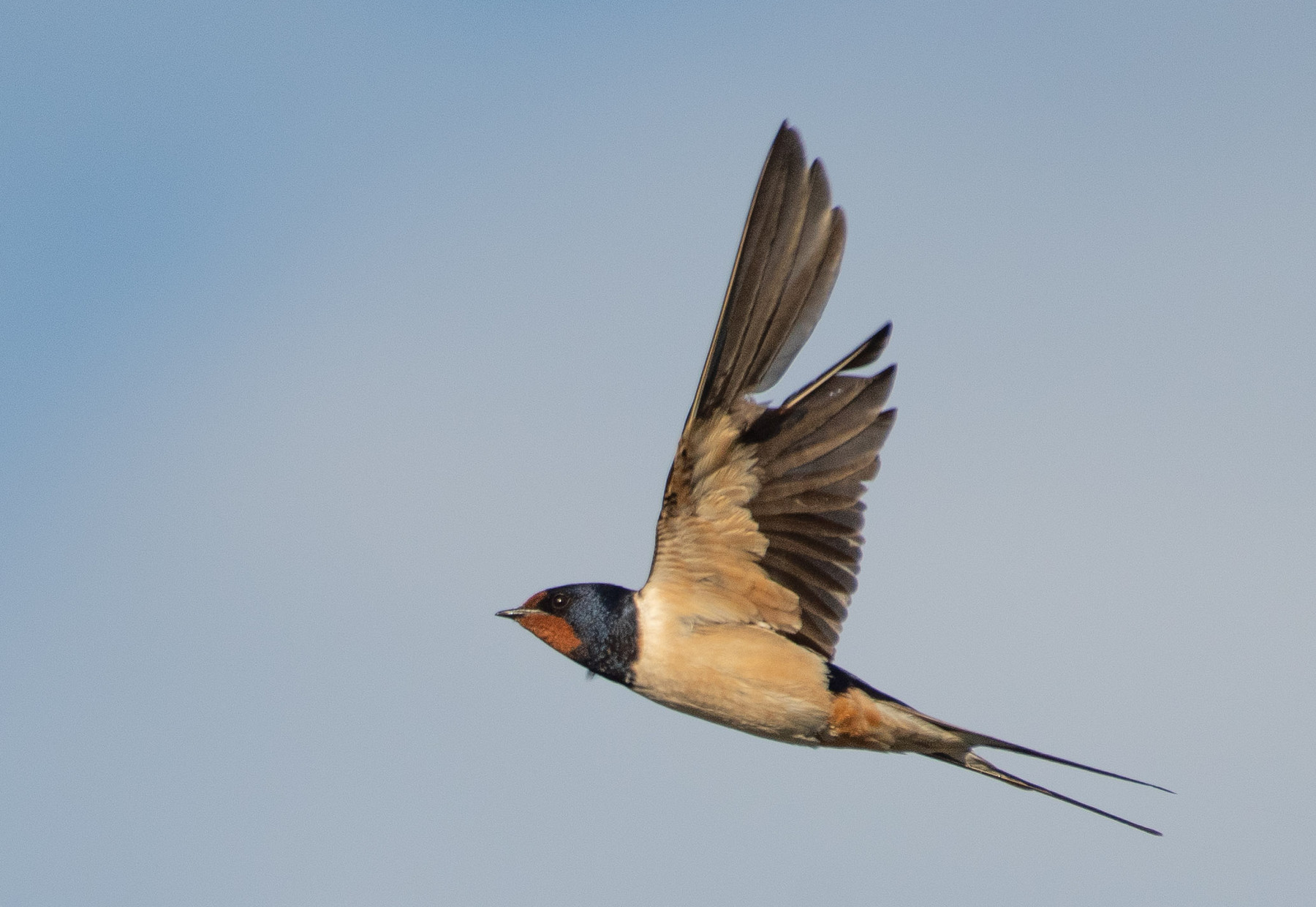
Usutu Virus RNA Was Found Nearly Three Times as Often as West Nile Virus RNA in Southern France
Among 2,533 wild birds from 69 species in southern France, Usutu virus RNA was detected in 12.0% and…
Read story →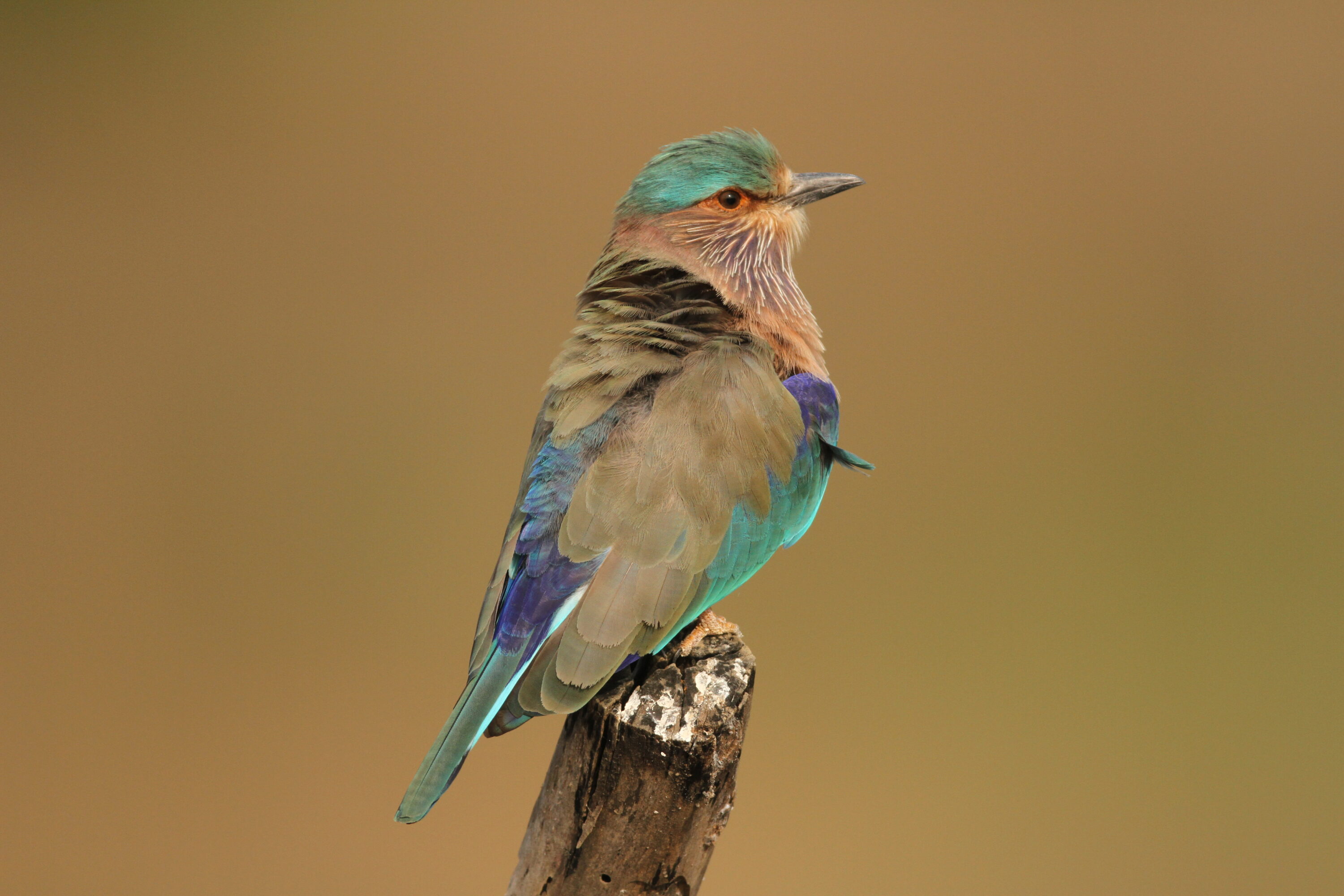
Six Cavity-Nesting Bird Species Bred Successfully in Artificial Nests in Punjab
Punjab Agricultural University reported successful breeding in artificial nests by six cavity-nesting species, including Indian roller, spotted owlet…
Read story →SPECIES IN THIS STORY
Species in this story
Independent research and conservation news archive
Did you find this information useful?
Wildlife Vagabond is independently built and maintained. Voluntary support helps cover source verification, hosting and continued work on research and conservation news.
Support Wildlife VagabondThe news archive will remain freely available.