
Waterbuck Used Urban Corridors More Often but Overlapped Less With People in Botswana
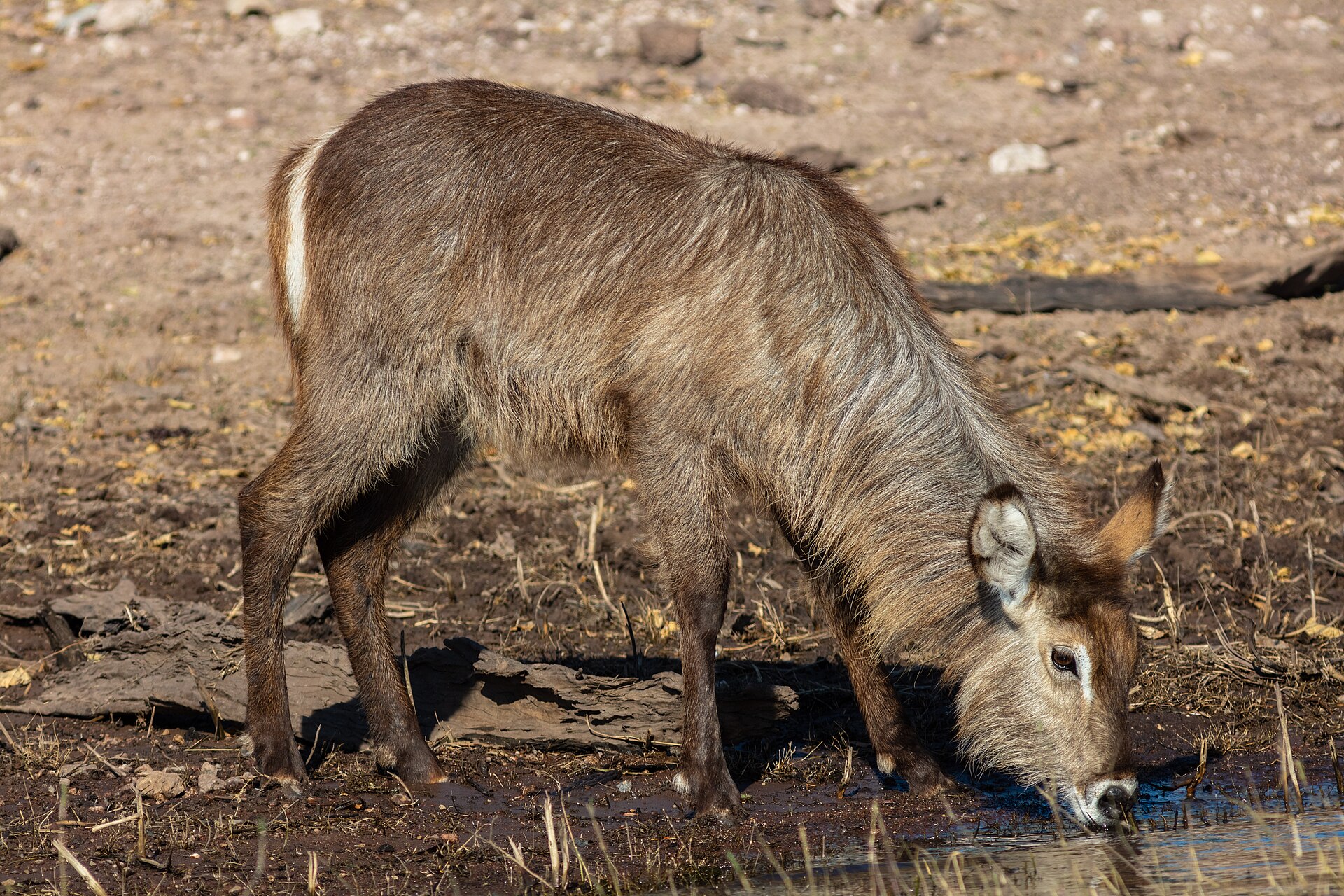
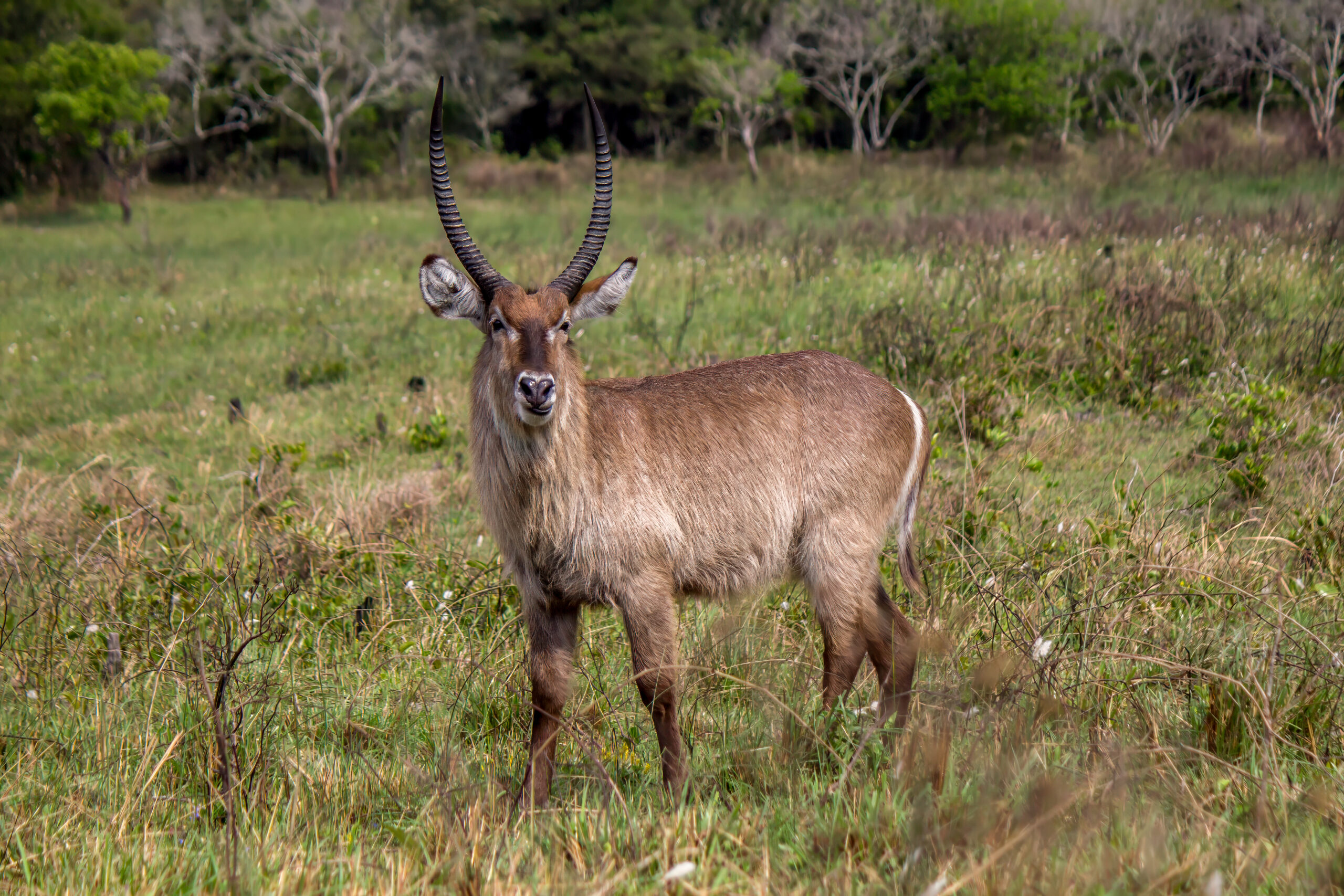
A study published in 2026 found that waterbuck (Kobus ellipsiprymnus) used wildlife corridors differently in urban and agricultural parts of Botswana’s Chobe District. Camera-trap data showed a higher probability of daily waterbuck presence in urban corridors, even though the animals overlapped less in time with people there.
Researchers monitored six wildlife corridors: three in the urban Kasane–Kazungula landscape and three in the agricultural Chobe Enclave. Motion-activated cameras recorded wildlife and human activity, allowing the team to compare both how often ten mammal species appeared in the corridors and how closely their daily activity overlapped with people.
Urban corridors had higher waterbuck presence but lower overlap with people
For waterbuck, the estimated probability of daily presence was 9 percentage points higher in the urban corridors. At the same time, the estimated temporal overlap between waterbuck and people was 7.2% in urban corridors, compared with 17.4% in agricultural corridors.
Waterbuck were therefore among the species showing contrasting responses to the two human-dominated landscapes. The broader study found that species did not respond uniformly: some were more likely to occur in agricultural corridors, while waterbuck and warthog had higher daily presence in urban corridors. Six non-elephant species, including waterbuck, showed greater temporal overlap with people in agricultural areas.
Corridor differences cannot be attributed to people alone
The authors note that differences between corridor types can reflect more than human influence alone, including variation in resources, animal densities and other ecological factors. They also acknowledge that the camera setup was originally designed to detect elephants and may therefore favour larger-bodied species. The urban and agricultural corridors were monitored in different periods, although the researchers argue that demographic and development changes in the agricultural landscape were small enough that this was unlikely to substantially alter the interpretation.
The study concludes that wildlife corridors cannot be expected to function identically for every species. Because waterbuck and other mammals responded differently to the surrounding land use, the researchers argue that conservation and land-use planning should take species-specific corridor use into account.
Ecology
Related news
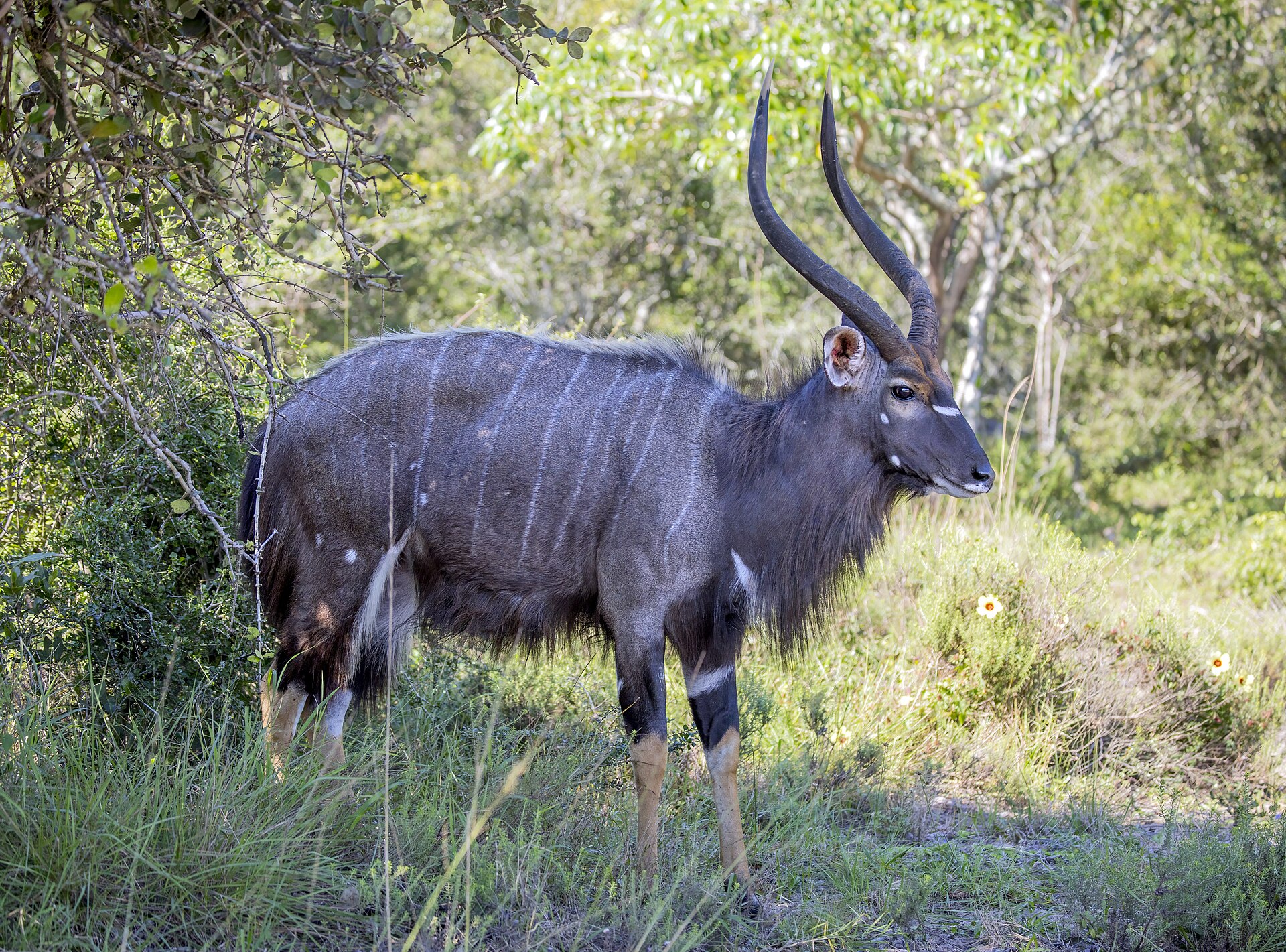
Gorongosa Dataset Tracks 37 Nyalas Through a Decade of Ecosystem Recovery
A 2026 data paper brings together long-term Gorongosa records for 37 GPS-collared nyalas, alongside body-condition and diet data…
Read story →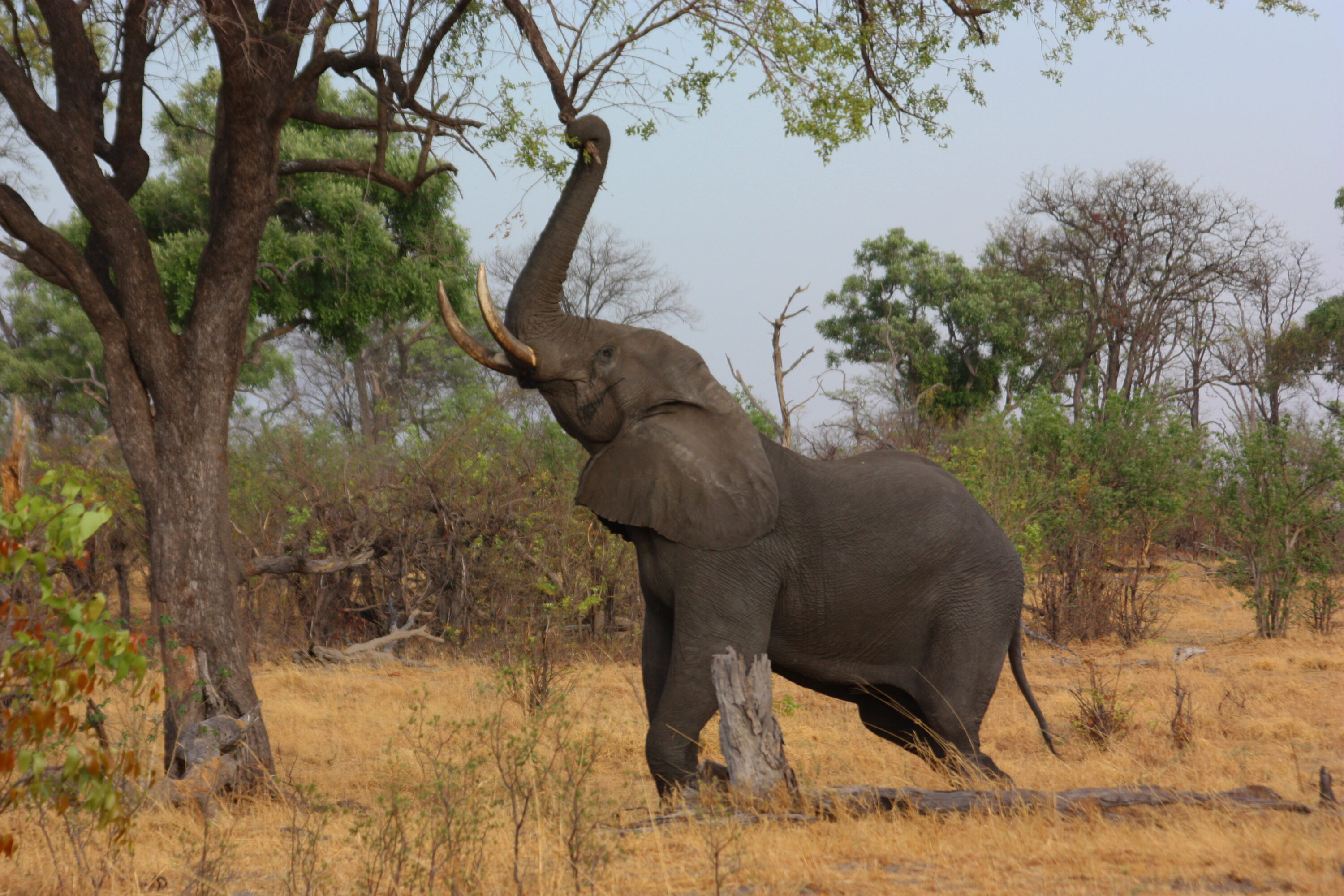
African Bush Elephants Distinguished Artificial Food-Quantity Patterns at Close Range
In experiments in South Africa, four semi-tame elephants chose between visual patterns representing canopy size and leaf density.…
Read story →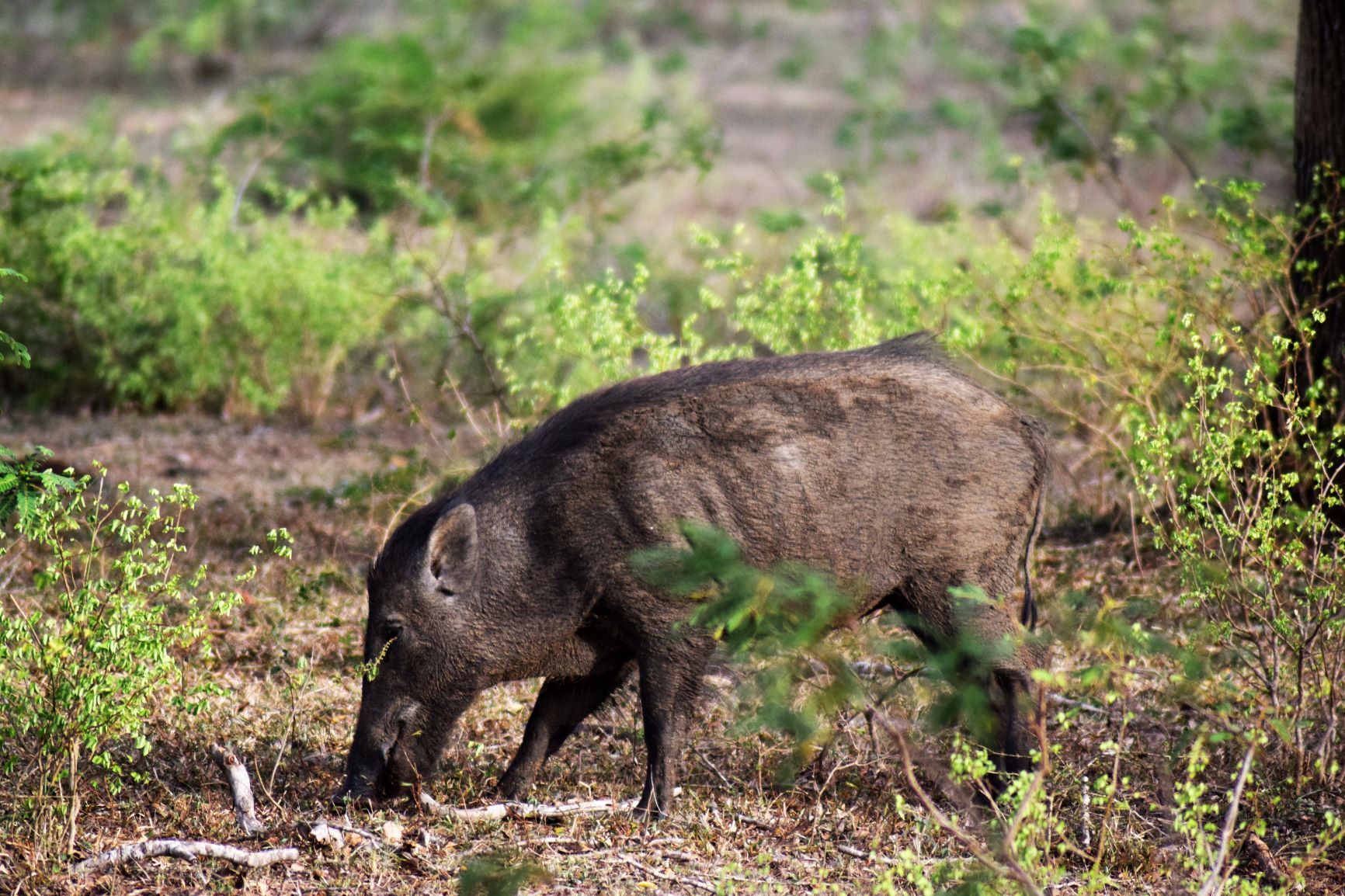
Maps Show Where Wild Boar Could Thrive and Spread on Jeju Island
Researchers mapped potentially suitable wild-boar habitat across roughly 36% of Jeju Island and identified eight possible corridors linking…
Read story →SPECIES IN THIS STORY
Species in this story
Independent research and conservation news archive
Did you find this information useful?
Wildlife Vagabond is independently built and maintained. Voluntary support helps cover source verification, hosting and continued work on research and conservation news.
Support Wildlife VagabondThe news archive will remain freely available.