
98.6% of the White King Pigeon Genome Assembly Was Anchored at Chromosome Level
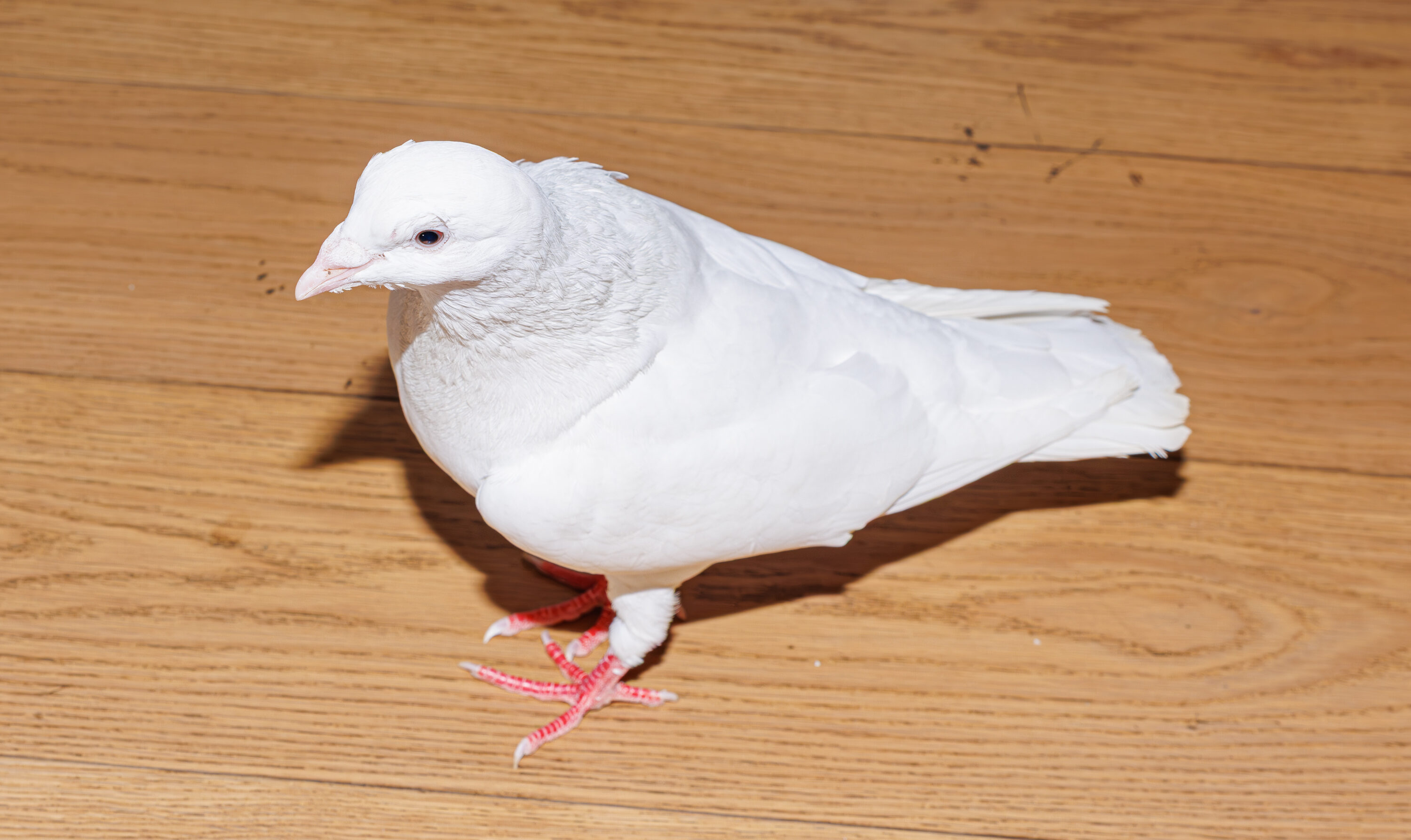
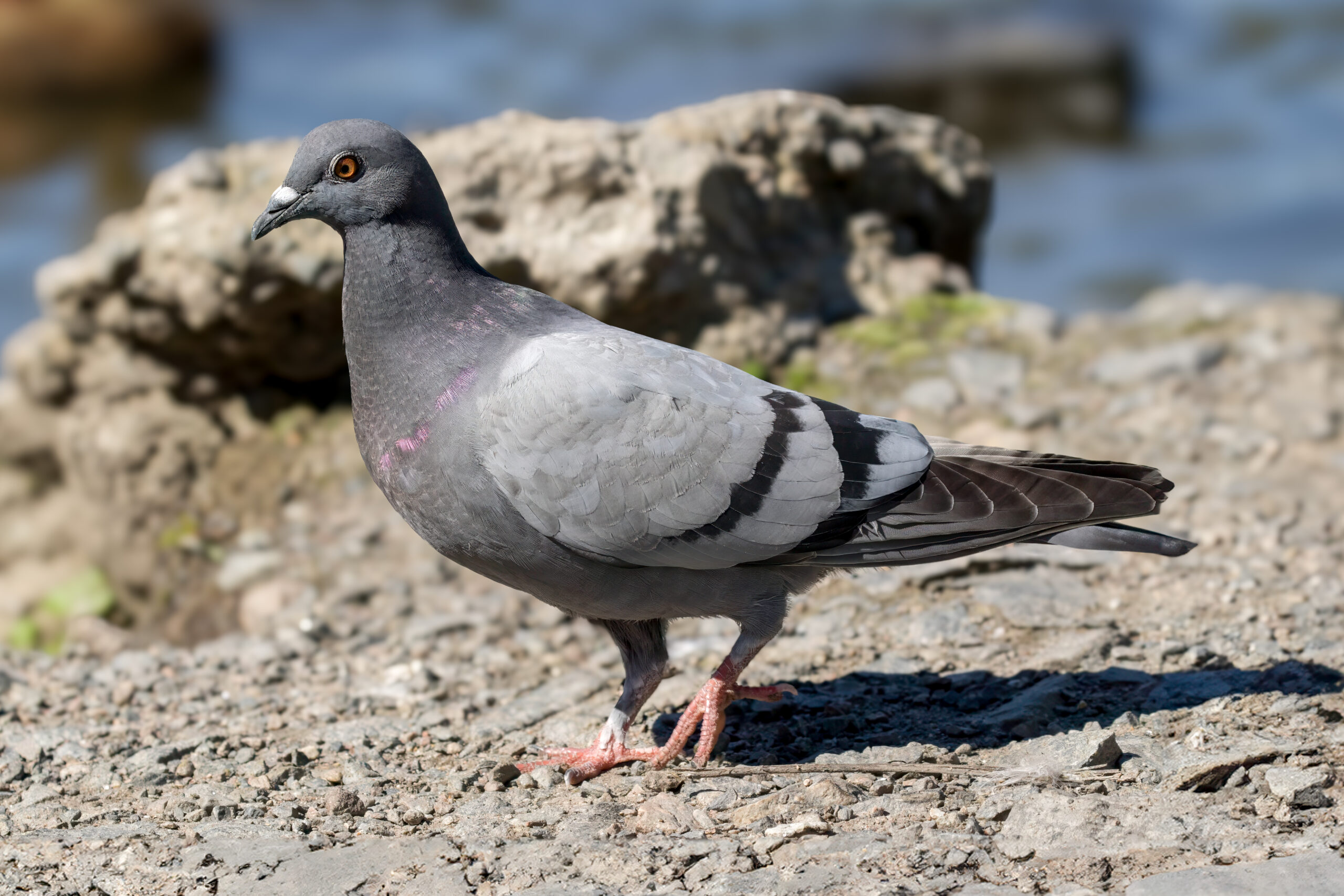
A new chromosome-level reference genome has been assembled from a female White King pigeon, a domestic breed of rock dove (Columba livia) widely used for meat production in China. Published on 18 June 2026 in Scientific Data, the study combined Illumina short reads, PacBio HiFi long reads and Hi-C data, which capture how chromosome regions come into contact inside the cell nucleus. The White King individual was used to build the new reference genome; researchers then resequenced 64 pigeons from six major Chinese market breeds against it to map genetic variation.
98.6% was placed in chromosome-level structures
The final assembly was about 1.09 gigabases (Gb) long, and 98.6% of the sequence was anchored to 29 chromosome-level scaffolds. Hi-C helps researchers work out which assembled DNA fragments belong together and in what order and orientation; about 1.06 Gb could be assigned a defined order and direction. The figure of 29 therefore refers to the chromosome-level structures resolved in this reference assembly.
Millions of variants across six breeds
Using the White King reference, the researchers identified more than 22.68 million single-nucleotide polymorphisms (SNPs) — positions where a single DNA base differs among individuals — and about 2.47 million small insertions and deletions across the resequenced pigeons. This produced a large catalogue of genetic variation among Chinese market-pigeon breeds.
The authors present the dataset as a resource for studying genetic diversity and adaptation in domestic pigeons. They also note that such variant data can help reconstruct demographic and domestication history, giving researchers a better basis for examining how long-term artificial selection has shaped the diversity seen among pigeon breeds.
Genetics & genomics
Related news
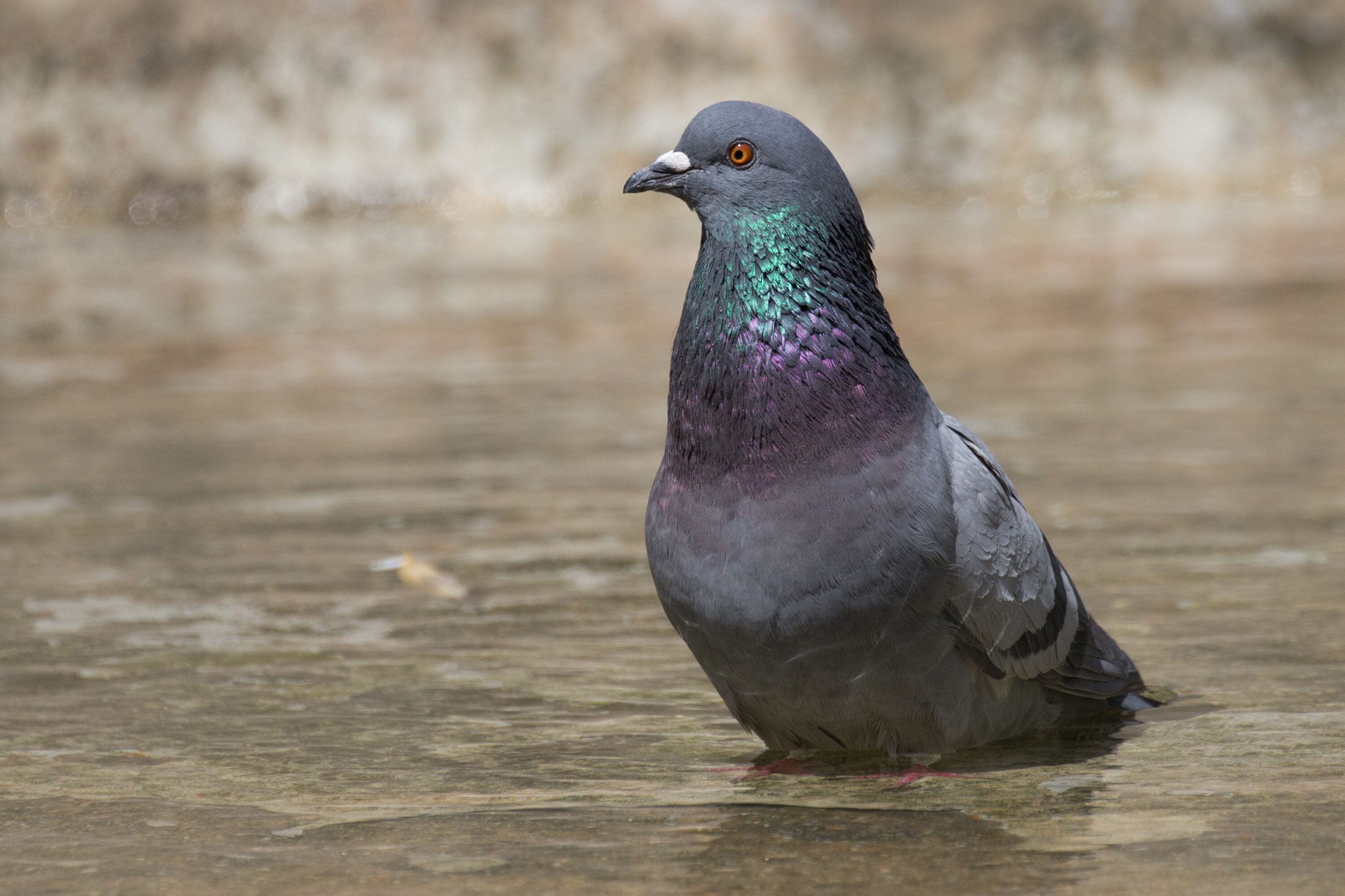
Rock Doves Preferred Predictive Information Despite a Lower Food Payoff
Seven rock doves preferred an informative option that paid on 20% of trials over a non-informative option that…
Read story →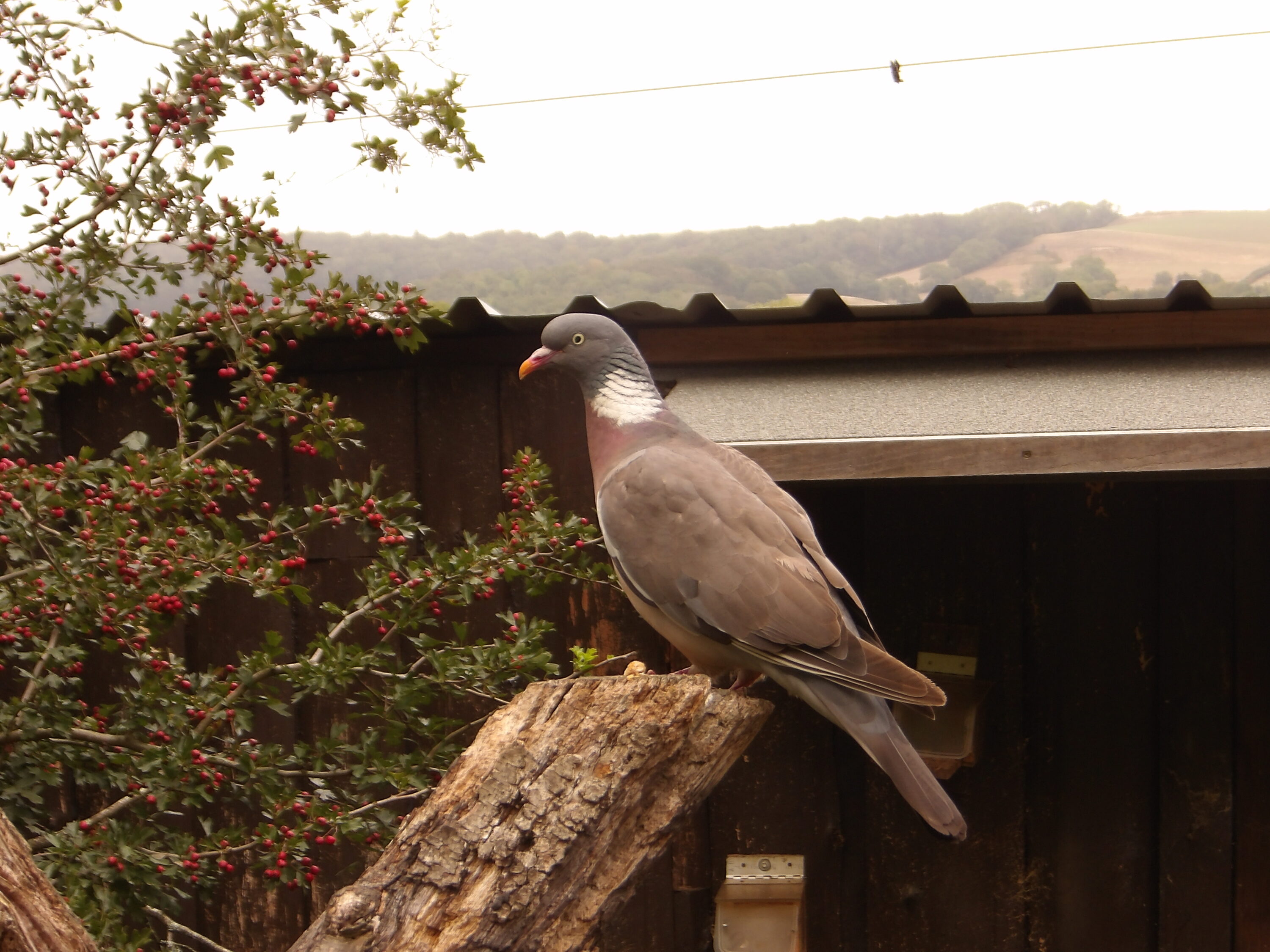
Rotavirus A Antibodies Were Common in Feral Pigeon Samples but Rare in Wood-Pigeon Samples in Germany
A German study detected rotavirus A-reactive antibodies in 79.2% of free-ranging feral pigeons and 77.0% of domestic pigeons,…
Read story →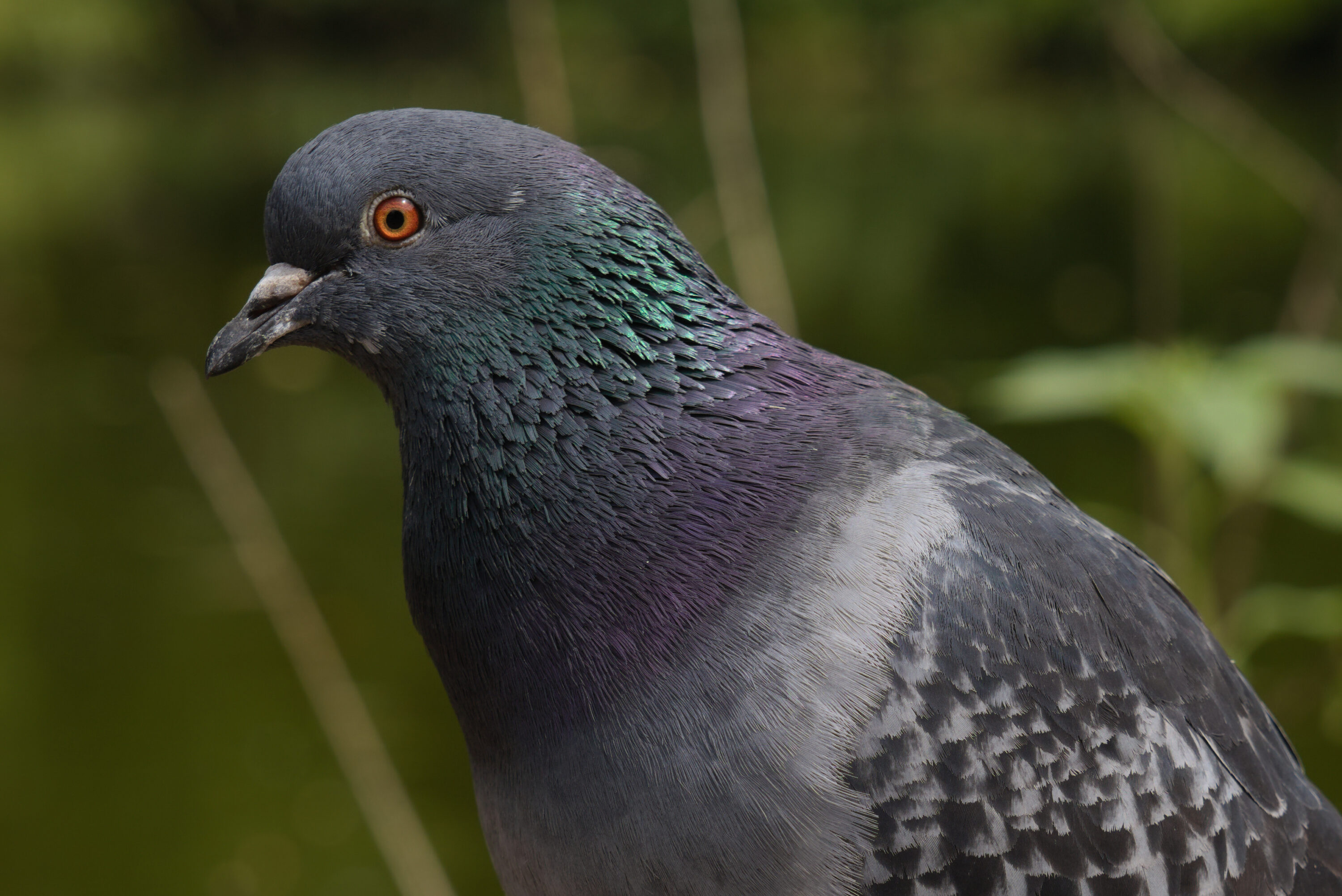
New Shiqi Pigeon Genome Placed 97.8% of Its Sequence on 41 Chromosomes
A chromosome-level genome from a female Shiqi pigeon in Zhongshan, China spans about 1.24 billion DNA bases, places…
Read story →SPECIES IN THIS STORY
Species in this story
Independent research and conservation news archive
Did you find this information useful?
Wildlife Vagabond is independently built and maintained. Voluntary support helps cover source verification, hosting and continued work on research and conservation news.
Support Wildlife VagabondThe news archive will remain freely available.