
Willow Tits Were Still Detected in Woodlands Farther From Major Roads in South Yorkshire
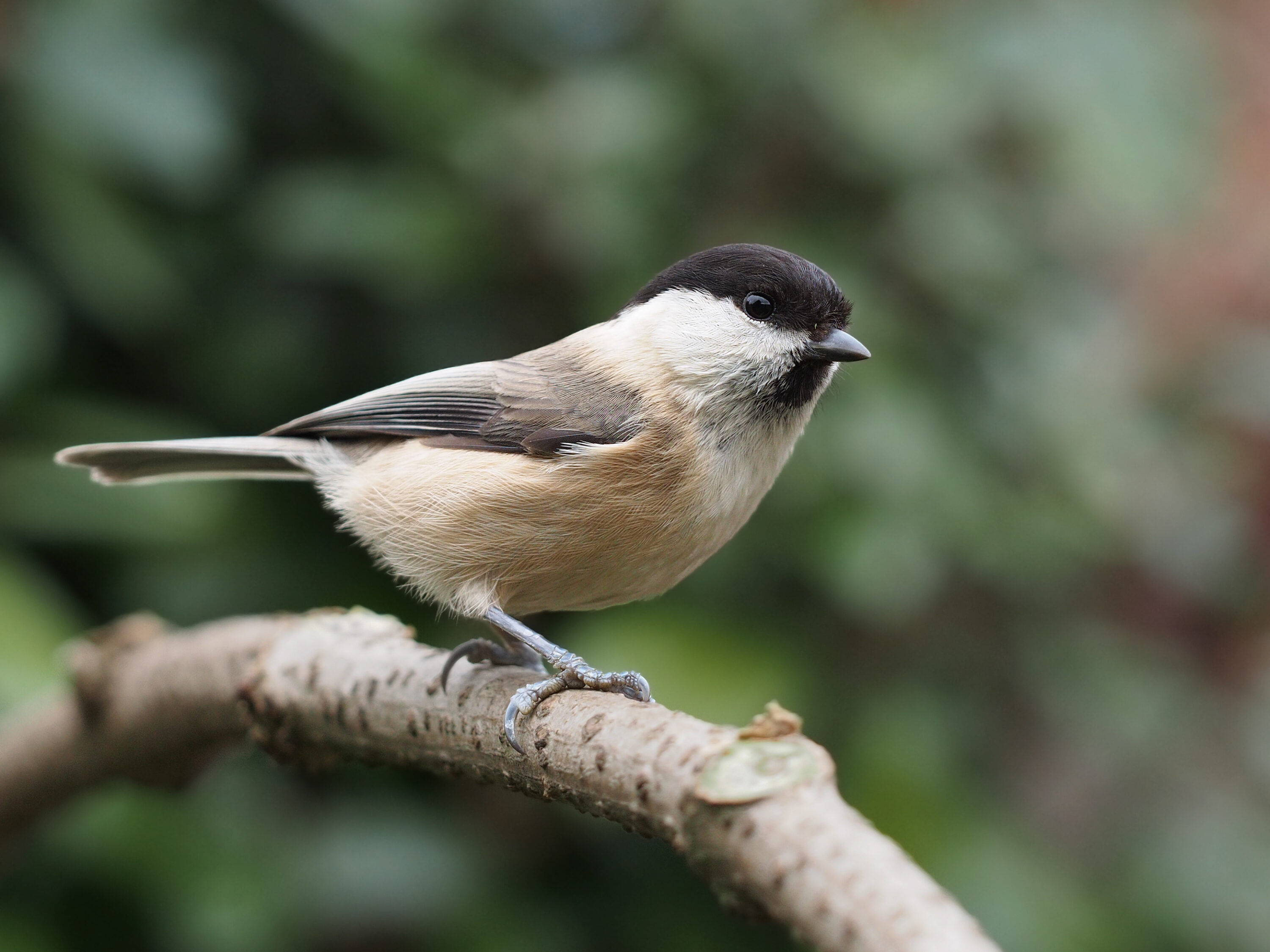
An accepted 2026 study of the British willow tit (Poecile montanus kleinschmidti) found that woodlands where the birds were still detected lay farther from major roads than woodlands where they were not detected. The peer-reviewed accepted manuscript was made publicly available by Lancaster University in January 2026 while the article remains in press at Ringing & Migration.
A transect is a predefined line or route used to survey an area systematically, with observations, signs or sampling points recorded along it.
The researchers revisited 15 woodlands around Barnsley in South Yorkshire where willow tits had been recorded during the preceding three years. On two visits they played a standard recording of willow tit song and calls along woodland transects; song, calls or movement toward the playback counted as presence, while no response was recorded as absence. The study therefore measured continued detection at previously occupied sites, not survival of individually marked birds. The researchers compared this presence pattern with road proximity, woodland area, vegetation structure and the presence of great spotted woodpecker (Dendrocopos major).
Woods where willow tits were still detected were farther from major roads
Woodlands where willow tits were still detected lay on average 295.2 metres farther from a motorway, A-road or B-road than sites where the species was not detected. The authors discuss several ways in which roads can affect woodland birds, including noise and chemical pollution, movement barriers and direct mortality, but the study did not determine which mechanism explained the willow tit pattern.
The two groups did not clearly differ in woodland area, herb-layer height, canopy cover or maximum and mean vegetation height. The authors caution that the sample was small and therefore had limited power to detect habitat differences.
Great spotted woodpeckers were more often recorded where willow tits were not detected
Great spotted woodpeckers were recorded more often at sites where willow tits were not detected. Because great spotted woodpeckers are known nest predators, this may be relevant to willow tit persistence, but the authors explicitly treat the result cautiously: the study measured detection rather than abundance, and the surveys were conducted outside the optimal period for detecting willow tits and outside the woodpecker breeding season.
The authors call for larger-scale work on predation and nest-site competition across the remaining British range.
They also argue that conservation should consider the surrounding landscape as well as management within individual woods, highlighting better connectivity between habitat patches and protection of remaining strongholds from development.
Ecology
Related news
Natural England Funded Development of a National Willow Tit Recovery Strategy
Natural England funded a 2026–2029 project to build a national recovery strategy for willow tit across several English…
Read story →
Mean Eurasian Blue Tit Winter Count Rose Fourfold in Finnish Urban Survey Plots
Across 31 Finnish settlements, mean Eurasian blue tit counts rose from 2.8 birds per standardised urban plot in…
Read story →
Wet Willow Wildlife Improved 51 Hectares of Wet Woodland and Connected 632 Hectares
The two-year Wet Willow Wildlife project in northwest England improved 51 hectares of wet woodland, increased connectivity across…
Read story →SPECIES IN THIS STORY
Species in this story
Independent research and conservation news archive
Did you find this information useful?
Wildlife Vagabond is independently built and maintained. Voluntary support helps cover source verification, hosting and continued work on research and conservation news.
Support Wildlife VagabondThe news archive will remain freely available.