
Three Migratory Warblers Showed Distinct Wing Shapes on Antikythera
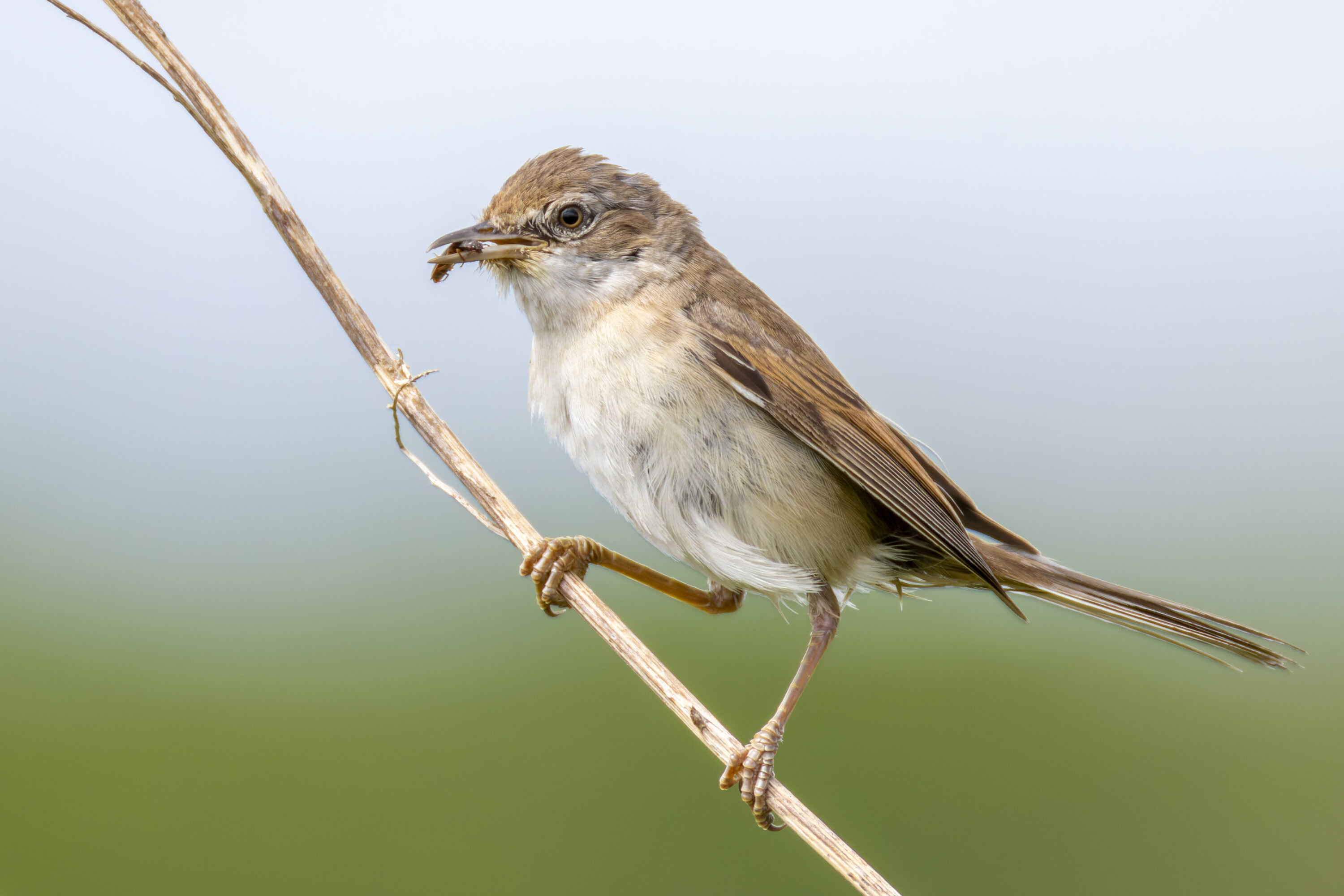
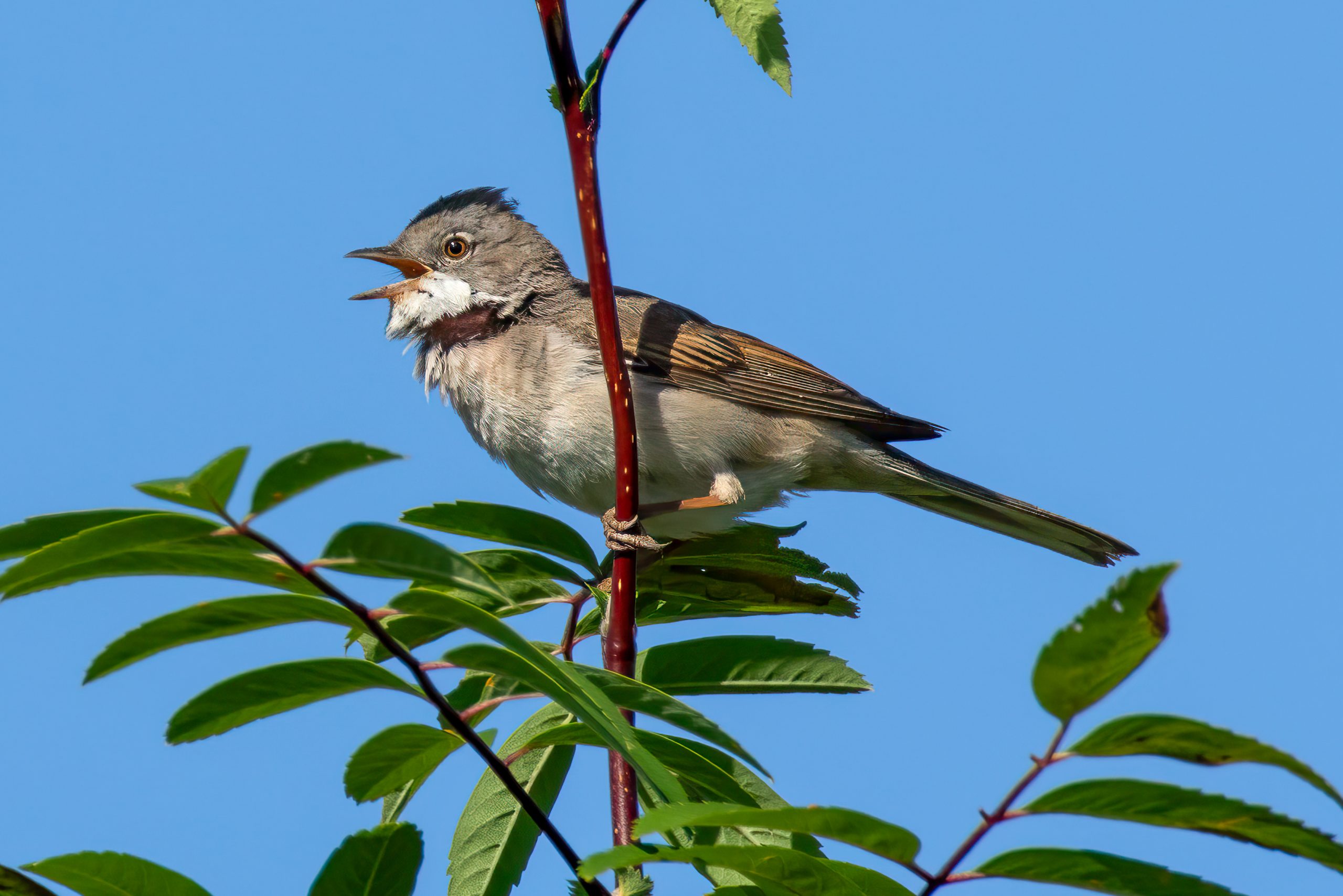
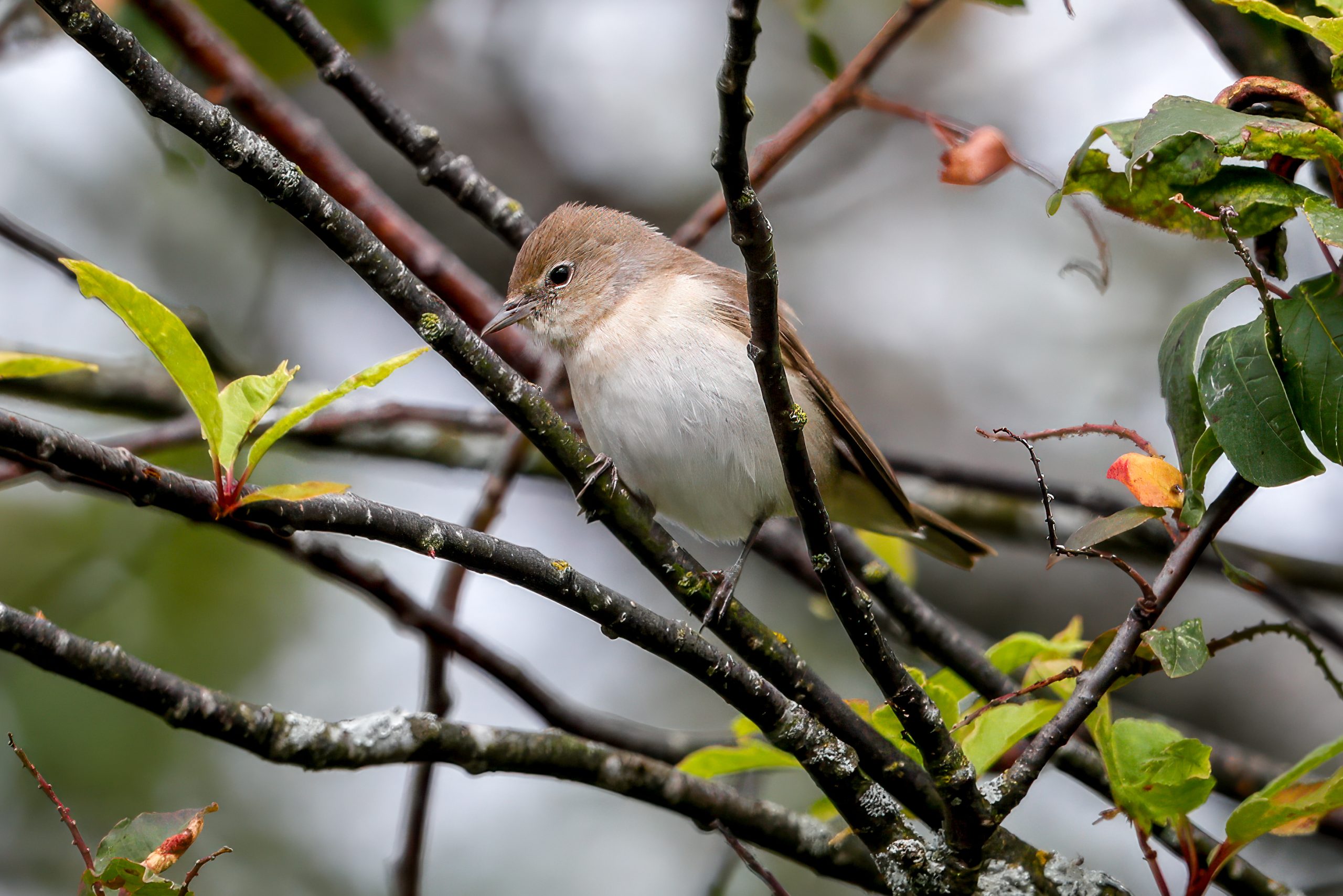
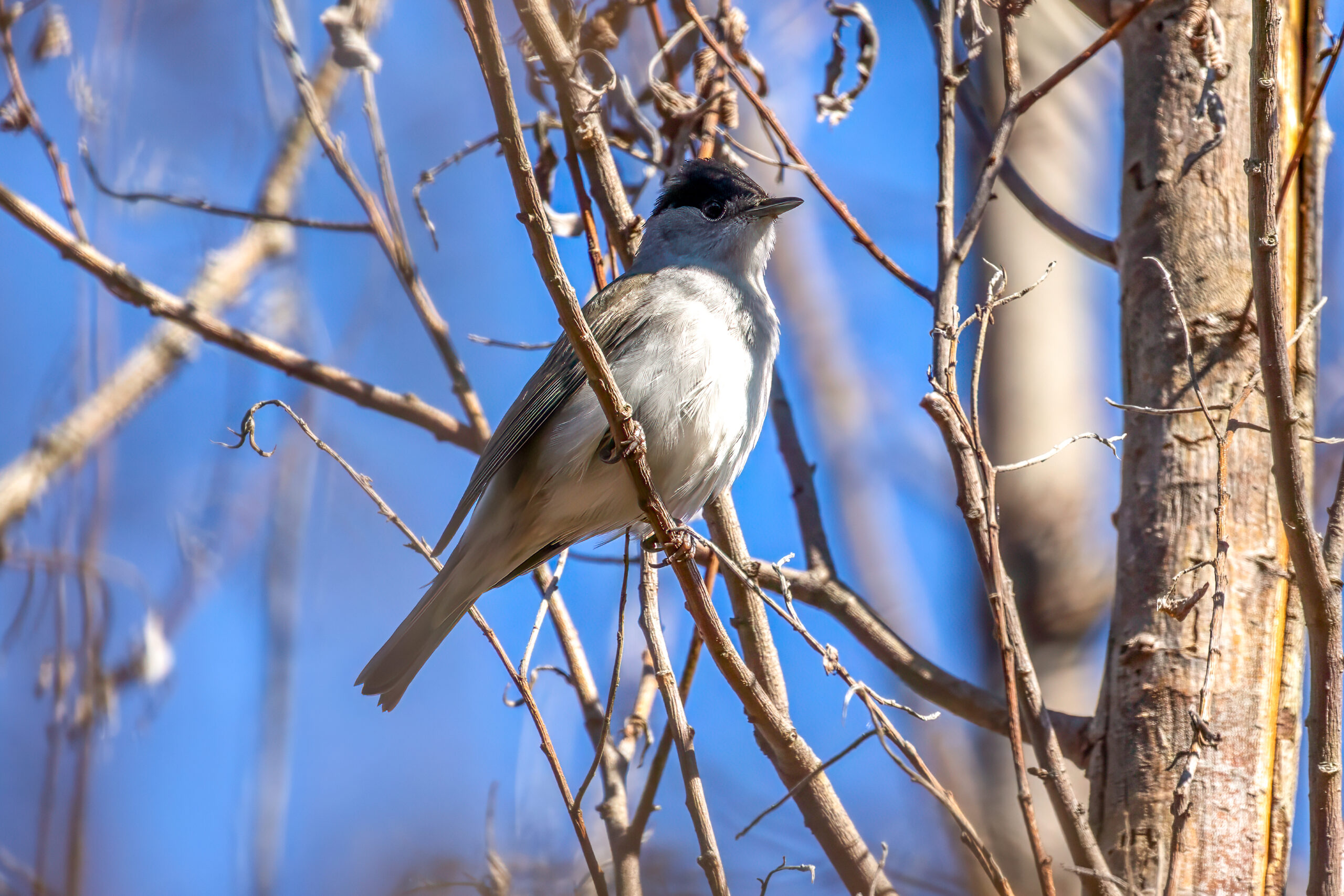
A field study on the Greek island of Antikythera found clear differences in wing morphology among three migratory warblers: garden warbler (Sylvia borin), Eurasian blackcap (Sylvia atricapilla) and common whitethroat (Curruca communis). Researchers measured 117 birds during autumn migration in 2022 and combined standard biometrics with geometric morphometrics, a landmark-based method for comparing the overall shape of an extended wing.
The three species differed clearly in wing shape
Garden warblers had the longest mean wings, the largest mean wing area and the highest mean aspect ratio of the three species. Aspect ratio describes how long and narrow a wing is relative to its area: higher values generally favour efficient sustained flight. Blackcaps had shorter, rounder wings, while common whitethroats were intermediate in overall wing shape. Wing shape alone assigned more than 96% of specimens to the correct species in cross-validation, showing how clearly the three forms differed.
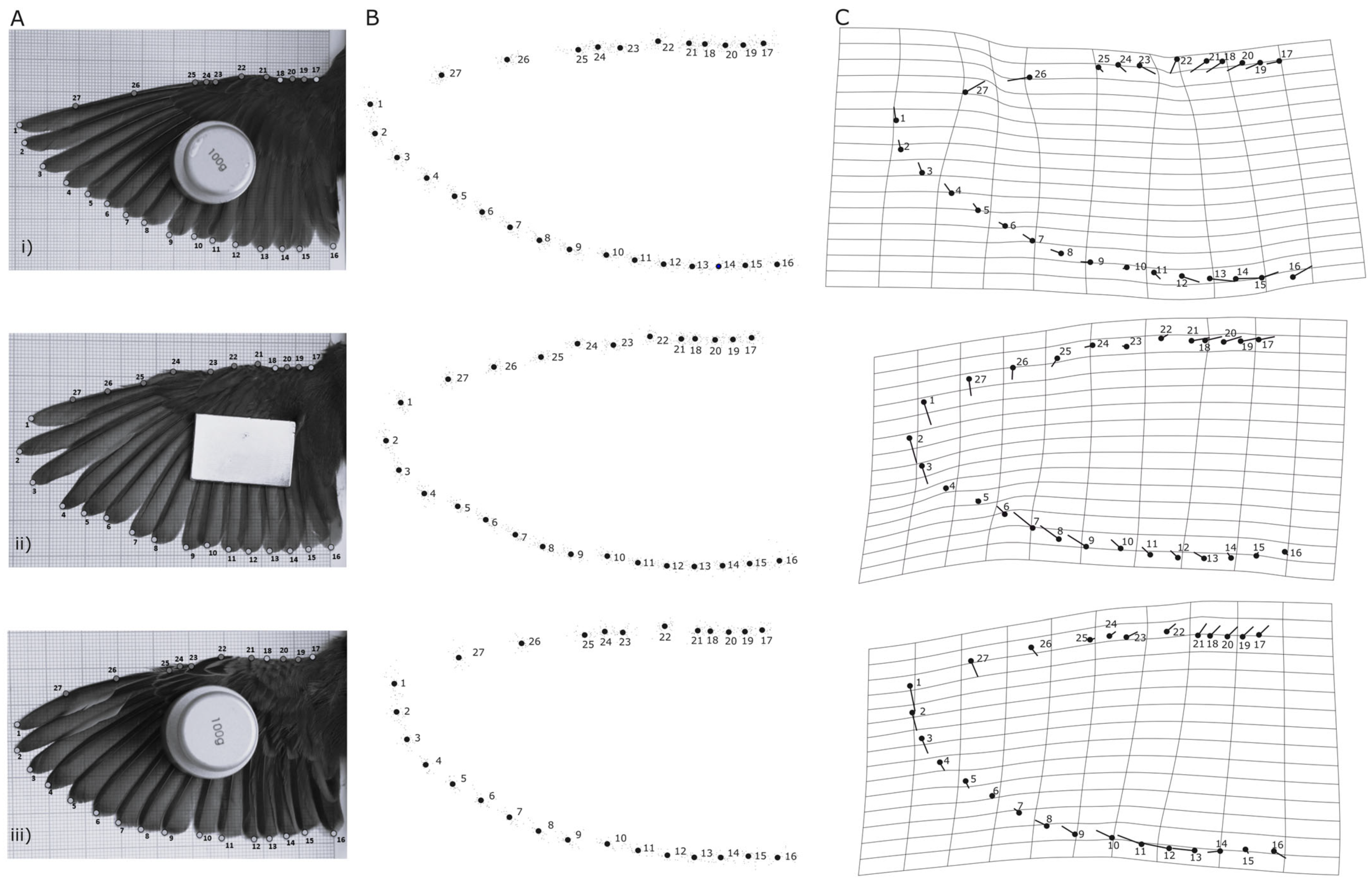
The linear measurements showed the same broad pattern. Mean wing length was about 8.1 cm in garden warblers, 7.7 cm in blackcaps and 7.5 cm in common whitethroats. Mean aspect ratio was 6.03, 5.77 and 5.49 respectively. The common whitethroat nevertheless had a more pointed wingtip than the blackcap in the geometric analysis.
Wing shape reflected a trade-off in flight performance
The authors interpret the differences as consistent with a trade-off between aerodynamic efficiency and manoeuvrability. Garden warblers showed traits associated with sustained long-distance flight, blackcaps showed traits associated with manoeuvrability in structurally complex habitats, and common whitethroats occupied an intermediate position. They also note that ecological variables were not measured directly in this study, so these functional interpretations are based on the species’ known natural history rather than on an experimental test of the underlying selective pressures.
Anatomy & morphology
Related news
Ten Migrants Followed Early-slow and Late-fast Passage Strategies Through Nigeria
Twenty-four years of ringing data from Jos showed striking species differences in migration timing: Icterine Warblers were among…
Read story →
Urban Bird Diversity Was More Strongly Linked to Forest Structure Than the Surrounding City
Across 12 urban forests in three Italian cities, researchers recorded 2,035 birds from 52 species. Local forest structure…
Read story →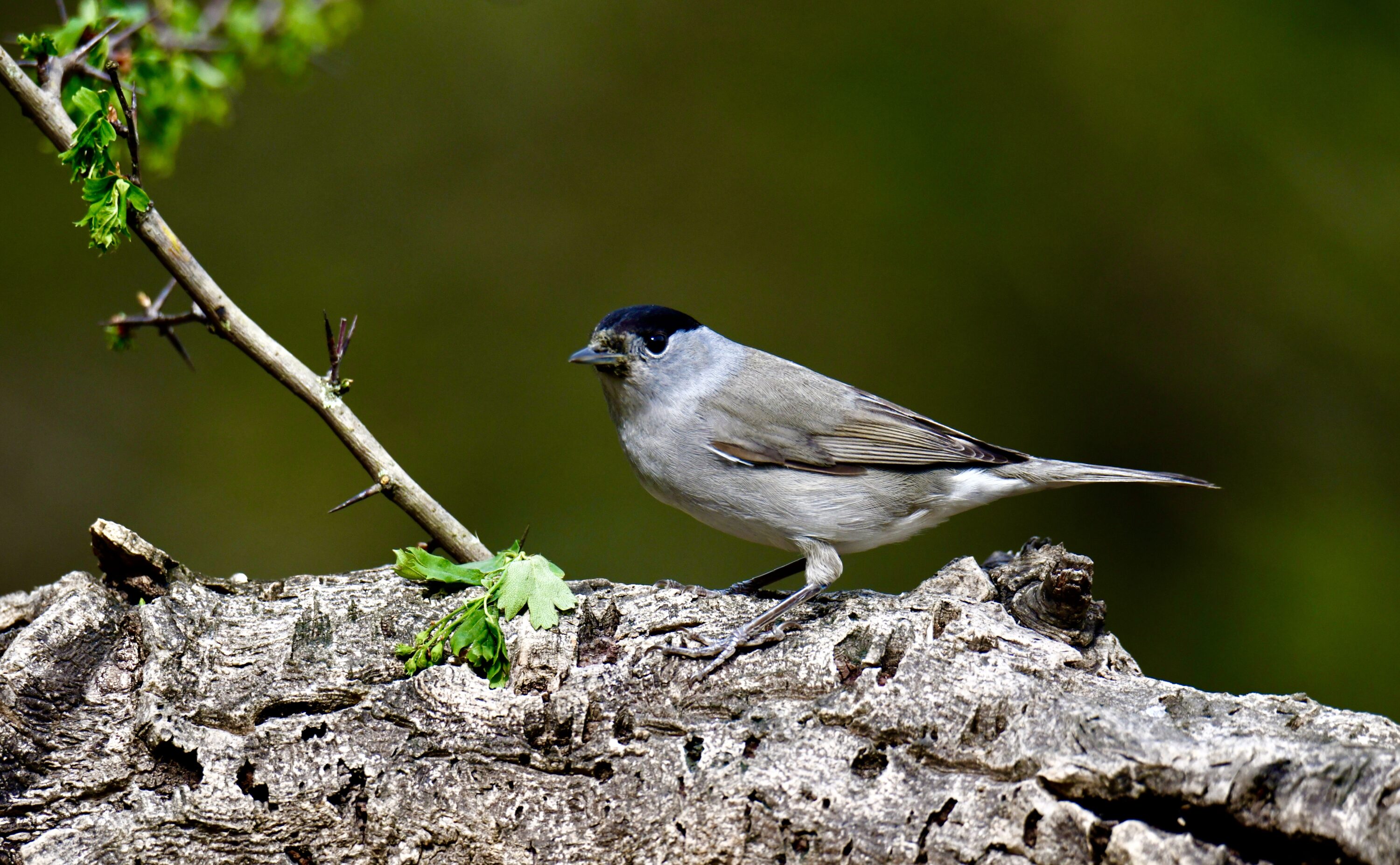
Blackcaps Advanced the Start of Spring Passage by Nine Days at Poland’s Baltic Coast Without Widening the Sex Gap
Forty-four years of Polish ringing data show that both male and female Eurasian blackcaps advanced the start of…
Read story →SPECIES IN THIS STORY
Species in this story
Independent research and conservation news archive
Did you find this information useful?
Wildlife Vagabond is independently built and maintained. Voluntary support helps cover source verification, hosting and continued work on research and conservation news.
Support Wildlife VagabondThe news archive will remain freely available.