
Barn Swallow Was the Most Frequent Bird-Strike Species Identified at Hangzhou Airport
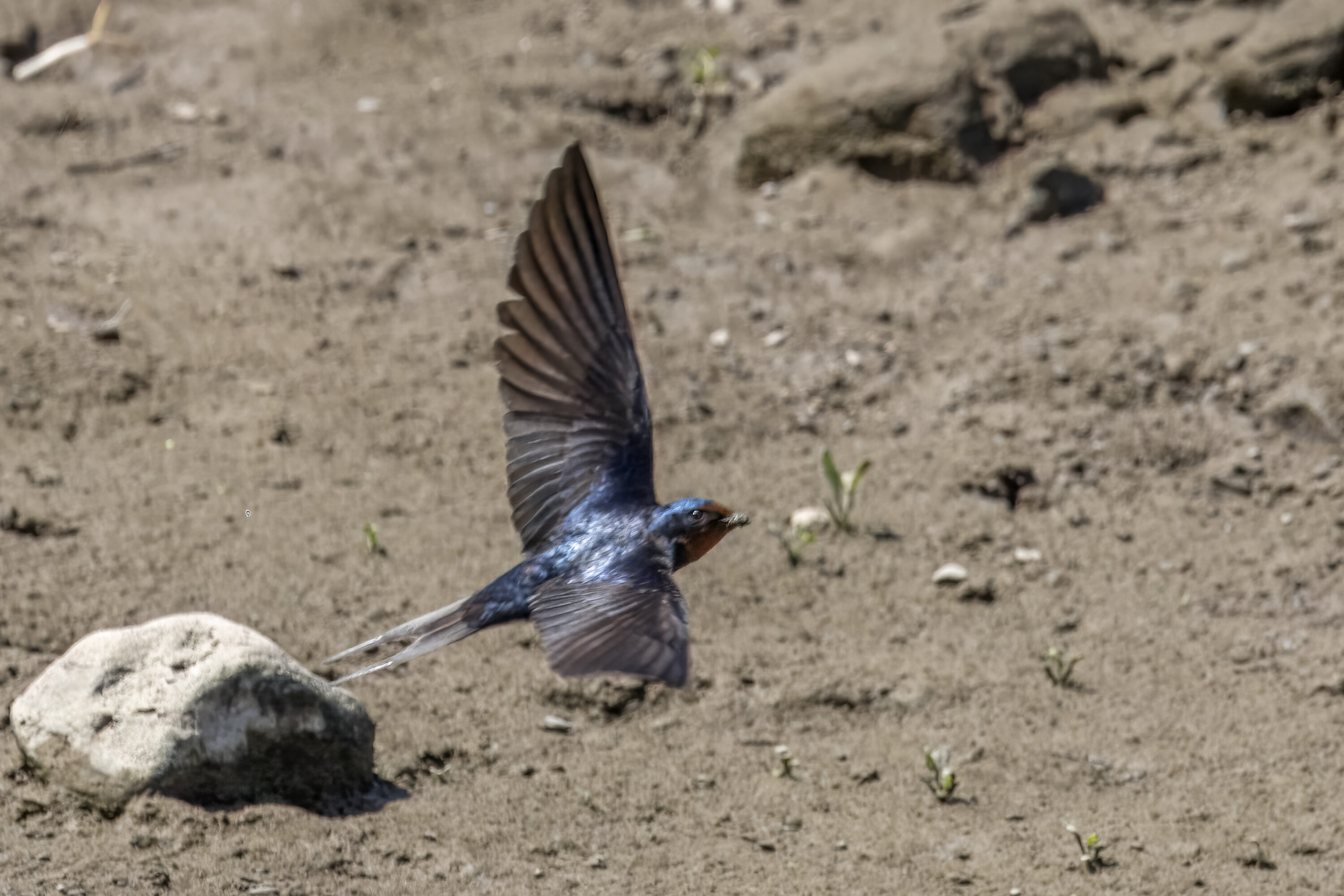
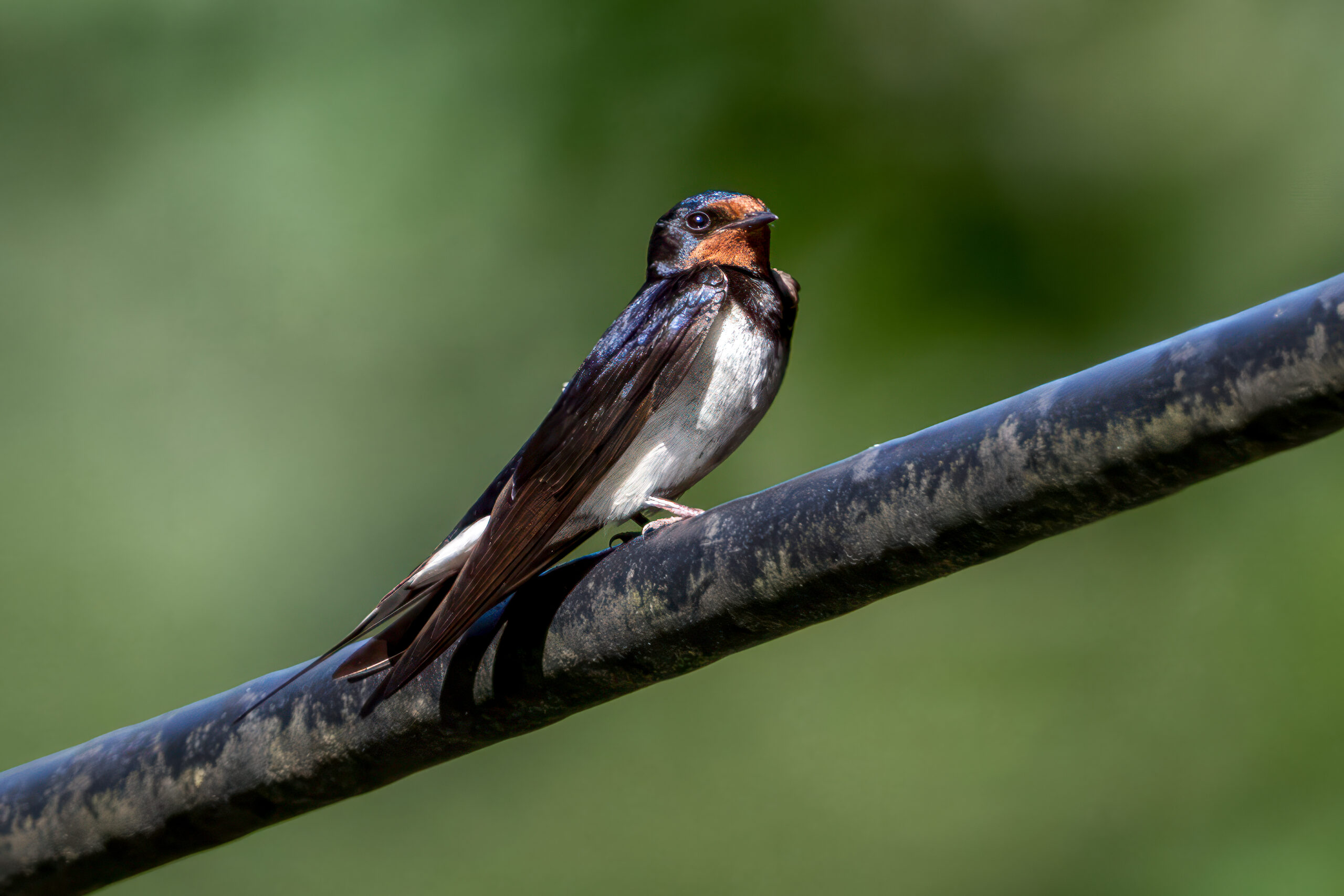
Researchers at Hangzhou Xiaoshan International Airport in eastern China identified the barn swallow (Hirundo rustica) as one of the airport’s high-risk bird-strike species. The study linked field observations and identified collision remains with information about the birds’ food supply.
Barn swallow was the most frequently identified species in the strike samples
The team combined year-round bird counts from 2023 with 114 bird-strike samples collected between June 2022 and May 2024. Barn swallow was the most frequently identified species in the collision material, accounting for nine of the 114 samples. It was also the most numerous migratory bird in surveys during May, June and July. The study also compared the number of recorded strikes with the species’ monitored abundance at the airport, reinforcing that barn swallows were among the species of concern there.
Diptera made up 76.6% of the animal diet
DNA metabarcoding — sequencing short genetic markers from mixed gut contents to identify many food groups at once — was applied to intestinal contents from eight barn swallows collected in March and April 2024. Diptera made up 76.6% of the animal diet. Hemiptera accounted for 9%, Lepidoptera 8.4% and Coleoptera 5.8%. Diptera were also the most abundant insect order in the airport surveys, increasing from March and peaking in June.
The authors identify spring migration, particularly April, as the main risk period. Because many Diptera develop in decaying organic matter, they recommend enhanced sanitation within 500 m of operational areas, including daily waste removal, weekly drainage inspections and immediate removal of animal carcasses. They also propose vegetation management aimed at reducing insect-rich food resources that attract birds to the airport.
The study notes that sweep-net sampling is less effective for insects with low activity levels. Plecoptera DNA occurred in the birds’ diets even though the group was absent from the airport insect surveys, suggesting that some prey may have come from outside the surveyed area. The authors call for future monitoring that measures how the proposed management actions affect bird activity and collision risk.
Human–wildlife conflict
Related news
Usutu Virus RNA Was Found Nearly Three Times as Often as West Nile Virus RNA in Southern France
Among 2,533 wild birds from 69 species in southern France, Usutu virus RNA was detected in 12.0% and…
Read story →
Larger Broods and Older Social Fathers Were Linked to Shorter Telomeres in Male Barn Swallow Nestlings
A long-term study near Milan found shorter telomeres in male barn swallow nestlings from larger broods or with…
Read story →
Mitochondrial DNA Reveals a More Complex Evolutionary History of Barn Swallows
A study of 580 complete barn swallow mitochondrial genomes found five major maternal lineages, including a newly recognised…
Read story →SPECIES IN THIS STORY
Species in this story
Independent research and conservation news archive
Did you find this information useful?
Wildlife Vagabond is independently built and maintained. Voluntary support helps cover source verification, hosting and continued work on research and conservation news.
Support Wildlife VagabondThe news archive will remain freely available.