
Birds and Indian Palm Squirrels Shared Seed-Dispersal Roles on a Lucknow Campus
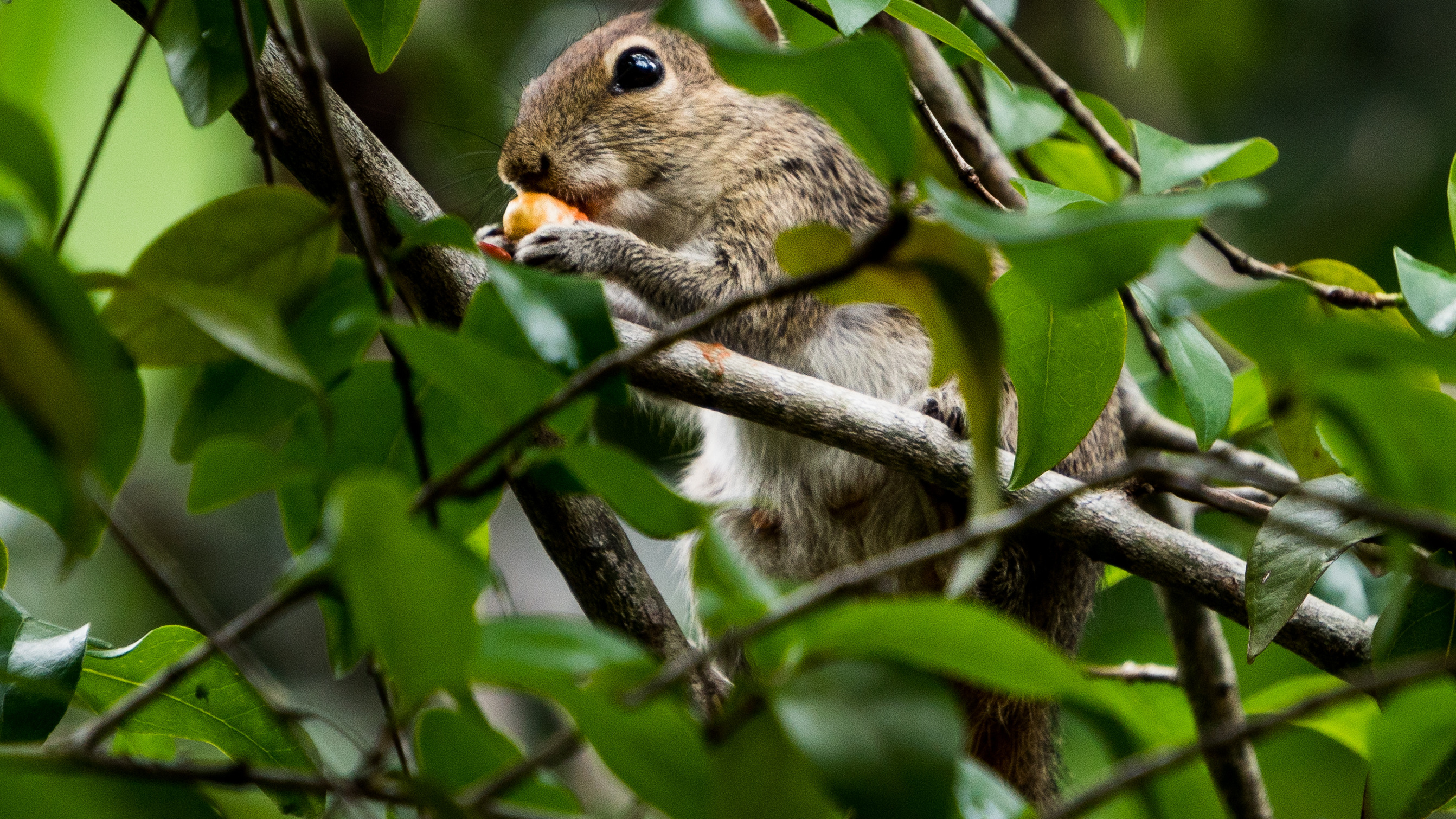
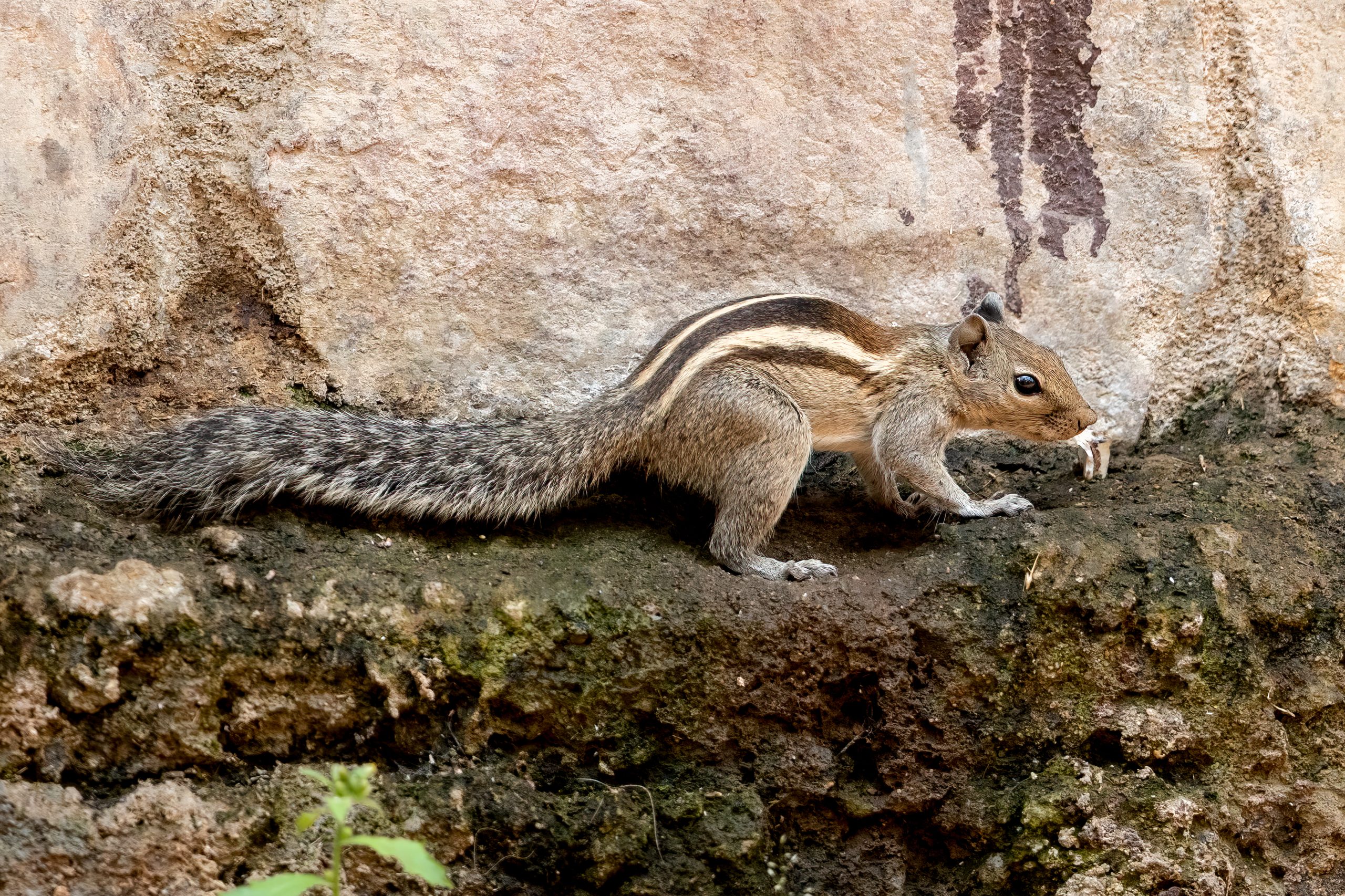
A 2026 study at Isabella Thoburn College in Lucknow documented how birds and squirrels moved seeds from fruiting trees across an urban campus. The authors identified the squirrels as Indian palm squirrels (Funambulus palmarum). Researchers followed fruiting trees and focal animals from November 2025 to January 2026 and recorded 50 dispersal events involving 11 tree species, nine bird species and one mammalian disperser.
Birds and squirrels shared seed-dispersal roles
Indian palm squirrels were among the most active dispersers in the dataset. The authors highlight carrying, swallowing and scatter-hoarding — storing seeds in separate small caches — as important squirrel contributions to dispersal, particularly for local seed placement in potentially suitable germination sites.
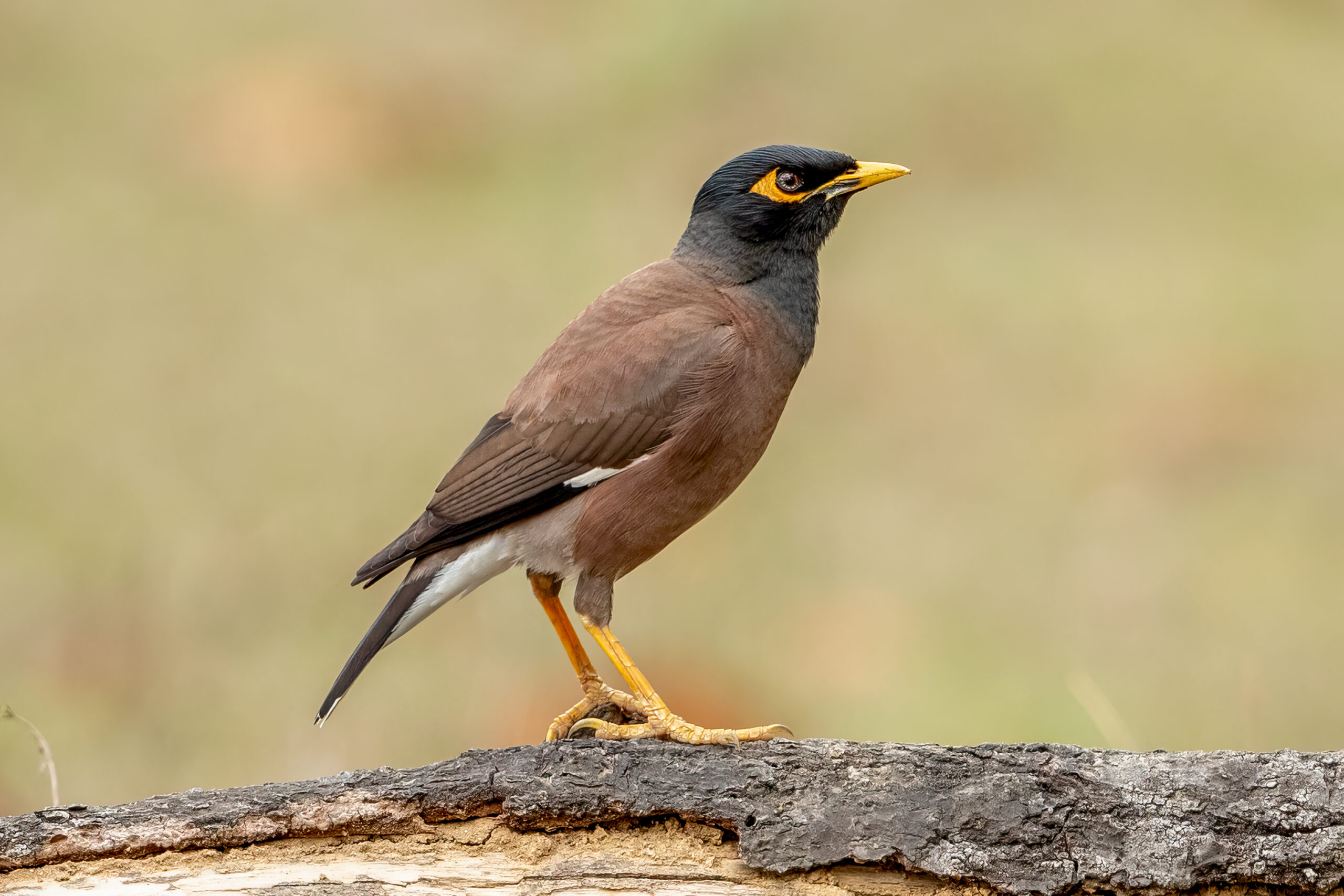
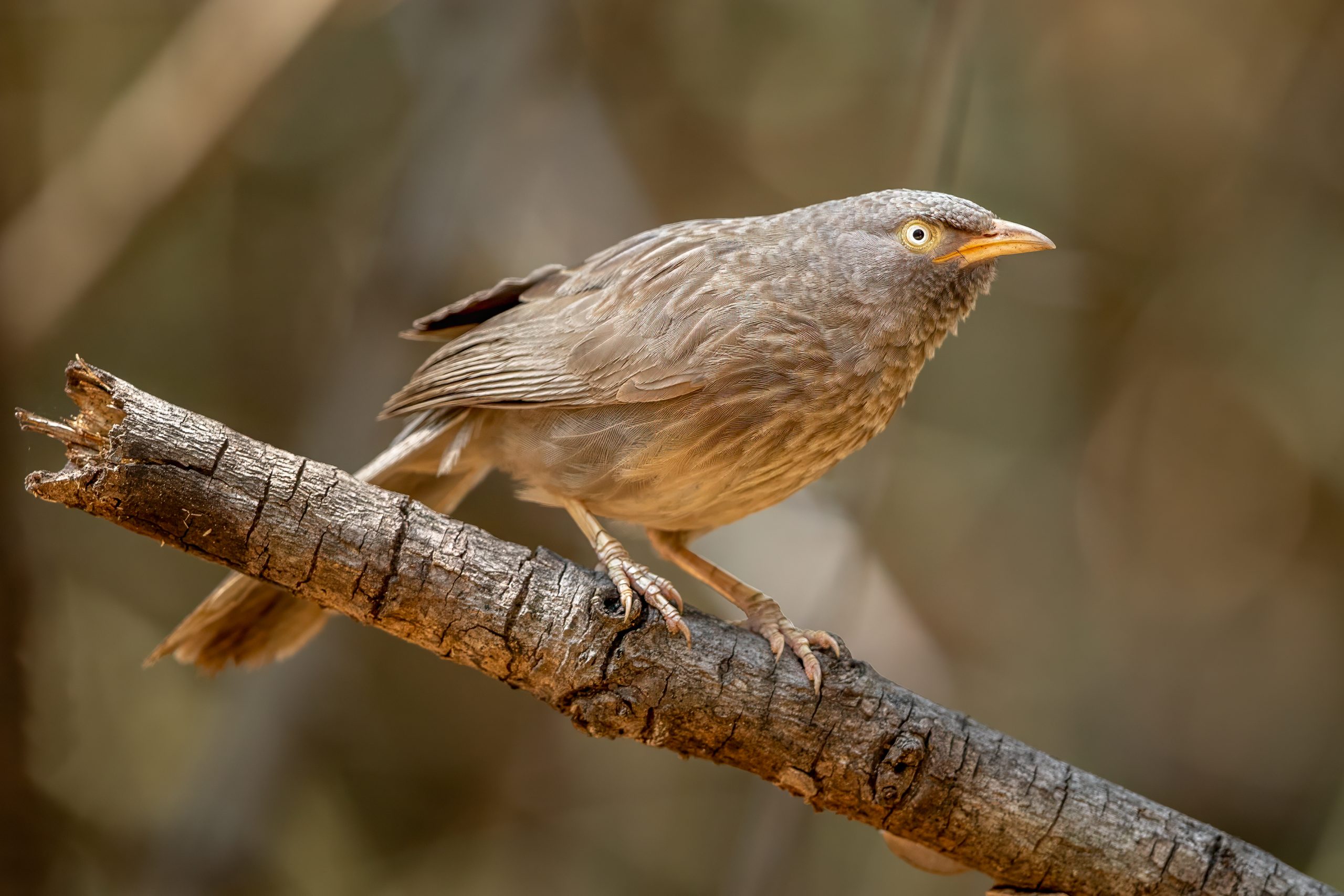
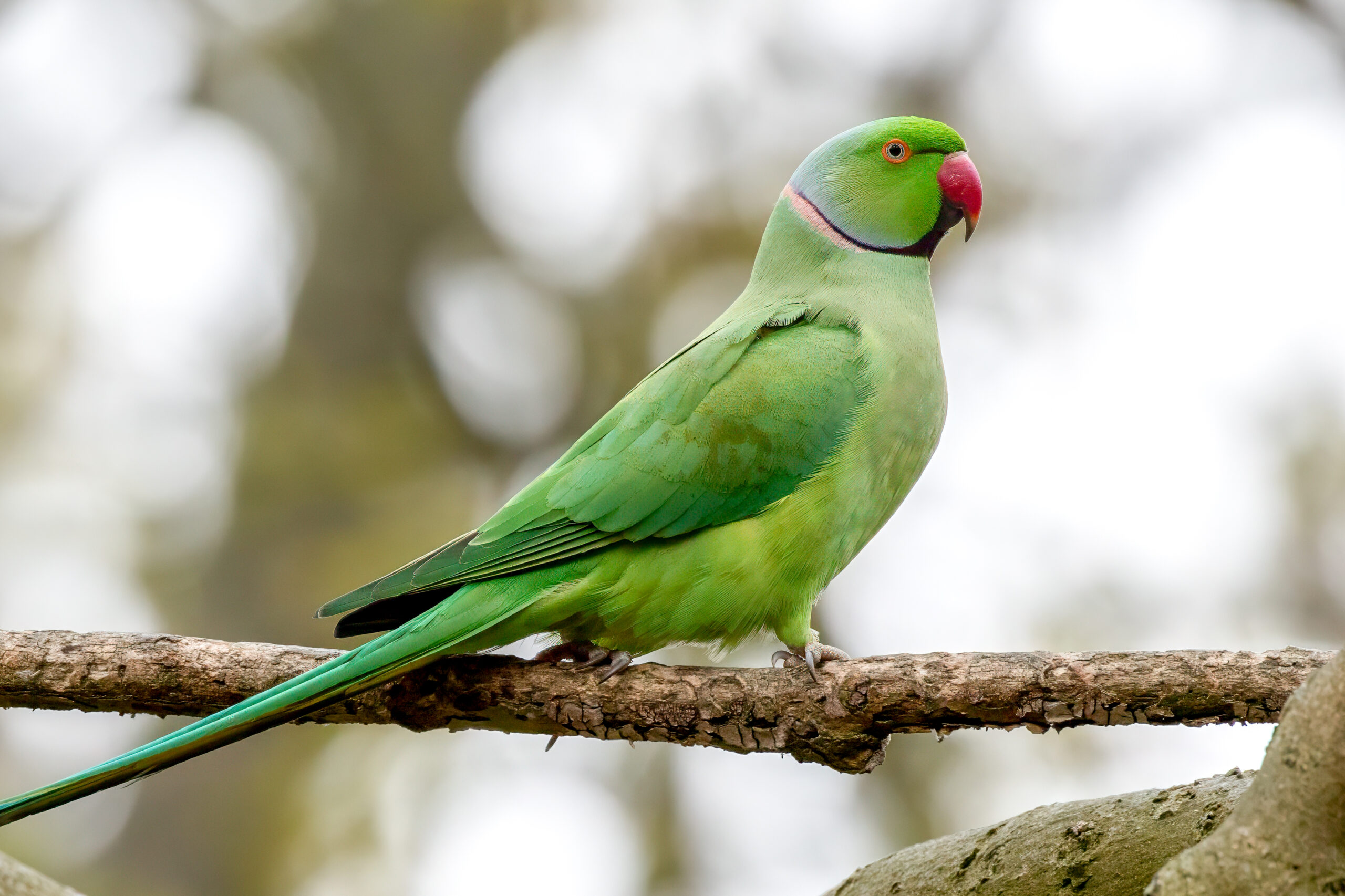
Jungle babblers (Argya striata) had the highest frequency in the first phase, while common mynas, rose-ringed parakeets (Psittacula krameri) and Indian palm squirrels were among the dominant dispersers in the final phase. Across all species, feeding made up 44% of recorded behaviour, followed by seed dropping at 28%, carrying at 22% and swallowing at 6%.
The researchers found the most dispersal activity in campus zones with dense fruiting vegetation and relatively low human disturbance. They conclude that birds and squirrels contributed in different but complementary ways, with birds more often moving seeds over longer distances and squirrels contributing strongly to local deposition in potentially suitable germination sites.
Ecology
Related news
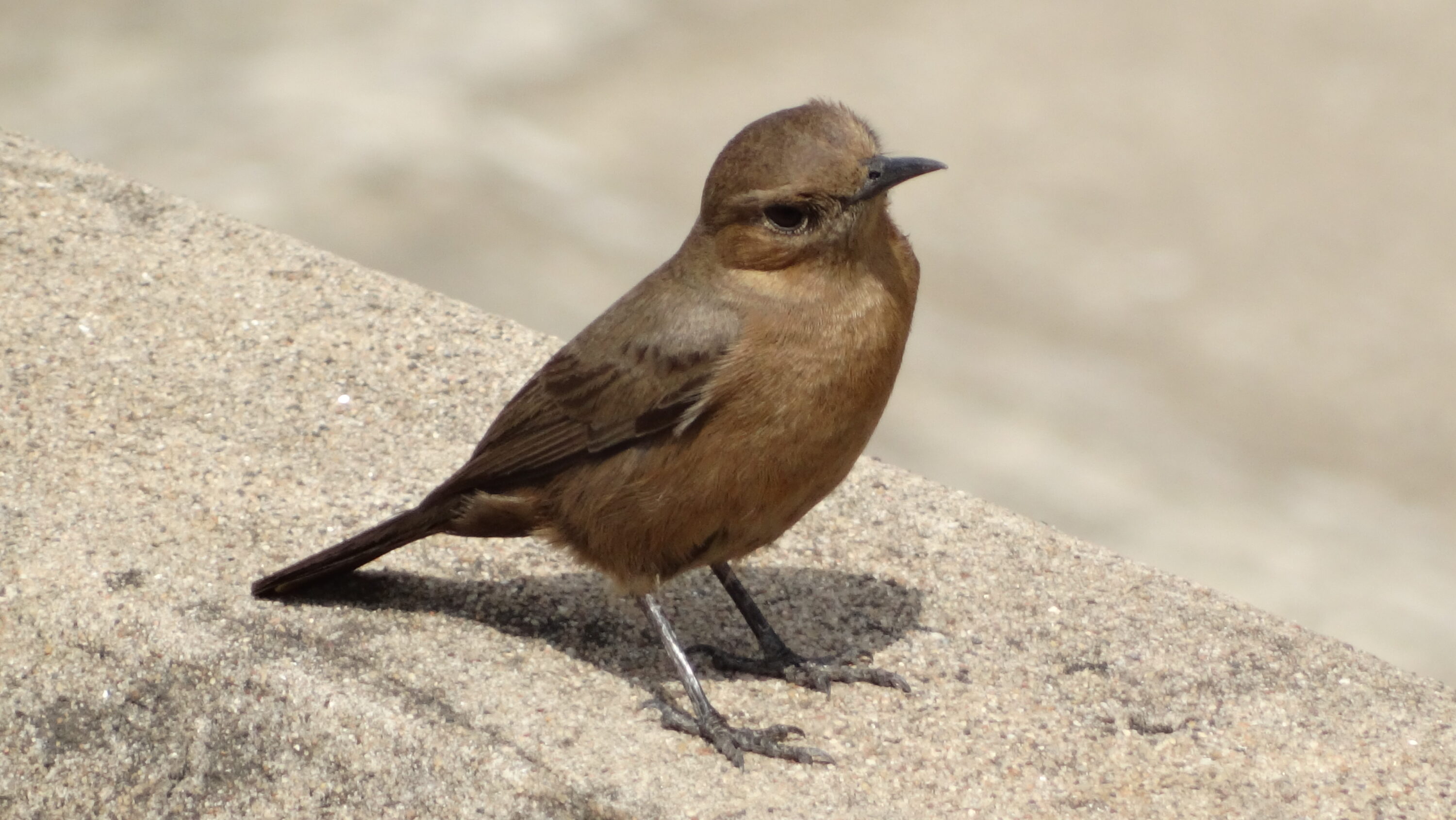
Toxoplasma Antibodies Found in 14 of 35 Wild Bird Species Sampled Around Lahore
A study published in 2026 detected antibodies against Toxoplasma gondii in 18 of 176 wild birds around Lahore,…
Read story →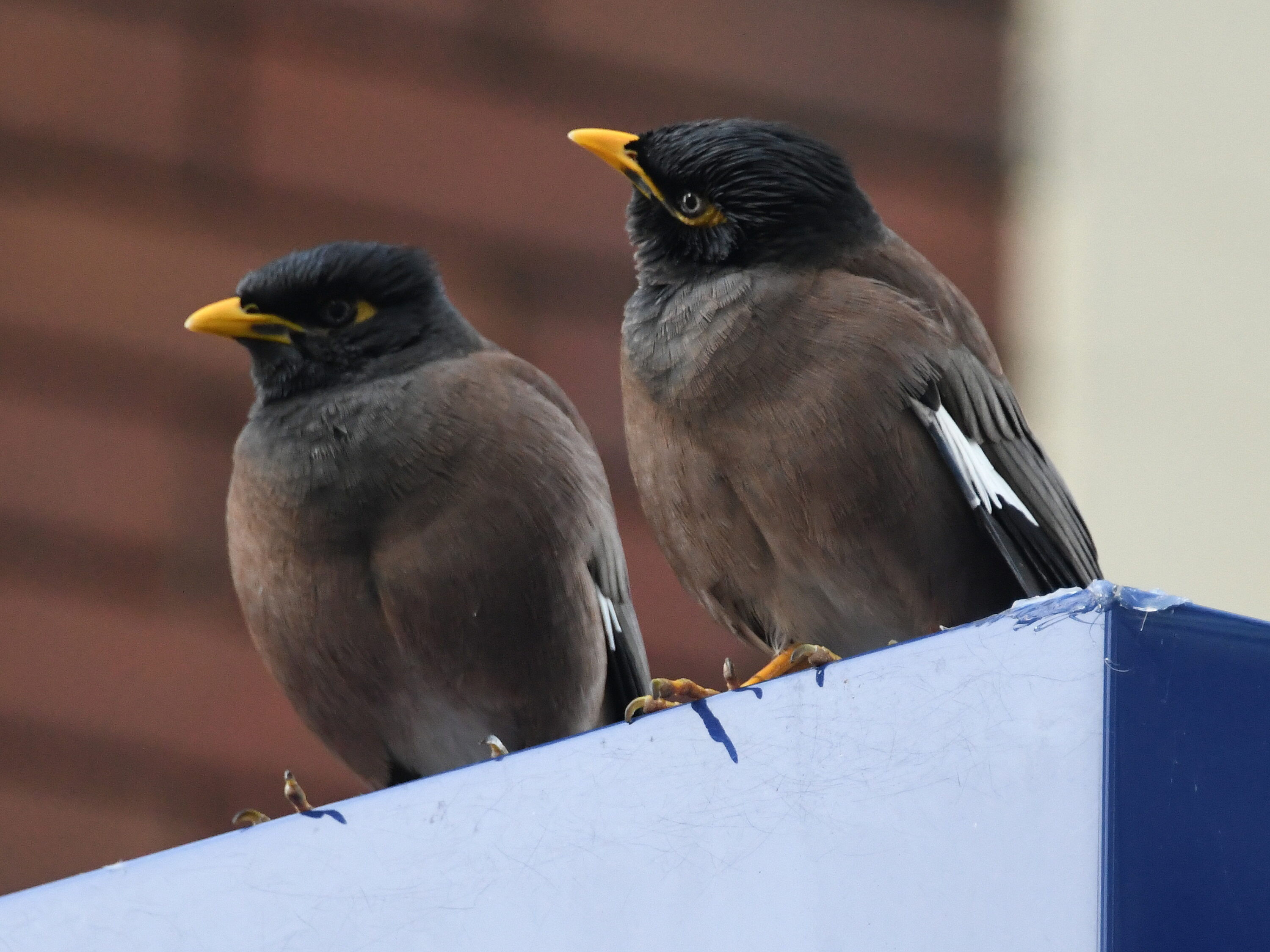
Rail Staff Say Two Common Mynas Regularly Ride Sydney Trains
Two common mynas were filmed sitting calmly inside a Sydney train, while a guard said staff know them…
Read story →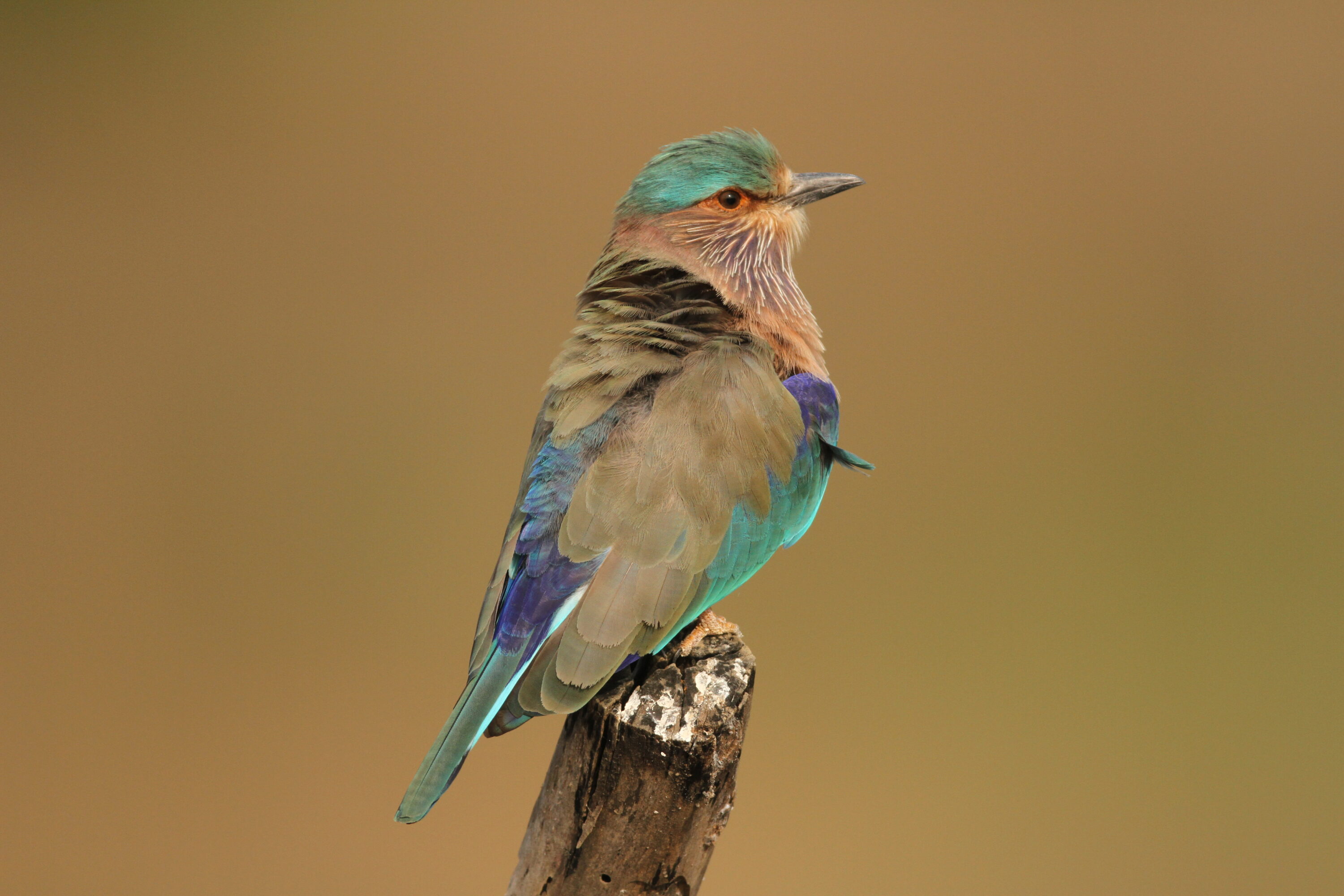
Six Cavity-Nesting Bird Species Bred Successfully in Artificial Nests in Punjab
Punjab Agricultural University reported successful breeding in artificial nests by six cavity-nesting species, including Indian roller, spotted owlet…
Read story →SPECIES IN THIS STORY
Species in this story
Independent research and conservation news archive
Did you find this information useful?
Wildlife Vagabond is independently built and maintained. Voluntary support helps cover source verification, hosting and continued work on research and conservation news.
Support Wildlife VagabondThe news archive will remain freely available.