
Cairngorms Survey Found Oystercatchers Down 15% Since 2021
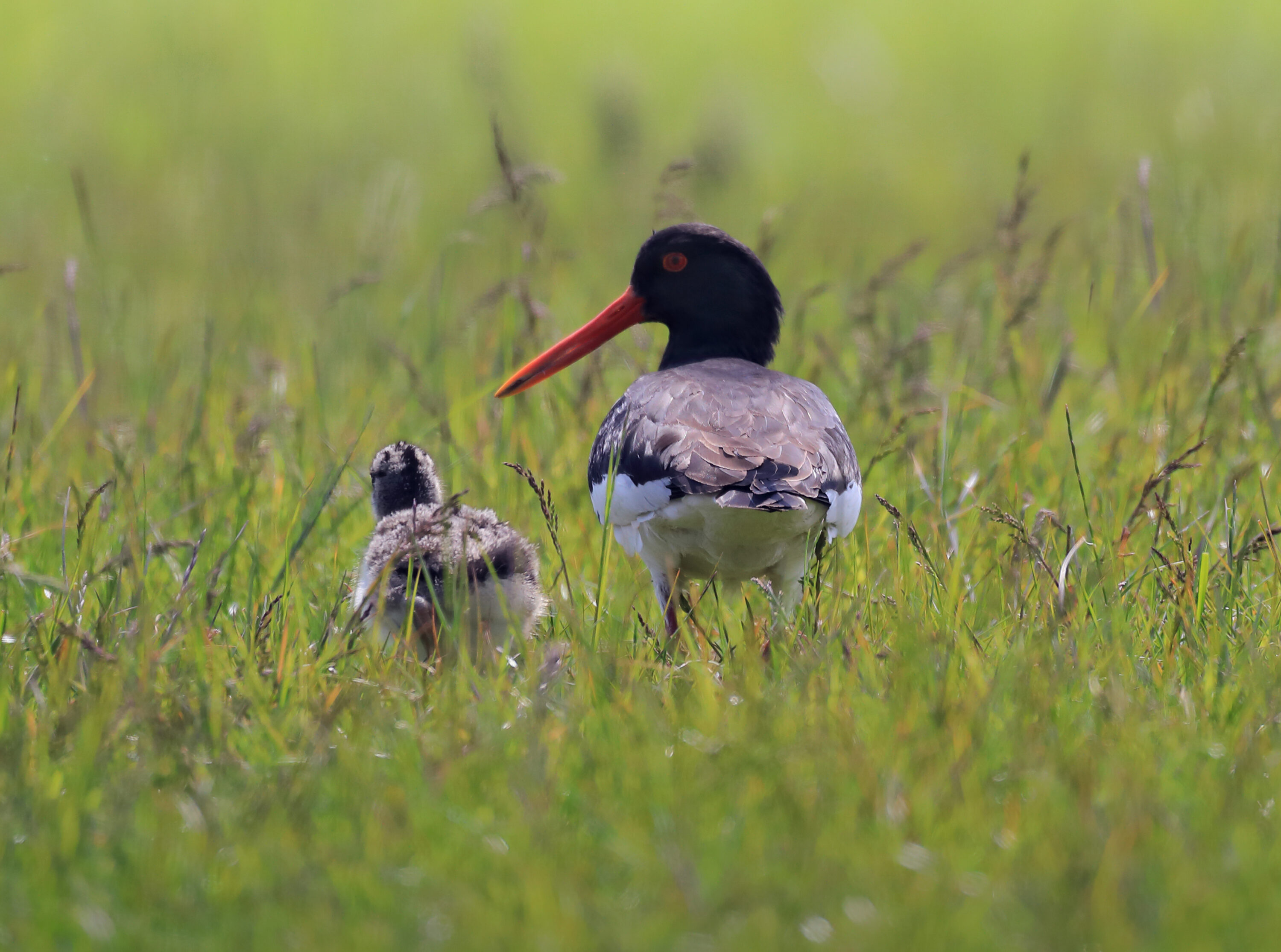
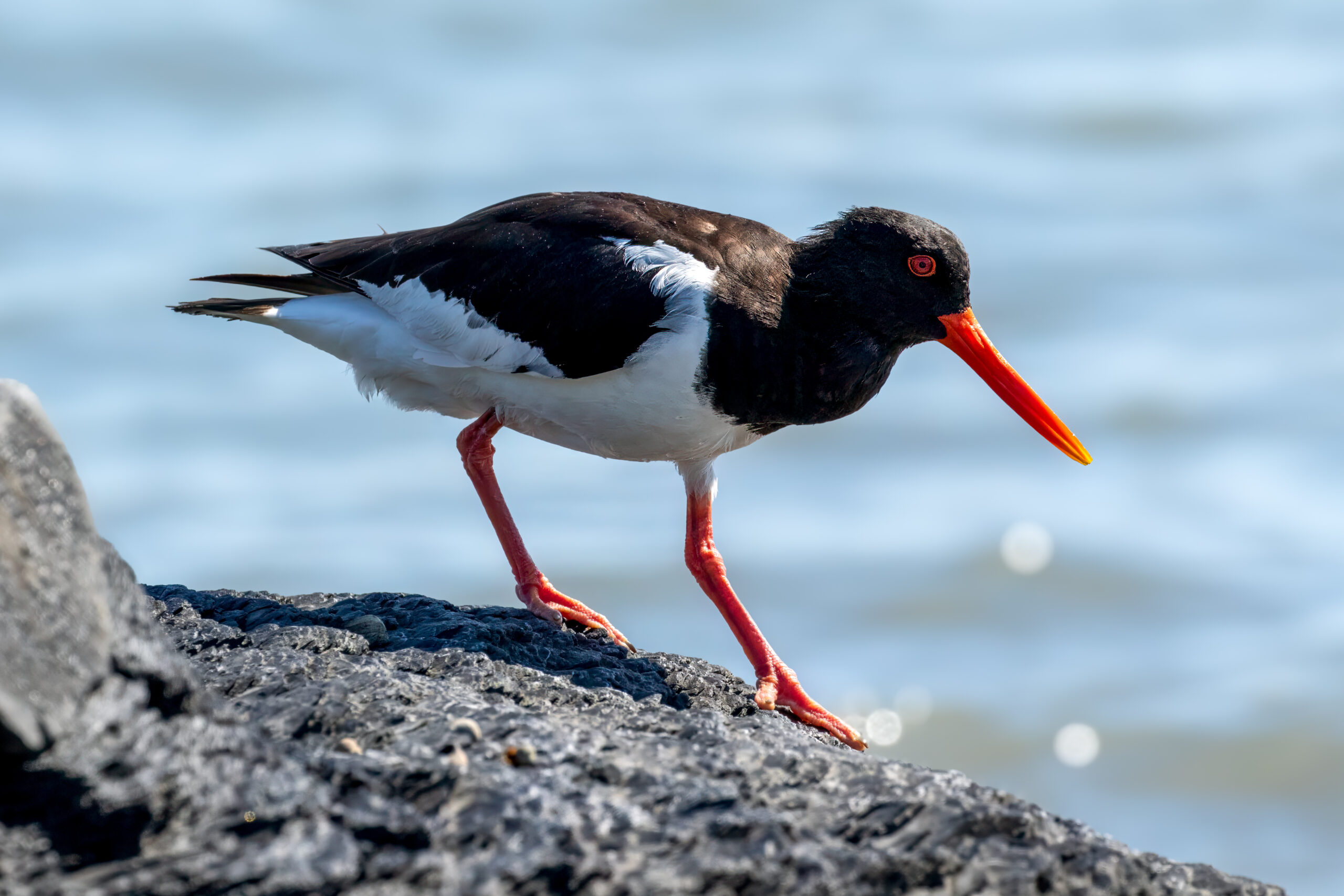
The 2025 Cairngorms Wader Survey found declines in all five monitored breeding waders compared with the previous survey in 2021. Eurasian oystercatcher (Haematopus ostralegus) numbers were 15% lower, according to results released by RSPB Scotland on 13 March 2026.
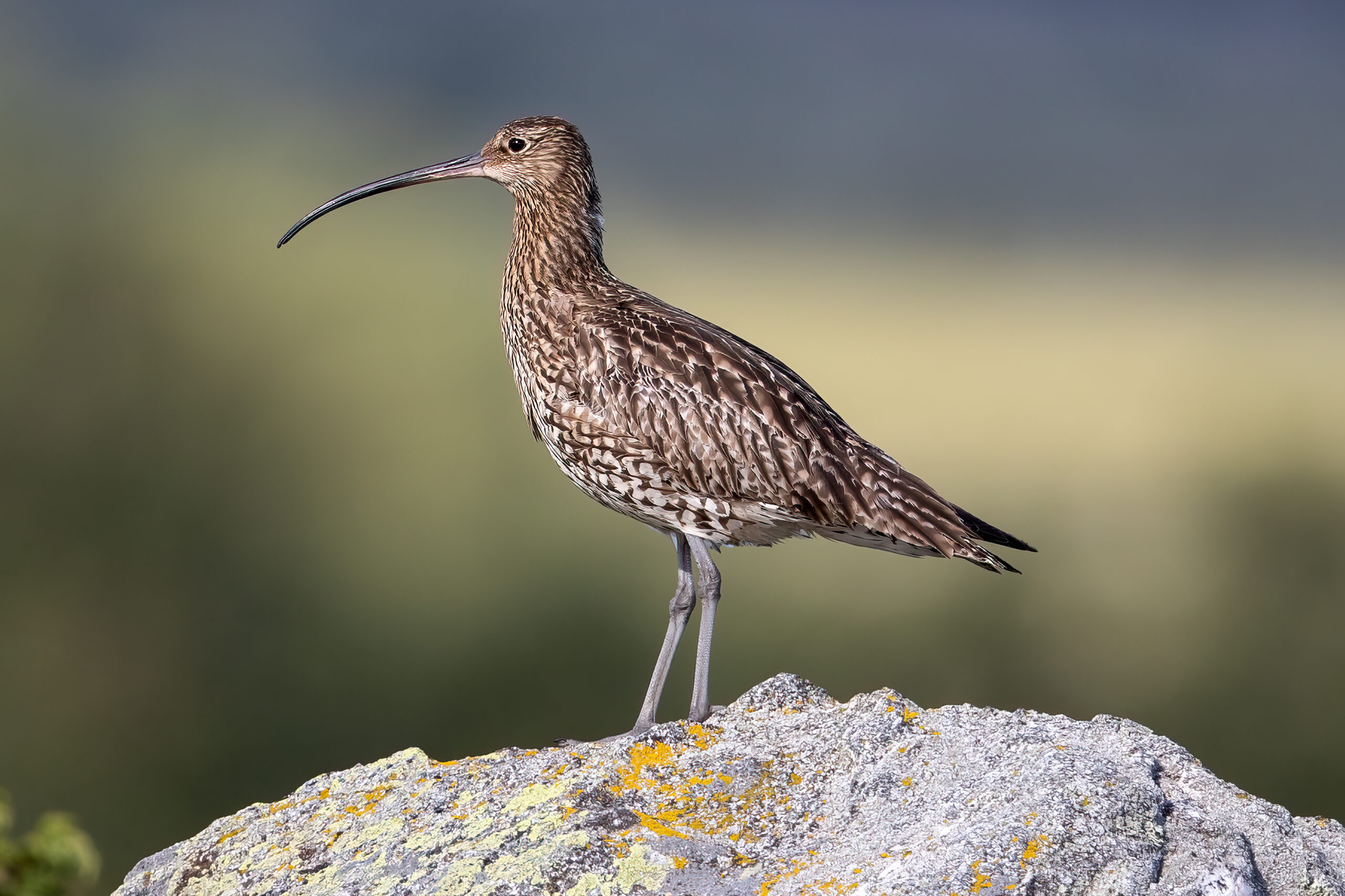
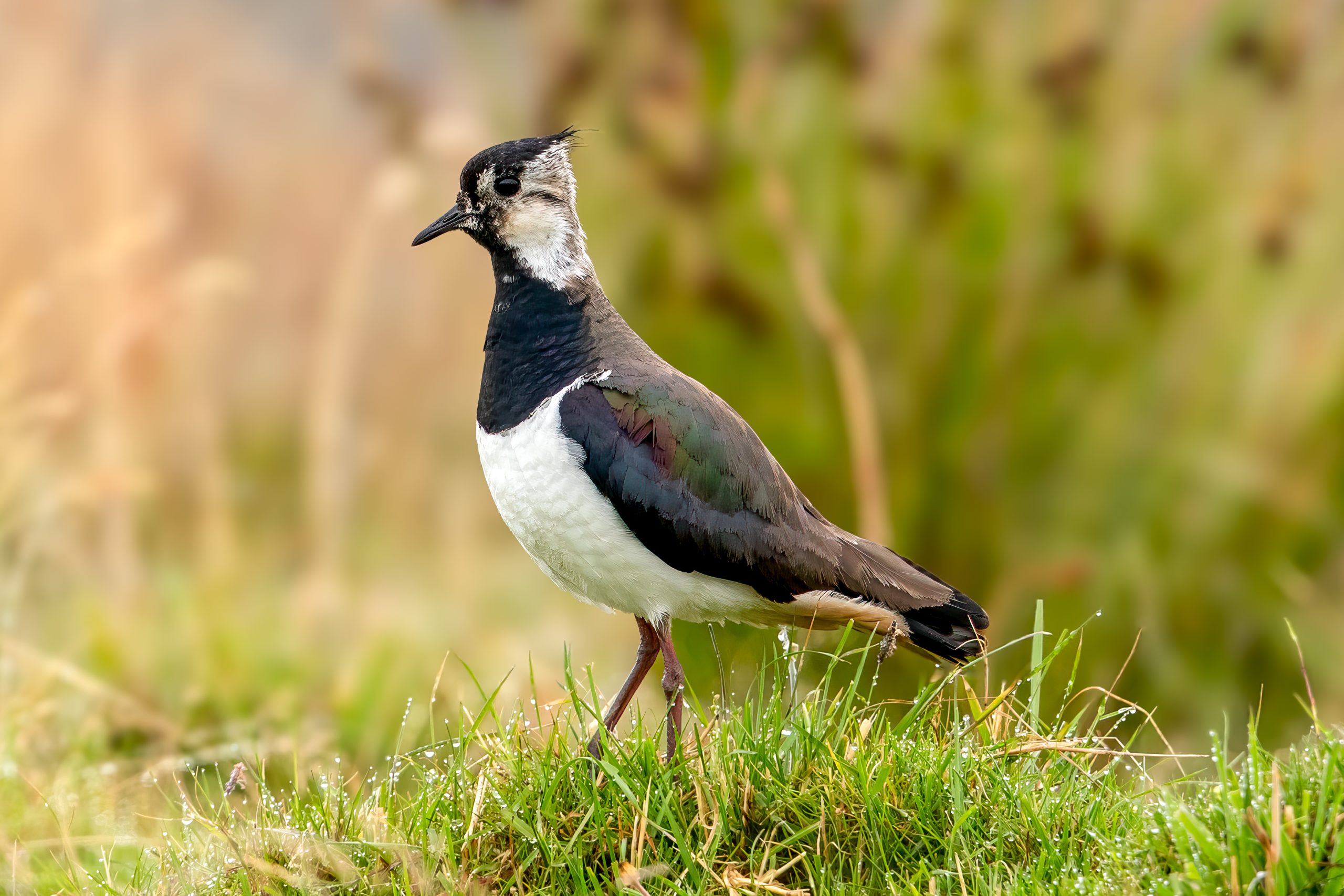
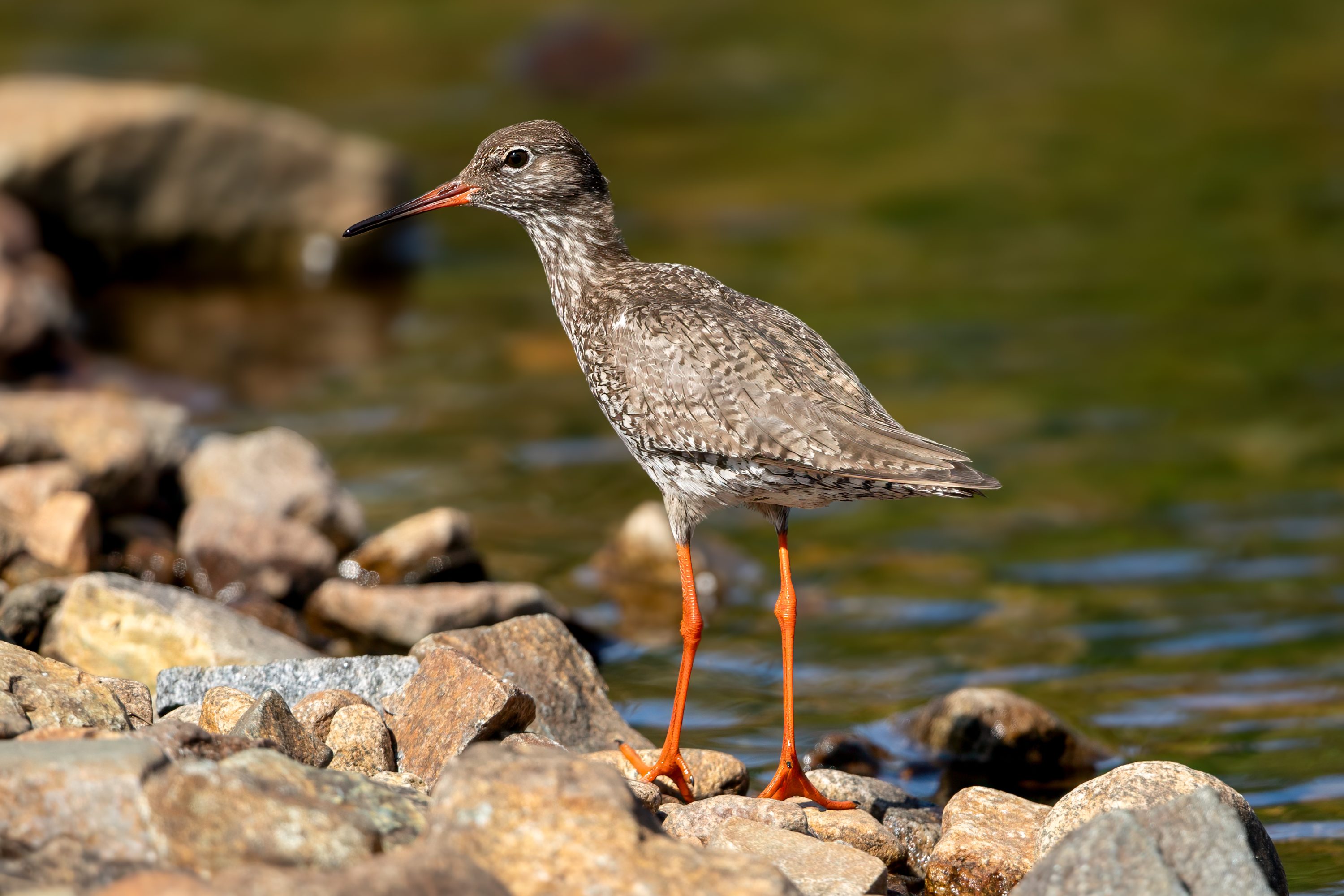
The survey also recorded declines of 45% for common redshank (Tringa totanus), 25% for northern lapwing (Vanellus vanellus), 24% for eurasian curlew (Numenius arquata) and 18% for common snipe (Gallinago gallinago). The monitoring programme has been repeated every five years since 2000 and covers breeding waders on farmland across the Cairngorms.
The 2025 survey had its greatest coverage yet
A record number of volunteers and participating farmers expanded the survey to more than 100 sites across the National Park, making the 2025 round the broadest so far. The Cairngorms National Park Authority says the larger and more representative sample will provide a stronger baseline for future comparisons.
That expanded coverage also means the headline changes need to be interpreted in context. The Park Authority notes that the increased number of survey sites may have influenced the overall results, and that there is evidence of some birds moving onto land outside the surveyed area. A full analysis was still being prepared for publication later in 2026.
Some local sites showed increases
Despite the overall declines, increases were recorded at 16 sites in Strathspey and Badenoch and four sites in Grampian. RSPB Scotland says these local improvements may be linked to habitat work already being carried out by farmers and land managers.
The partnership is continuing habitat management, machinery-loan schemes, advice to farmers and predator management through the Strathspey and Grampian wetland and wader initiatives. The survey results are intended to help identify where those measures should be targeted.
Population & status
Related news
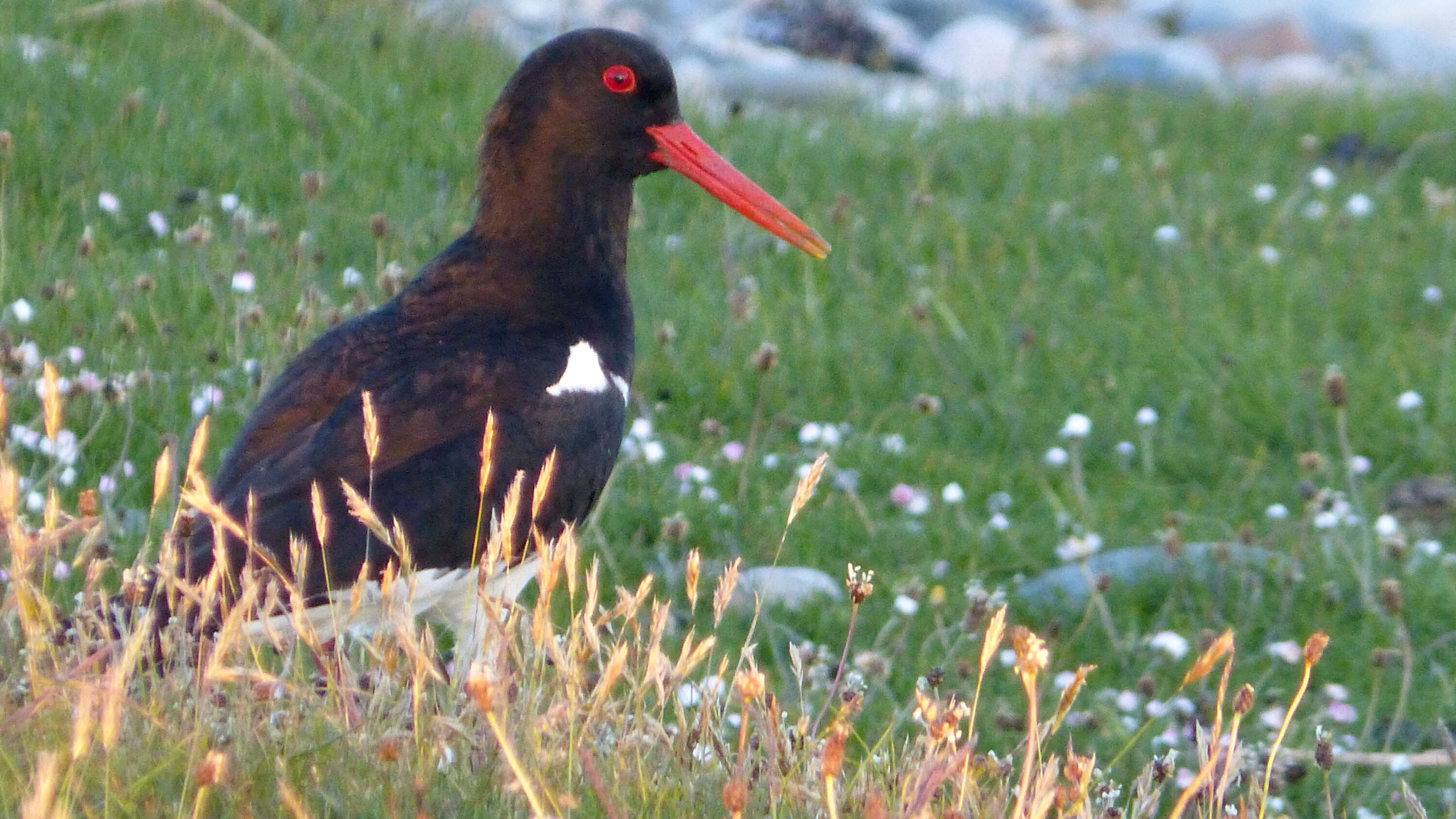
Scotland Proposed 14 Wader Recovery Areas From Shetland to the Central Belt
NatureScot and Working for Waders began consultation on 14 proposed recovery landscapes in May 2026, aiming to concentrate…
Read story →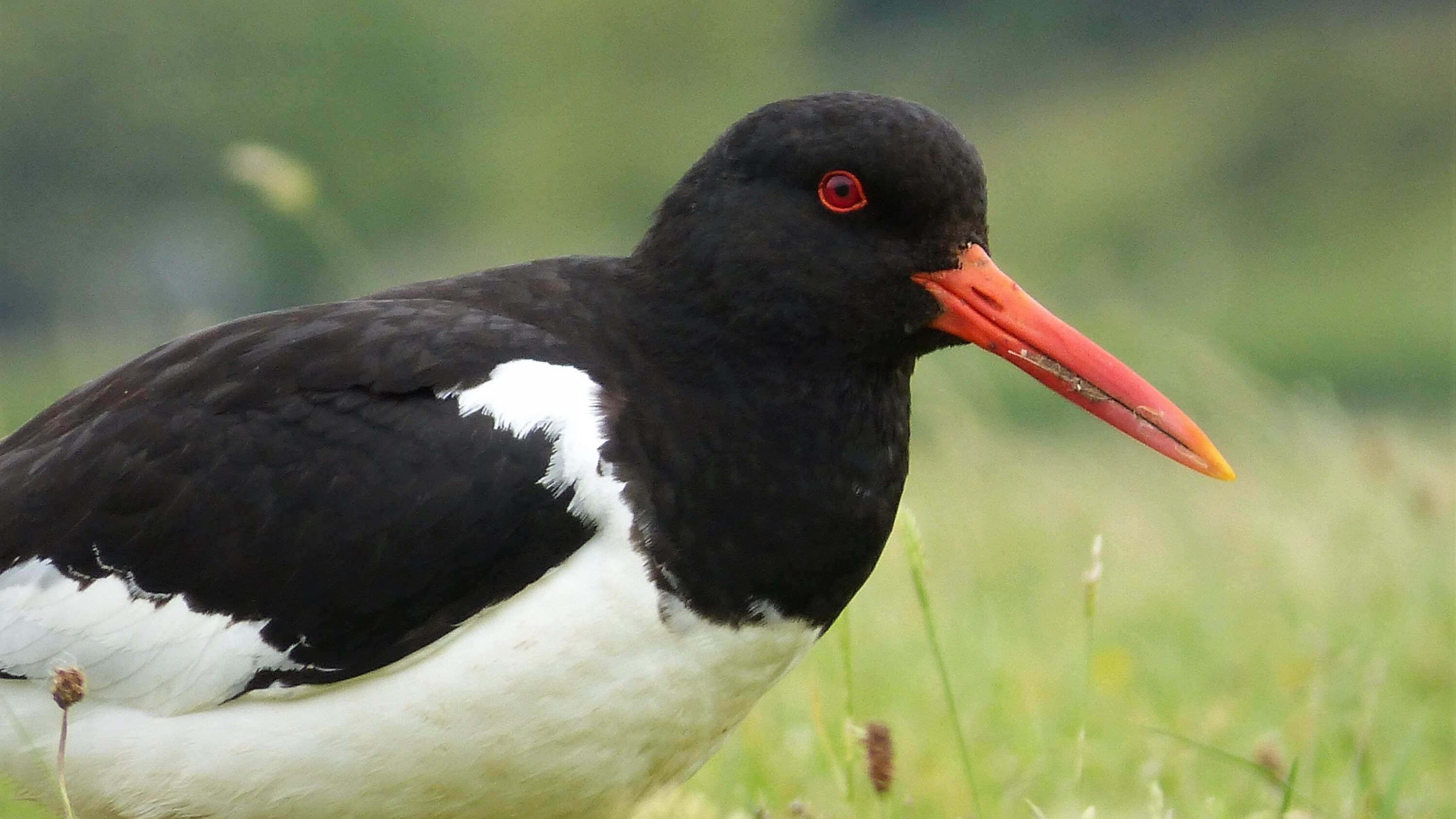
BirdNET Identified Oystercatcher Calls With 94% Precision and 99% Recall
A 2026 BTO report on a Yorkshire Dales trial found BirdNET detected validated Eurasian oystercatcher calls with 94%…
Read story →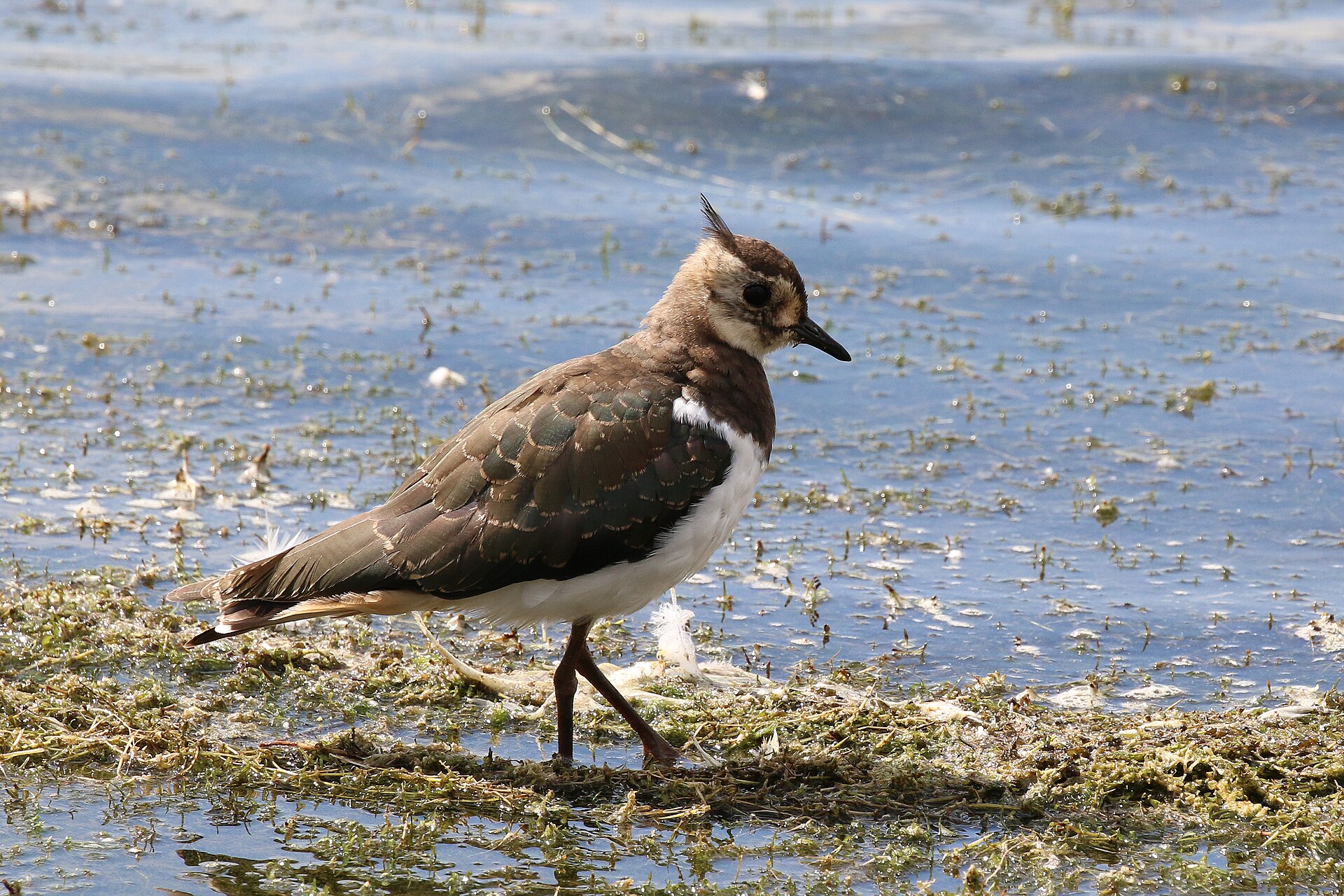
Lapwings Nest Later Further North in Britain, but Oystercatchers Start Earlier
Lapwings and oystercatchers follow different breeding calendars. British nest records show that fixed grazing and mowing dates can…
Read story →SPECIES IN THIS STORY
Species in this story
Independent research and conservation news archive
Did you find this information useful?
Wildlife Vagabond is independently built and maintained. Voluntary support helps cover source verification, hosting and continued work on research and conservation news.
Support Wildlife VagabondThe news archive will remain freely available.